Using Machine Learning for the Discovery and Development of Multitarget Flavonoid-Based Functional Products in MASLD
Maksim Kuznetsov, Evgeniya Klein, Daria Velina, Sherzodkhon Mutallibzoda, Olga Orlovtseva, Svetlana Tefikova, Dina Klyuchnikova, Igor Nikitin

TL;DR
This paper introduces a machine learning-based pipeline to design multi-target nutraceutical products for treating MASLD using flavonoids.
Contribution
A novel in silico pipeline integrating molecular prediction, aggregation, and formulation design for multi-target nutraceutical development in MASLD.
Findings
A stacked ensemble model achieved high performance (ROC-AUC 0.834) in predicting bioactivity for MASLD targets.
Three prototype nutraceutical concepts were designed with tailored dosing and formulation strategies using PBPK modeling.
The pipeline ensures chemical diversity and practical formulation by combining activity metrics with physicochemical properties.
Abstract
Metabolic dysfunction-associated steatotic liver disease (MASLD) represents a multifactorial condition requiring multi-target therapeutic strategies beyond traditional single-marker approaches. In this work, we present a fully in silico nutraceutical screening pipeline that integrates molecular prediction, systemic aggregation, and technological design. A curated panel of ten MASLD-relevant targets, spanning nuclear receptors (FXR, PPAR-α/γ, THR-β), lipogenic and cholesterogenic enzymes (ACC1, FASN, DGAT2, HMGCR), and transport/regulatory proteins (LIPG, FABP4), was assembled from proteomic evidence. Bioactivity records were extracted from ChEMBL, structurally standardized, and converted into RDKit descriptors. Predictive modeling employed a stacked ensemble of Random Forest, XGBoost, and CatBoost with isotonic calibration, yielding robust performance (mean cross-validated ROC-AUC…
Genes, proteins, chemicals, diseases, species, mutations and cell lines named across the full text — each resolved to its canonical identifier and authoritative record.
Click any figure to enlarge with its caption.
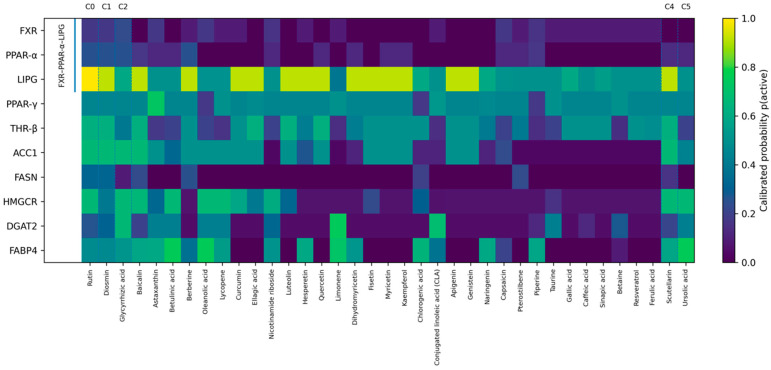 Figure 1
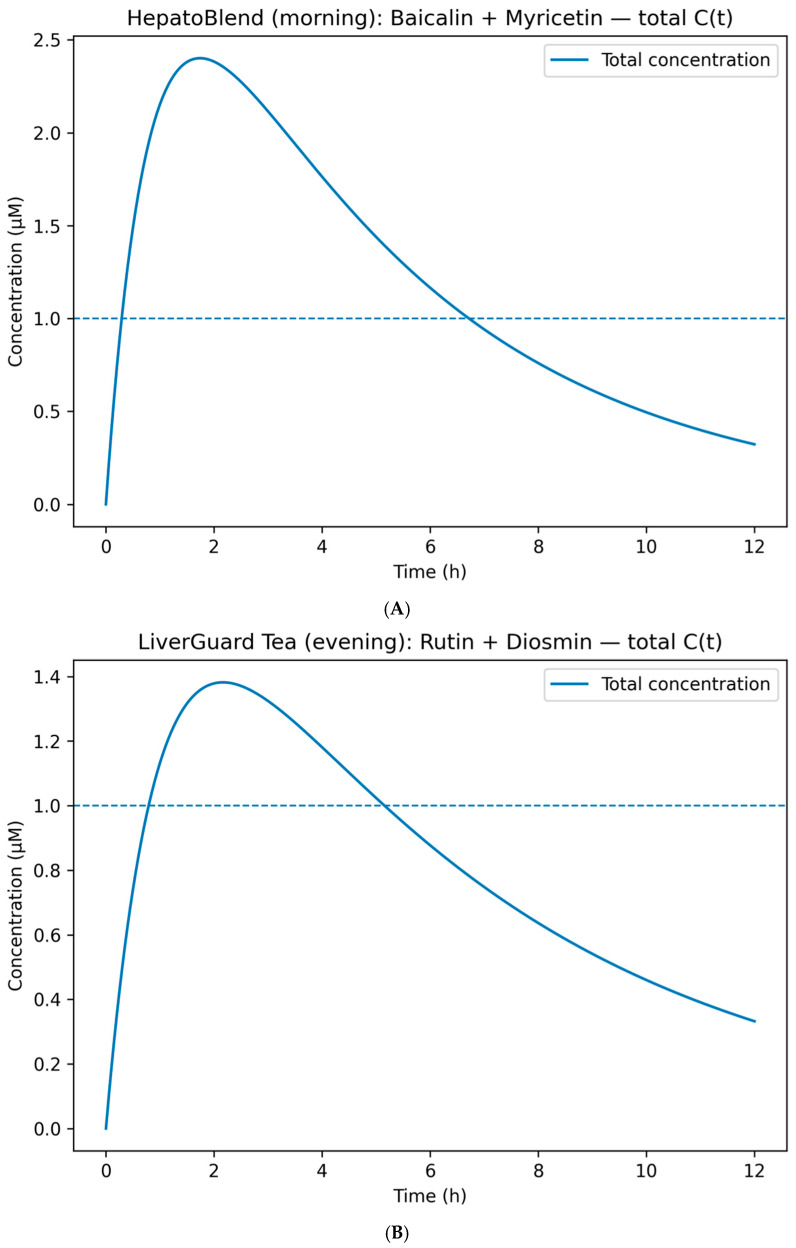 Figure 2
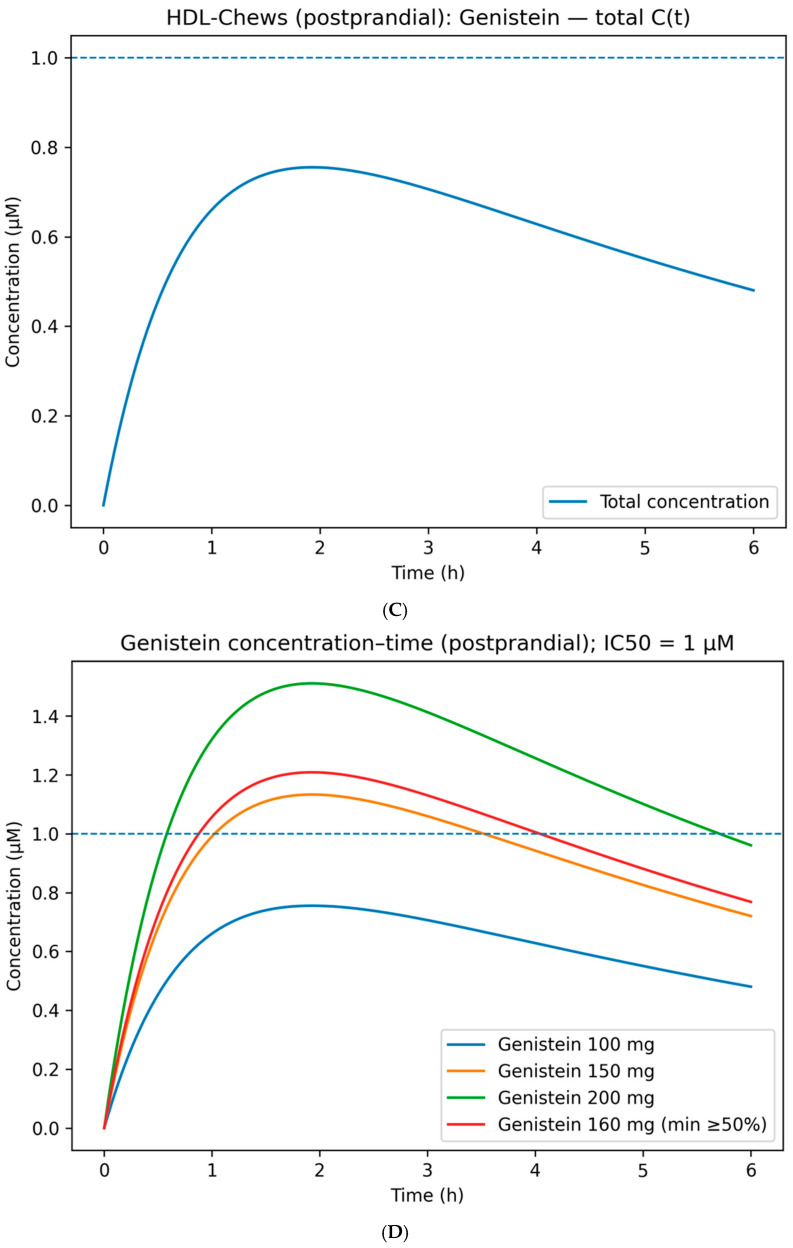 Figure 3
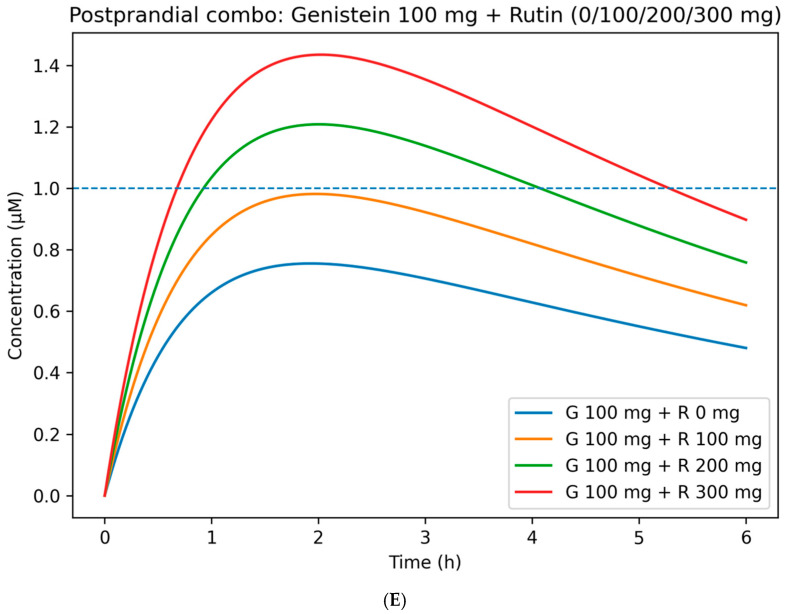 Figure 4
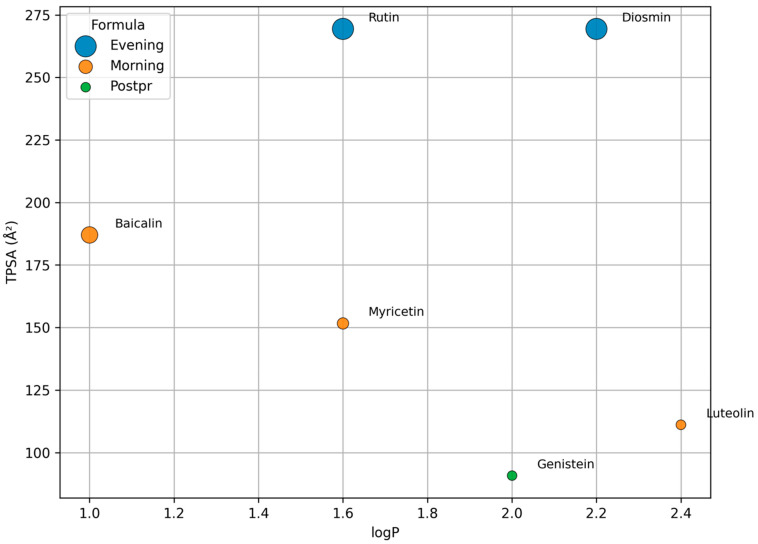 Figure 5
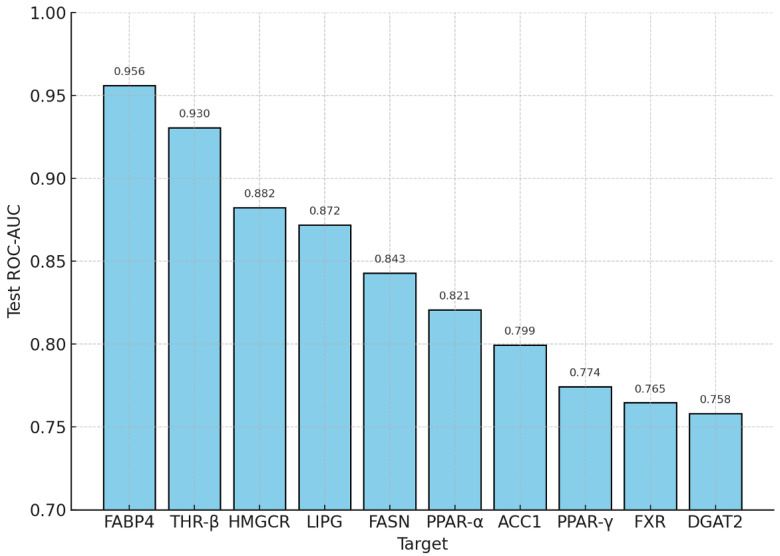 Figure 6
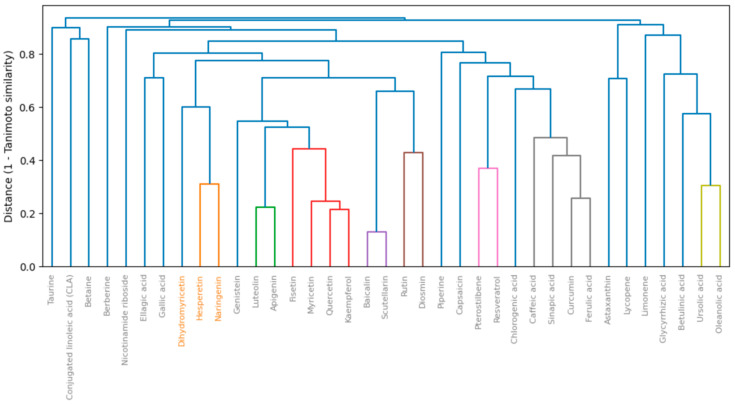 Figure 7
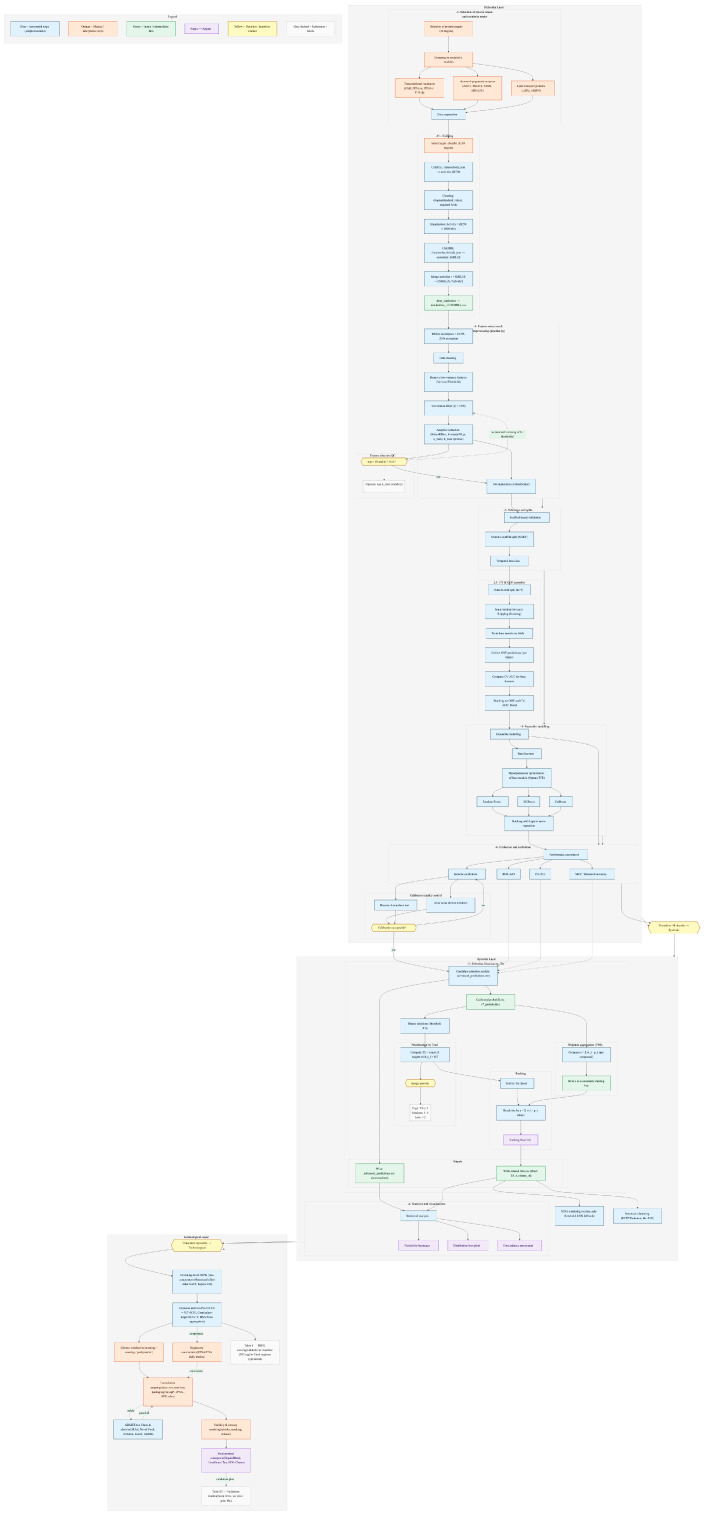 Figure 8
Peer Reviews
No public reviews on file for this paper yet. If you reviewed it on a platform where reviews are public (OpenReview, ICLR, NeurIPS, ICML), you can paste yours below so the community can read it here.
Videos
No videos yet. Explain this paper in a talk, walkthrough, or lecture? Add one.
Taxonomy
TopicsMetabolomics and Mass Spectrometry Studies · Chromatography in Natural Products · Diet, Metabolism, and Disease