High vs. Low Initial Steroid Dose in Autoimmune Pancreatitis: Multicenter Cohort Study on Efficacy and Diabetes Worsening
Yuhei Iwasa, Takuji Iwashita, Keisuke Iwata, Ryuichi Tezuka, Shinya Uemura, Akinori Maruta, Shota Iwata, Yosuke Ohashi, Kensaku Yoshida, Masahito Shimizu

TL;DR
This study compares high and low initial steroid doses for autoimmune pancreatitis and finds that low doses may prevent diabetes worsening without affecting treatment effectiveness.
Contribution
The study provides evidence that low initial steroid doses are as effective as high doses in treating autoimmune pancreatitis while reducing diabetes risk.
Findings
High and low initial steroid doses showed similar treatment response rates and relapse rates in autoimmune pancreatitis.
High-dose steroids significantly increased the risk of diabetes worsening compared to low-dose steroids.
Older age was also identified as a risk factor for diabetes worsening during steroid treatment.
Abstract
Background: Steroid therapy is the first-line treatment for autoimmune pancreatitis (AIP) with high response rates, although steroids can cause adverse events (AEs), such as diabetes mellitus (DM). The optimal initial steroid dose has not been well studied, and initiating high-dose steroid treatment may cause worsening of DM. Aims: The aim of this study was to evaluate the effect of the initial steroid dosage on treatment efficacy and diabetes mellitus in the management of autoimmune pancreatitis. Methods: A total of 81 AIP patients treated with steroids were divided into two groups based on the starting steroid dosage: a high-dose group (HD group; >0.4 mg/kg) and a low-dose group (LD group; ≤0.4 mg/kg). Treatment efficacy (response rate, pancreatic volume), relapse rate, and DM worsening rate were analyzed. Results: Among the 81 patients, 58 received HD steroids, and 23 received LD…
Genes, proteins, chemicals, diseases, species, mutations and cell lines named across the full text — each resolved to its canonical identifier and authoritative record.
Click any figure to enlarge with its caption.
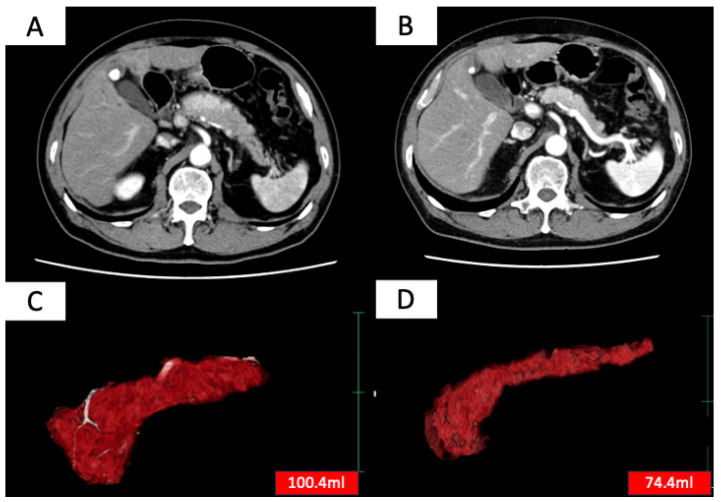 Figure 1
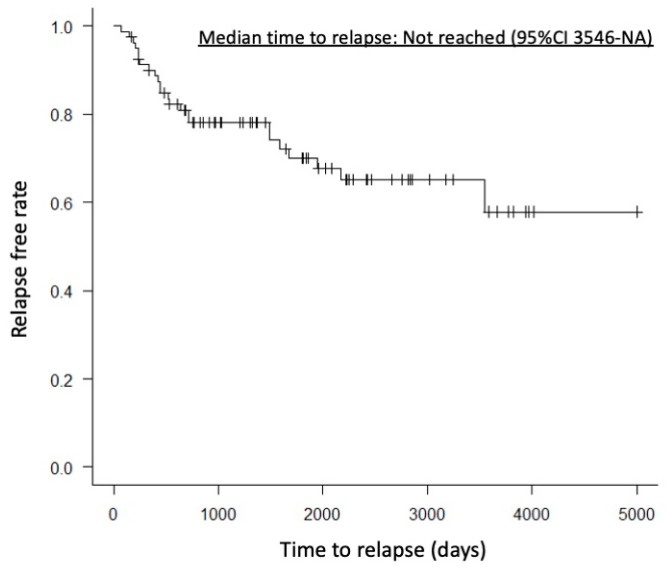 Figure 2
Peer Reviews
No public reviews on file for this paper yet. If you reviewed it on a platform where reviews are public (OpenReview, ICLR, NeurIPS, ICML), you can paste yours below so the community can read it here.
Videos
No videos yet. Explain this paper in a talk, walkthrough, or lecture? Add one.
Taxonomy
TopicsIgG4-Related and Inflammatory Diseases · Pancreatitis Pathology and Treatment · Autoimmune Bullous Skin Diseases