Preputial and scrotal cutaneous mast cell tumors in dogs show no evidence of inherently higher biologic malignancy
Žiga Žagar, Axel Wehrend, Jarno M. Schmidt, Sandra Kuehnel-Lawatsch, Tabea Buehler, Wolf von Bomhard, Martin Kessler

TL;DR
This study found that mast cell tumors in dogs' genital areas are not more aggressive than those in other locations, with good survival rates when treated.
Contribution
The study provides the first comprehensive analysis of the prognosis for canine preputial and scrotal mast cell tumors.
Findings
Most preputial and scrotal MCTs were low-grade, with favorable survival rates.
High-grade tumors and larger tumor size were linked to shorter survival times.
Lymph node metastases and other factors did not significantly affect survival.
Abstract
Canine genital mast cell tumors (MCTs) have been associated with a poorer prognosis; however, no larger study has focused exclusively on MCTs in this region. This study aimed to retrospectively describe the clinicopathologic aspects and outcomes of dogs with cutaneous preputial and scrotal MCTs and compare the findings to historical data from cutaneous MCTs from other locations. Medical records from 2002 to 2024 from a single institution were reviewed and 91 dogs (35 preputial, 56 scrotal) treated surgically with or without adjuvant therapy and a minimum follow-up of 6 months were included. Tumors were graded according to Patnaik (preputial: 63% grade I, 31% grade II, 6% grade III; scrotal: 41% grade I, 38% grade II, 21% grade III) and Kiupel (preputial: 91% low-grade, 9% high-grade; scrotal: 79% low-grade, 21% high-grade). Histological evaluation of superficial inguinal lymph nodes was…
Genes, proteins, chemicals, diseases, species, mutations and cell lines named across the full text — each resolved to its canonical identifier and authoritative record.
Click any figure to enlarge with its caption.
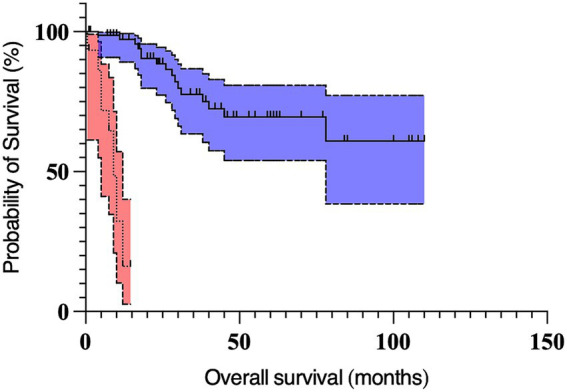 Figure 1
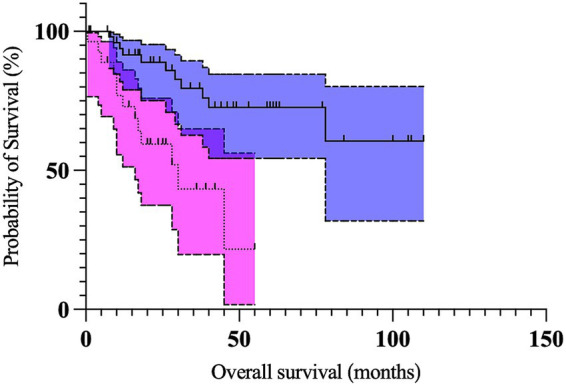 Figure 2
Peer Reviews
No public reviews on file for this paper yet. If you reviewed it on a platform where reviews are public (OpenReview, ICLR, NeurIPS, ICML), you can paste yours below so the community can read it here.
Videos
No videos yet. Explain this paper in a talk, walkthrough, or lecture? Add one.
Taxonomy
TopicsVeterinary Oncology Research · Veterinary Medicine and Surgery · Human-Animal Interaction Studies