Protective Effect of Nanobodies Targeting Sip Protein Against Streptococcus agalactiae Infection in Tilapia (Oreochromis niloticus)
Zhishen Wang, Huiling Wu, Weihao He, Shunqiang Wei, Xuemin Wei, Chaoshuai Wei, Yinghui Wang, Aiguo Huang

TL;DR
Researchers developed a nanobody that targets a key protein in a harmful bacteria affecting tilapia, improving survival rates and offering a sustainable alternative to antibiotics.
Contribution
The study introduces Nb30, a novel nanobody targeting the Sip protein of Streptococcus agalactiae, demonstrating its efficacy in reducing infection and mortality in tilapia.
Findings
Nb30 significantly reduced Streptococcus agalactiae colonization in tilapia liver, spleen, and brain.
Treatment with Nb30 increased fish survival rates from 53% to 86%.
Nb30 modulated immune and metabolic pathways, including upregulating antioxidant enzymes and downregulating inflammation-related genes.
Abstract
Antibiotics remain the primary method for controlling Streptococcus agalactiae (GBS) in aquaculture environments. However, while antibiotics can eliminate GBS, they may also lead to the release of virulence factors and the emergence of drug-resistant strains. Additionally, GBS can breach the blood–brain barrier in fish and damage the nervous system, accelerating fish mortality. Therefore, this study aims to explore green, virulence-neutralizing, and blood–brain barrier-penetrating strategies for preventing GBS infection. Nanobodies (Nbs), currently the smallest genetically engineered antibodies, possess potential for rapid degradation, toxin neutralization, and barrier system penetration, making them a crucial source for new drug development. Notably, this study utilized phage display technology to screen and obtain a nanobody Nb30 from a camel-derived nanobody phage library, which can…
Genes, proteins, chemicals, diseases, species, mutations and cell lines named across the full text — each resolved to its canonical identifier and authoritative record.
Click any figure to enlarge with its caption.
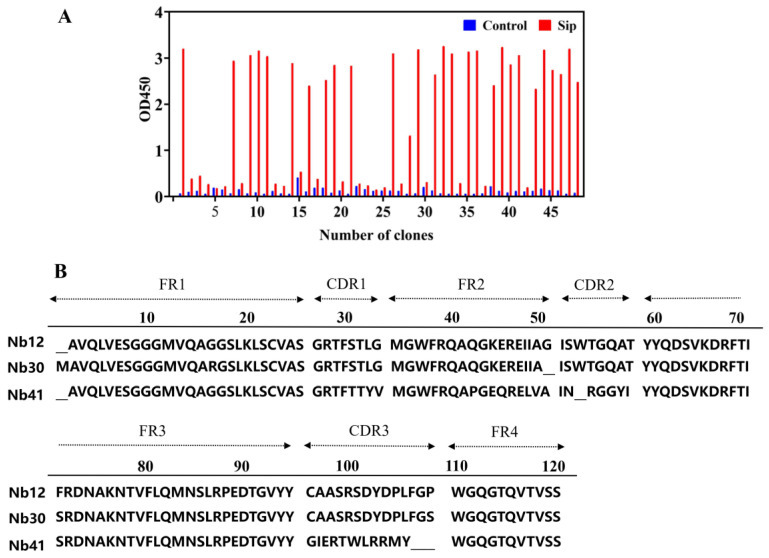 Figure 1
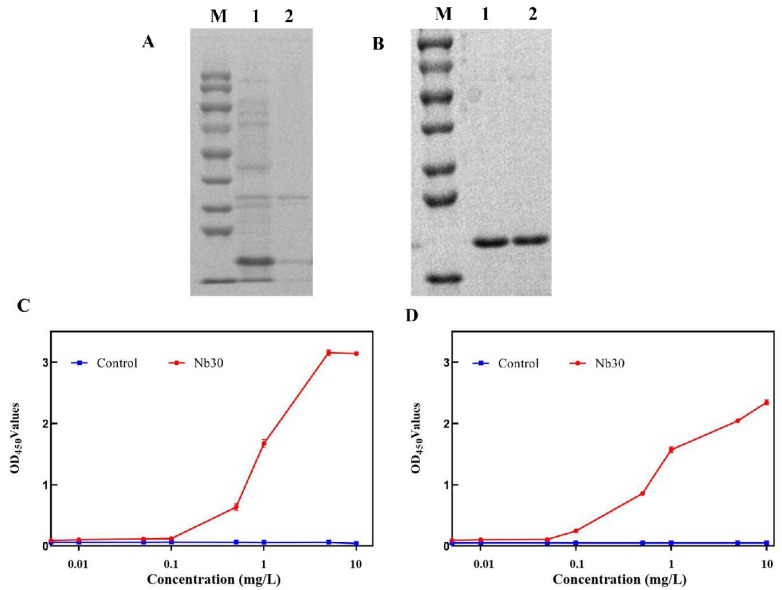 Figure 2
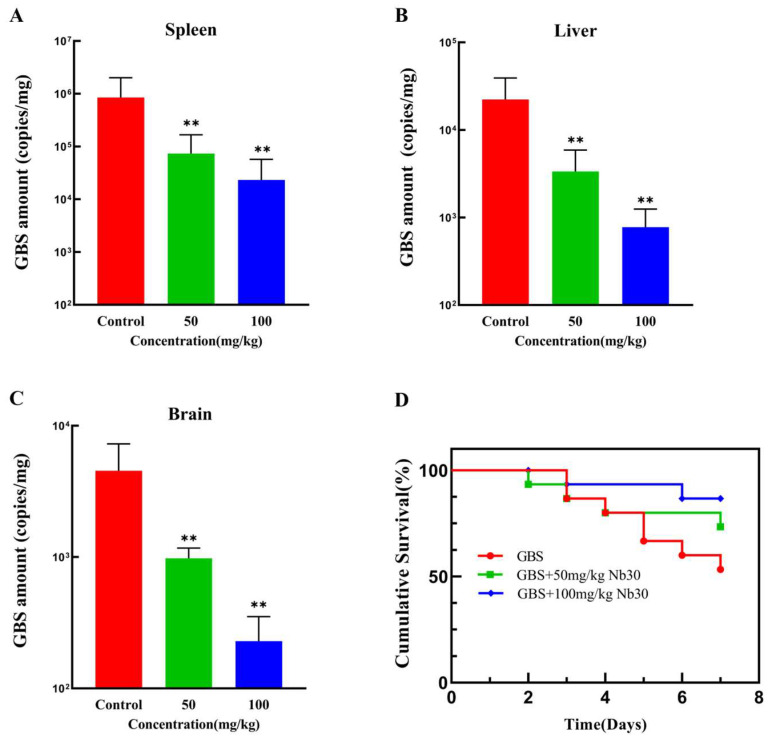 Figure 3
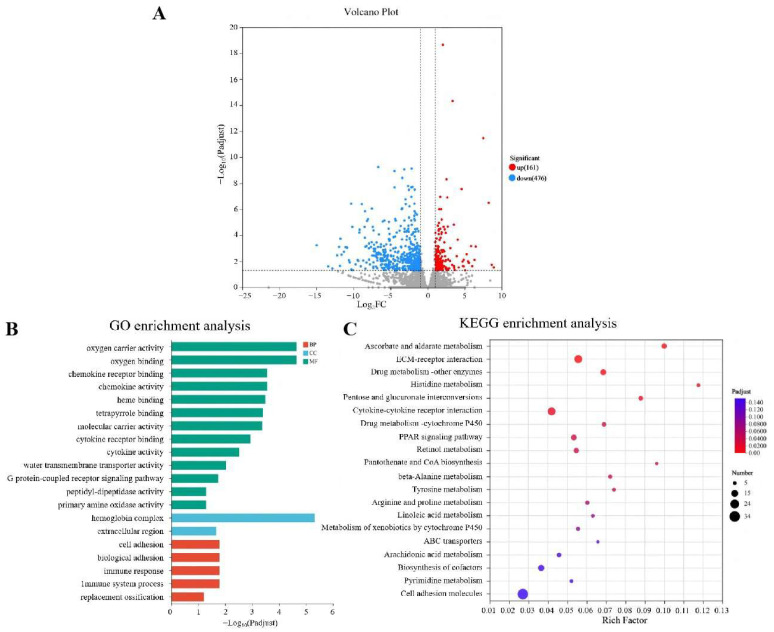 Figure 4
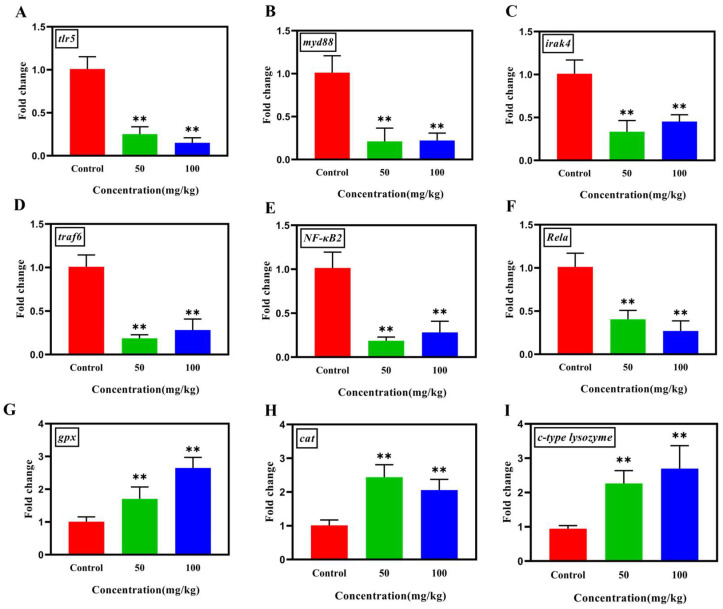 Figure 5
Peer Reviews
No public reviews on file for this paper yet. If you reviewed it on a platform where reviews are public (OpenReview, ICLR, NeurIPS, ICML), you can paste yours below so the community can read it here.
Videos
No videos yet. Explain this paper in a talk, walkthrough, or lecture? Add one.
Taxonomy
TopicsBacteriophages and microbial interactions · Monoclonal and Polyclonal Antibodies Research · Aquaculture disease management and microbiota