Exenatide Is Neuroprotective in a New Rabbit Model of Hypoxia-Ischemia
Eridan Rocha-Ferreira, Malin Carlsson, Pernilla Svedin, Kerstin Ebefors, Owen Herrock, Anna-Lena Leverin, Henrik Hagberg

TL;DR
Exenatide, a diabetes drug, protects the brains of young rabbits from hypoxia-ischemia, a condition that can harm newborns.
Contribution
A new rabbit model of hypoxia-ischemia is introduced, showing exenatide's neuroprotective effects at high doses.
Findings
Exenatide at 500 μg/g reduced brain tissue loss by 90% in hypoxia-ischemia experiments.
Exenatide caused a transient 2-fold increase in ketone bodies but did not affect glucose, temperature, or weight.
Exenatide was safe and well tolerated in the rabbit model at tested doses.
Abstract
Hypoxia-ischemia is a serious perinatal complication affecting neonates globally. Animal models have increased the understanding of its pathophysiology and have been used to investigate potential therapies. Exenatide, clinically used for the treatment of type 2 diabetes mellitus, also protects the rodent brain from hypoxia-ischemia. The rabbit brain has an earlier neurodevelopmental maturation than rodents, as well as similar postnatal maturation to humans. We hereby introduce a new, reproducible hypoxia-ischemia model in rabbit kits at postnatal day (P) 3–4. Following hypoxia-ischemia, rabbit kits received different exenatide concentrations: 170 μg/g (2-dose) or 500 μg/g (1- or 2-dose), or vehicle. The brains were collected seven days later for histological assessment showing that 500 μg/g exenatide, either as a 1- or 2-dose regimen, reduced brain tissue loss by 90% in hypoxia-ischemia…
Genes, proteins, chemicals, diseases, species, mutations and cell lines named across the full text — each resolved to its canonical identifier and authoritative record.
Click any figure to enlarge with its caption.
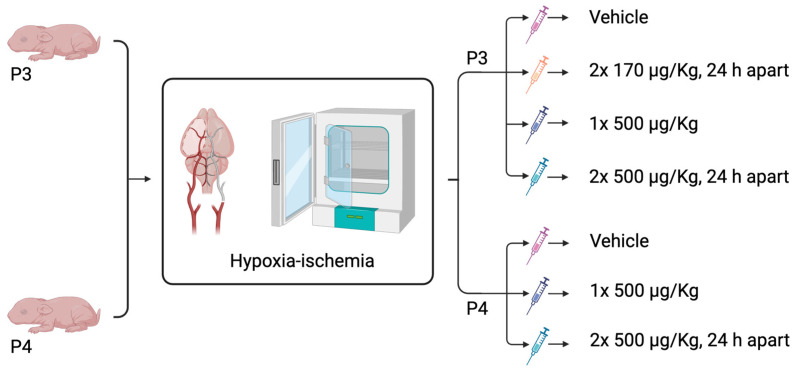 Figure 1
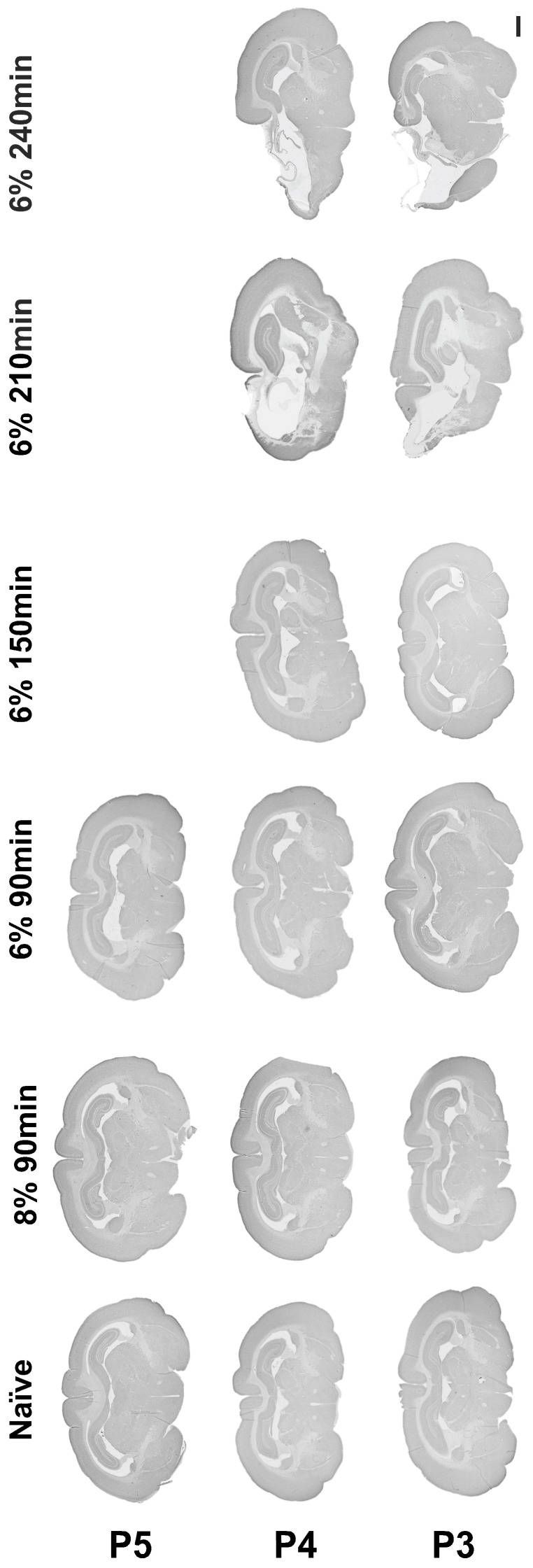 Figure 2
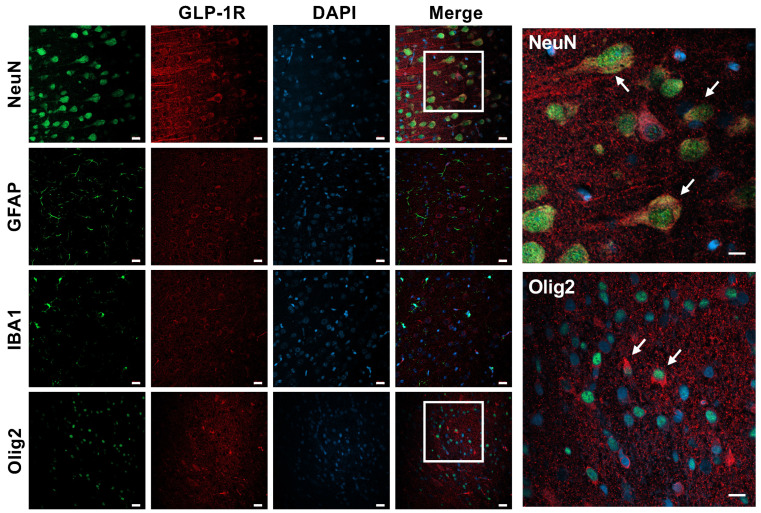 Figure 3
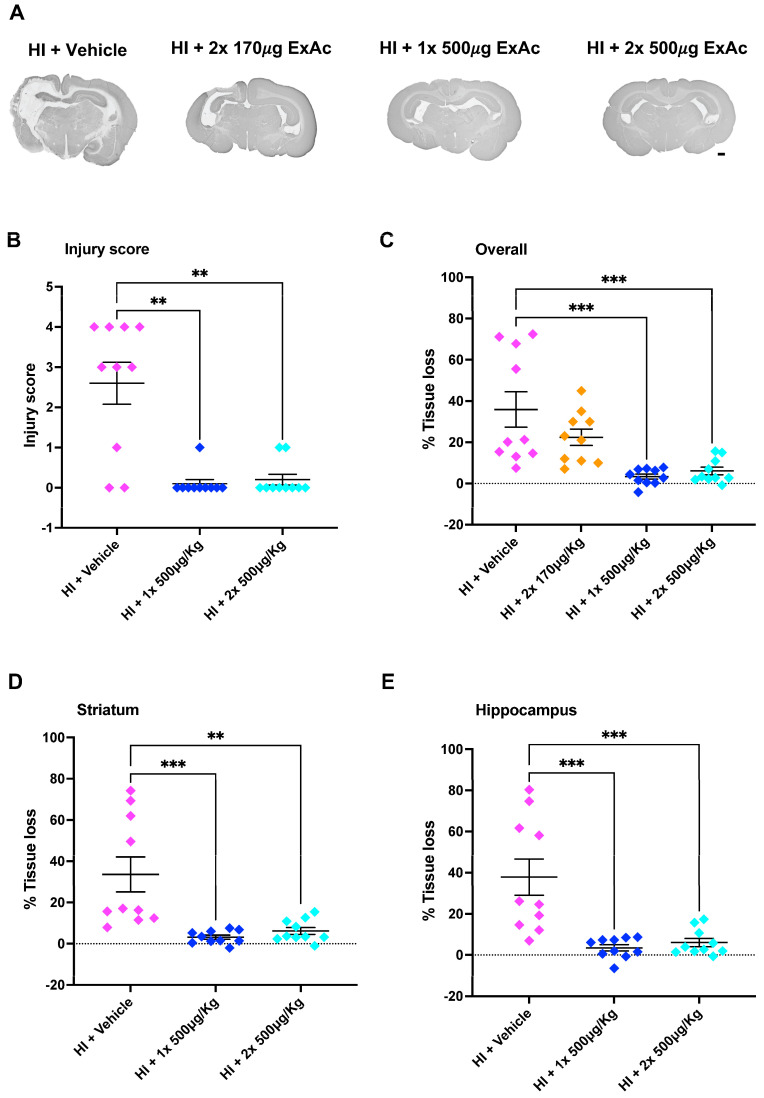 Figure 4
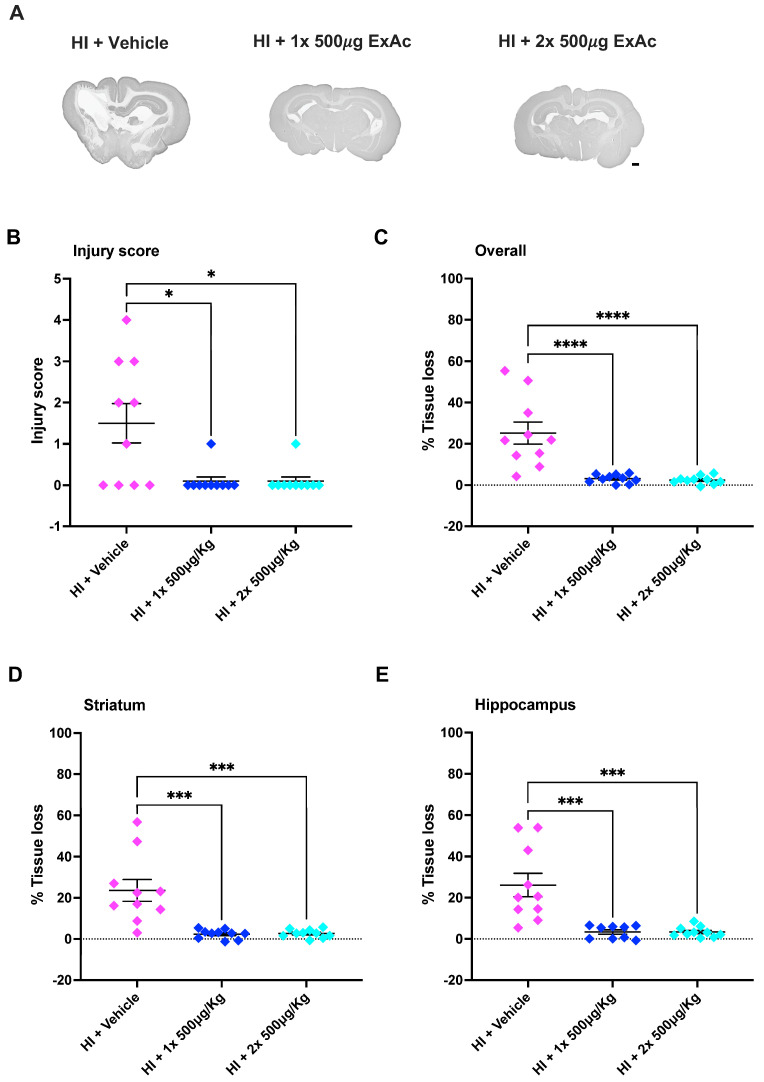 Figure 5
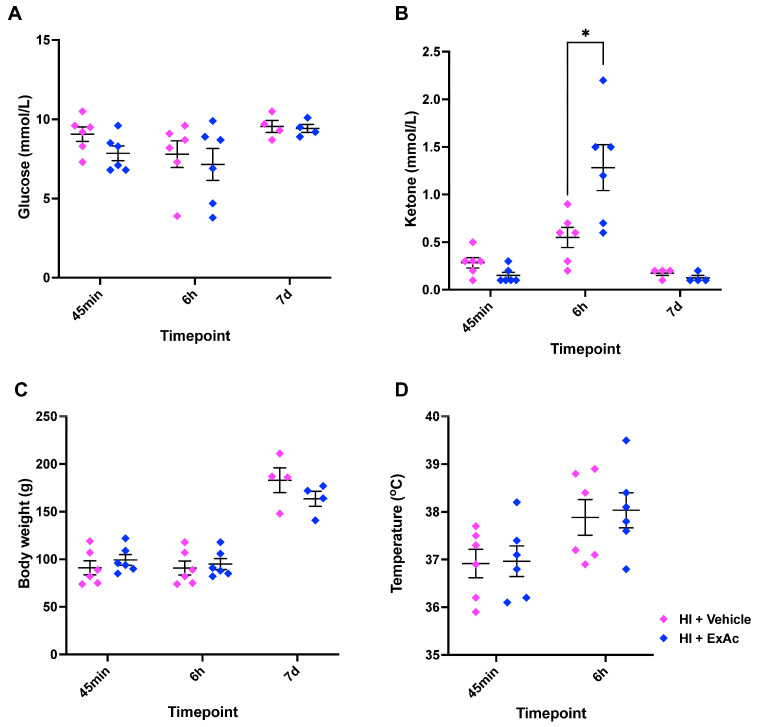 Figure 6
Peer Reviews
No public reviews on file for this paper yet. If you reviewed it on a platform where reviews are public (OpenReview, ICLR, NeurIPS, ICML), you can paste yours below so the community can read it here.
Videos
No videos yet. Explain this paper in a talk, walkthrough, or lecture? Add one.
Taxonomy
TopicsNeonatal and fetal brain pathology · Hyperglycemia and glycemic control in critically ill and hospitalized patients · Diet and metabolism studies