An Artificial Neural Network for Rapid Prediction of the 3D Transient Temperature Fields in Ship Hull Plate Line Heating Forming
Zhe Yang, Hua Yuan, Zhenshuai Wei, Lichun Chang, Yao Zhao, Jiayi Liu

TL;DR
A neural network is developed to quickly predict temperature changes in ship hull steel during line heating, outperforming traditional simulations in speed and accuracy.
Contribution
A physics-aware neural network is introduced for fast and accurate 3D temperature prediction in line heating processes.
Findings
The model achieves high accuracy with MAE = 0.60 °C and RMSE = 1.27 °C on test data.
The model generalizes to new plate sizes and matches thermocouple measurements in real-world experiments.
Inference is 100,000 times faster than traditional FEM simulations.
Abstract
Line heating processes play a significant role in the fabrication of structural steel components, particularly in industries such as shipbuilding, aerospace, and automotive manufacturing, where dimensional accuracy and minimal defects are critical. Traditional methods, such as the finite element method (FEM) simulations, offer high-fidelity predictions but are hindered by prohibitive computational latency and the need for case-specific re-meshing. This study presents a physics-aware, data-driven neural network that delivers fast, high-fidelity temperature predictions across a broad operating envelope. Each spatiotemporal point is mapped to a one-dimensional feature vector. This vector encodes thermophysical properties, boundary influence factors, heatsource variables, and timing variables. All geometric features are expressed in a path-aligned local coordinate frame, and the inputs are…
Genes, proteins, chemicals, diseases, species, mutations and cell lines named across the full text — each resolved to its canonical identifier and authoritative record.
Click any figure to enlarge with its caption.
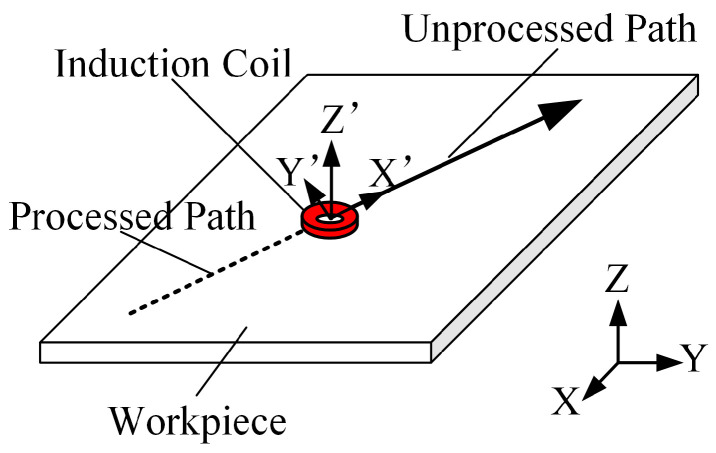 Figure 1
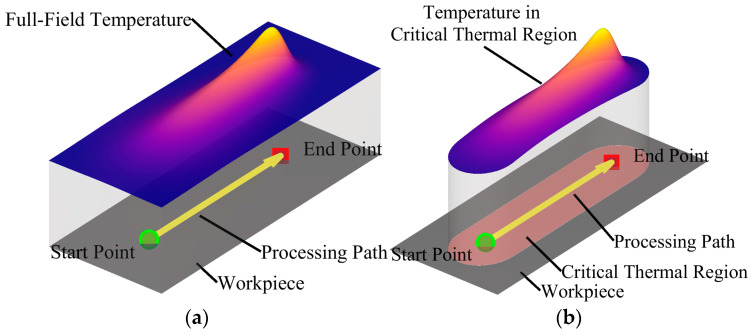 Figure 2
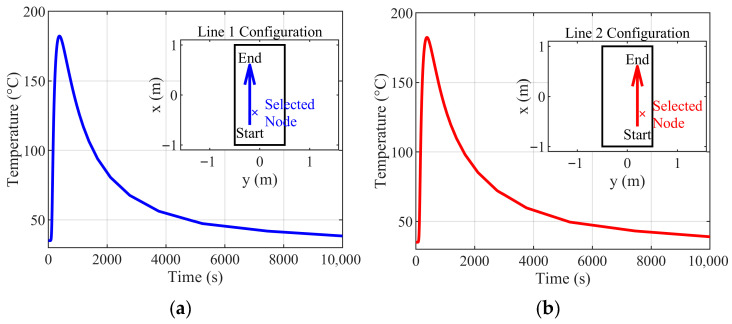 Figure 3
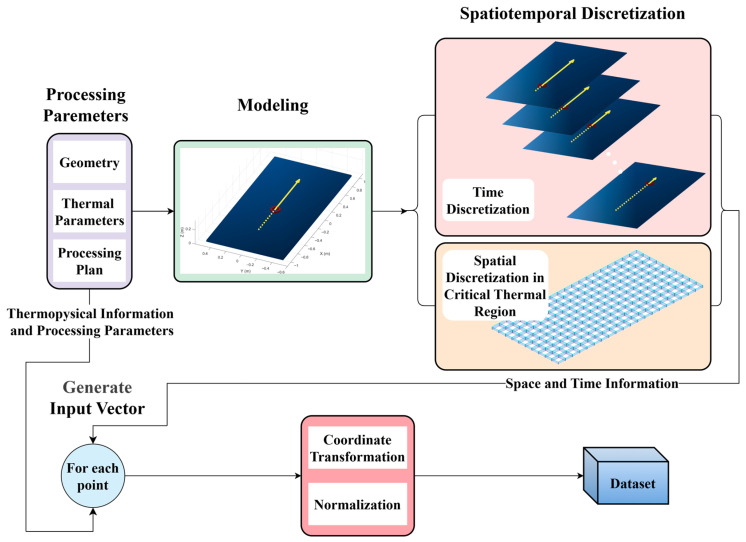 Figure 4
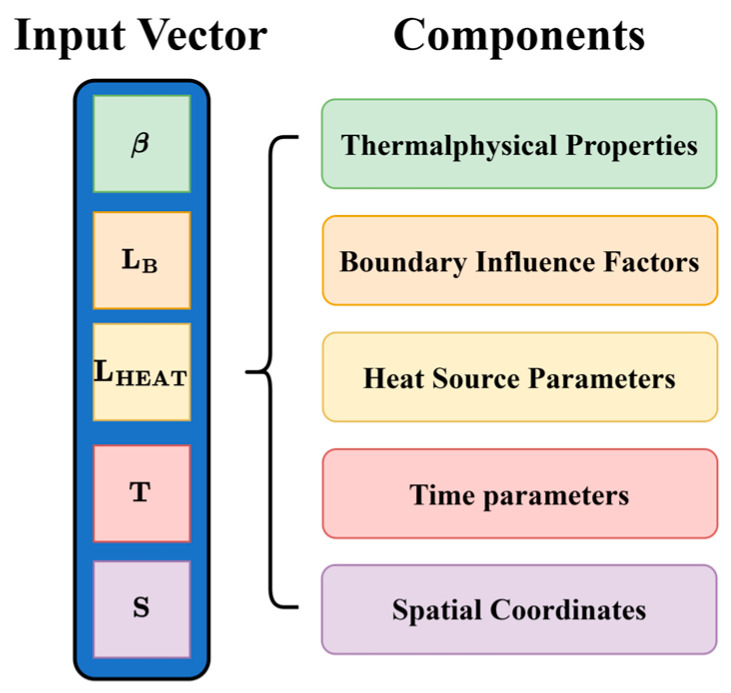 Figure 5
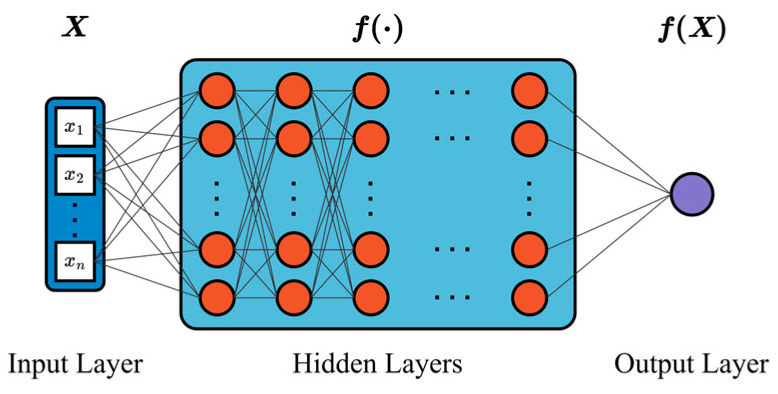 Figure 6
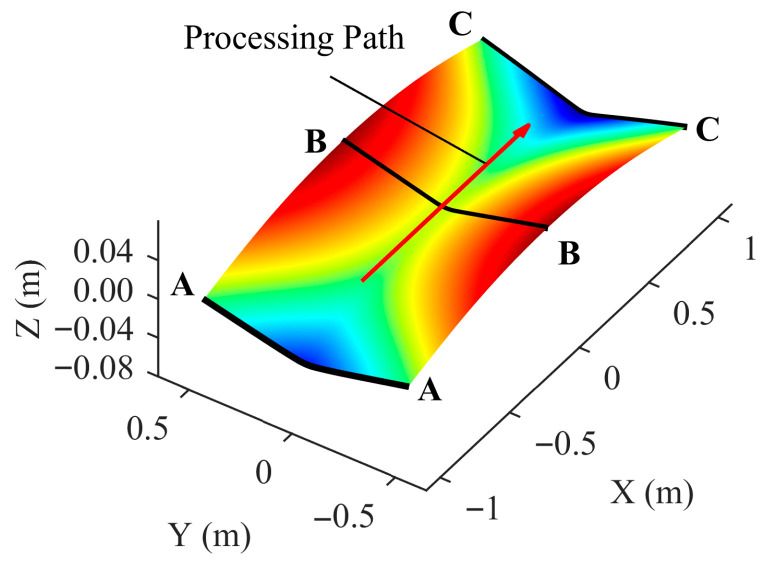 Figure 7
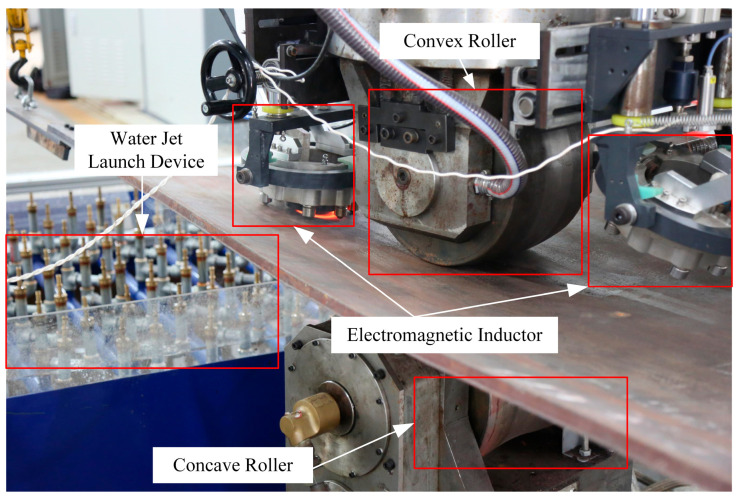 Figure 8
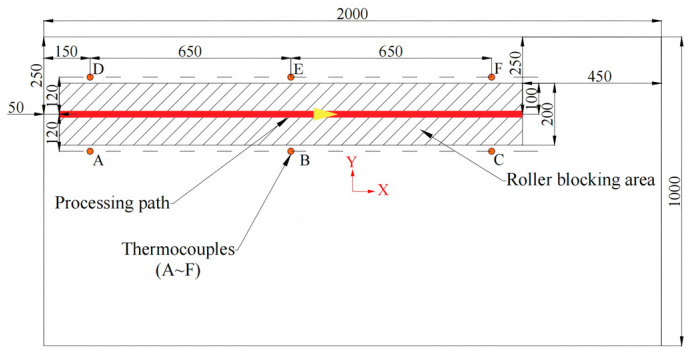 Figure 9
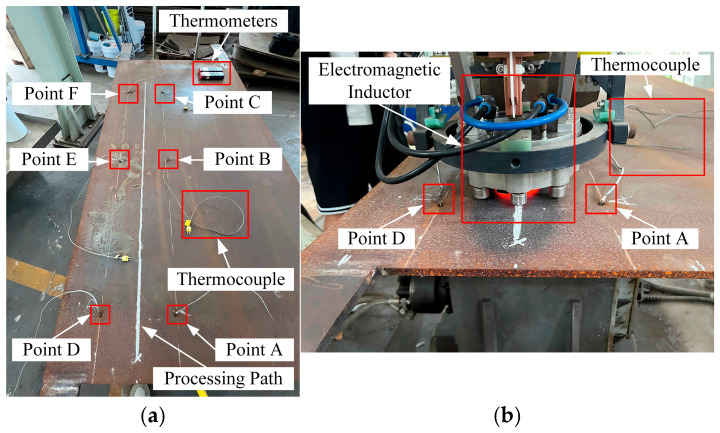 Figure 10
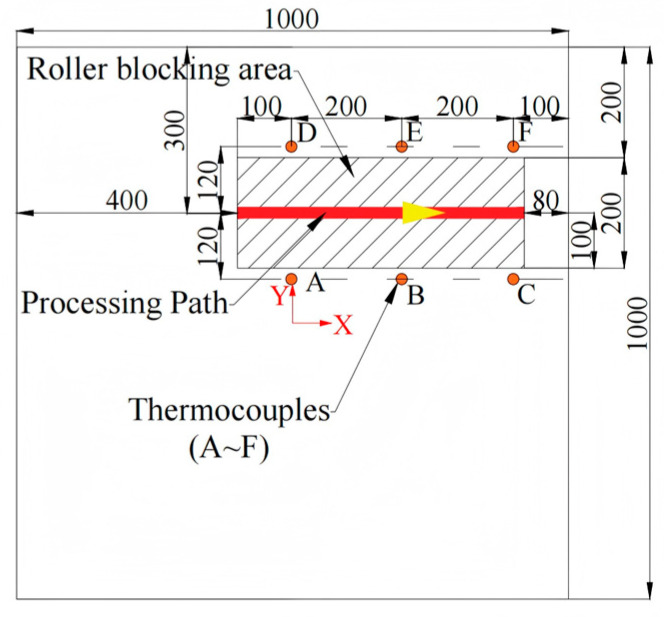 Figure 11
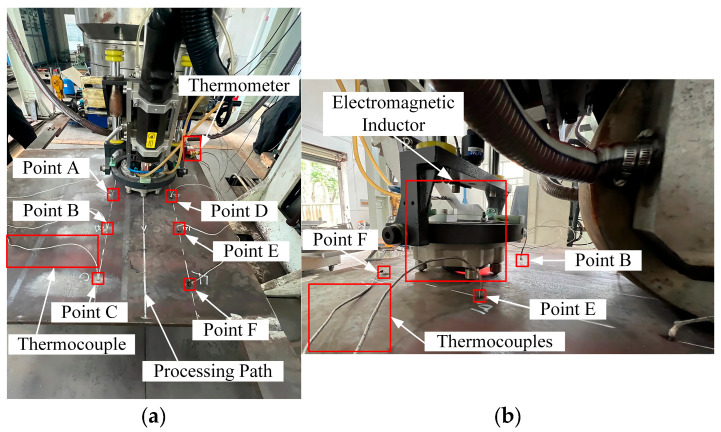 Figure 12
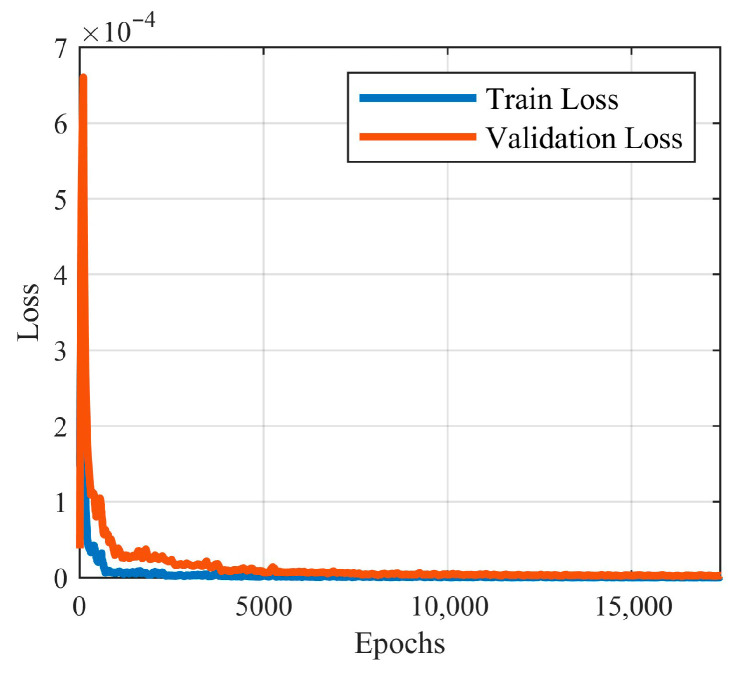 Figure 13
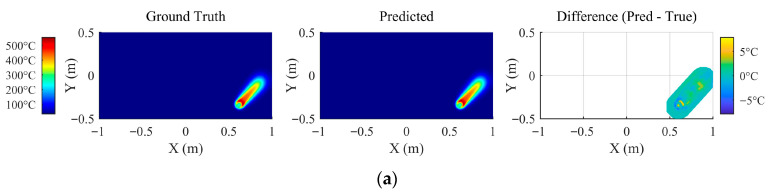 Figure 14
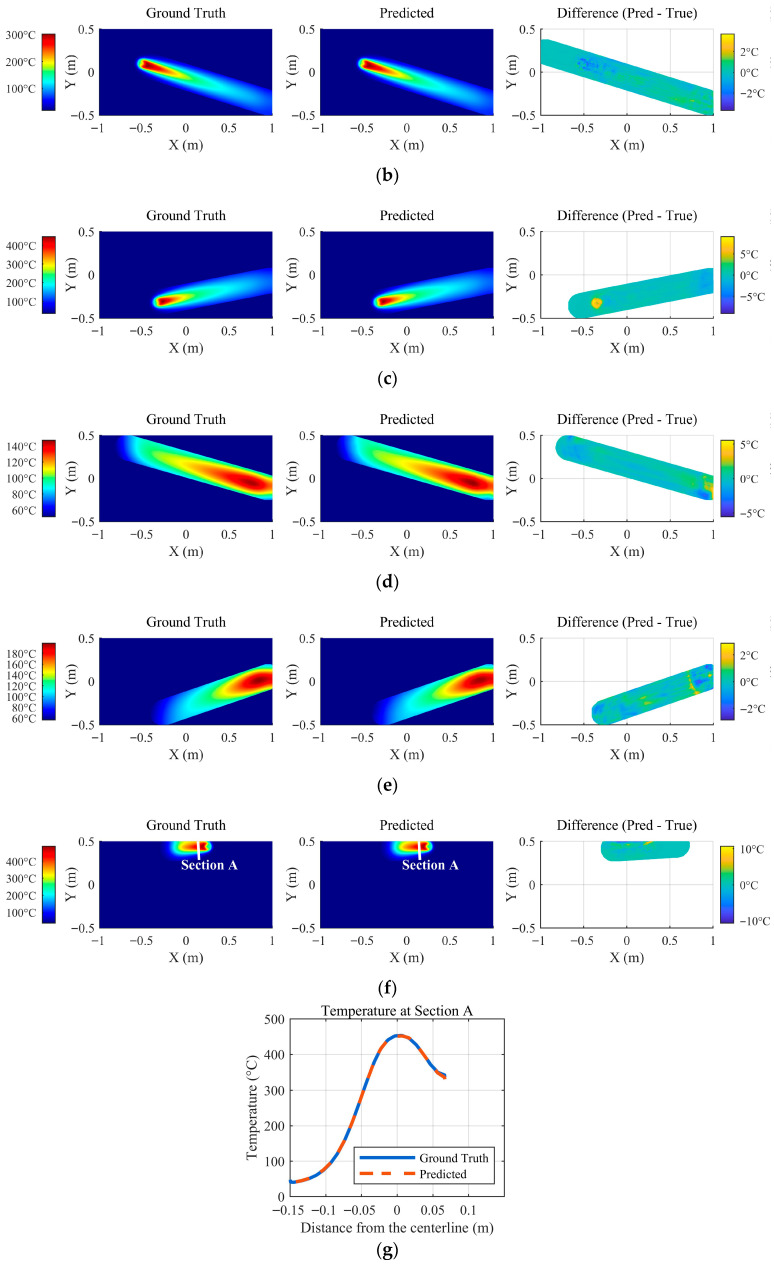 Figure 15
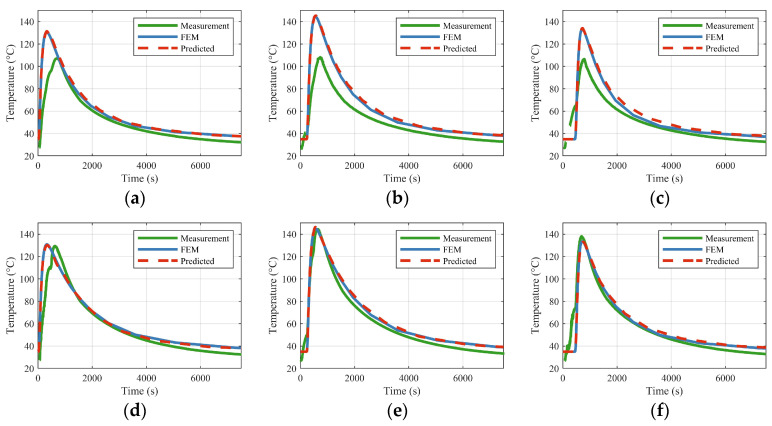 Figure 16
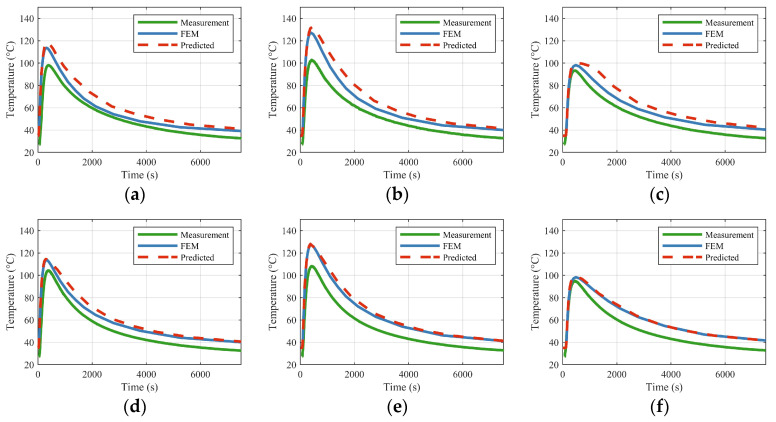 Figure 17
Peer Reviews
No public reviews on file for this paper yet. If you reviewed it on a platform where reviews are public (OpenReview, ICLR, NeurIPS, ICML), you can paste yours below so the community can read it here.
Videos
No videos yet. Explain this paper in a talk, walkthrough, or lecture? Add one.
Taxonomy
TopicsLaser and Thermal Forming Techniques · Metal Forming Simulation Techniques · Welding Techniques and Residual Stresses