Early Lung Cancer Detection via AI-Enhanced CT Image Processing Software
Joel Silos-Sánchez, Jorge A. Ruiz-Vanoye, Francisco R. Trejo-Macotela, Marco A. Márquez-Vera, Ocotlán Diaz-Parra, Josué R. Martínez-Mireles, Miguel A. Ruiz-Jaimes, Marco A. Vera-Jiménez

TL;DR
This paper presents an AI system that improves early lung cancer detection by analyzing CT scans, achieving over 90% accuracy in identifying cancerous nodules.
Contribution
The novel contribution is an AI-enhanced CT image processing system using an ensemble of machine learning algorithms for improved diagnostic accuracy.
Findings
The AI system achieved classification accuracy exceeding 90% in identifying malignant and non-malignant lung nodules.
The ensemble model outperformed individual classifiers in diagnostic accuracy and robustness.
The system enhances image visualization and preprocessing, supporting clinical decision-making in lung cancer screening.
Abstract
Background/Objectives: Lung cancer remains the leading cause of cancer-related mortality worldwide among both men and women. Early and accurate detection is essential to improve patient outcomes. This study explores the use of artificial intelligence (AI)-based software for the diagnosis of lung cancer through the analysis of medical images in DICOM format, aiming to enhance image visualization, preprocessing, and diagnostic precision in chest computed tomography (CT) scans. Methods: The proposed system processes DICOM medical images converted to standard formats (JPG or PNG) for preprocessing and analysis. An ensemble of classical machine learning algorithms—including Random Forest, Gradient Boosting, Support Vector Machine, and K-Nearest Neighbors—was implemented to classify pulmonary images and predict the likelihood of malignancy. Image normalization, denoising, segmentation, and…
Genes, proteins, chemicals, diseases, species, mutations and cell lines named across the full text — each resolved to its canonical identifier and authoritative record.
Click any figure to enlarge with its caption.
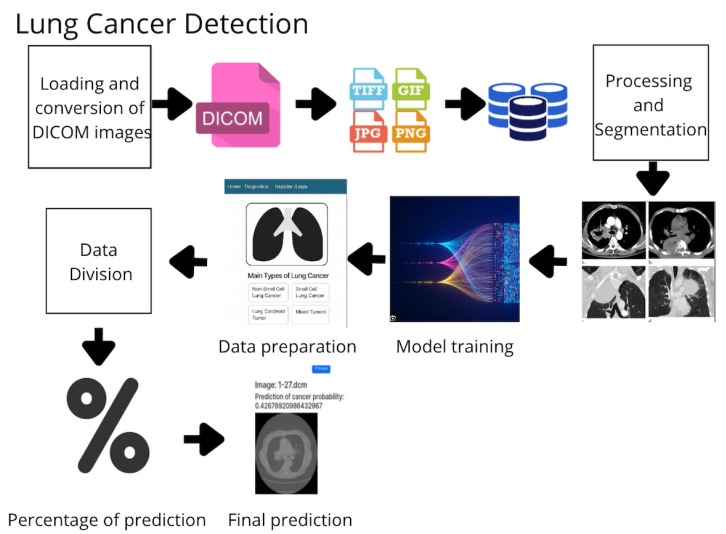 Figure 1
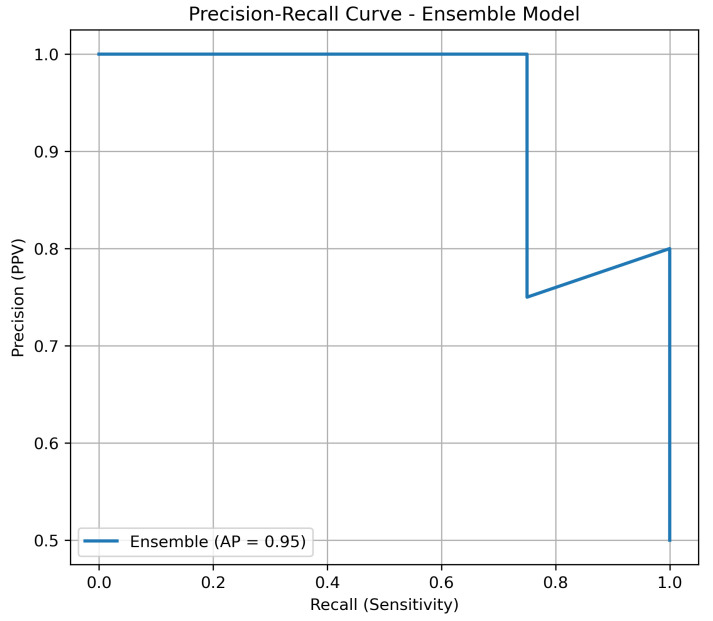 Figure 2
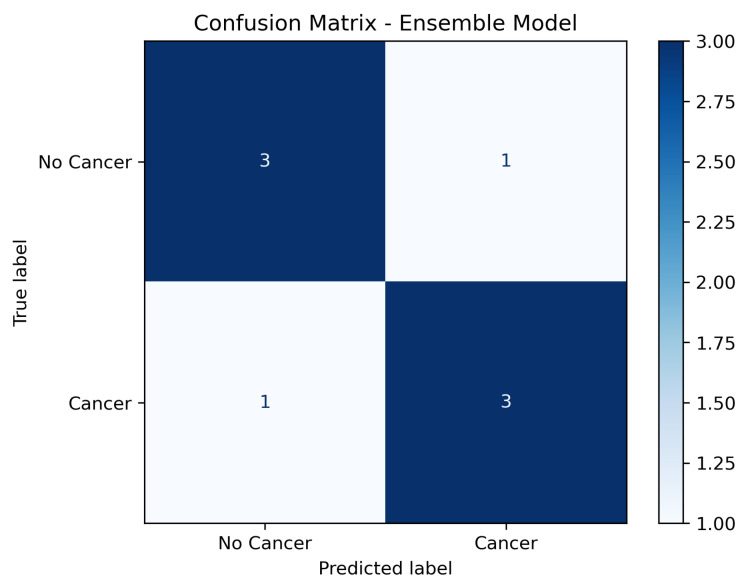 Figure 3
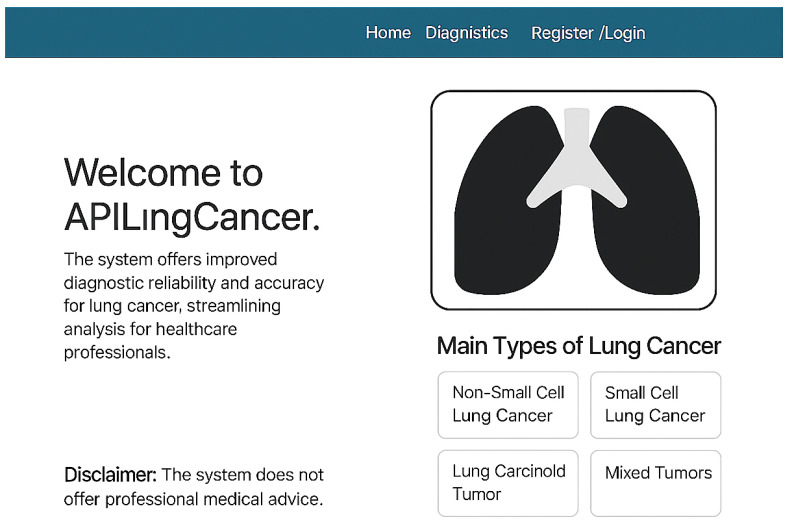 Figure 4
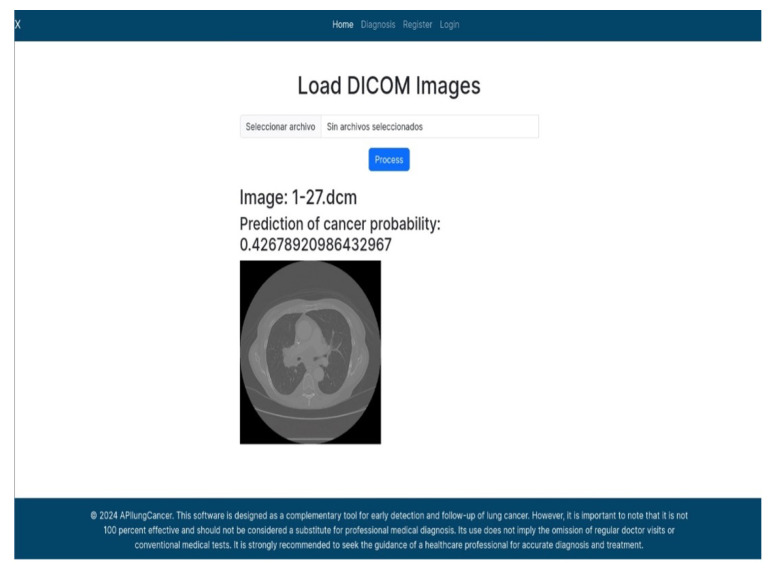 Figure 5
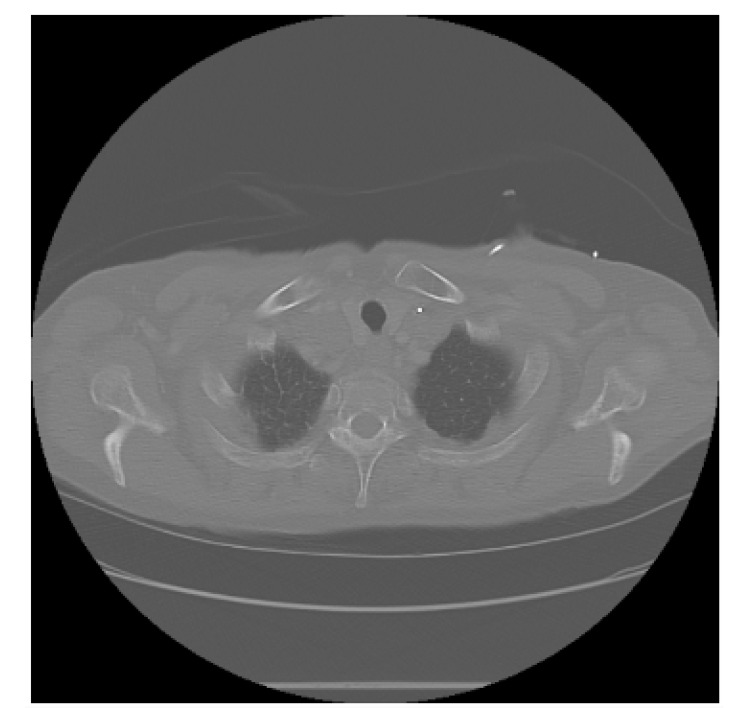 Figure 6
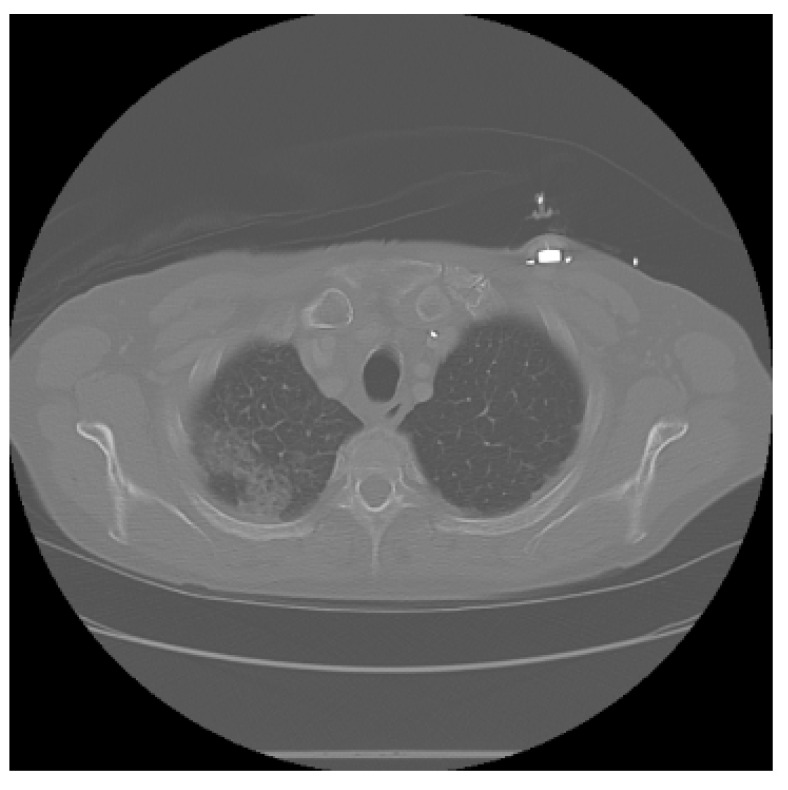 Figure 7
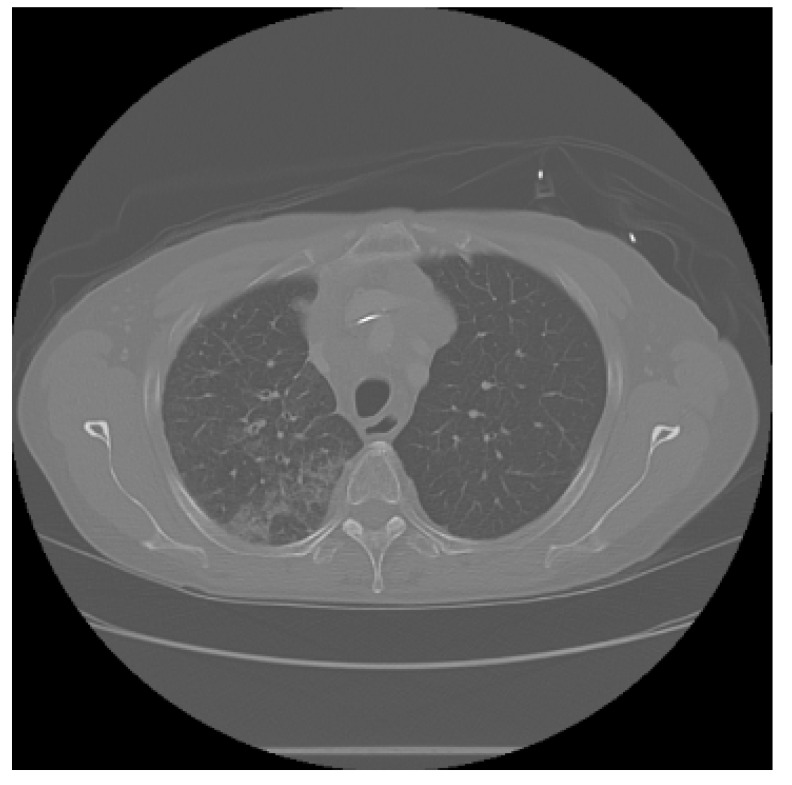 Figure 8
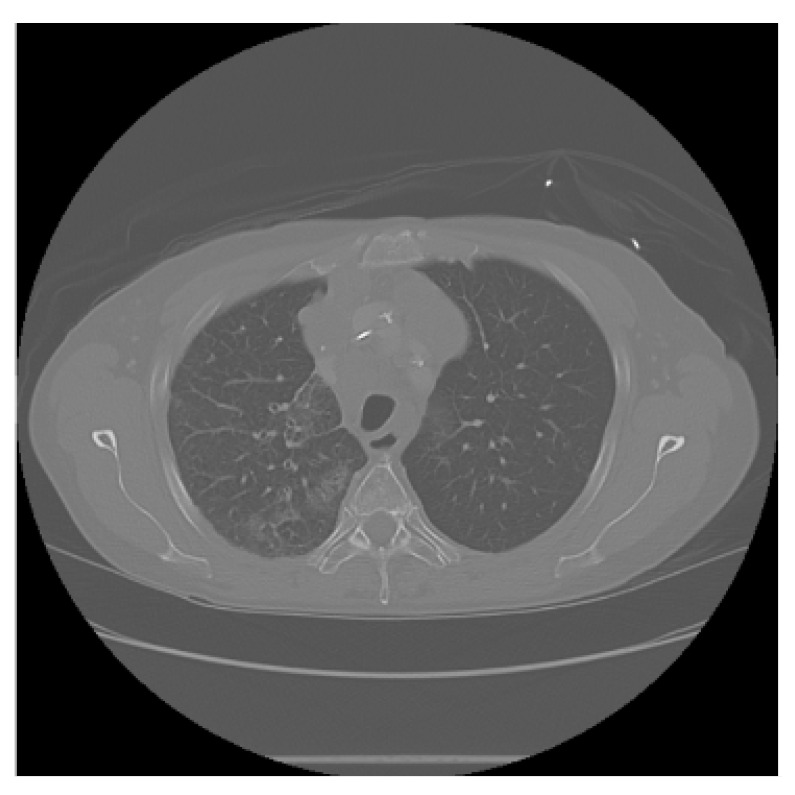 Figure 9
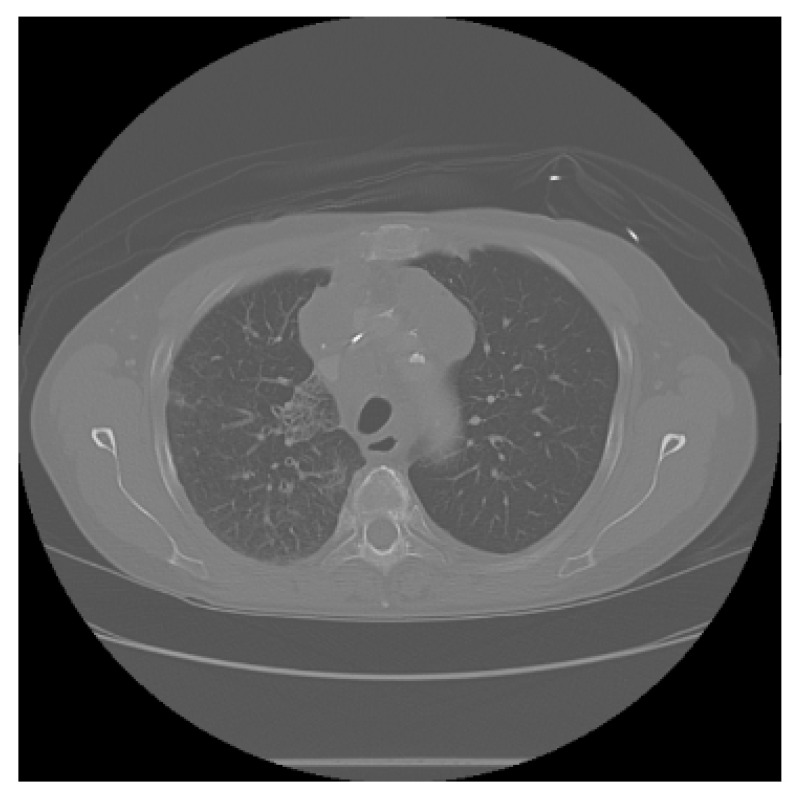 Figure 10
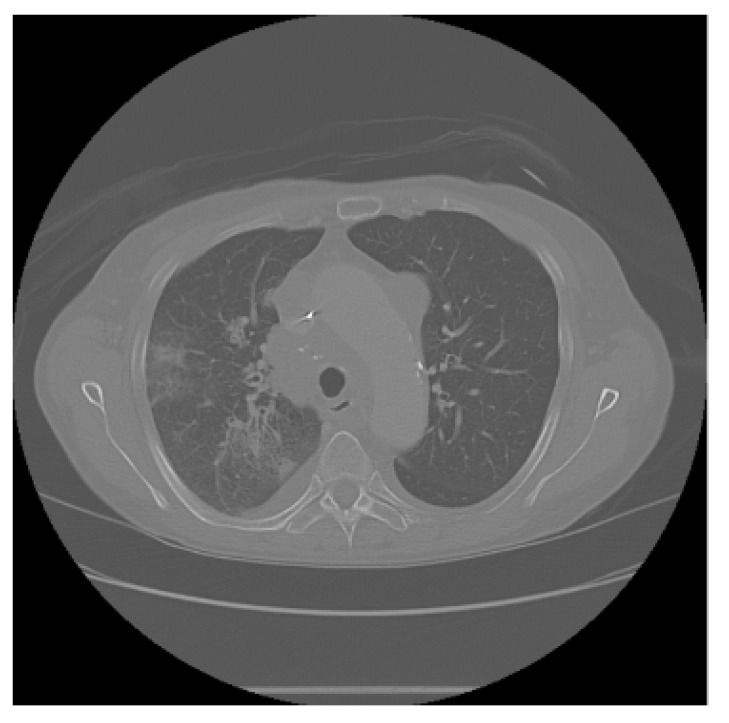 Figure 11
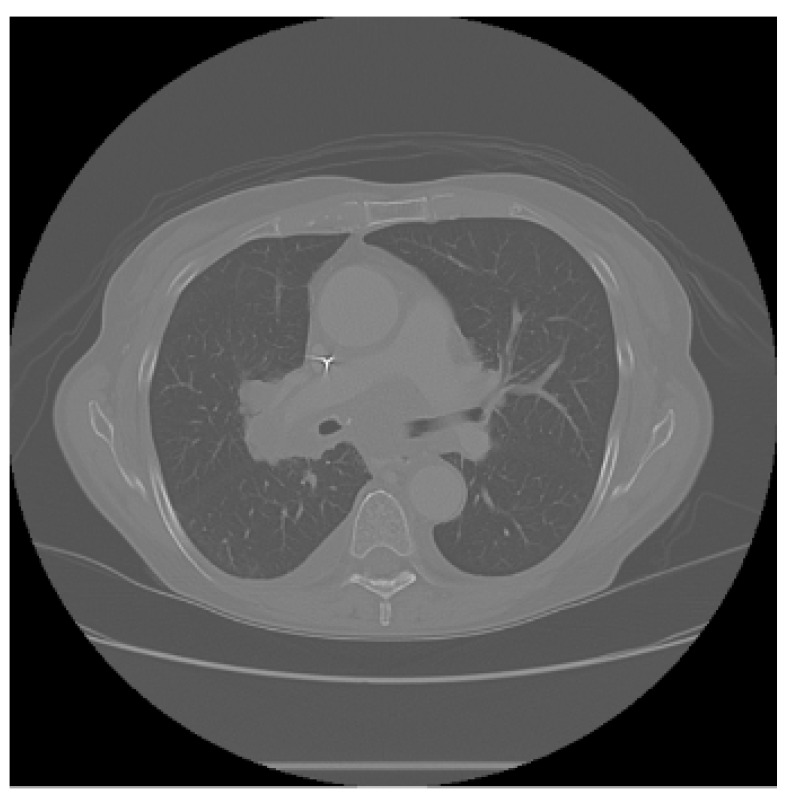 Figure 12
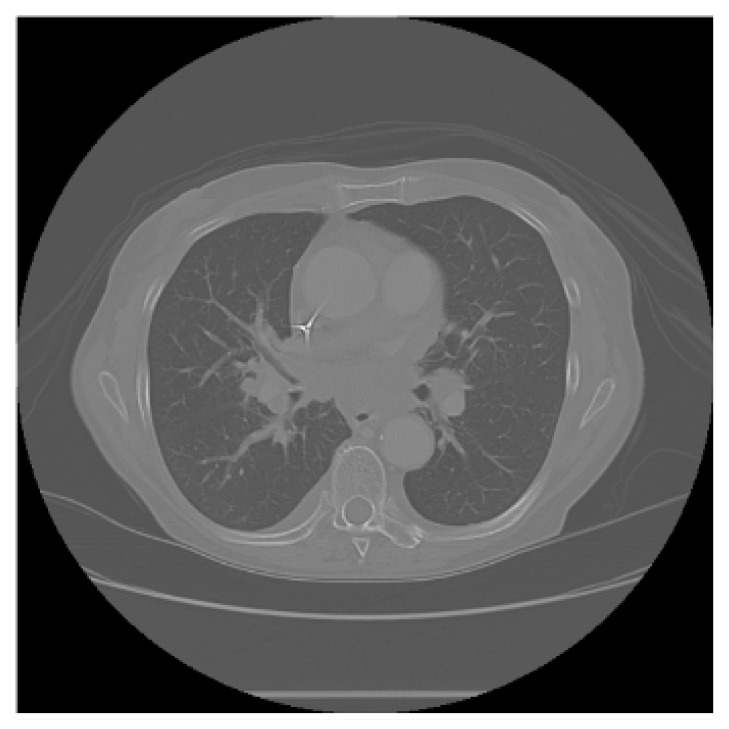 Figure 13
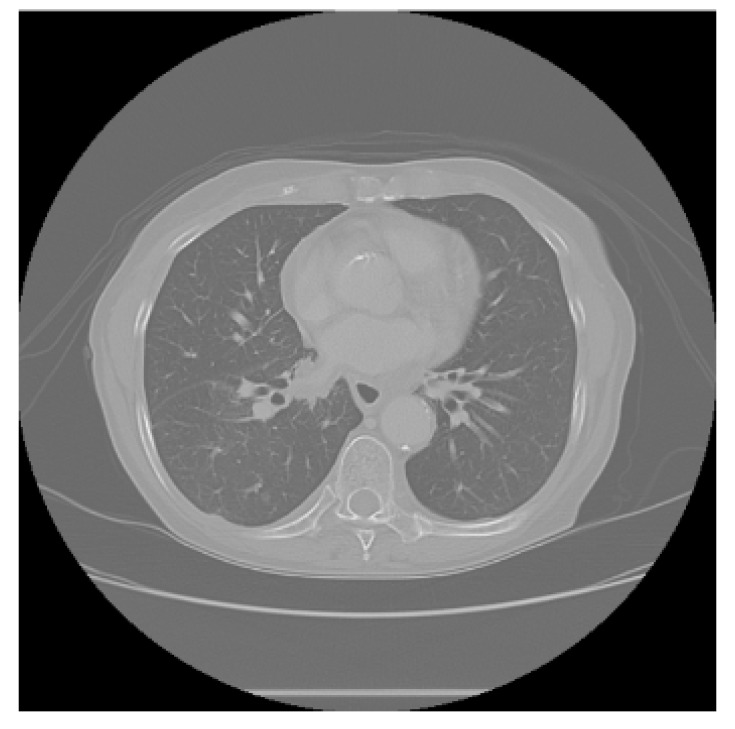 Figure 14
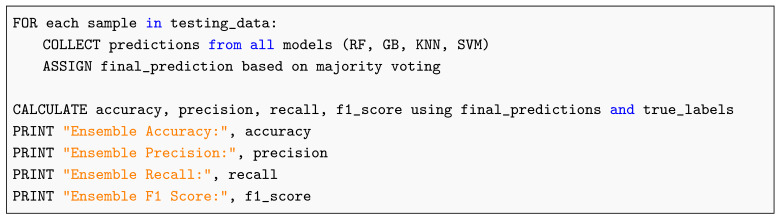 Figure 15
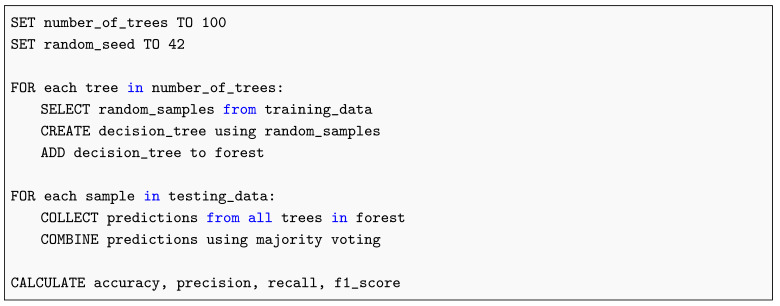 Figure 16
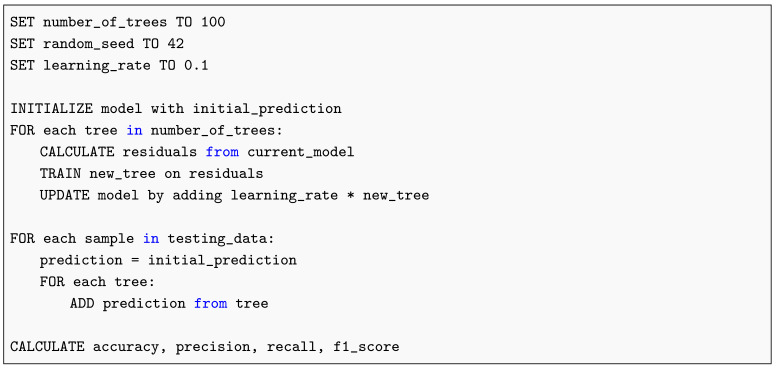 Figure 17
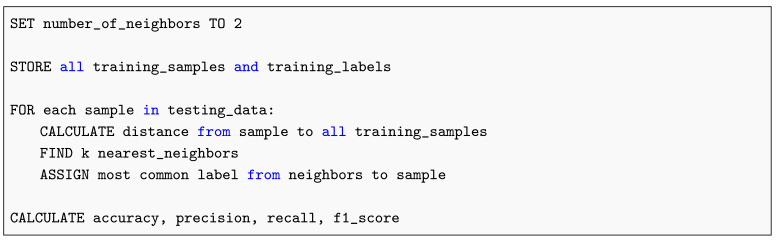 Figure 18
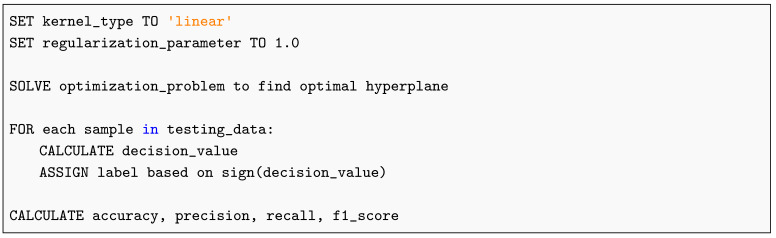 Figure 19
Peer Reviews
No public reviews on file for this paper yet. If you reviewed it on a platform where reviews are public (OpenReview, ICLR, NeurIPS, ICML), you can paste yours below so the community can read it here.
Videos
No videos yet. Explain this paper in a talk, walkthrough, or lecture? Add one.
Taxonomy
TopicsRadiomics and Machine Learning in Medical Imaging · Lung Cancer Diagnosis and Treatment · COVID-19 diagnosis using AI