Phytochemical Characterization and In Vitro Biological Activities of Macleania rupestris (Ericaceae): Insights into Nutraceutical Potential
Arianna Mayorga-Ramos, Rebeca Gonzalez-Pastor, Juan A. Puente-Pineda, Carlos Barba-Ostria, Eduardo Tejera, Diana Celi, Patricio Rojas-Silva, Ana Belén Peñaherrera-Pazmiño, Linda P. Guamán

TL;DR
This study explores the chemical makeup and health benefits of Macleania rupestris, a neotropical berry, finding it has potential for nutraceutical use due to its biocompatibility and antioxidant properties.
Contribution
The first comprehensive phytochemical and biological evaluation of Macleania rupestris, revealing its nutraceutical potential and biocompatibility.
Findings
M. rupestris contains anthocyanins, flavonols, and coumaroyl iridoids with antioxidant properties.
The extract showed low antiproliferative activity and high hemocompatibility in vitro.
Anti-inflammatory effects were observed, but no significant leishmanicidal activity was detected.
Abstract
The Ericaceae family encompasses several berries with recognized health-promoting properties; however, Macleania rupestris, a neotropical species endemic to the Andean region, remains poorly characterized. Background/Objectives: This study aimed to identify the chemical composition of M. rupestris ethanolic extracts and evaluate their biological activities, including antitumoral, hemolytic, anti-inflammatory, and leishmanicidal effects. Methods: The M. rupestris ethanolic extracts were obtained from lyophilized fruits and analyzed by HPLC-MS/MS for phytochemical profiling. Bioactivities were assessed in vitro using tumor and non-tumor cell lines (MTT assay), erythrocyte hemolysis assays, RAW 264.7 macrophage inflammation models, and Leishmania mexicana promastigotes. Results: The chemical analysis revealed anthocyanins (cyanidin-3-glucoside, malvidin-3-glucoside, petunidin-3-glucoside,…
Genes, proteins, chemicals, diseases, species, mutations and cell lines named across the full text — each resolved to its canonical identifier and authoritative record.
Click any figure to enlarge with its caption.
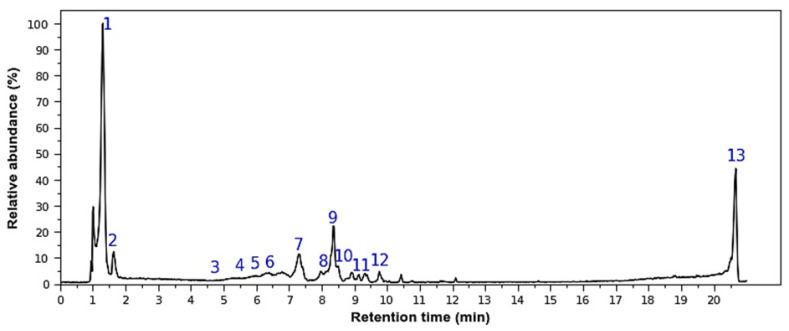 Figure 1
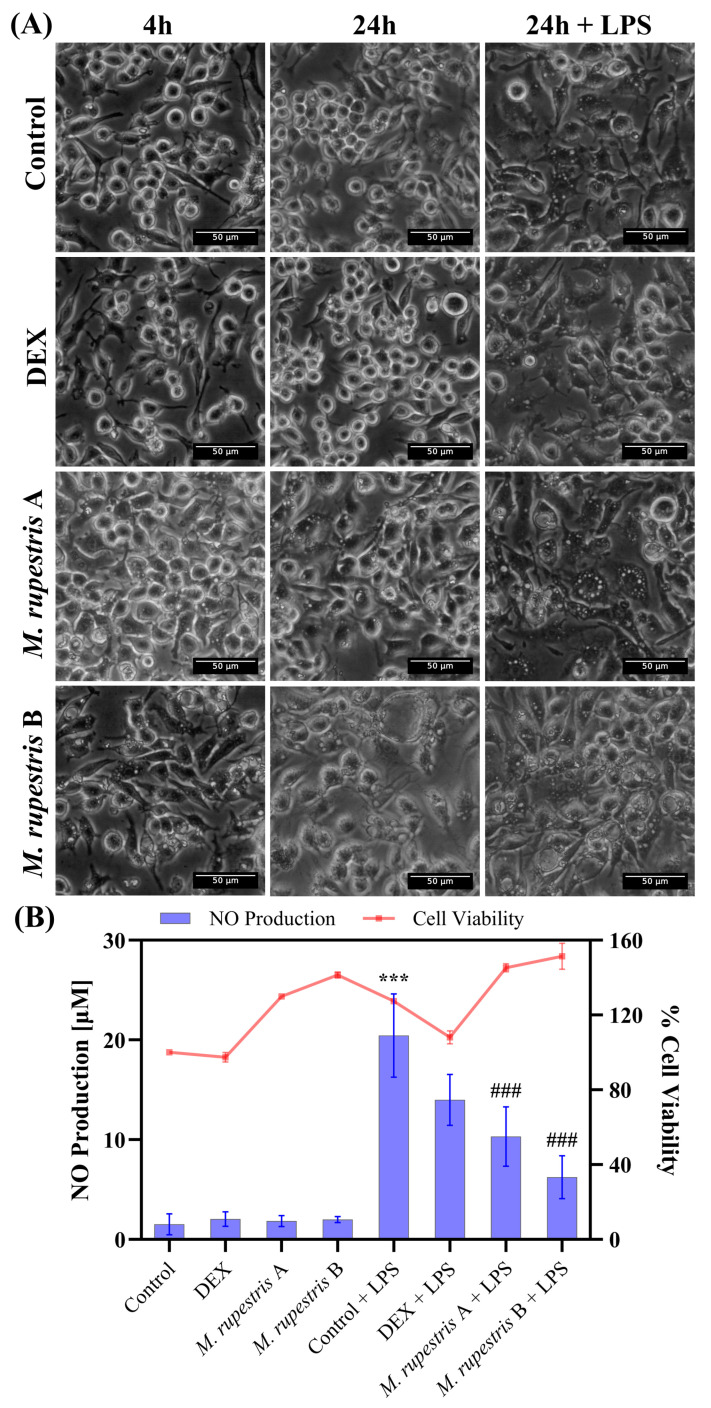 Figure 2
Peer Reviews
No public reviews on file for this paper yet. If you reviewed it on a platform where reviews are public (OpenReview, ICLR, NeurIPS, ICML), you can paste yours below so the community can read it here.
Videos
No videos yet. Explain this paper in a talk, walkthrough, or lecture? Add one.
Taxonomy
TopicsPlant-Derived Bioactive Compounds · Natural product bioactivities and synthesis · Natural Compound Pharmacology Studies