Hydrophobic Modification of Thermoplastic Polyurethane for Application in Waterproof and Moisture-Permeable Membranes
Weizhu An, Ruihan Ma, Shujuan Zhang, Mingyue Wu, Chenglong Wang, Jinhuan Zheng

TL;DR
This paper modifies thermoplastic polyurethane films to make them more water-resistant while maintaining moisture permeability, improving their performance in textiles.
Contribution
The novel contribution is the hydrophobic modification of TPU using PDMS, which significantly reduces water absorption and improves waterproof properties.
Findings
PDMS modification reduced TPU surface energy by 10.56 mJ/m² and increased water contact angle to 105°.
The modified TPU showed a significantly lower water absorption rate compared to unmodified TPU.
The resulting microporous membrane achieved high moisture permeability of 8651.34 g/(m²·24 h).
Abstract
Conventional thermoplastic polyurethane (TPU) films are commonly used in the field of waterproof and moisture-permeable textiles because of their excellent mechanical properties and flexibility. However, the high water absorption of TPU films limits their application in sophisticated waterproof and moisture-permeable products, particularly in extremely humid environments, where it may compromise the waterproof performance of textiles and negatively affect the wearing comfort. Therefore, to enhance the durability of these films, TPU was hydrophobically modified with end-hydroxy polydimethylsiloxane (PDMS). Because of its unique low-surface-energy properties and excellent hydrophobicity, PDMS substantially reduces the surface energy of the films and provides them with excellent water repellency, effectively addressing the excessive water absorption issue of TPU films. On this basis, a…
Genes, proteins, chemicals, diseases, species, mutations and cell lines named across the full text — each resolved to its canonical identifier and authoritative record.
Click any figure to enlarge with its caption.
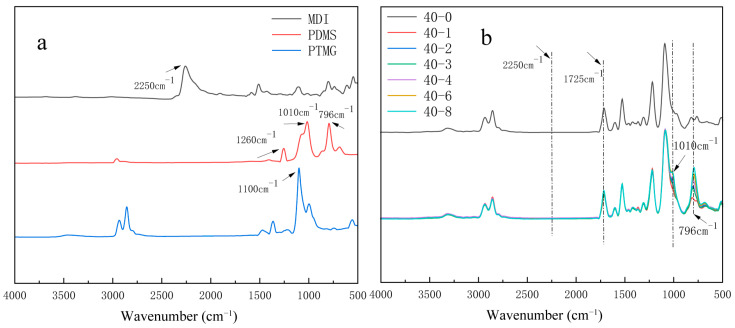 Figure 1
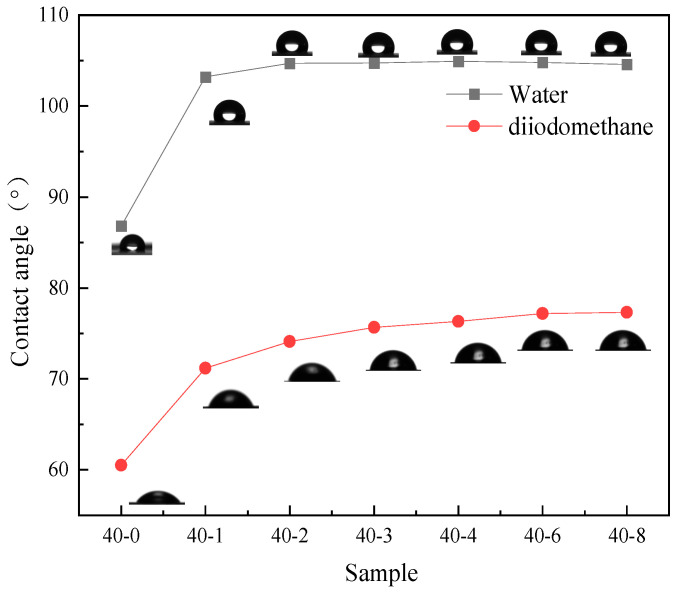 Figure 2
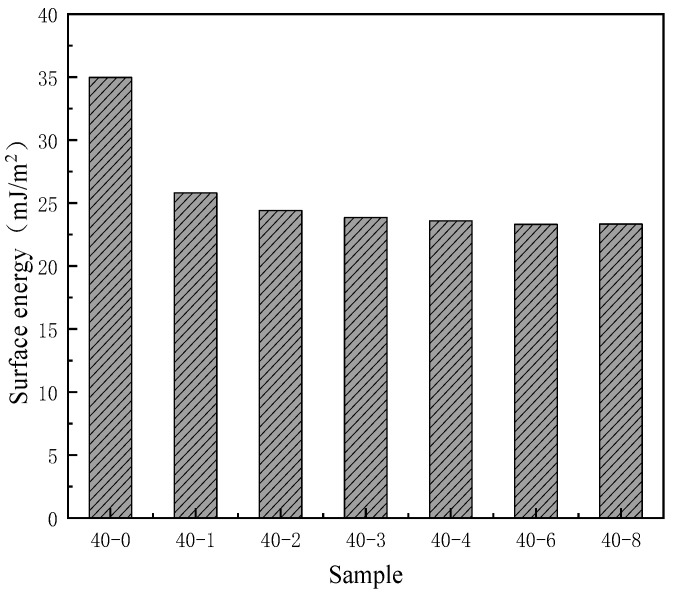 Figure 3
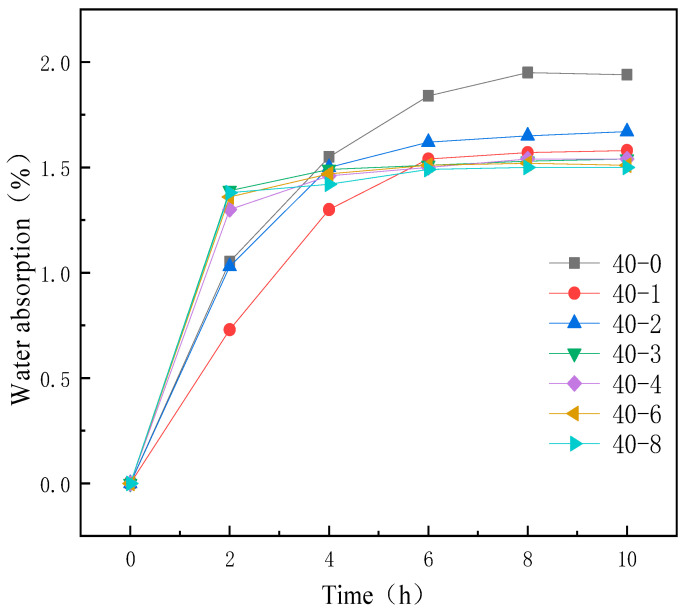 Figure 4
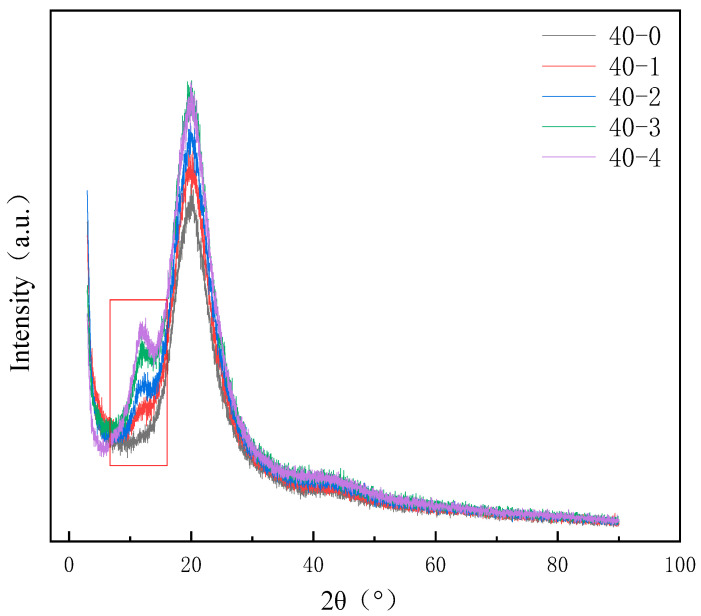 Figure 5
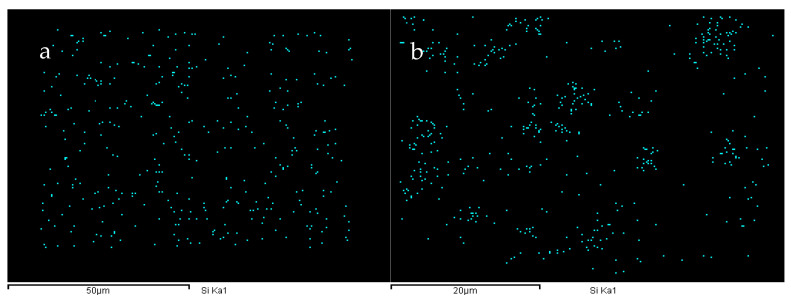 Figure 6
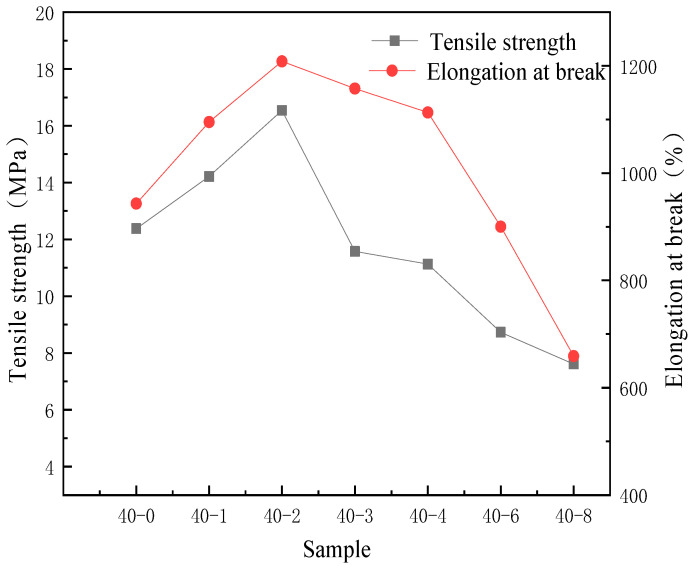 Figure 7
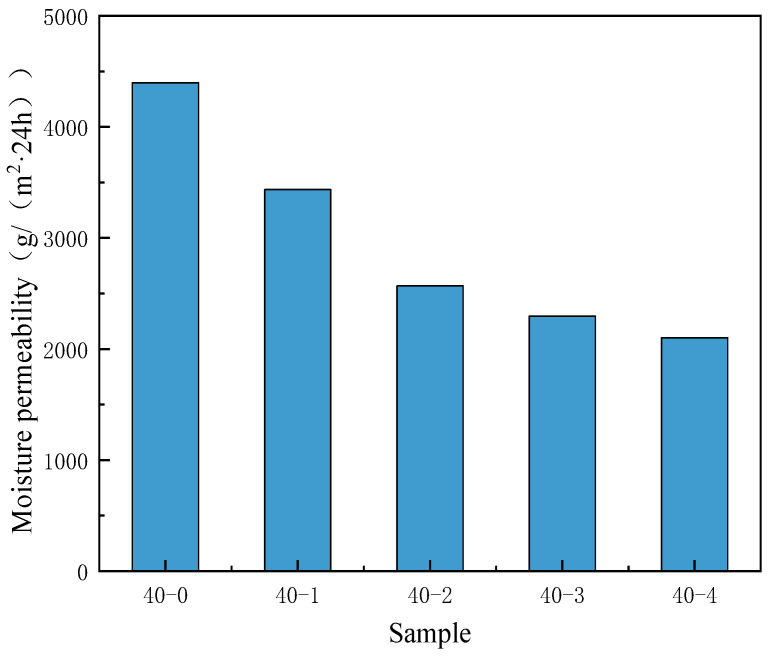 Figure 8
 Figure 9
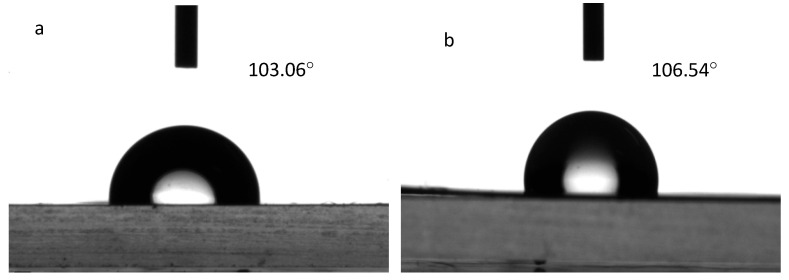 Figure 10
Peer Reviews
No public reviews on file for this paper yet. If you reviewed it on a platform where reviews are public (OpenReview, ICLR, NeurIPS, ICML), you can paste yours below so the community can read it here.
Videos
No videos yet. Explain this paper in a talk, walkthrough, or lecture? Add one.
Taxonomy
TopicsPolymer composites and self-healing · Surface Modification and Superhydrophobicity · Advanced Sensor and Energy Harvesting Materials