ADAM10 Knockout from Human Glioblastoma and Colon Cancer Cells Modulates Diverse Signalling Networks and Inhibits Tumour Growth In Vivo
Hengkang Yan, Sakshi Arora, Linda Hii, Carmen Llerena, Mary E. Vail, Amr Allam, James R. W. Conway, Joel R. Steele, Han-Chung Lee, Ralf B. Schittenhelm, Andrew M. Scott, Peter W. Janes

TL;DR
Removing ADAM10 in cancer cells disrupts multiple signaling pathways and slows tumor growth in mice, suggesting ADAM10 is important for tumor development.
Contribution
This study reveals ADAM10's role in modulating diverse signaling networks and tumor microenvironment processes in glioblastoma and colon cancer.
Findings
ADAM10 knockout in cancer cells reduced shedding of proteins like Notch and Eph, affecting cell signaling and adhesion.
Tumor growth was significantly delayed in vivo, with minimal effects on cell proliferation in vitro.
ADAM10 KO led to decreased collagen fibrils and blood vessels in tumors, along with increased chondrocyte differentiation.
Abstract
ADAM10 is a transmembrane metalloprotease that regulates diverse signalling functions via the shedding of membrane protein ectodomains, and is implicated in tumour development, including glioblastoma multiforme (GBM) and gastrointestinal (GI) cancers, where high ADAM10 expression is associated with poor prognosis. We assessed the role of ADAM10 by gene knockout (KO) in U251 GBM cells, and its effects on protein shedding and protein expression on cell proliferation and on the growth of tumour xenografts in mice. The growth of tumours was severely delayed, relative to modest effects on proliferation in vitro, suggesting roles particularly in the context of the tumour microenvironment (TME). Proteomics analysis of KO cell-conditioned medium showed decreased levels of known ADAM10 targets such as Notch and Eph receptors and ligands, as well as other proteins involved in cell–cell adhesion,…
Genes, proteins, chemicals, diseases, species, mutations and cell lines named across the full text — each resolved to its canonical identifier and authoritative record.
Click any figure to enlarge with its caption.
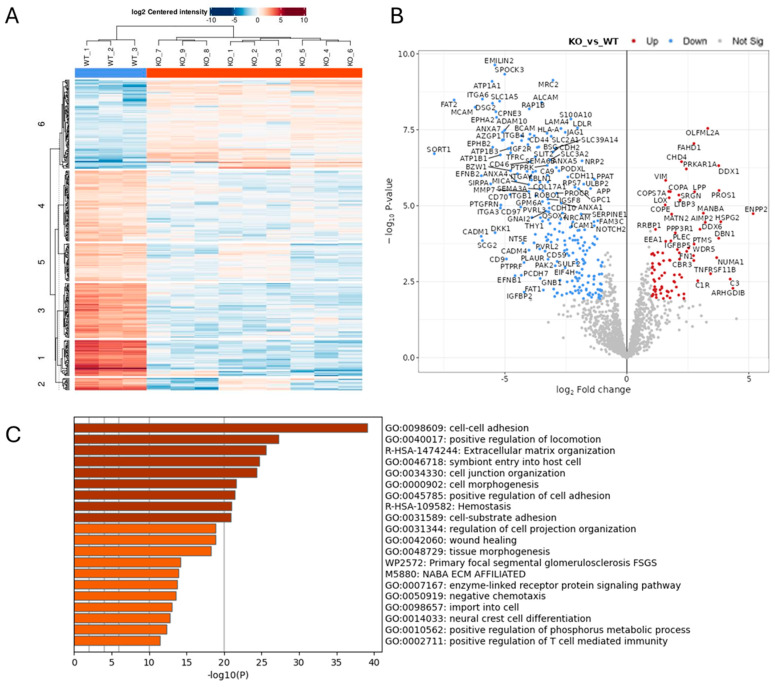 Figure 1
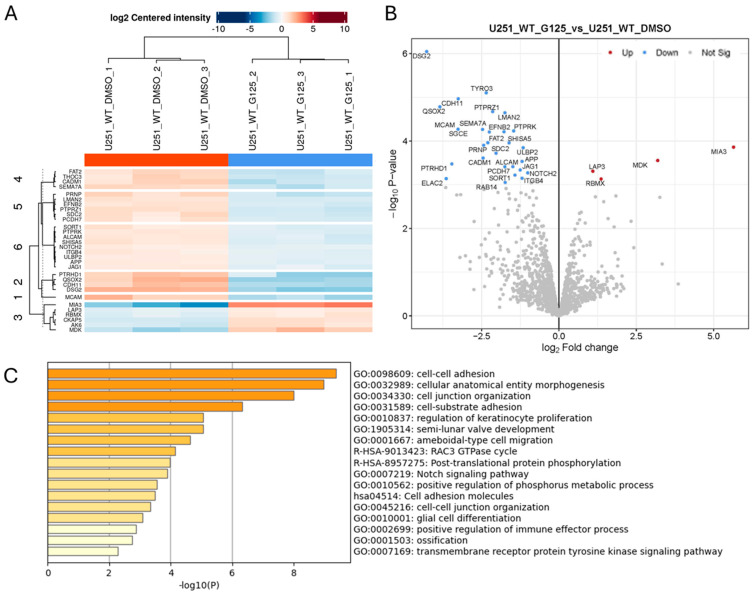 Figure 2
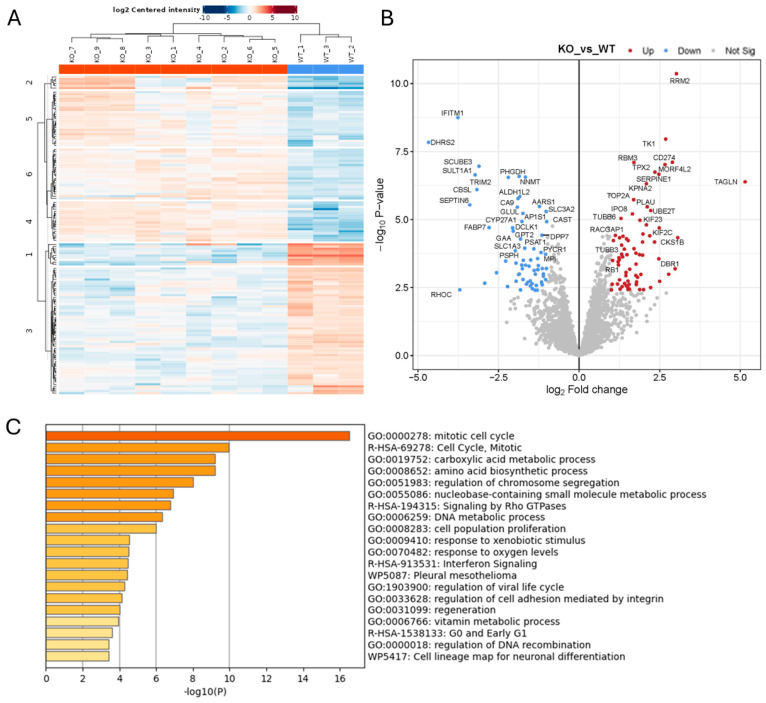 Figure 3
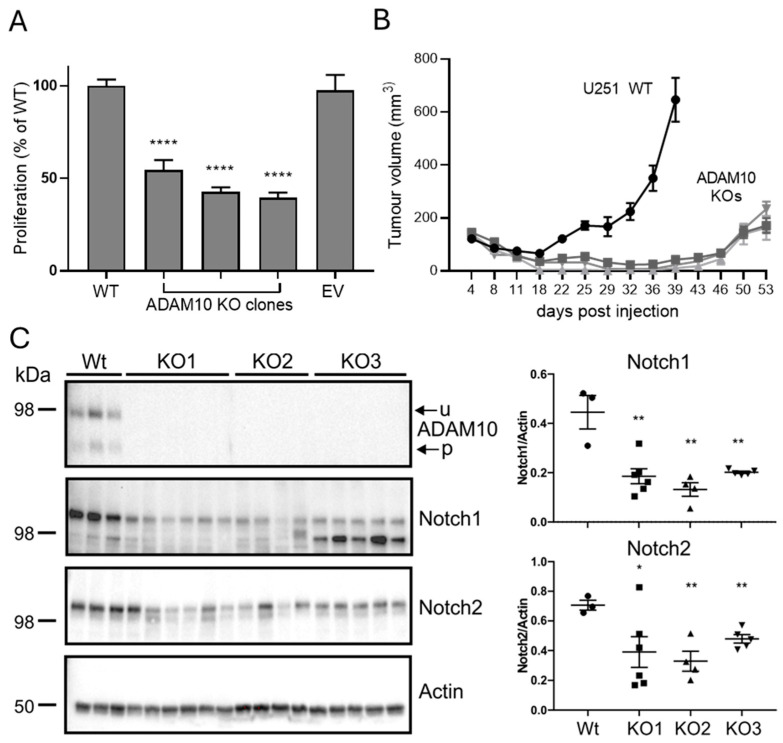 Figure 4
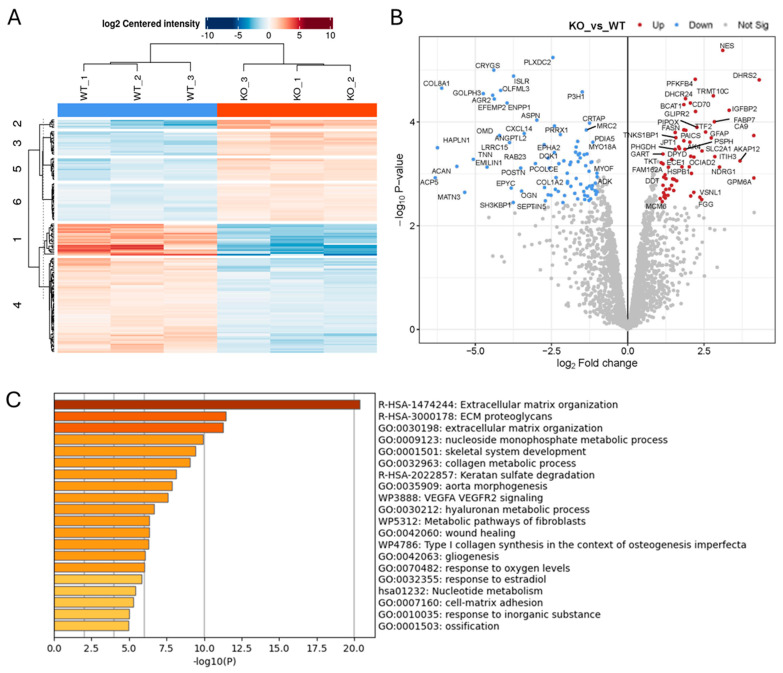 Figure 5
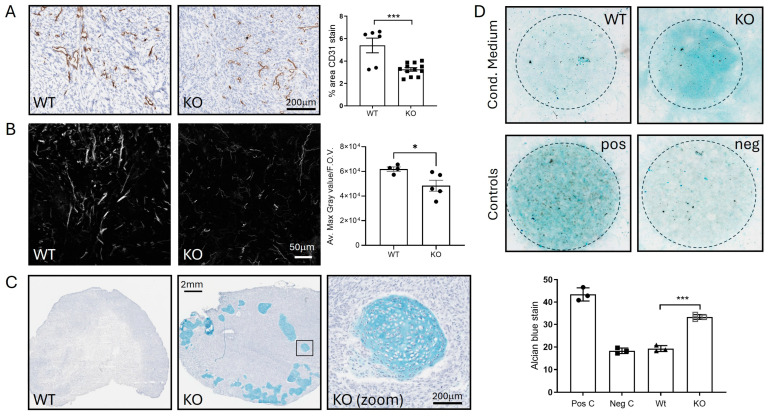 Figure 6
Peer Reviews
No public reviews on file for this paper yet. If you reviewed it on a platform where reviews are public (OpenReview, ICLR, NeurIPS, ICML), you can paste yours below so the community can read it here.
Videos
No videos yet. Explain this paper in a talk, walkthrough, or lecture? Add one.
Taxonomy
TopicsHER2/EGFR in Cancer Research · TGF-β signaling in diseases · Wnt/β-catenin signaling in development and cancer