Upadacitinib’s Effectiveness and Safety as a Second- or Third-Line Therapy in Patients with Ulcerative Colitis: Data from a Real-World Study
Giammarco Mocci, Antonio Tursi, Franco Scaldaferri, Daniele Napolitano, Daniela Pugliese, Giovanni Maconi, Giovanni Cataletti, Roberta Pica, Claudio Cassieri, Edoardo Vincenzo Savarino, Caterina De Barba, Francesco Costa, Linda Ceccarelli, Manuela Marzo, Walter Elisei

TL;DR
This study shows that upadacitinib is effective and safe for treating ulcerative colitis in real-world patients.
Contribution
The study provides the first Italian real-world data on upadacitinib's effectiveness and safety in ulcerative colitis patients.
Findings
Clinical remission and response rates were 45.5% and 63.5% at 8 weeks, increasing to 60.2% and 81.7% at follow-up.
Mucosal healing was achieved in 84.6% of patients at the median follow-up time.
Adverse events occurred in 2.5% of patients, and 2% required colectomy.
Abstract
Background: Upadacitinib (UPA), a selective anti-JAK1 agent, obtained refundability from the Italian National Health System in July 2023 for its use in patients with ulcerative colitis (UC) refractory to other therapies, including anti-TNF-α, anti-integrins, and ustekinumab. At present, no Italian data are available about its effectiveness and safety in the real world. Methods: A retrospective assessment of clinical and endoscopic activity was performed according to the Mayo score. The primary endpoints were to evaluate the effectiveness and safety of UPA. Results: We included 202 consecutive UC patients (M/F 119/83, median age 42). The clinical remission and clinical response rates were 45.5% (92/202) and 63.5% (128/202), respectively, at 8 weeks and 60.2% and 81.7%, respectively, at the end of the follow-up. Clinical remission was achieved more frequently when UPA was used as a…
Genes, proteins, chemicals, diseases, species, mutations and cell lines named across the full text — each resolved to its canonical identifier and authoritative record.
Click any figure to enlarge with its caption.
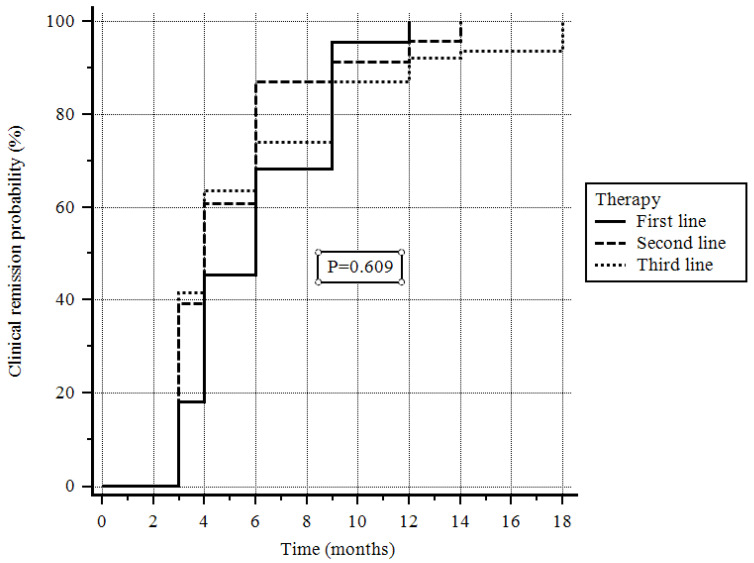 Figure 1
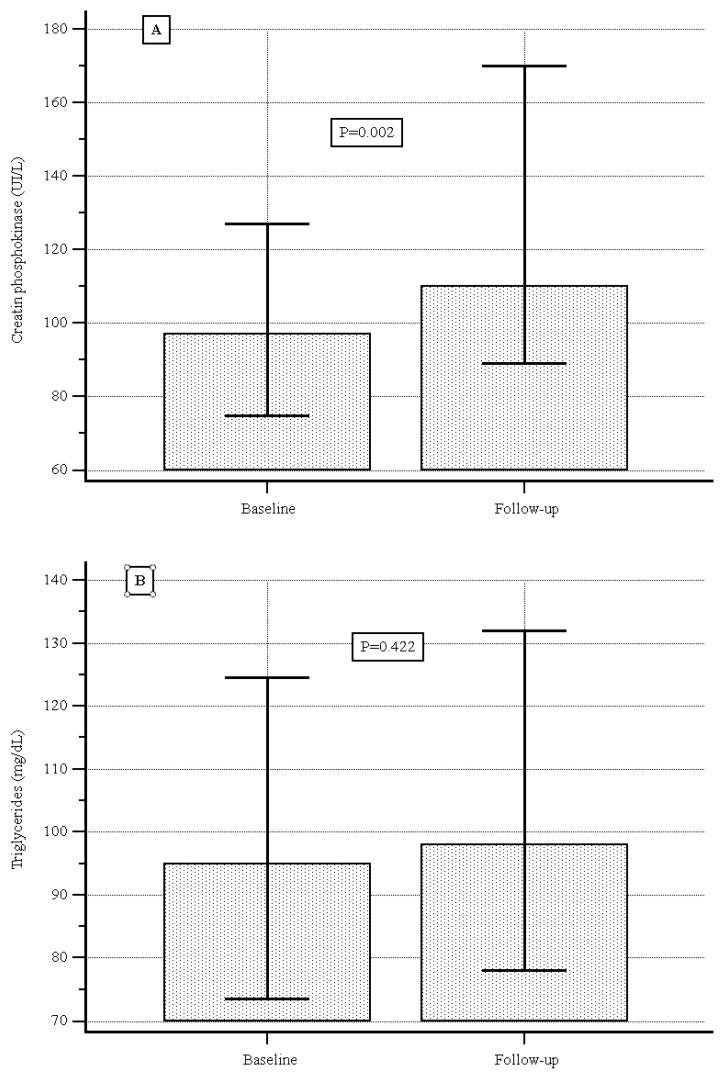 Figure 2
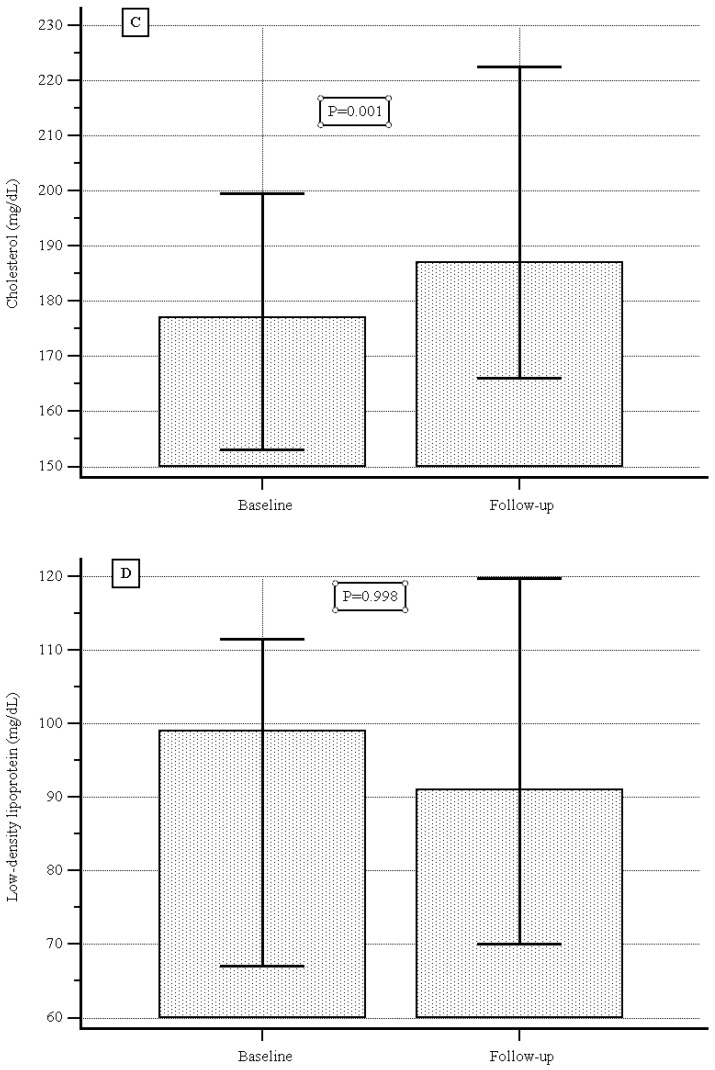 Figure 3
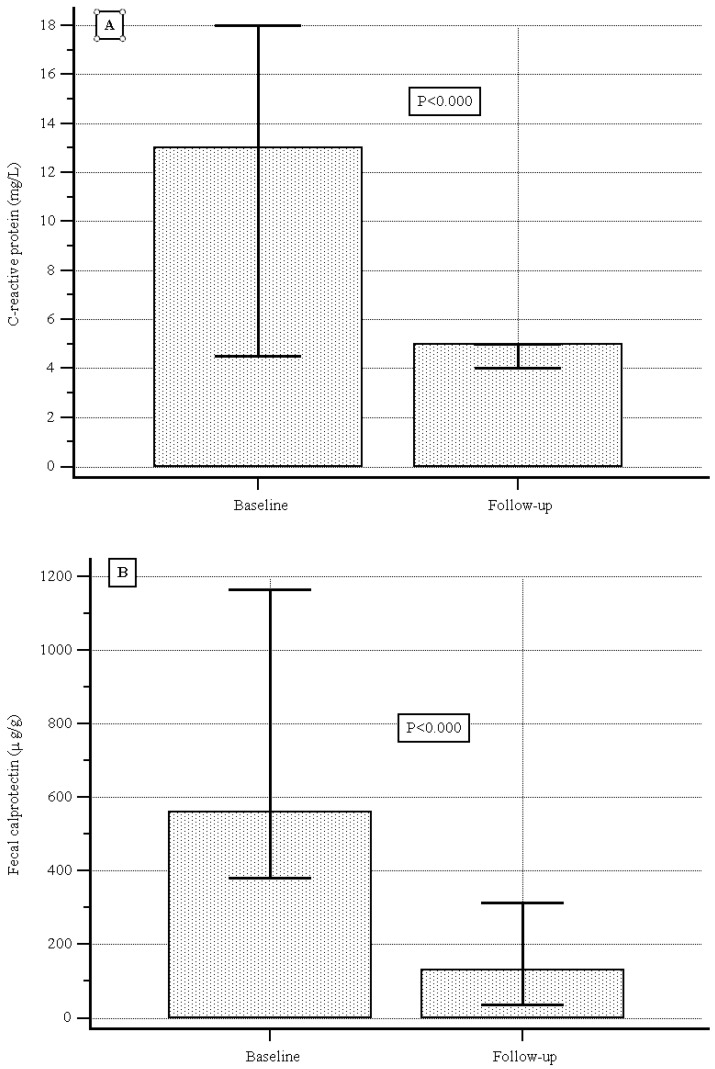 Figure 4
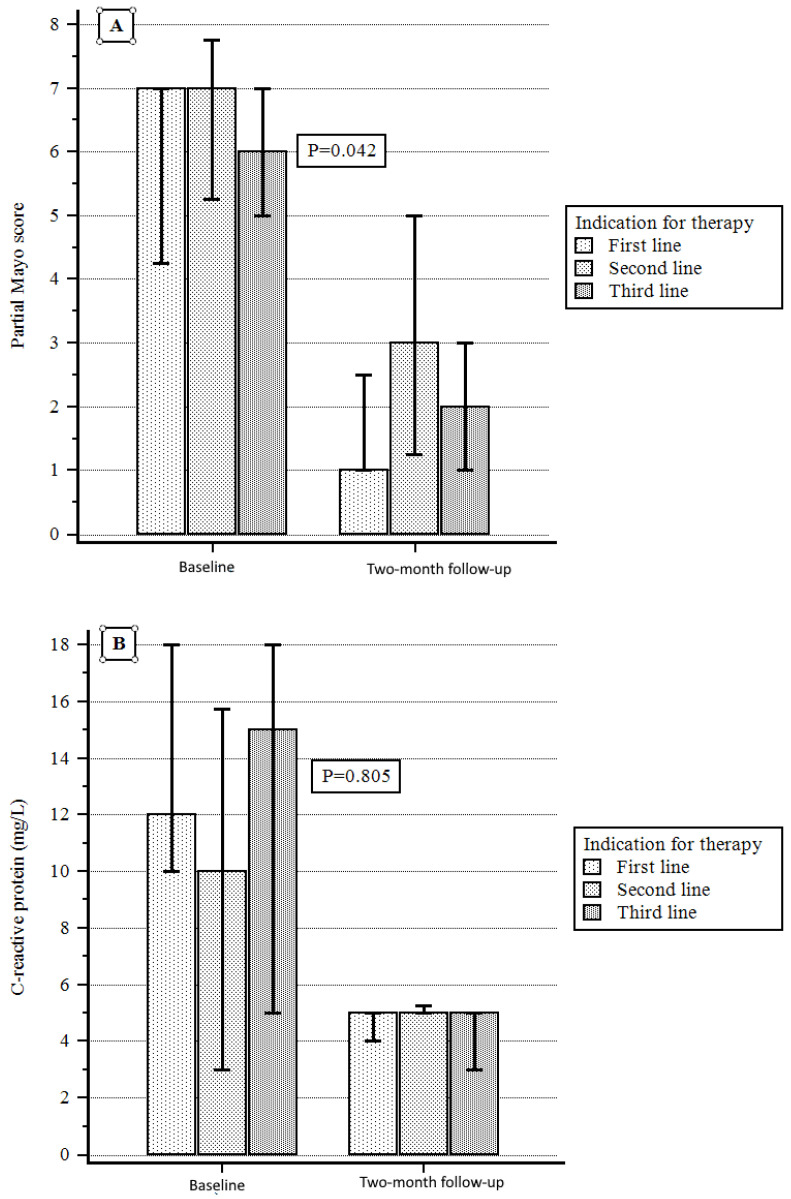 Figure 5
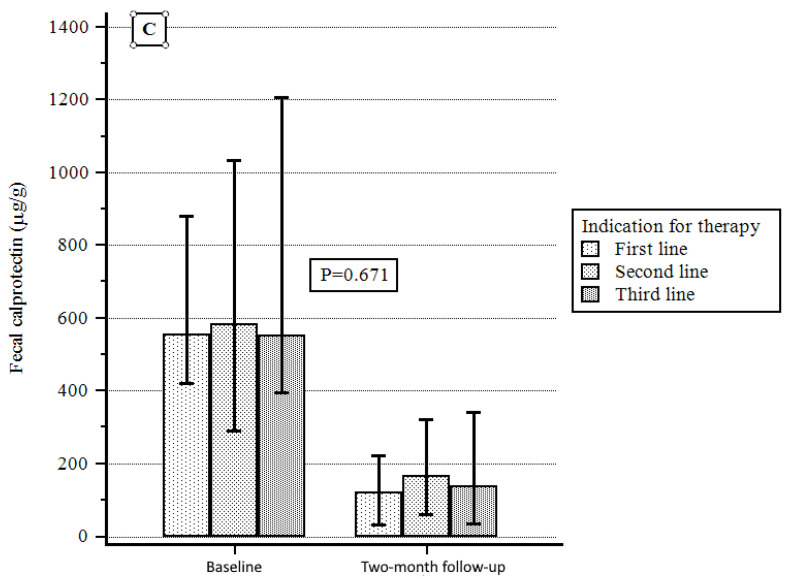 Figure 6
Peer Reviews
No public reviews on file for this paper yet. If you reviewed it on a platform where reviews are public (OpenReview, ICLR, NeurIPS, ICML), you can paste yours below so the community can read it here.
Videos
No videos yet. Explain this paper in a talk, walkthrough, or lecture? Add one.
Taxonomy
TopicsInflammatory Bowel Disease · Microscopic Colitis · Dermatology and Skin Diseases