Overview of Ayurveda and Ashwagandha: Bioactive Phytochemicals and Potential Applications to Gliomas
Herbert B. Newton

TL;DR
This review explores how Ayurvedic herb ashwagandha and its compounds may help treat cancer, especially gliomas, by targeting cancer cell growth mechanisms.
Contribution
This paper reviews the pre-clinical and translational potential of ashwagandha-derived withanolides in treating gliomas and systemic cancers.
Findings
Withanolides like withaferin-A induce apoptosis and inhibit cancer cell growth.
Ashwagandha compounds target signal transduction pathways and cell cycle arrest in cancer cells.
The review suggests potential applications of ashwagandha in treating glioblastoma and gliomas.
Abstract
Ayurveda is the traditional medical system of India and has been in use for more than 5000 years. The focus of Ayurveda is to maintain harmony and balance of the three Doshas (Vata, Pitta, Kapha), or life forces, that govern the physiology and health of each individual. Ashwagandha is considered one of the most useful plants in the Ayurvedic system for various illnesses, including cancer. Ethnopharmacological and phytochemical analyses have been elucidating the bioactive compounds in ashwagandha that mediate the anti-cancer effects. The most bioactive compounds appear to be the withanolides, including withaferin-A (WFA), withanone, and other withanolide derivatives. The focus of this review will be to discuss the pre-clinical and translational anti-cancer properties of WFA, withanone, and selected withanolides in terms of their ability to inhibit the growth of systemic forms of cancer…
Genes, proteins, chemicals, diseases, species, mutations and cell lines named across the full text — each resolved to its canonical identifier and authoritative record.
Click any figure to enlarge with its caption.
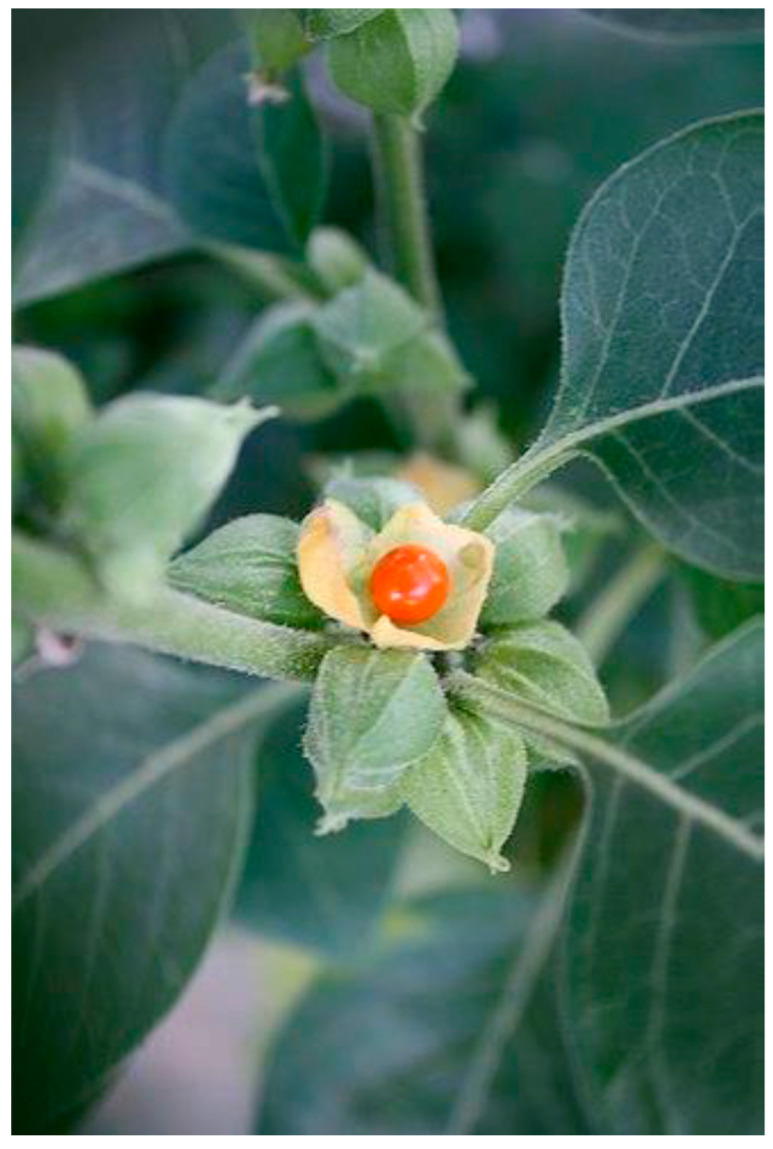 Figure 1
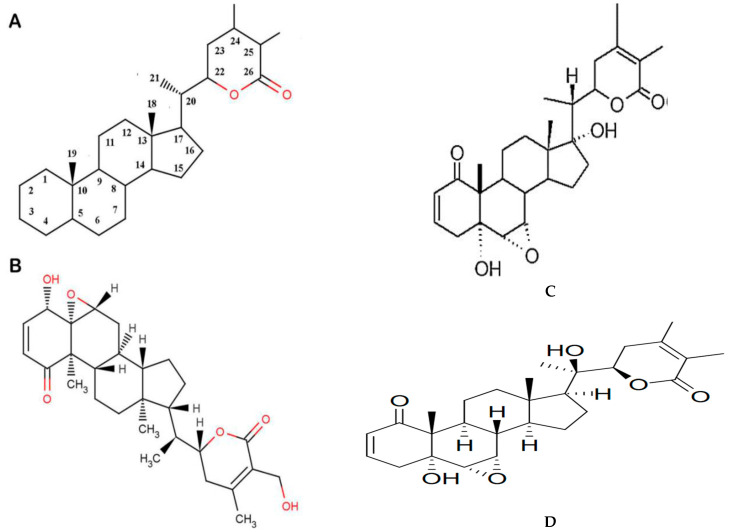 Figure 2
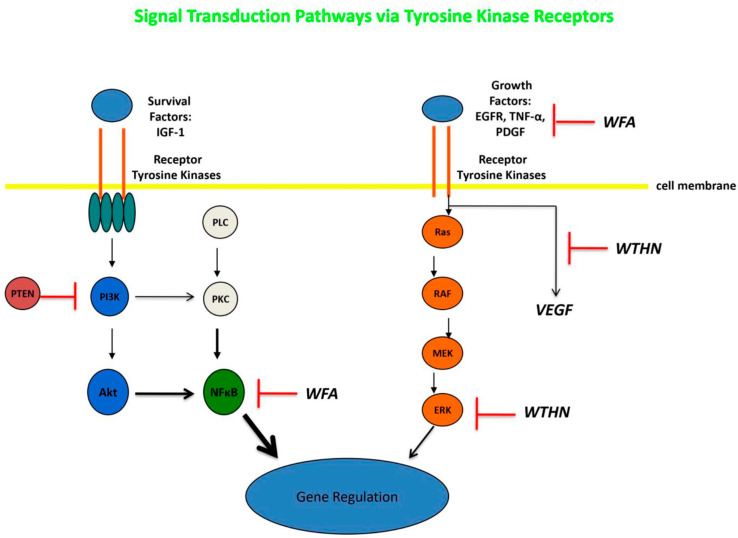 Figure 3
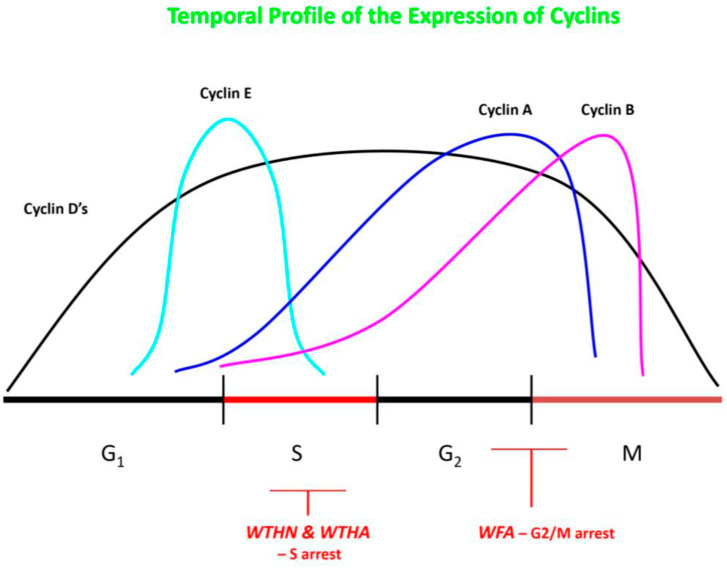 Figure 4
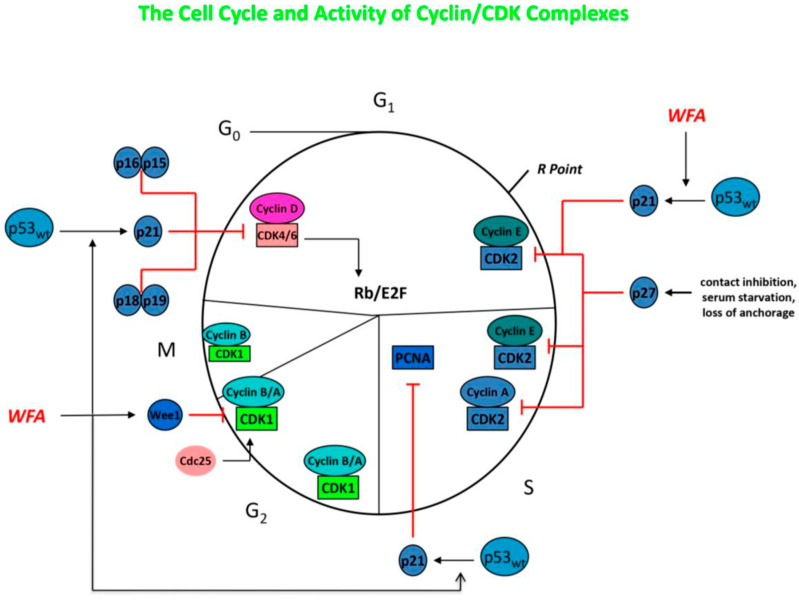 Figure 5
Peer Reviews
No public reviews on file for this paper yet. If you reviewed it on a platform where reviews are public (OpenReview, ICLR, NeurIPS, ICML), you can paste yours below so the community can read it here.
Videos
No videos yet. Explain this paper in a talk, walkthrough, or lecture? Add one.
Taxonomy
TopicsPhytochemicals and Medicinal Plants · Andrographolide Research and Applications · Plant-based Medicinal Research