Effects of Different Levels of Lycium ruthenicum Leaves on Rumen Fermentation, Amino Acids, Fatty Acids and Rumen Bacterial Diversity in Sheep
Yaya Guo, Jinlong Li, Congbin Xu, Liangzhong Hou, Yuxia Yang, Yan Ma, Yong Tuo, Tongjun Guo

TL;DR
Adding Lycium ruthenicum leaves to sheep diets improves rumen health and meat quality by altering fermentation and bacterial diversity.
Contribution
This study demonstrates the novel use of Lycium ruthenicum leaves as a feed supplement to enhance sheep meat quality and rumen function.
Findings
Supplementing sheep diets with 5–15% Lycium ruthenicum leaves increased rumen acetate, butyrate, and total volatile fatty acids.
Lycium ruthenicum leaves altered rumen bacterial diversity, increasing Firmicutes and Ruminococcus while decreasing Prevotella.
Meat from supplemented sheep had improved color, higher sweet amino acids, and favorable fatty acid changes.
Abstract
Lycium ruthenicum (black goji berry) leaves (LRL) contain a variety of bioactive compounds such as flavonoids, polyphenols, alkaloids, etc., which make it a good candidate for improving the growth performance of livestock and the quality of their products. Lycium ruthenicum extracts given to ruminants like sheep have been shown to enhance antioxidant and immune activity and improve ruminal fermentation. However, feeding LRL to ruminants has rarely been reported. In this study, we compared the ruminal microbes, fermentation, and meat quality of F1 generation crosses of Dorper × Hu lambs supplemented with different levels of LRL during the finishing stage. The addition of 5–15% LRL to the sheep diet improved the rumen microbial community, its fermentation activity, and the resulting meat quality. Lycium ruthenicum leaves (LRL), as an agricultural by-product rich in bioactive compounds,…
Genes, proteins, chemicals, diseases, species, mutations and cell lines named across the full text — each resolved to its canonical identifier and authoritative record.
Click any figure to enlarge with its caption.
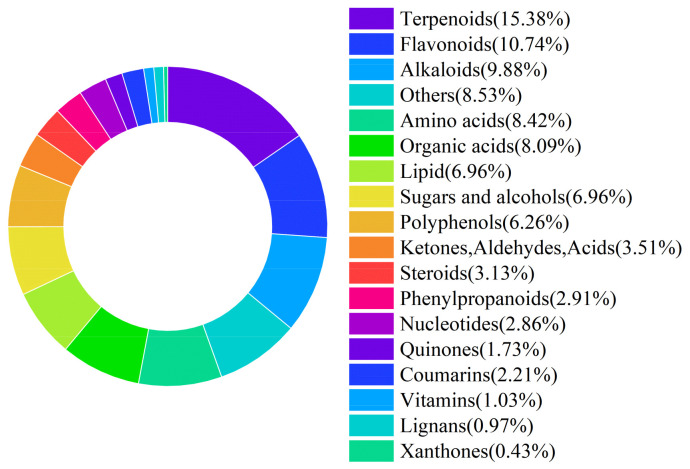 Figure 1
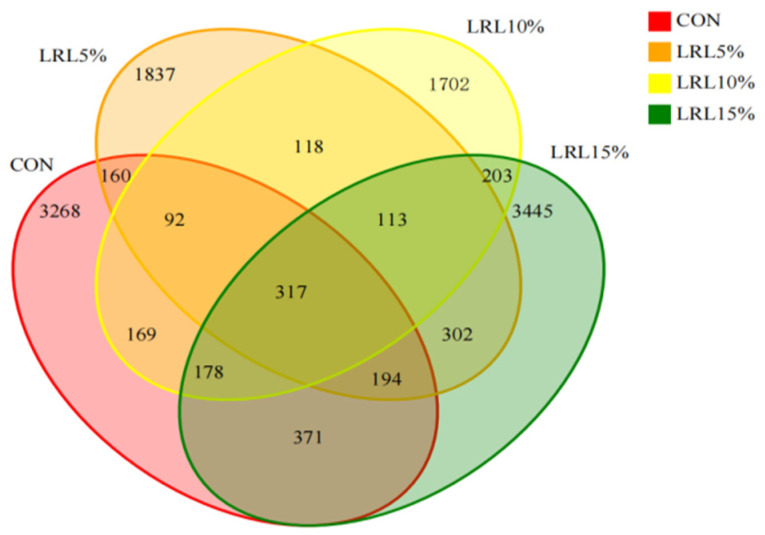 Figure 2
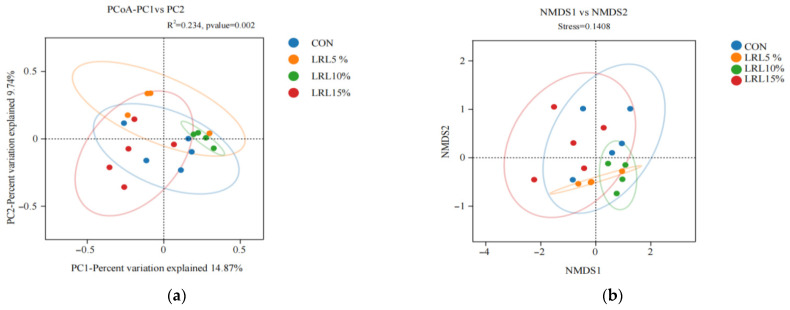 Figure 3
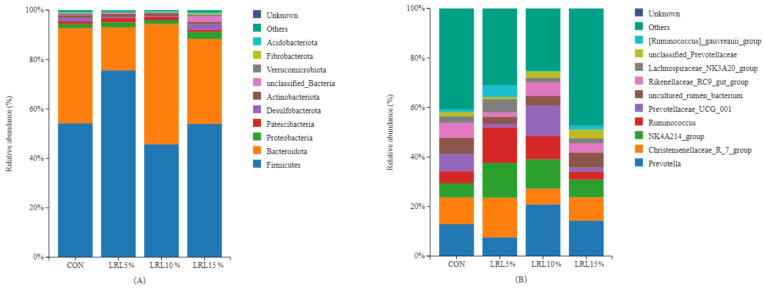 Figure 4
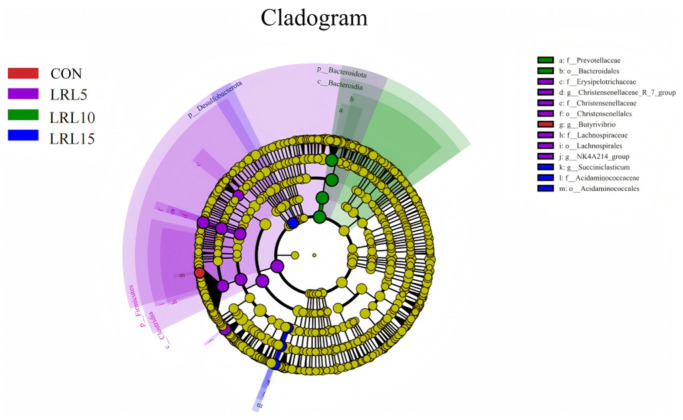 Figure 5
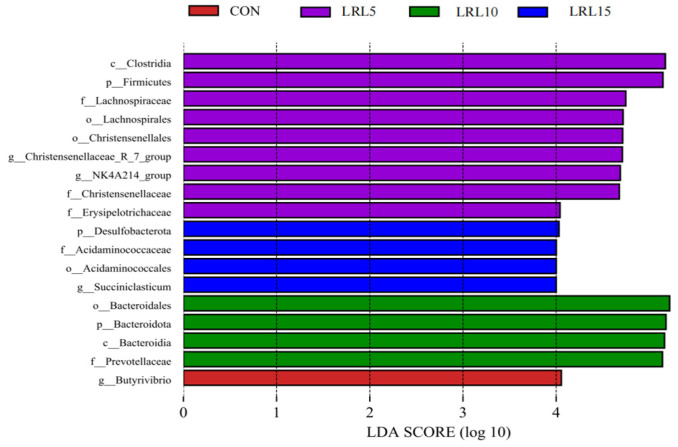 Figure 6
Peer Reviews
No public reviews on file for this paper yet. If you reviewed it on a platform where reviews are public (OpenReview, ICLR, NeurIPS, ICML), you can paste yours below so the community can read it here.
Videos
No videos yet. Explain this paper in a talk, walkthrough, or lecture? Add one.
Taxonomy
TopicsRuminant Nutrition and Digestive Physiology · Animal health and immunology · Meat and Animal Product Quality