Peritoneal Mesothelioma Diagnosed on Frozen Section During Diagnostic Laparoscopy: A Case Report
Mae Visconti, Jenna M Watts, Wade Weston, Jamie F Cimino, Gerald Englund, Mark Jarosz

TL;DR
This case report describes a rare and aggressive peritoneal mesothelioma diagnosed quickly during a laparoscopy in an elderly woman.
Contribution
The novelty lies in the rapid diagnosis of MPM using frozen section during laparoscopy in a rapidly deteriorating patient.
Findings
MPM was diagnosed in 24 days from initial presentation using frozen section and immunohistochemistry.
The case highlights the aggressive progression and diagnostic challenges of peritoneal mesothelioma.
Early laparoscopy can aid in timely diagnosis of rare abdominal malignancies.
Abstract
Malignant mesothelioma is a rare neoplasm arising from the proliferation of mesothelial cells. When this proliferation involves the lining of the abdomen, the peritoneum, it is referred to as malignant peritoneal mesothelioma (MPM). We present a case of MPM identified during diagnostic laparoscopy, detailing the patient’s symptoms and prior workup that prompted the procedure. This report describes a rare, rapidly progressive case in an elderly female patient, diagnosed via frozen section and immunohistochemistry, who experienced clinical deterioration over 24 days from initial presentation, highlighting both the diagnostic challenges and the aggressive nature of this disease.
Genes, proteins, chemicals, diseases, species, mutations and cell lines named across the full text — each resolved to its canonical identifier and authoritative record.
Click any figure to enlarge with its caption.
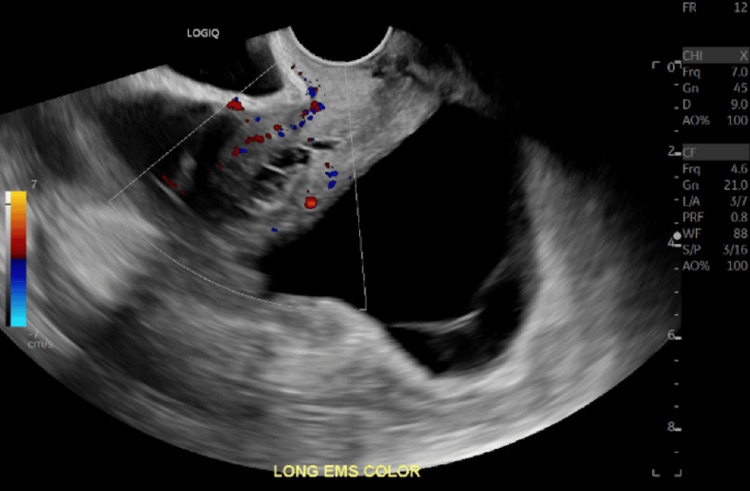 Figure 1
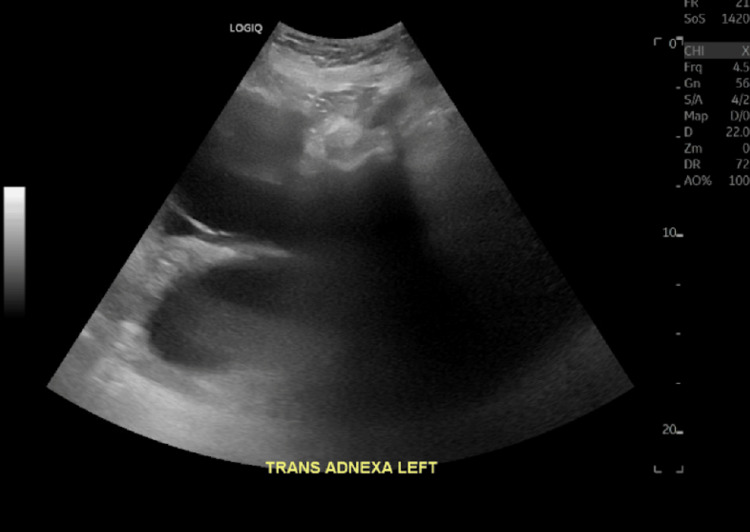 Figure 2
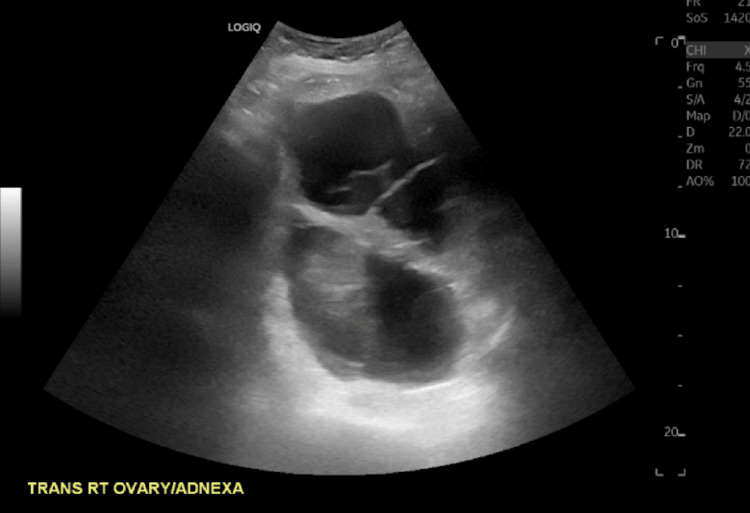 Figure 3
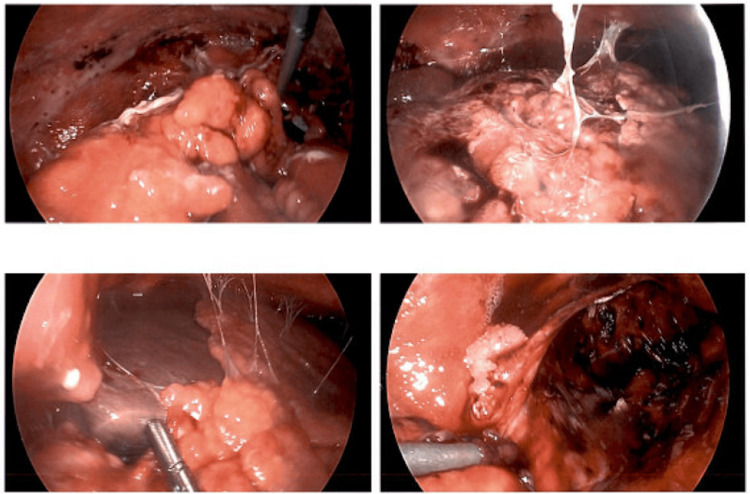 Figure 4
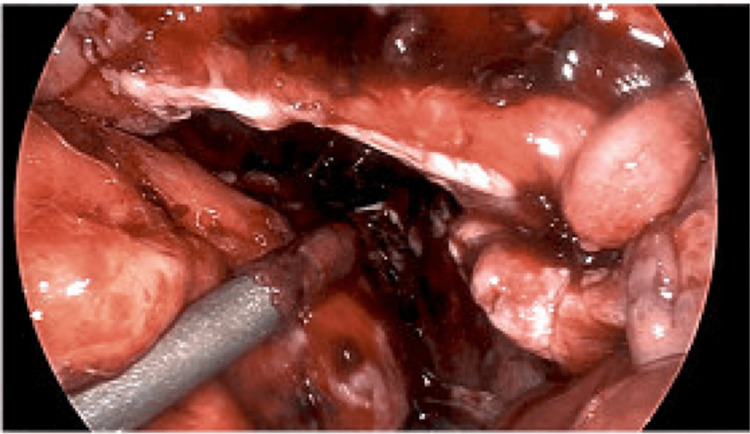 Figure 5
Peer Reviews
No public reviews on file for this paper yet. If you reviewed it on a platform where reviews are public (OpenReview, ICLR, NeurIPS, ICML), you can paste yours below so the community can read it here.
Videos
No videos yet. Explain this paper in a talk, walkthrough, or lecture? Add one.
Taxonomy
TopicsOccupational and environmental lung diseases · Intraperitoneal and Appendiceal Malignancies · Radiation Dose and Imaging