Biodegradation of Pristine and Post-Consumer Extruded Expanded Polystyrene Packaging by Zophobas atratus Larvae: Influence of the Larval Stage and Physiological Response
Juraci Duarte Pereira, Jamille Santos Santana, Paulo Vitor França Lemos, Denilson de Jesus Assis, Carolina Oliveira de Souza, Lucas Guimarães Cardoso, Alessandra Almeida Lucas, Lívia Maria Garcia Gonçalves, Rita de Cássia de Oliveira Sebastião, Bárbara Darós de Lelis Ferreira

TL;DR
Zophobas atratus larvae can biodegrade polystyrene, with different stages and types of plastic affecting the process and larval health.
Contribution
This study is the first to evaluate Zophobas atratus larvae's biodegradation of polystyrene and its physiological effects across larval stages.
Findings
Larger larvae (L2) consumed more polystyrene and had higher survival and weight gain compared to smaller larvae (L1).
XPS-fed larvae showed reduced lipid content and increased moisture, flavonoids, and phenolics compared to controls.
L1 larvae were more effective in degrading pristine XPS, while L2 larvae were more effective on post-consumer XPS.
Abstract
Plastics are inexpensive and widely used but persist in the environment due to improper disposal. Insect-mediated biodegradation has gained attention, notably involving Tenebrio molitor larvae. Despite morphological similarities and larger size, Zophobas atratus larvae remain less studied. This work evaluated the impact of larval stage on the biodegradation of pristine and post-consumer extruded polystyrene (XPS) and the physiological effects of an XPS-based diet. Smaller (L1) and larger (L2) larvae were tested. L2 showed higher XPS consumption, weight gain, and survival, while XPS-fed larvae overall exhibited reduced lipid content and increased moisture, flavonoids, and phenolics compared to wheat bran-fed controls. Scanning electron microscopy revealed surface fragmentation in frass, more pronounced in L1, suggesting greater mechanical or enzymatic action. High-performance size…
Genes, proteins, chemicals, diseases, species, mutations and cell lines named across the full text — each resolved to its canonical identifier and authoritative record.
Click any figure to enlarge with its caption.
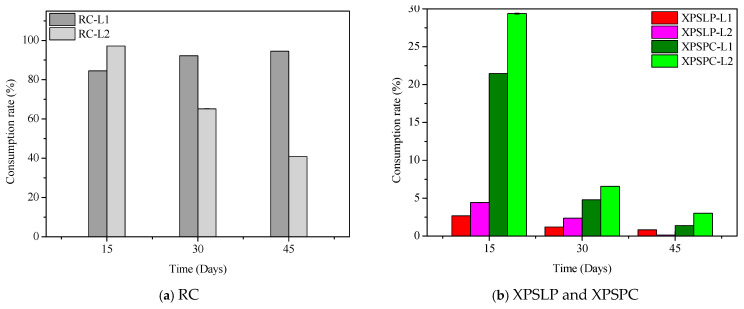 Figure 1
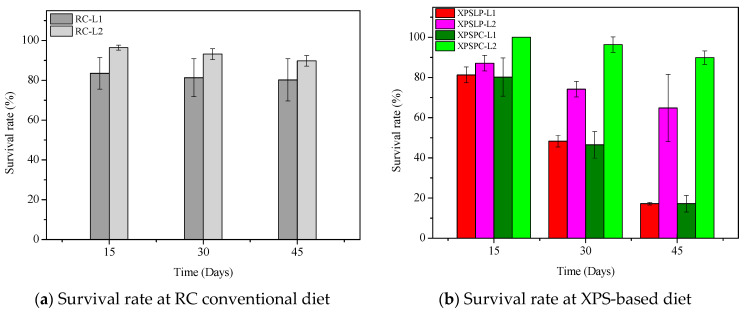 Figure 2
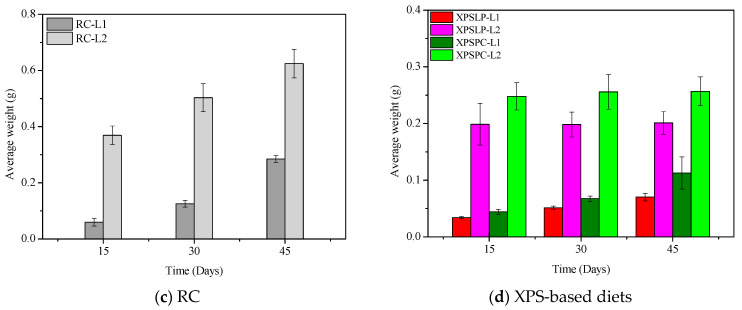 Figure 3
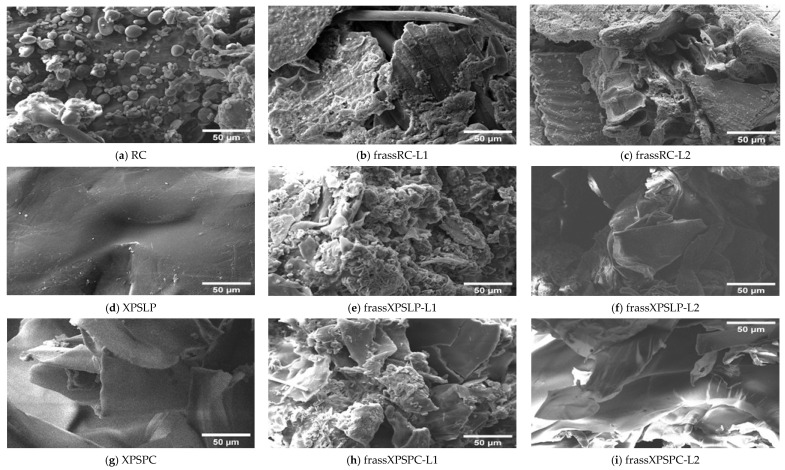 Figure 4
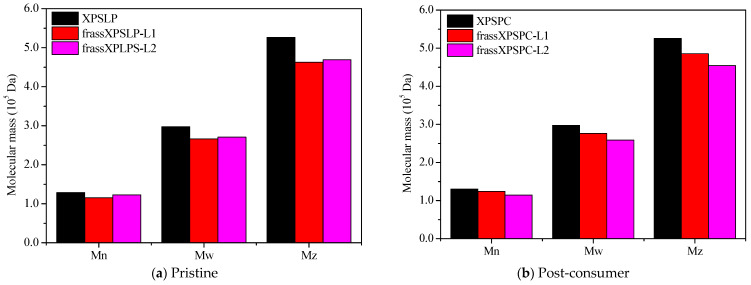 Figure 5
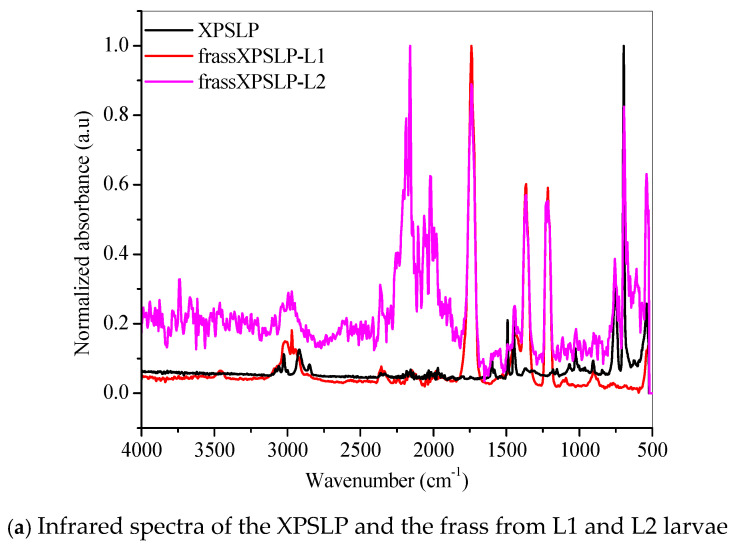 Figure 6
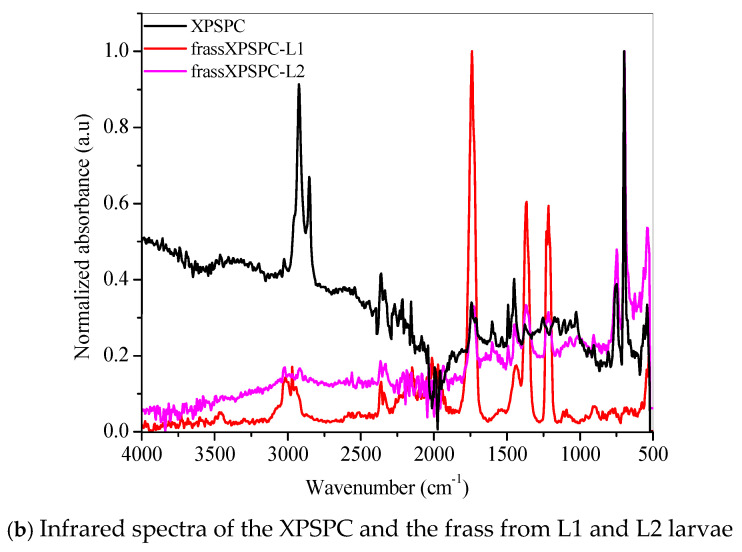 Figure 7
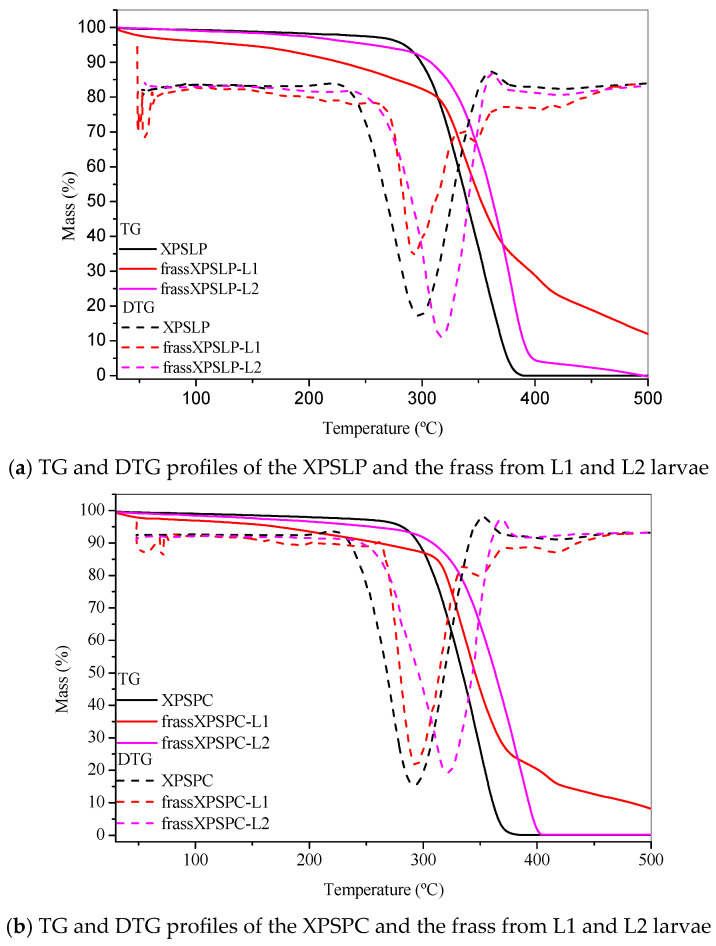 Figure 8
Peer Reviews
No public reviews on file for this paper yet. If you reviewed it on a platform where reviews are public (OpenReview, ICLR, NeurIPS, ICML), you can paste yours below so the community can read it here.
Videos
No videos yet. Explain this paper in a talk, walkthrough, or lecture? Add one.
Taxonomy
TopicsMicroplastics and Plastic Pollution · Insect Utilization and Effects · biodegradable polymer synthesis and properties