Advancing Viscoelastic Material Characterization Through Computer Vision and Robotics: MIRANDA and RELAPP
Antonio Monleón-Getino, Víctor Madarnás-Gómez, Mario Cobos-Soler, Eduard Almacellas, Juan Ramos-Castro, Xavier Bielsa, Pere López-Brosa, Àngels Sahuquillo-Estrugo, Inés Marsà-González, Alejandro Rodríguez-Mena

TL;DR
This paper introduces MIRANDA and RELAPP, new systems for analyzing viscoelastic materials using computer vision and robotics, showing promising results in predicting material properties.
Contribution
The novel contribution is the development and validation of MIRANDA and RELAPP as a combined system for viscoelastic material characterization.
Findings
SVM regression models using MIRANDA data achieved R2 values of 0.594 for baking strength, 0.575 for tenacity, and 0.612 for viscosity.
Strong correlations were found between MIRANDA’s Elasticity and RELAPP’s c_exp (r = 0.858) and final resistive force (r = 0.839).
The systems showed potential for accelerating material development and quality control in industrial settings.
Abstract
This study introduces MIRANDA, a computer vision system, and RELAPP, a complementary force measurement system, developed for characterizing viscoelastic materials. Our aim was to evaluate their combined ability to predict key rheological parameters and demonstrate their utility in material analysis, offering an alternative to traditional methods. We analyzed five distinct flour dough samples, correlating MIRANDA and RELAPP variables with established rheological reference values. Support Vector Machine (SVM) regression models were trained using MIRANDA’s stable TR and elasticity data to predict industrially relevant parameters: baking strength (W), tenacity (P), extensibility (L), and final viscosity (RVU) from Chopin alveograph and viscosimeter. The predictive models showed promising results, with R2 values of 0.594 (p = 0) for W, 0.575 (p = 0) for P, and 0.612 (p = 0.03763) for…
Genes, proteins, chemicals, diseases, species, mutations and cell lines named across the full text — each resolved to its canonical identifier and authoritative record.
Click any figure to enlarge with its caption.
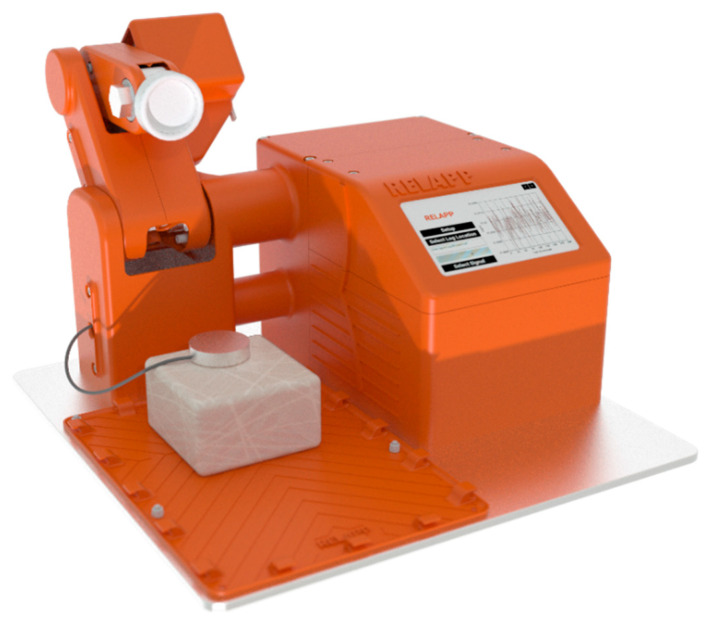 Figure 1
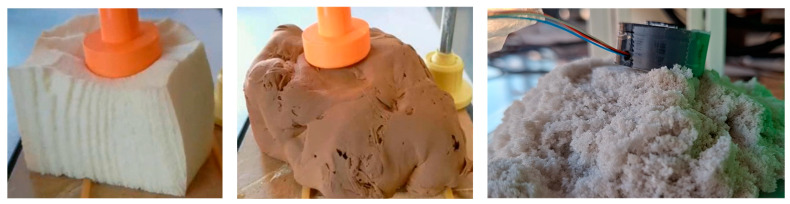 Figure 2
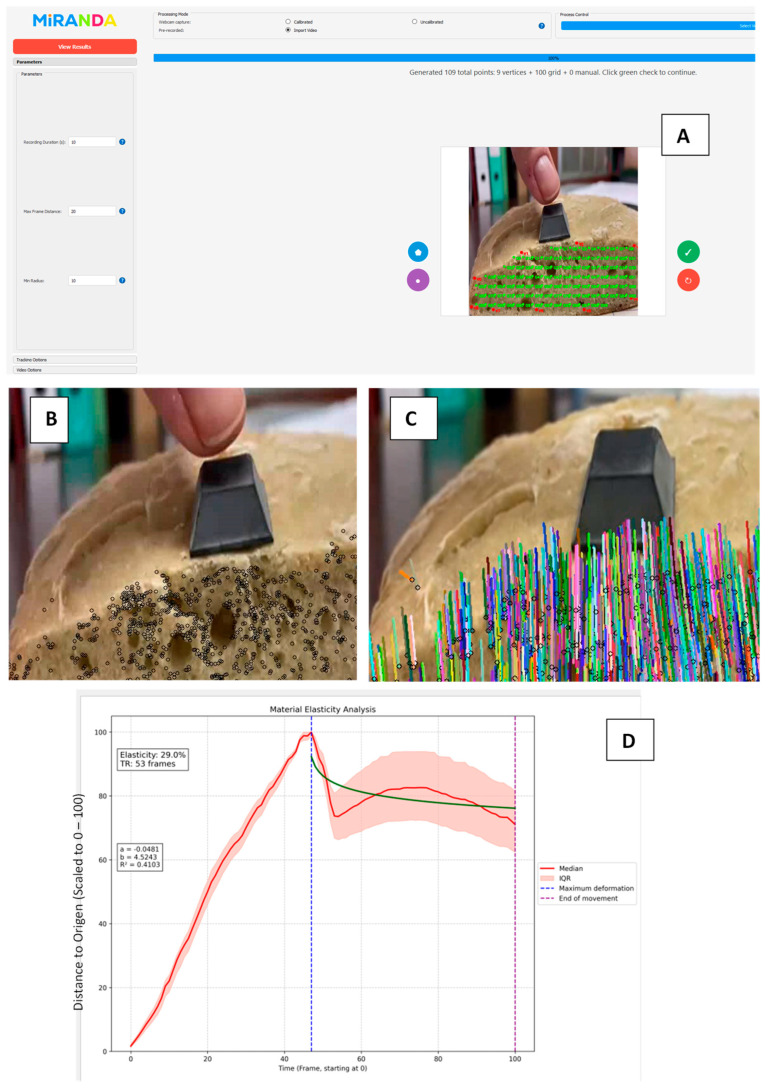 Figure 3
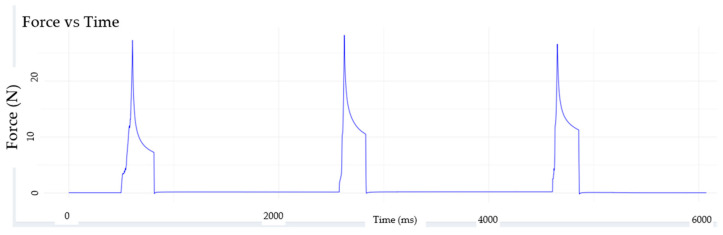 Figure 4
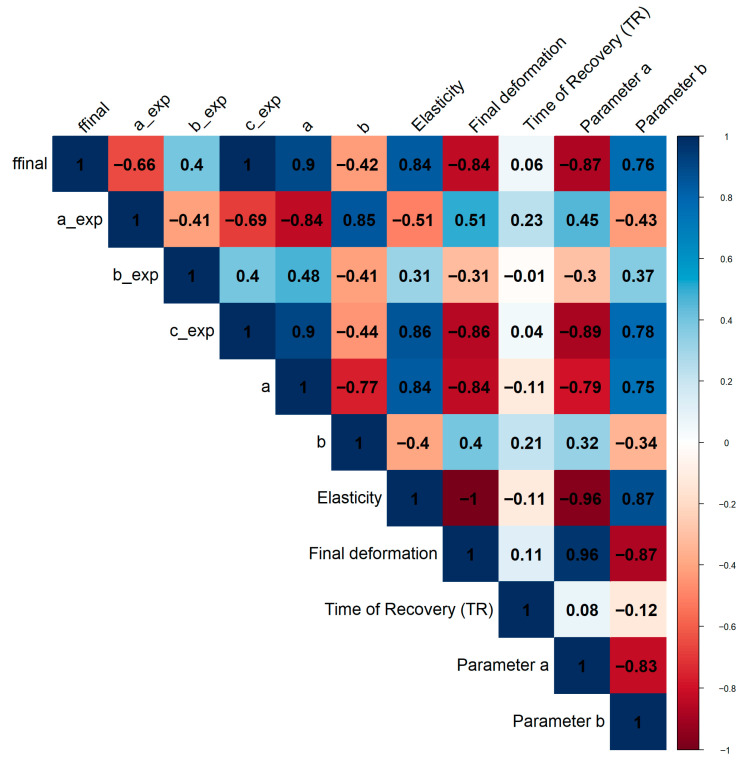 Figure 5
 Figure 6
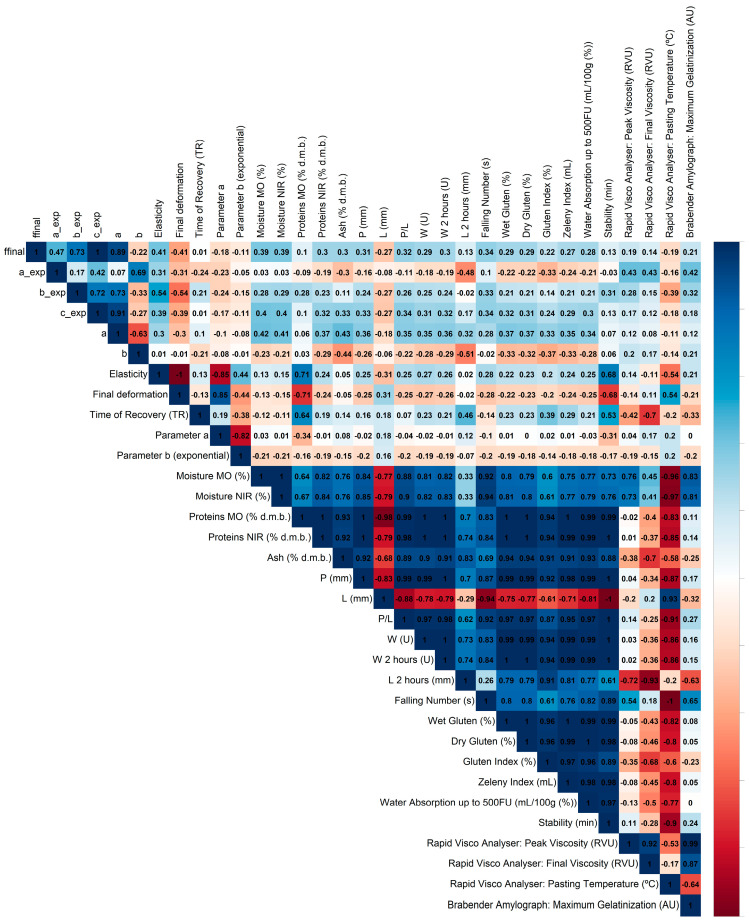 Figure 7
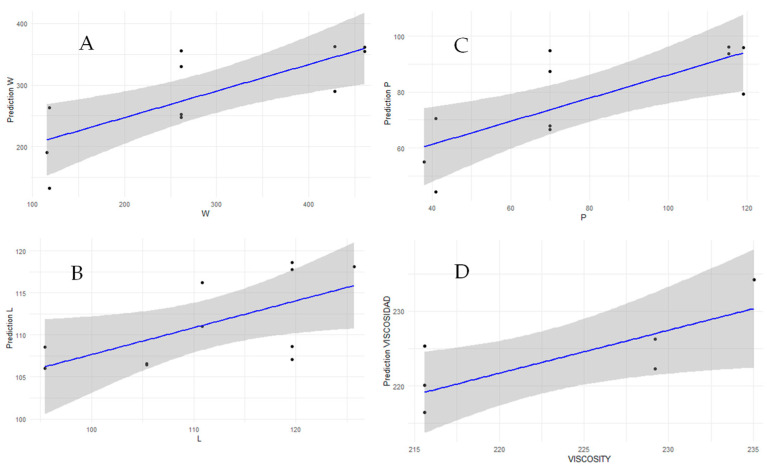 Figure 8
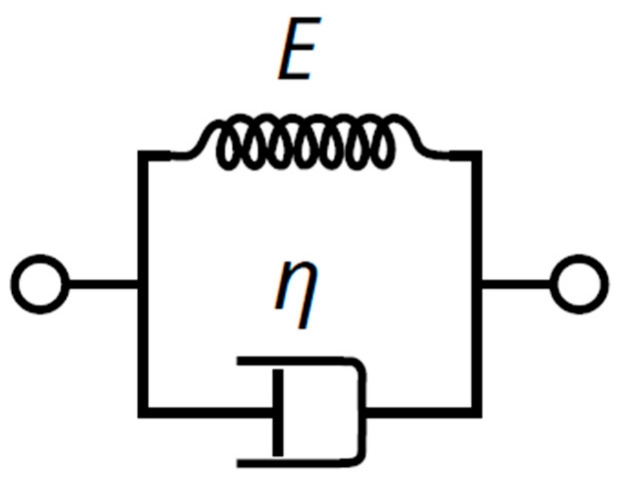 Figure 9
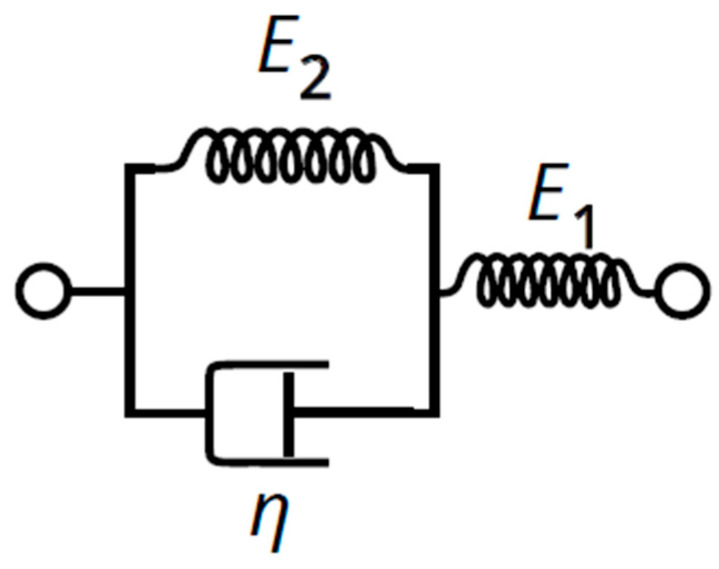 Figure 10
Peer Reviews
No public reviews on file for this paper yet. If you reviewed it on a platform where reviews are public (OpenReview, ICLR, NeurIPS, ICML), you can paste yours below so the community can read it here.
Videos
No videos yet. Explain this paper in a talk, walkthrough, or lecture? Add one.
Taxonomy
TopicsElasticity and Material Modeling · Orthopaedic implants and arthroplasty · Mechanical Engineering and Vibrations Research