Biochemical Effects of Natural and Nanoparticle Fish and Algal Oils in Gilt Pregnancy Diets on Base Excision Repair Enzymes in Newborn Piglets—Socioeconomic Implications for Regional Pig Farming—Preliminary Results
Paweł Kowalczyk, Monika Sobol, Joanna Makulska, Andrzej Węglarz, Apoloniusz Kurylczyk, Mateusz Schabikowski, Grzegorz Skiba

TL;DR
This study explores how adding fish and algal oils to pregnant pigs' diets affects DNA repair enzymes in newborn piglets, suggesting potential benefits for genomic stability and growth.
Contribution
The study introduces the effect of natural and nanoparticle forms of n-3 PUFAs on BER enzyme activity in piglets, linking maternal diet to offspring genomic integrity.
Findings
Maternal supplementation with n-3 PUFAs reduced BER capacity in piglet livers by 32%.
mRNA expression of BER genes (TDG, MPG, OGG1) decreased in piglets from supplemented gilts.
Natural oil forms showed greater effectiveness than nanoparticle formulations in improving DNA integrity.
Abstract
Base excision repair (BER) is an important mechanism for maintaining genomic integrity and preventing DNA damage and mutations induced by oxidative stress. This study aimed to examine the relationship between oxidative stress and BER activity in newborn piglets by supplementing their mothers’ diets during pregnancy with long-chain n-3 polyunsaturated fatty acids (PUFAs) from algal and fish oils, provided either in natural form or as nanoparticles. BER enzyme activity was assessed using a nicking assay, and their gene expression levels by RT-qPCR in the livers of pregnant gilts and their offspring. Preliminary results indicated that maternal supplementation with oils rich in long-chain n-3 PUFAs significantly reduced (by 32%) BER capacity in the livers of their offspring. A corresponding decrease in mRNA expression of BER genes (TDG, MPG, OGG1) was observed in piglets from gilts…
Genes, proteins, chemicals, diseases, species, mutations and cell lines named across the full text — each resolved to its canonical identifier and authoritative record.
Click any figure to enlarge with its caption.
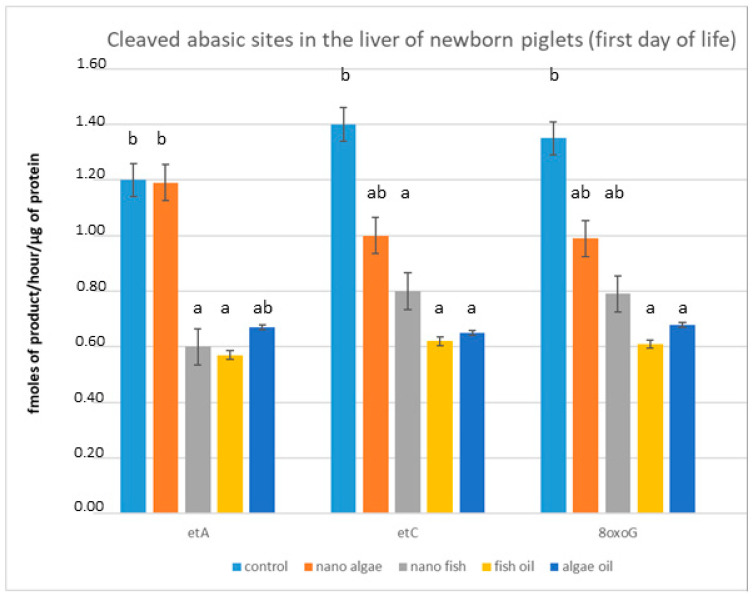 Figure 1
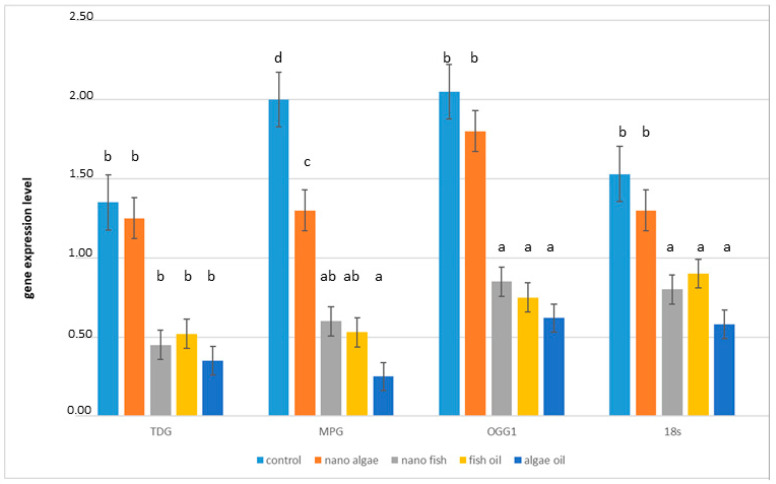 Figure 2
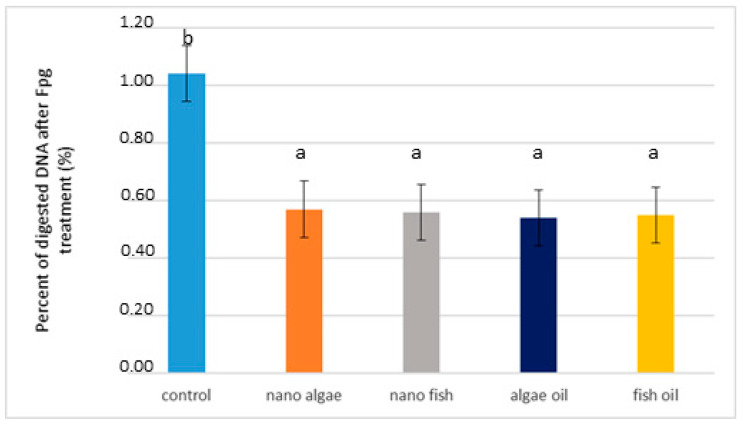 Figure 3
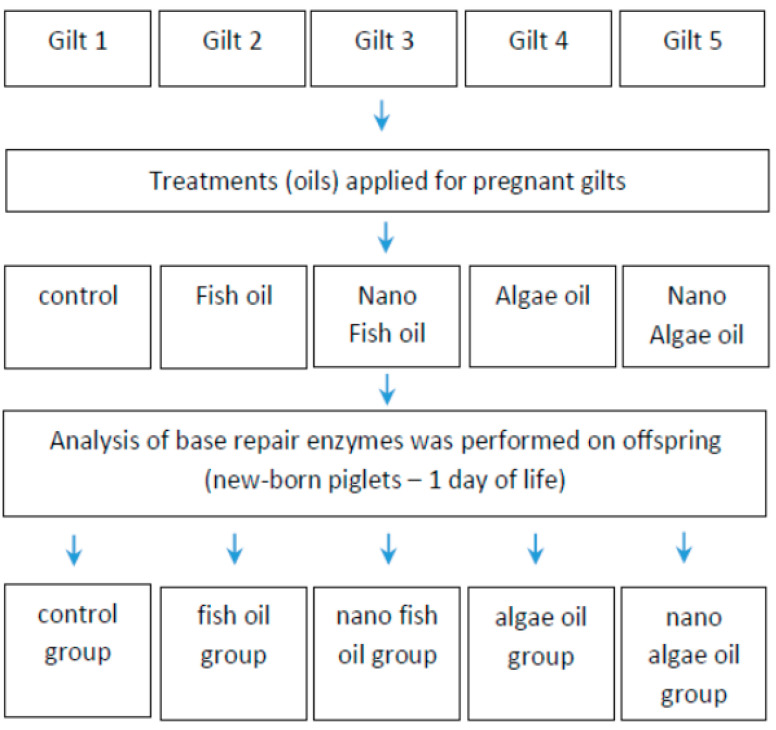 Figure 4
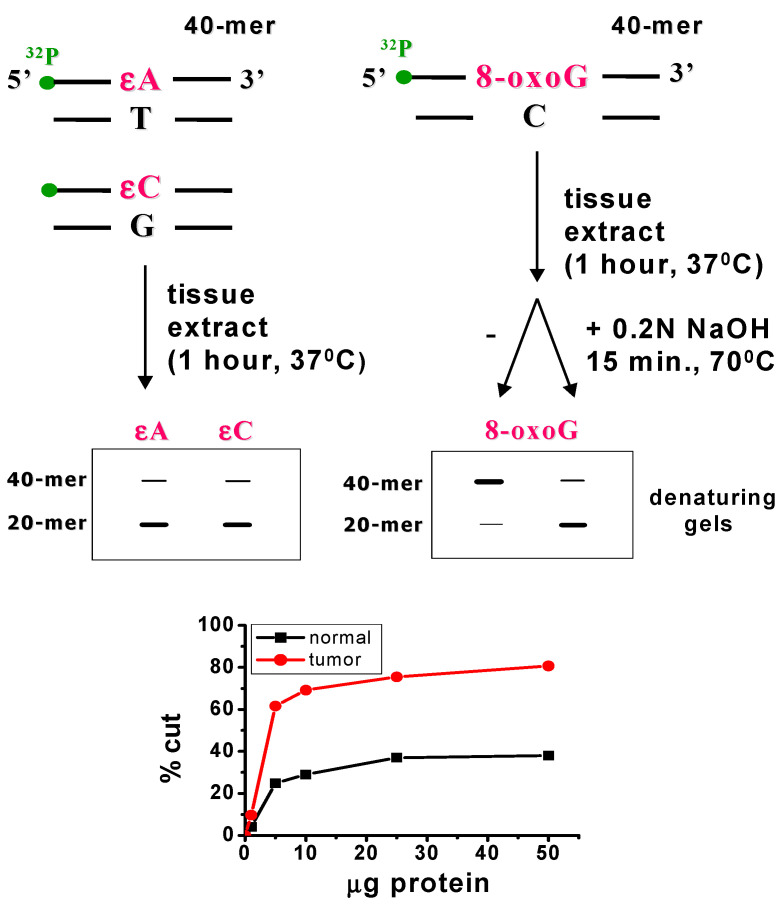 Figure 5
Peer Reviews
No public reviews on file for this paper yet. If you reviewed it on a platform where reviews are public (OpenReview, ICLR, NeurIPS, ICML), you can paste yours below so the community can read it here.
Videos
No videos yet. Explain this paper in a talk, walkthrough, or lecture? Add one.
Taxonomy
TopicsFatty Acid Research and Health · Effects and risks of endocrine disrupting chemicals · Animal Nutrition and Physiology