Arsenome, Arsenobolome, and Arsenobiolome
Fernando J. Pereira, Roberto López, A. Javier Aller

TL;DR
This paper explores how different forms of arsenic affect biology, focusing on their harmful and beneficial roles.
Contribution
It introduces the concepts of arsenome, arsenobolome, and arsenobiolome for comprehensive arsenic analysis.
Findings
Inorganic and organoarsenic species differ in metabolism and toxicity.
Arsenic compounds have potential in cancer treatment.
Efficient diagnosis and mitigation of arsenic intoxication are emphasized.
Abstract
A complete characterisation of the potential biological implications of any chemical species requires assessing as much information as possible about the dose of all physicochemical forms involved in its metabolic pathways or any other biological activity (beneficial or harmful). Research investigating the biological significance of arsenic species in living systems needs to involve not only the chemical characterisation of the complete set of arsenic-containing species (arsenome), but also the distinction of all arsenic-bearing metabolites (arsenobolome) and those arsenic-containing species involved directly in specific beneficial or harmful processes (arsenobiolome). This work offers insight into the above considerations regarding arsenic species that are of toxicological significance. We highlight the differences in the metabolic and toxicological behaviour of inorganic (iAs) and…
Genes, proteins, chemicals, diseases, species, mutations and cell lines named across the full text — each resolved to its canonical identifier and authoritative record.
Click any figure to enlarge with its caption.
 Figure 1
 Figure 2
 Figure 3
 Figure 4
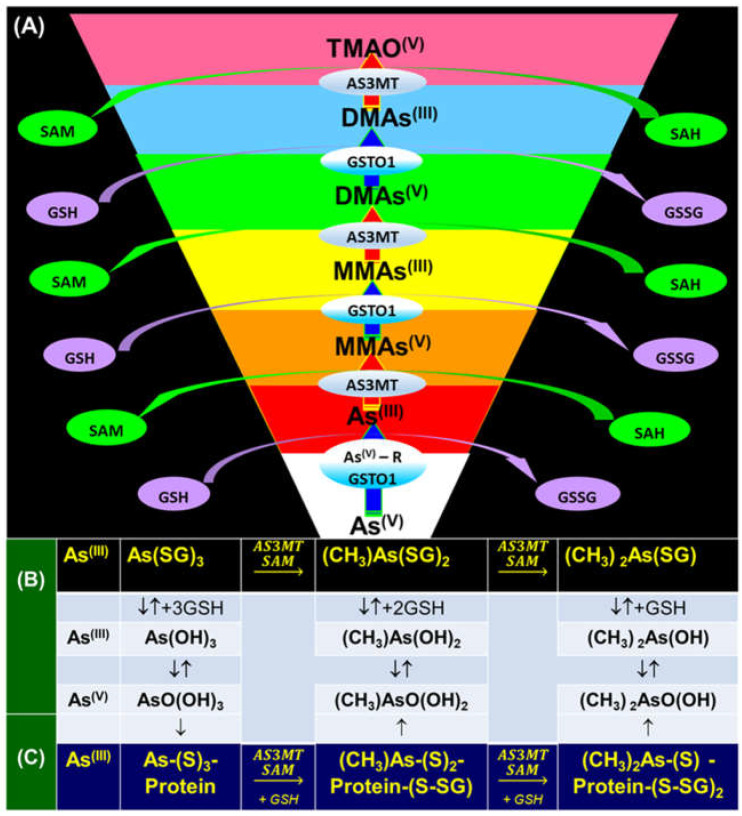 Figure 5
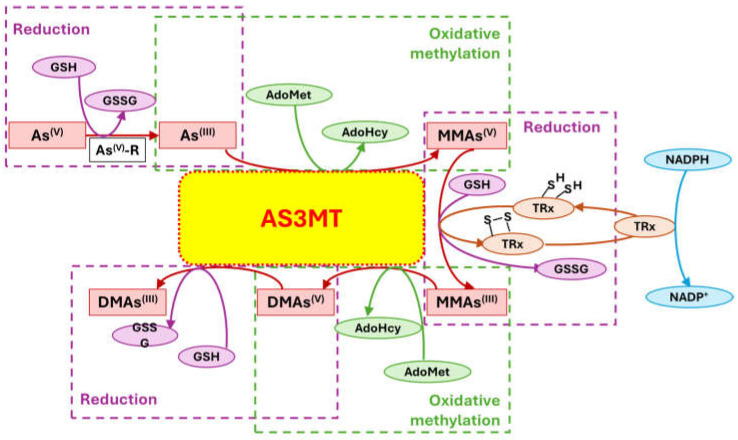 Figure 6
 Figure 7
 Figure 8
 Figure 9
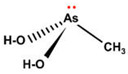 Figure 10
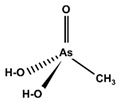 Figure 11
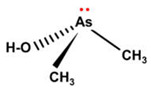 Figure 12
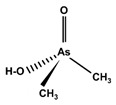 Figure 13
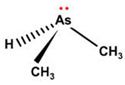 Figure 14
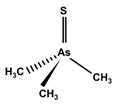 Figure 15
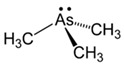 Figure 16
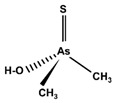 Figure 17
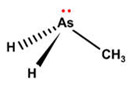 Figure 18
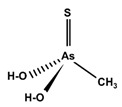 Figure 19
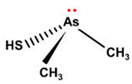 Figure 20
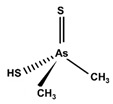 Figure 21
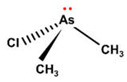 Figure 22
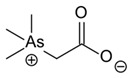 Figure 23
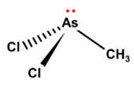 Figure 24
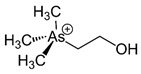 Figure 25
 Figure 26
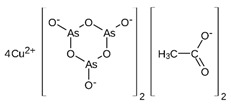 Figure 27
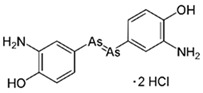 Figure 28
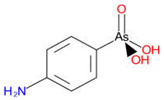 Figure 29
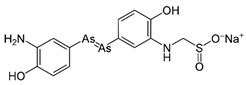 Figure 30
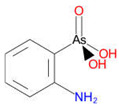 Figure 31
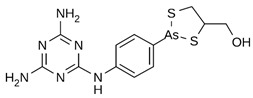 Figure 32
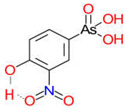 Figure 33
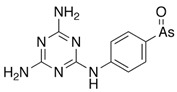 Figure 34
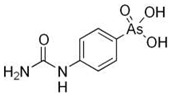 Figure 35
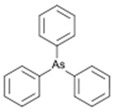 Figure 36
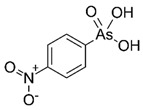 Figure 37
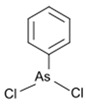 Figure 38
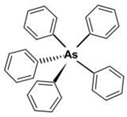 Figure 39
 Figure 40
 Figure 41
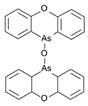 Figure 42
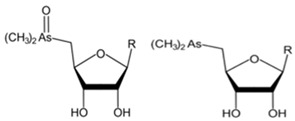 Figure 43
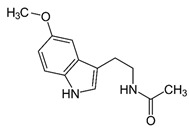 Figure 44
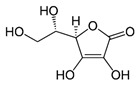 Figure 45
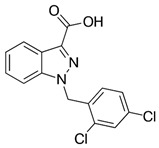 Figure 46
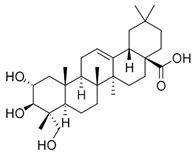 Figure 47
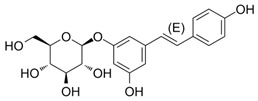 Figure 48
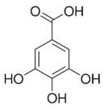 Figure 49
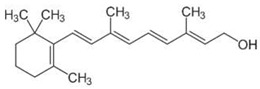 Figure 50
Peer Reviews
No public reviews on file for this paper yet. If you reviewed it on a platform where reviews are public (OpenReview, ICLR, NeurIPS, ICML), you can paste yours below so the community can read it here.
Videos
No videos yet. Explain this paper in a talk, walkthrough, or lecture? Add one.
Taxonomy
TopicsArsenic contamination and mitigation · Retinoids in leukemia and cellular processes · Selenium in Biological Systems