TAVI for Bicuspid Aortic Valve: Addressing Technical Challenges and Optimizing Outcomes
Donato Antonio Paglianiti, Cristina Aurigemma, Marco Busco, Luigi Cappannoli, Francesco Bianchini, Enrico Romagnoli, Mattia Lunardi, Francesco Fracassi, Lazzaro Paraggio, Antonino Buffon, Rocco Antonio Montone, Antonio Maria Leone, Carlo Trani, Francesco Burzotta

TL;DR
This paper reviews the use of TAVI for treating bicuspid aortic valve disease, highlighting technical challenges and outcomes.
Contribution
The paper provides a comprehensive review of TAVI in bicuspid aortic valve cases, emphasizing current challenges and strategies for optimization.
Findings
TAVI is technically feasible in selected BAV anatomies with success rates over 90%.
High rates of paravalvular leak and pacemaker implantation persist in BAV TAVI.
Long-term durability of TAVI in BAV remains uncertain and requires further study.
Abstract
Bicuspid aortic valve (BAV) is the most common congenital valvular anomaly, affecting roughly 1–2% of the population and predisposing to premature aortic stenosis and thoracic aortopathy. Surgical aortic valve replacement (SAVR) remains the standard therapy, while transcatheter aortic valve implantation (TAVI) is increasingly adopted across a broader range of risk profiles due to accumulating evidence and advancements in device technology. Observational registries and early trial data indicate that TAVI is technically feasible in selected BAV anatomies, with device-success rates exceeding 90%. Nonetheless, bicuspid morphology is still technically demanding, with several possible pitfalls during transcatheter procedure and pre-procedural planning compared with tricuspid valve. The rates of moderate-to-severe paravalvular leak (PVL), permanent pacemaker implantation (PPI), and annular…
Genes, proteins, chemicals, diseases, species, mutations and cell lines named across the full text — each resolved to its canonical identifier and authoritative record.
Click any figure to enlarge with its caption.
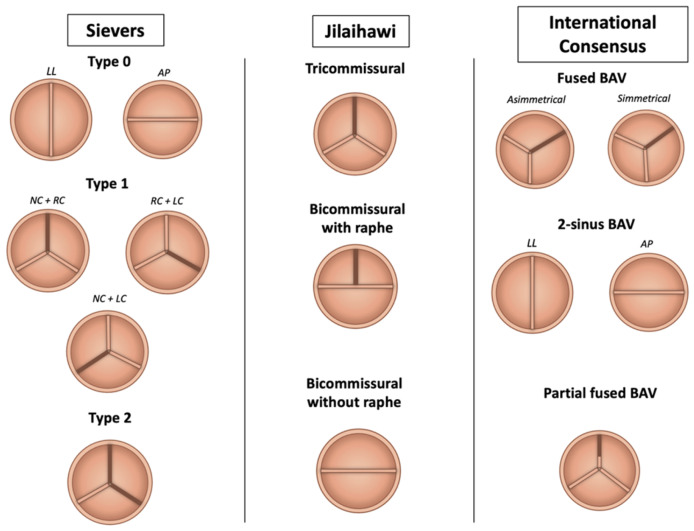 Figure 1
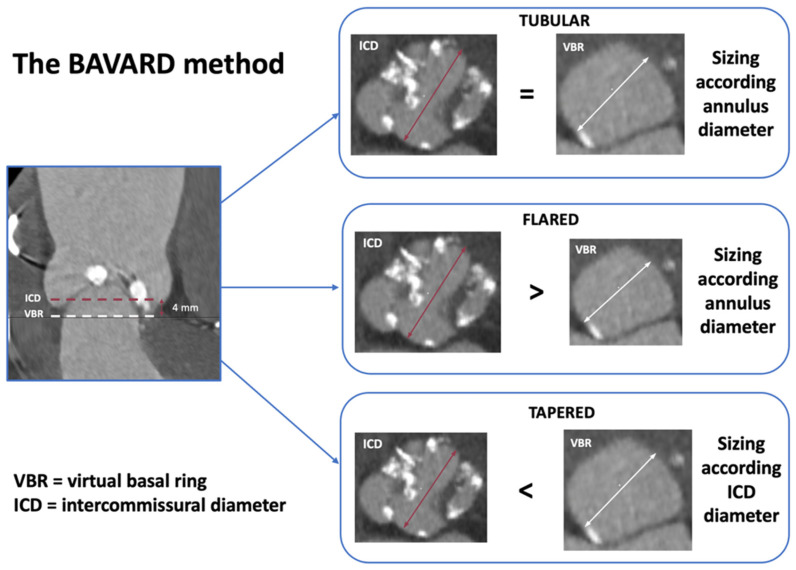 Figure 2
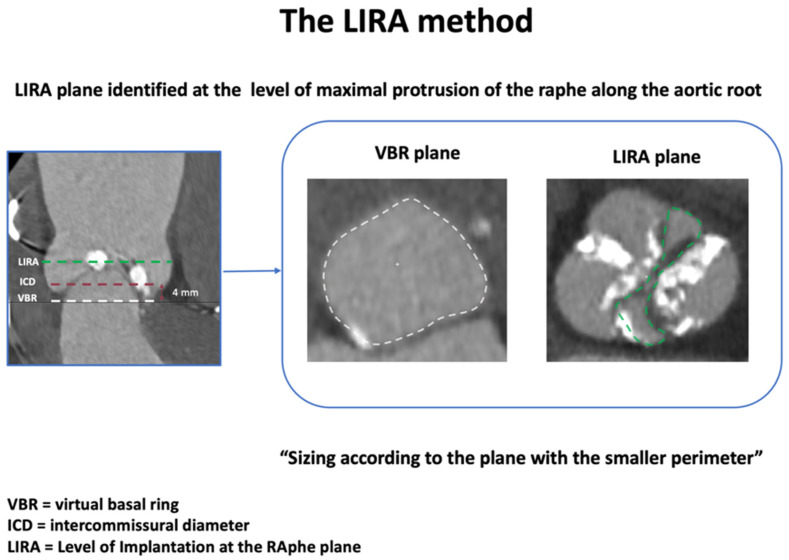 Figure 3
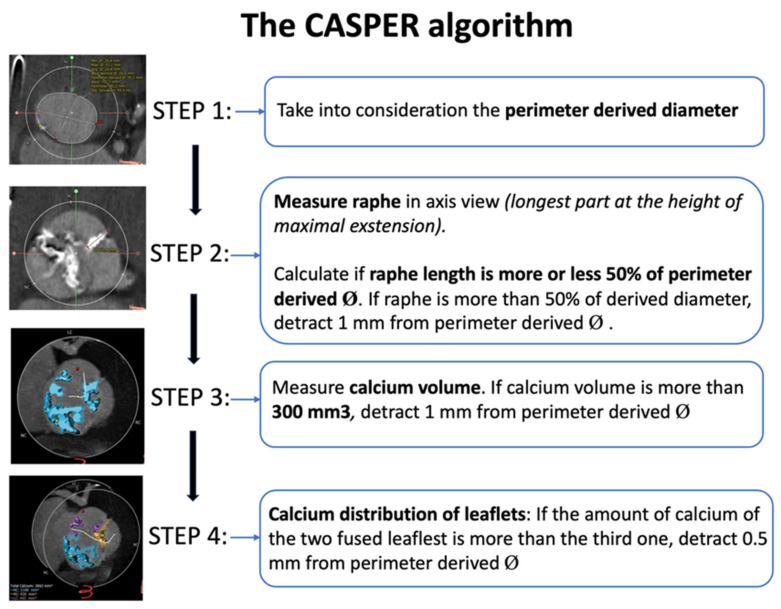 Figure 4
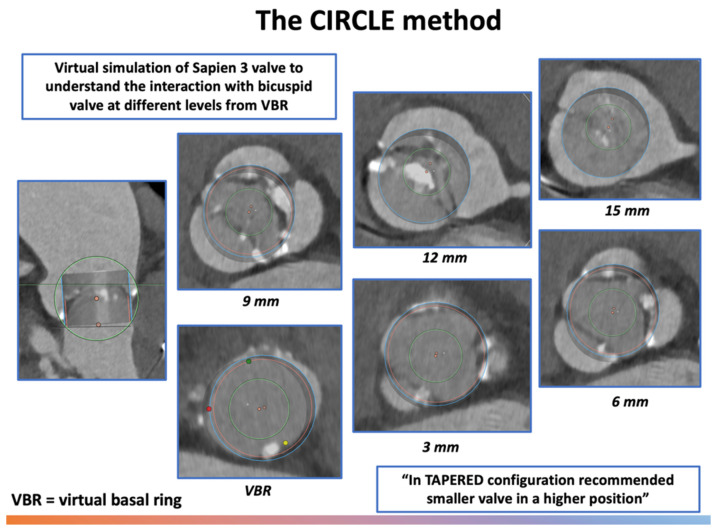 Figure 5
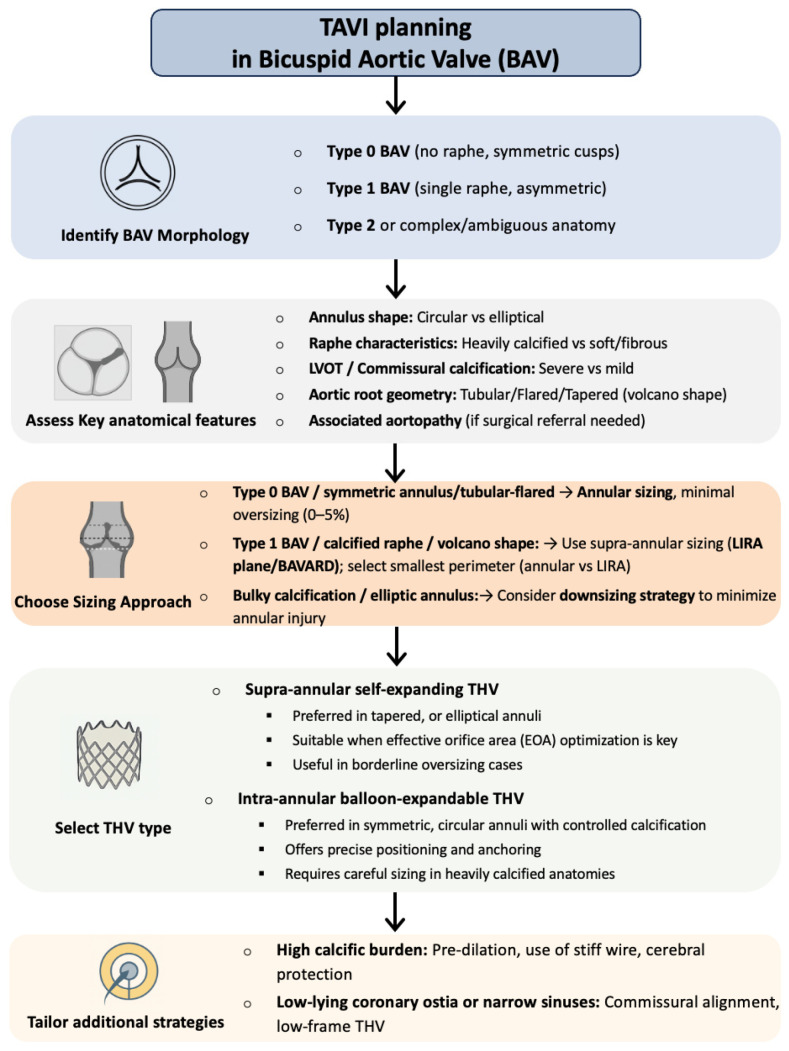 Figure 6
Peer Reviews
No public reviews on file for this paper yet. If you reviewed it on a platform where reviews are public (OpenReview, ICLR, NeurIPS, ICML), you can paste yours below so the community can read it here.
Videos
No videos yet. Explain this paper in a talk, walkthrough, or lecture? Add one.
Taxonomy
TopicsCardiac Valve Diseases and Treatments · Aortic Disease and Treatment Approaches · Congenital Heart Disease Studies