GaAs Nanowire Growth by MBE with Catalyst Forming Eutectic Points with Both Elements
Nickolay V. Sibirev, Ilya P. Soshnikov, Igor V. Ilkiv, Evgenii V. Ubyivovk, George E. Cirlin, Igor V. Shtrom

TL;DR
This paper explores a new method for growing GaAs nanowires using tin as a catalyst, which allows for better control and avoids issues seen with traditional catalysts.
Contribution
The paper demonstrates, for the first time, GaAs nanowire growth using a tin catalyst via molecular beam epitaxy.
Findings
Tin can act as a catalyst for GaAs nanowire growth and as a nucleation site.
Two types of tin catalysts (Ga-rich and Ga-poor) are observed during growth.
Annealing tin on substrates forms metal droplets below 450 °C and dissolves tin at higher temperatures.
Abstract
A3B5 nanowires are usually grown via the vapor-liquid-solid mechanism. Species from the vapor are incorporated into the nanowires using a catalyst droplet. Typically, the droplet is a low-melting-point eutectic alloy of catalyst and group III metal. This growth imposes a set of limitations on the heterostructure formation and doping. Axial A3B5 heterostructure nanowires obtained via an interchange of group III metals suffer from blurring and kinking. Amphoteric dopants such as Si could act as donors and acceptors, leading to electron-to-hole ratio oscillations along the nanowire. To overcome these limits, the growth with a catalyst, which could dissolve both components of the nanowire, is studied. Tin has a eutectic with both components, As and Ga. This makes the growth of GaAs nanowires with a tin catalyst different from that with standard catalysts. Nanowire growth occurs with at…
Genes, proteins, chemicals, diseases, species, mutations and cell lines named across the full text — each resolved to its canonical identifier and authoritative record.
Click any figure to enlarge with its caption.
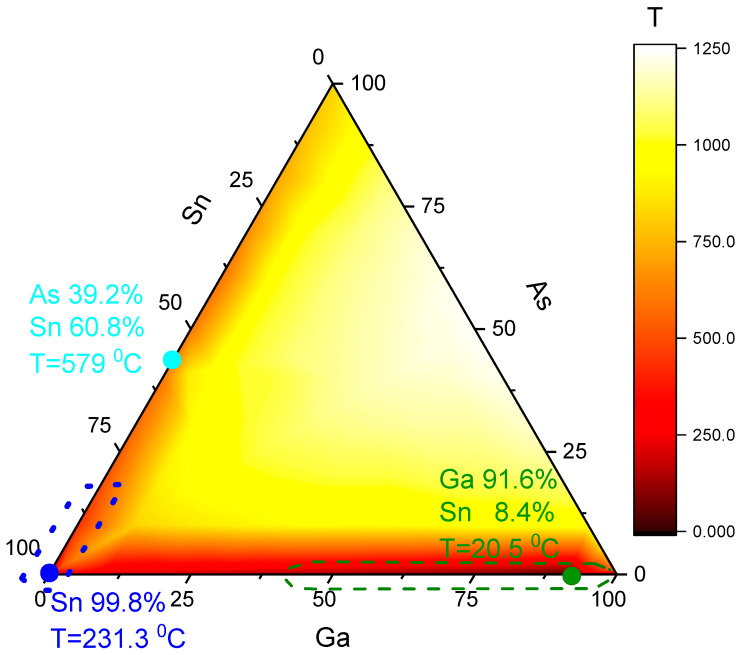 Figure 1
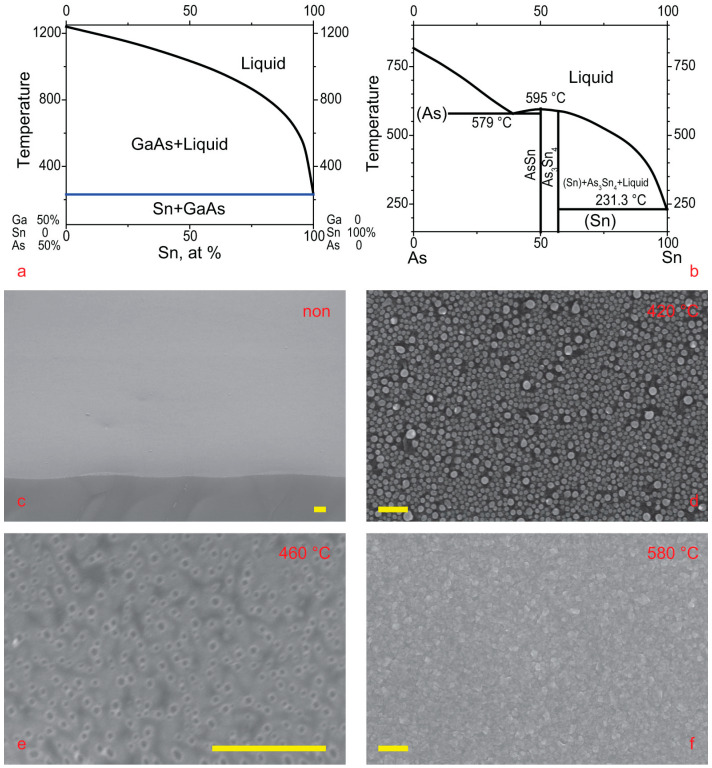 Figure 2
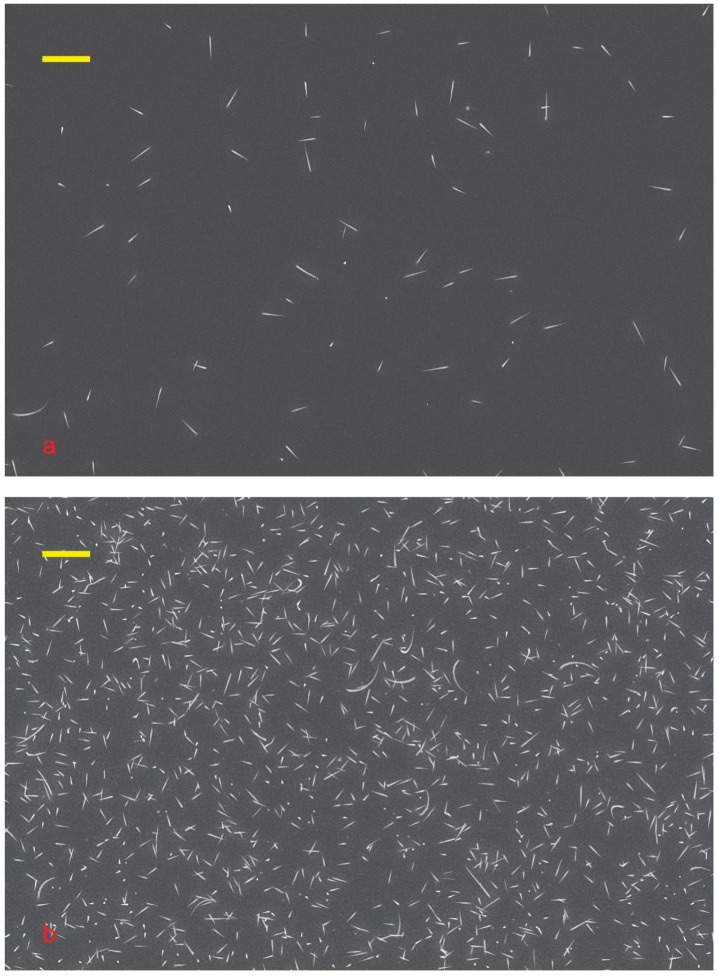 Figure 3
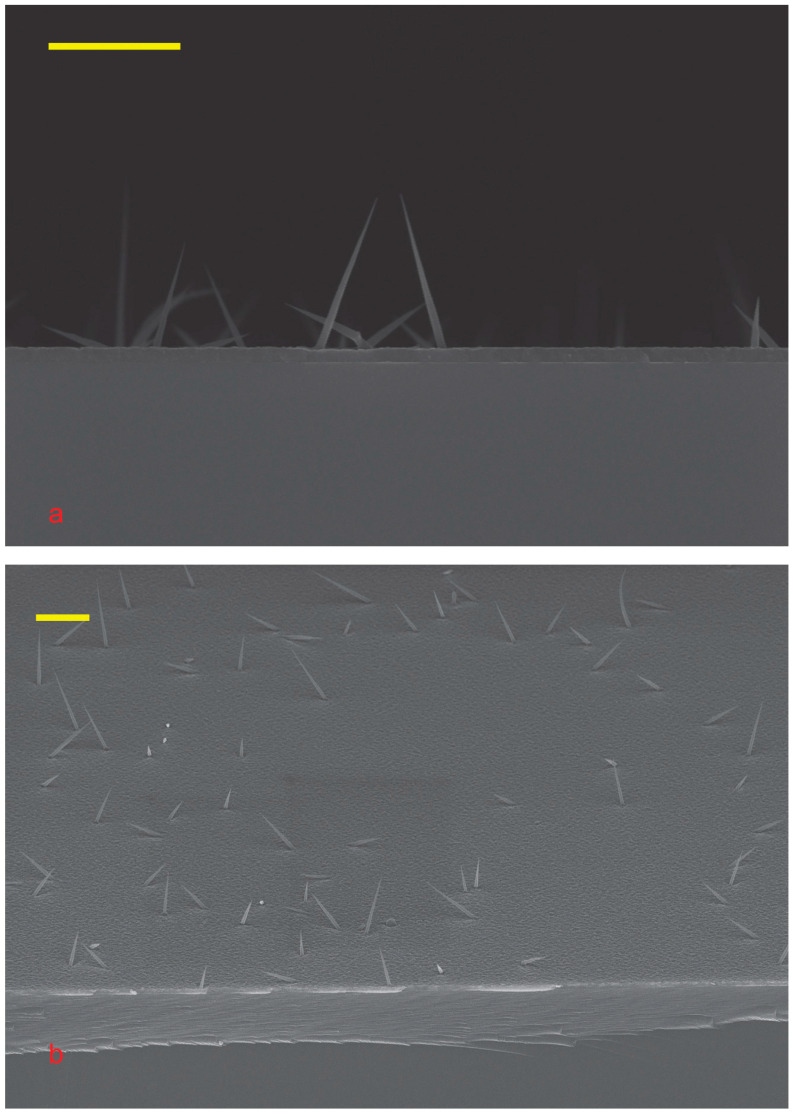 Figure 4
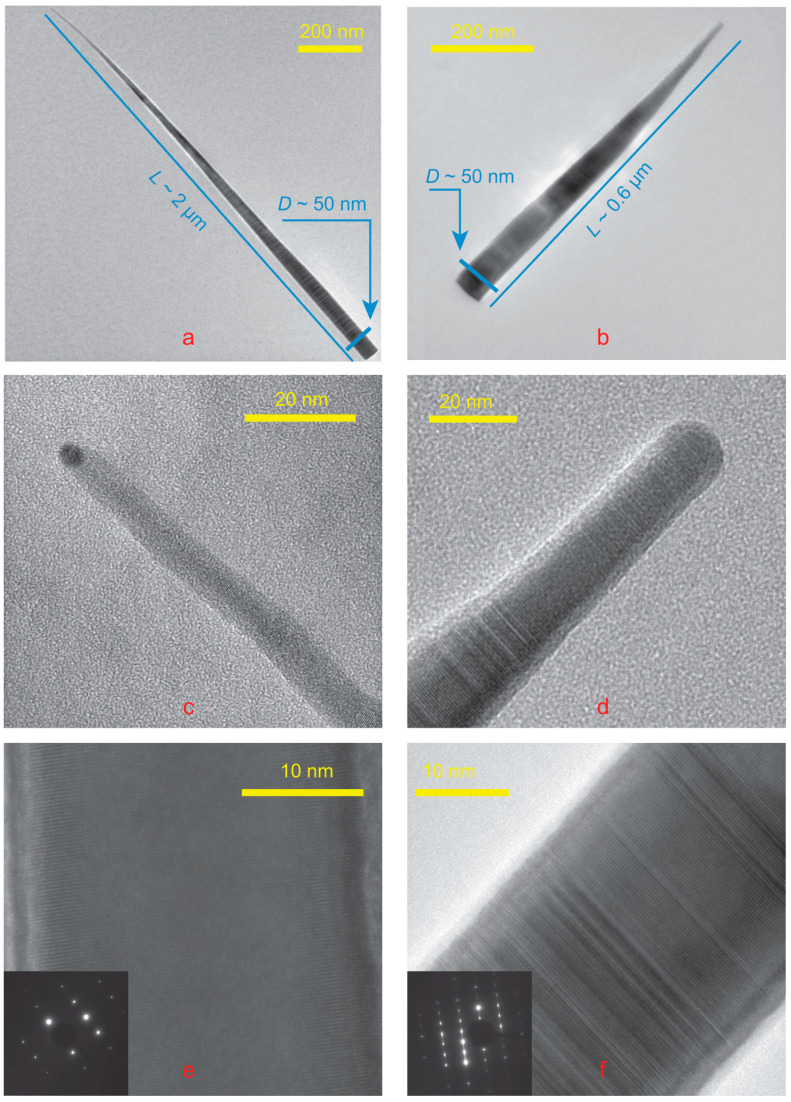 Figure 5
Peer Reviews
No public reviews on file for this paper yet. If you reviewed it on a platform where reviews are public (OpenReview, ICLR, NeurIPS, ICML), you can paste yours below so the community can read it here.
Videos
No videos yet. Explain this paper in a talk, walkthrough, or lecture? Add one.
Taxonomy
TopicsNanowire Synthesis and Applications · Semiconductor Quantum Structures and Devices · Carbon Nanotubes in Composites