Study on the Characteristics of Cement-Based Magnetoelectric Composites Using COMSOL
Weixuan Huang, Cuijuan Pang, Jianyu Xu, Kangyang Liang, Cunying Fan, Zeyu Lu, Chuncheng Lu

TL;DR
This study uses COMSOL to model and analyze the magnetoelectric properties of cement-based composites, revealing how factors like magnetic fields and layer thickness affect performance.
Contribution
A novel multiphysics-coupled model for cement-based magnetoelectric composites is developed and validated in COMSOL.
Findings
The model effectively reproduces internal stress–strain and voltage evolution in the composite.
A thin piezoelectric layer with a thick magnetostrictive layer maximizes magnetoelectric performance.
Longitudinal and transverse magnetoelectric coefficients show different coupling mechanisms due to anisotropy.
Abstract
A multiphysics-coupled 2–2 cement-based magnetoelectric composite model is established in COMSOL 6.2. This model is used to not only systematically investigate the magnetoelectric-coupling behavior, but also quantify the effects of the magnetic field, frequency, and layer-thickness ratio on the material’s magnetoelectric properties. The results demonstrate that the model effectively reproduces the internal stress–strain distribution and voltage evolution. Specifically, the magnetostrictive and piezoelectric layers exhibit mechanical responses with pronounced non-uniformity, which is attributed to boundary effects. The bias magnetic field plays a crucial regulatory role: the output voltage increases linearly from 0 to 2000 Oe and then saturates at higher fields. Under an alternating magnetic field, the composite exhibits pronounced resonance characteristics, whose frequency is jointly…
Genes, proteins, chemicals, diseases, species, mutations and cell lines named across the full text — each resolved to its canonical identifier and authoritative record.
Click any figure to enlarge with its caption.
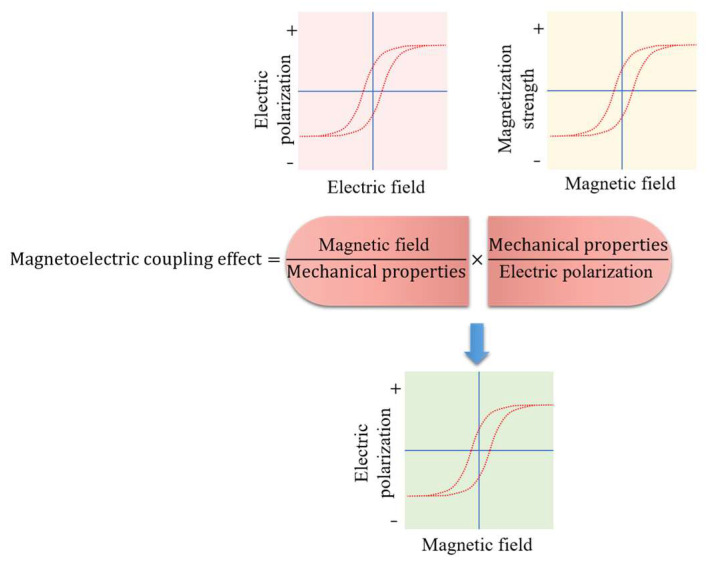 Figure 1
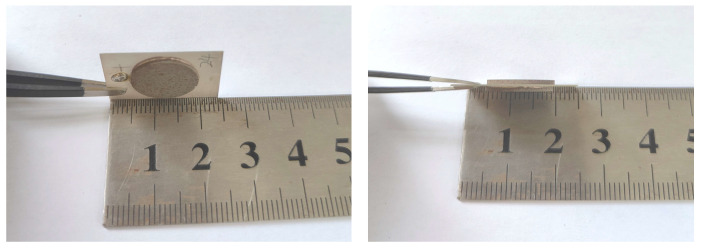 Figure 2
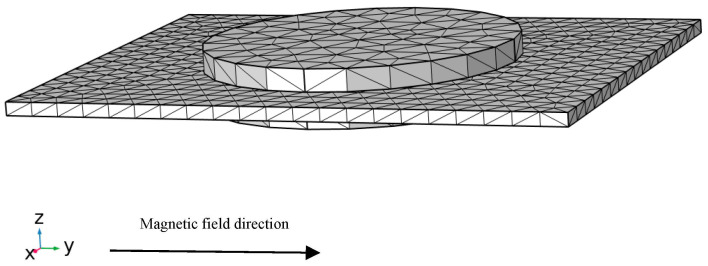 Figure 3
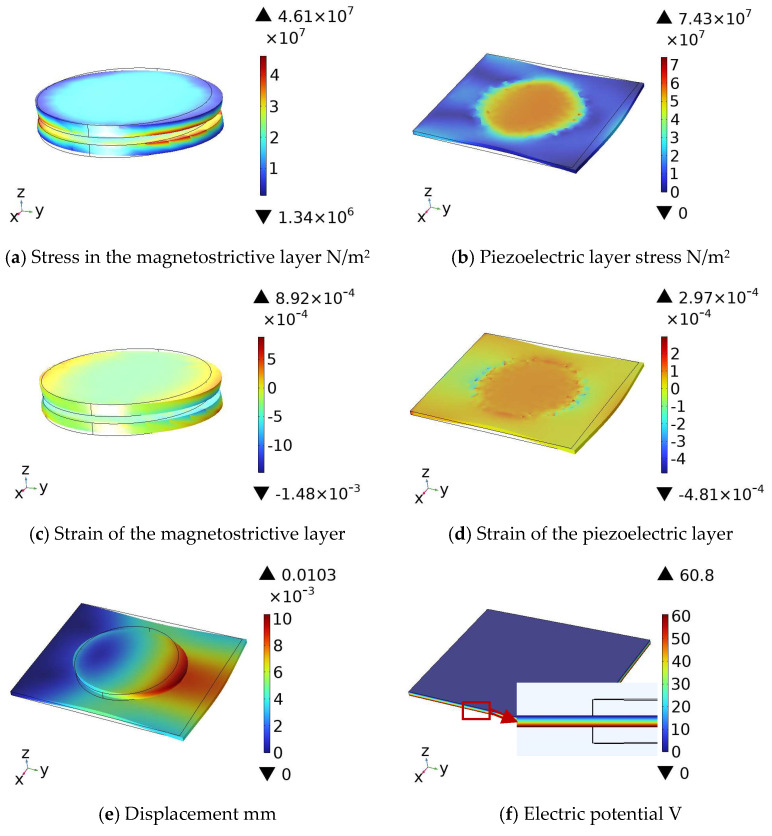 Figure 4
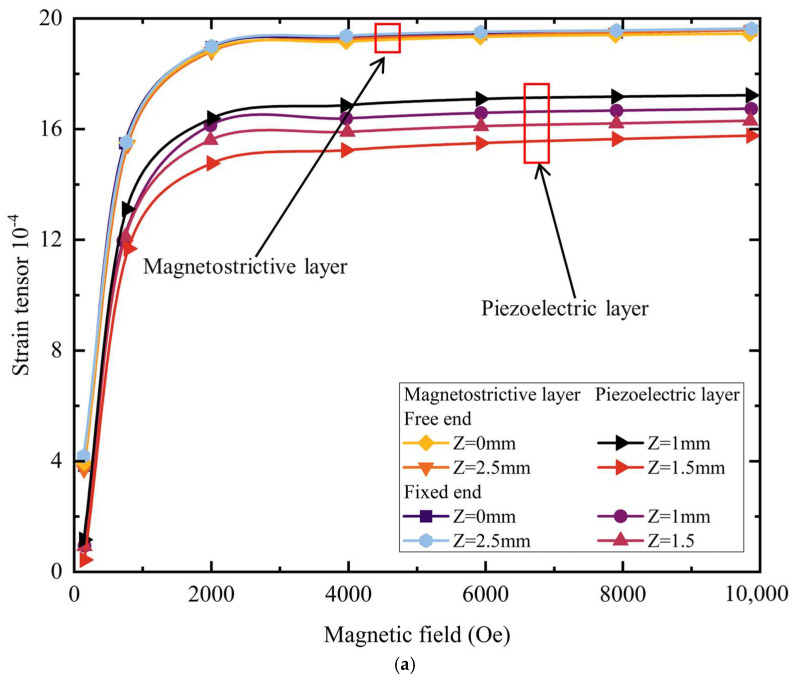 Figure 5
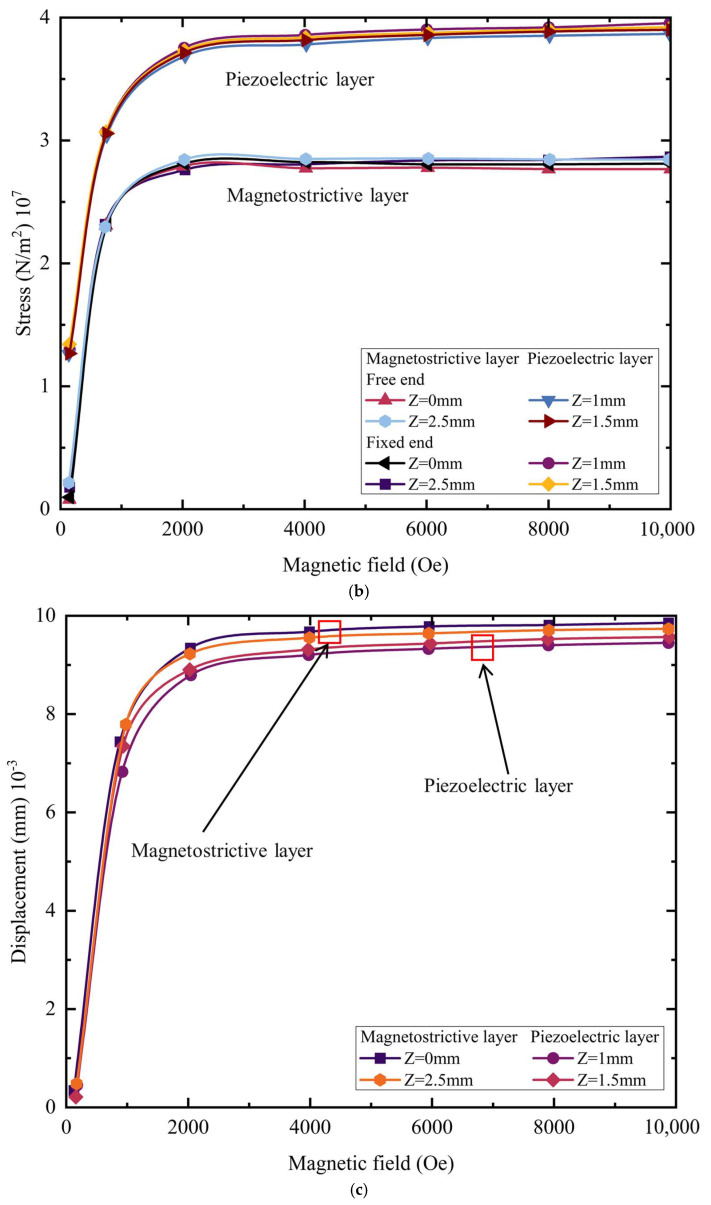 Figure 6
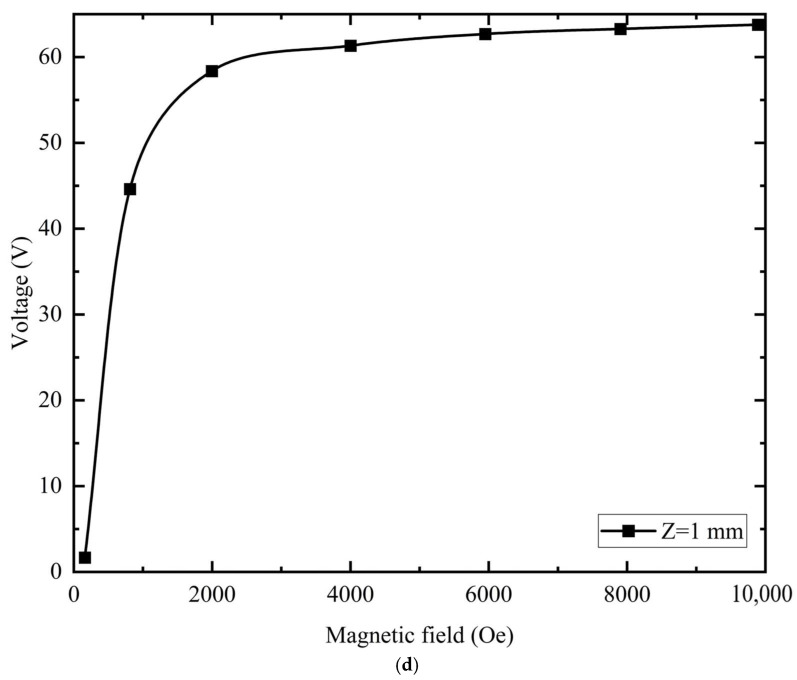 Figure 7
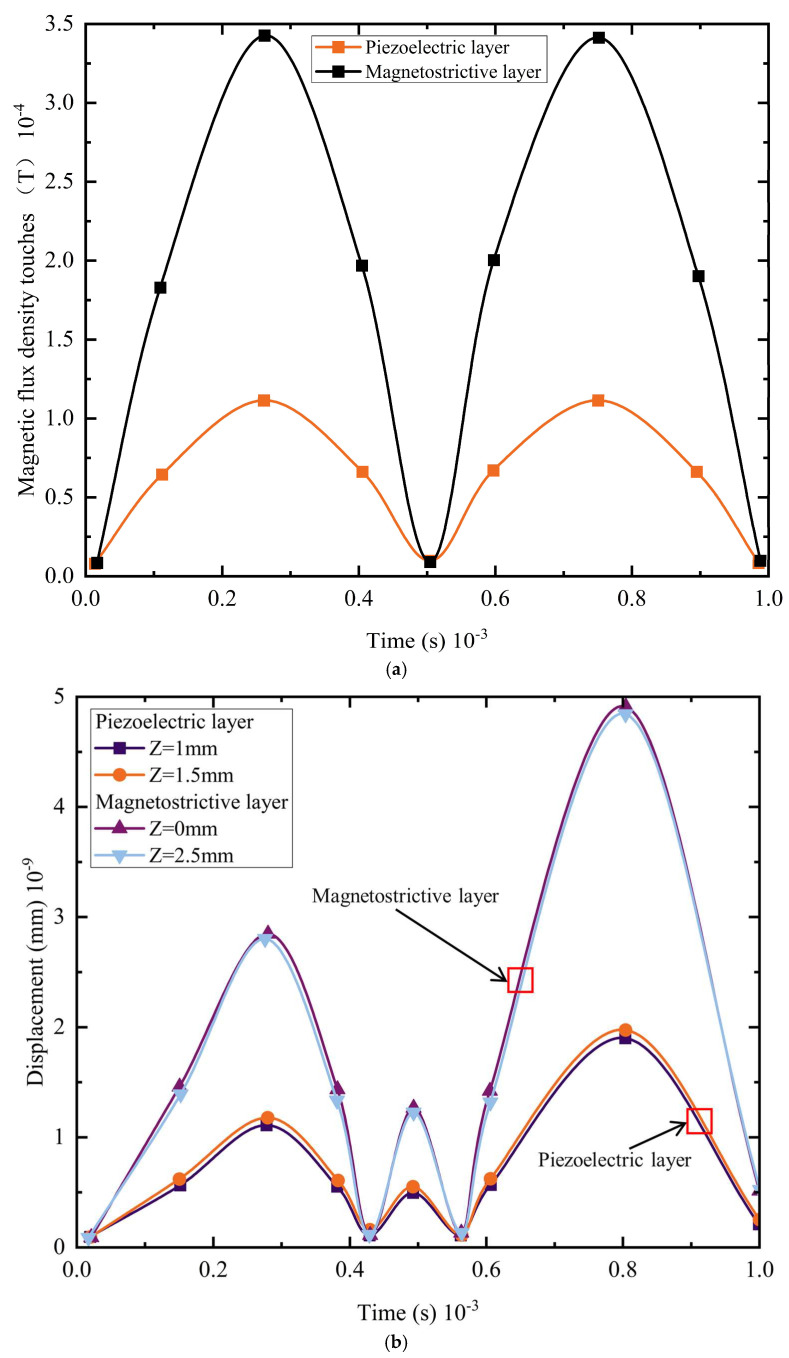 Figure 8
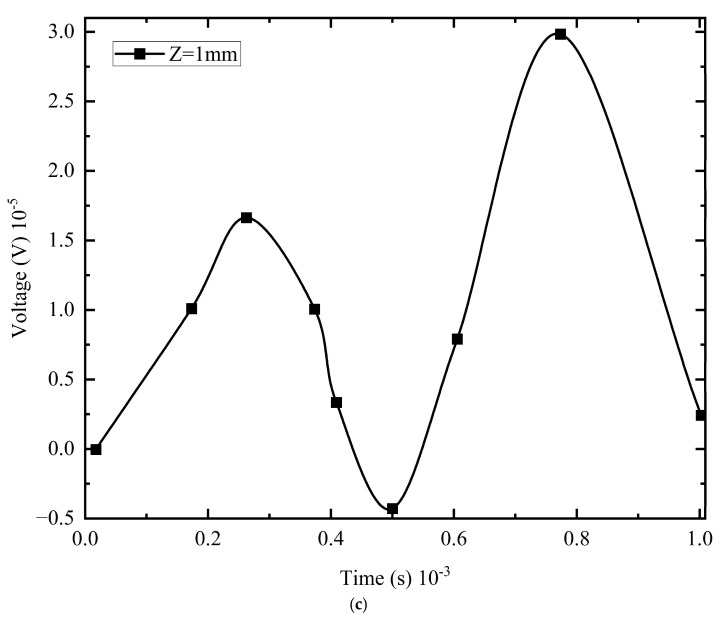 Figure 9
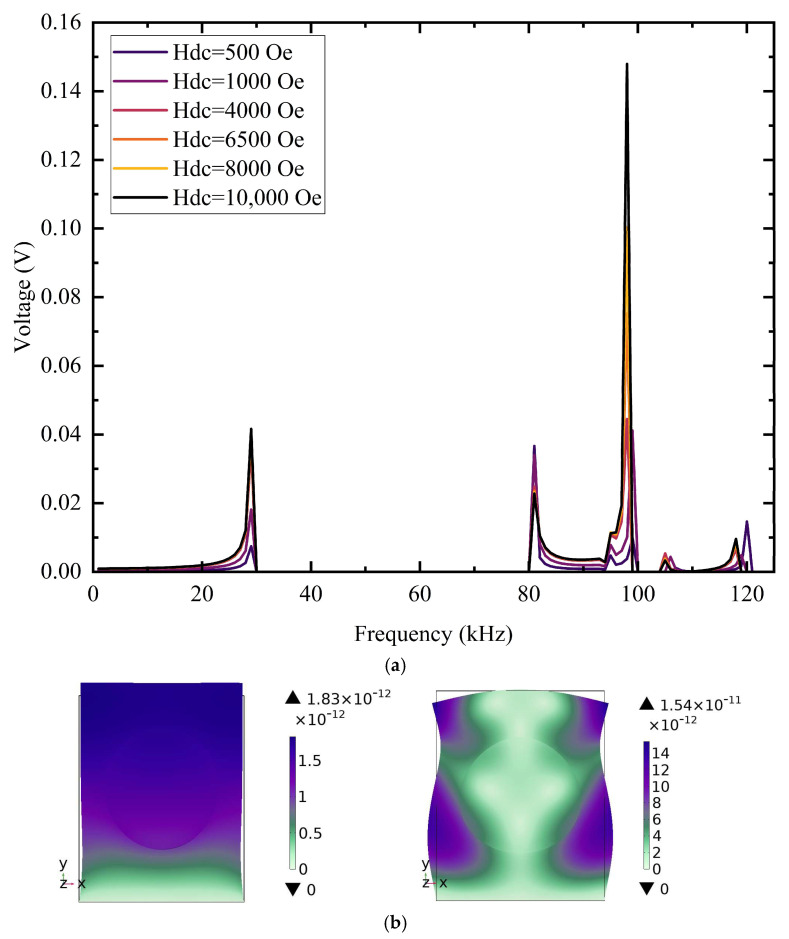 Figure 10
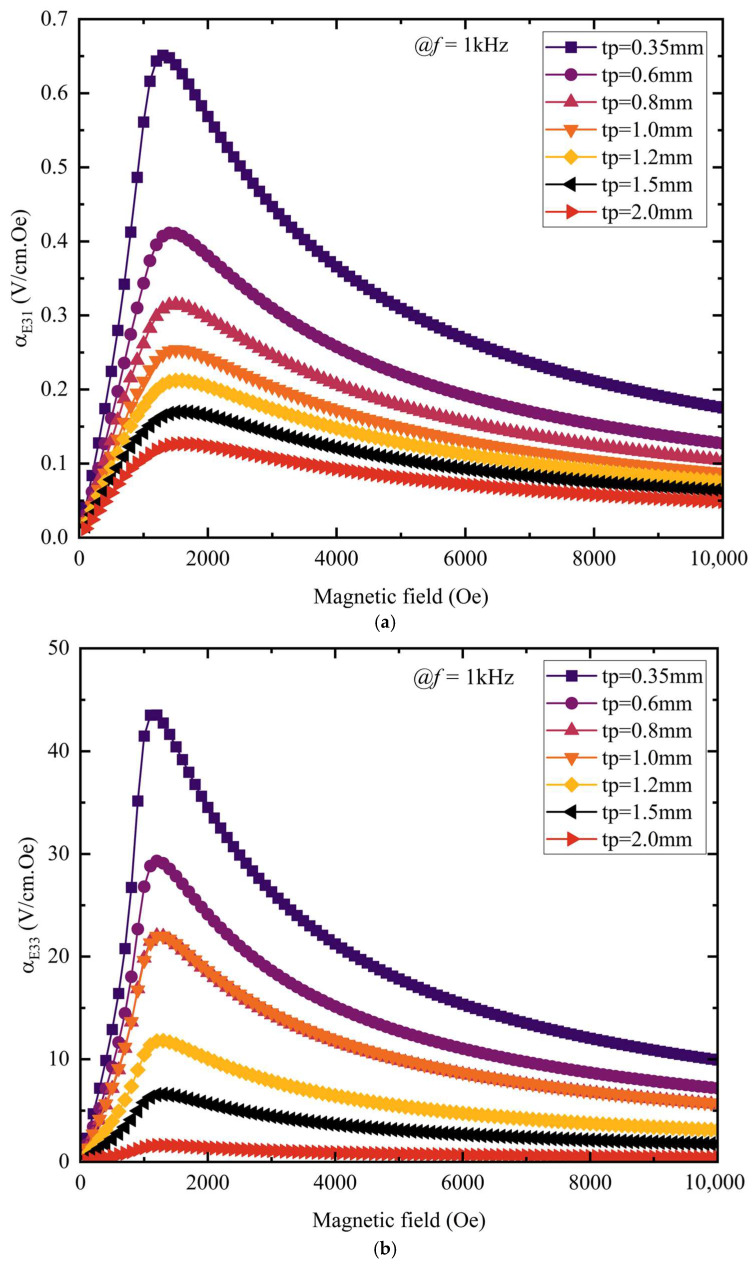 Figure 11
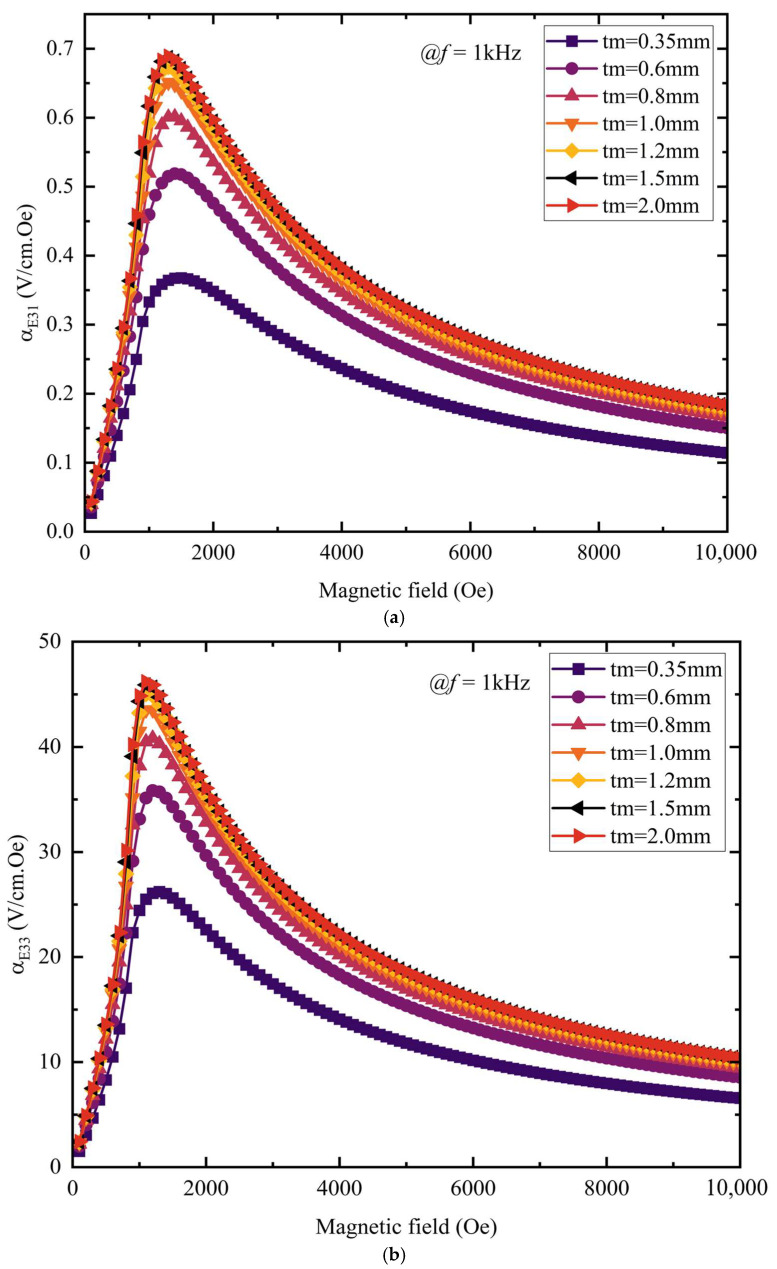 Figure 12
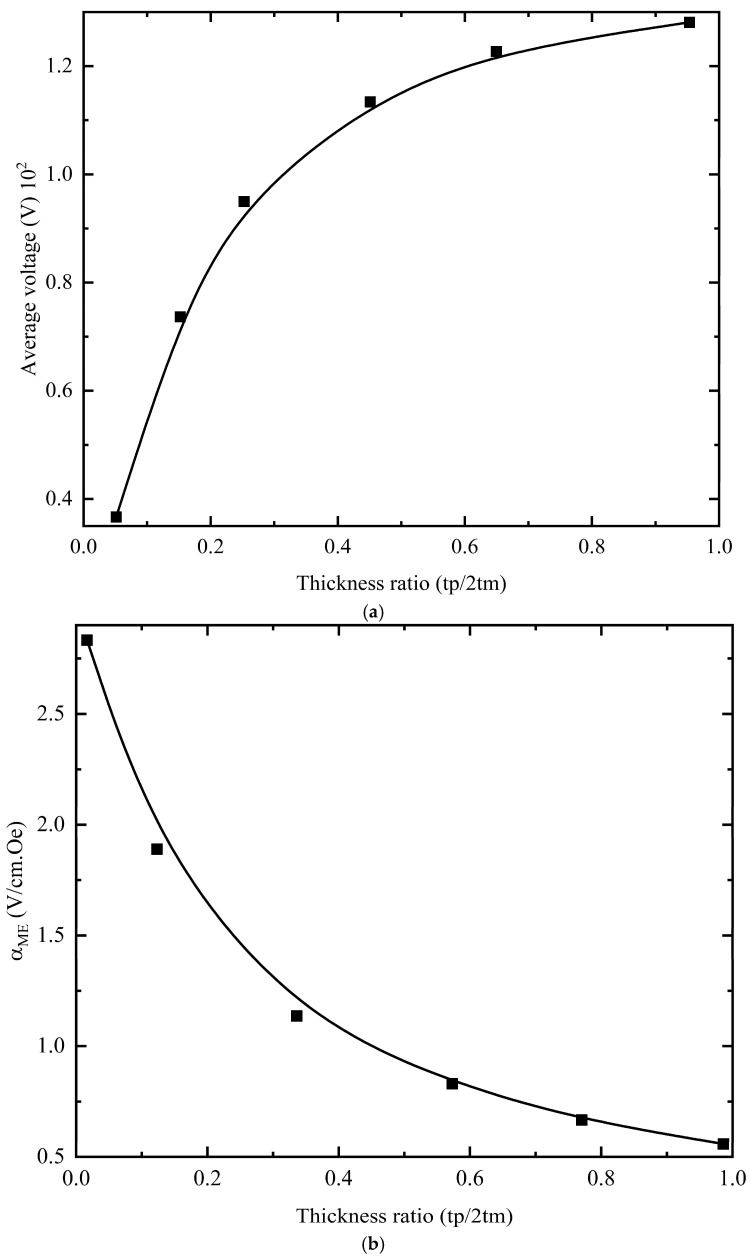 Figure 13
Peer Reviews
No public reviews on file for this paper yet. If you reviewed it on a platform where reviews are public (OpenReview, ICLR, NeurIPS, ICML), you can paste yours below so the community can read it here.
Videos
No videos yet. Explain this paper in a talk, walkthrough, or lecture? Add one.
Taxonomy
TopicsMultiferroics and related materials · Ferroelectric and Piezoelectric Materials · Composite Material Mechanics