Study on the Impact of Pea Protein on the Printability and Storage Quality of the 3D Printing Pork Jerky
Ligen Wu, Anna Wang, Qihan Cui

TL;DR
This study explores how adding pea protein improves the 3D printability and storage quality of pork jerky, finding that 20% pea protein enhances printability and that storage quality deteriorates with higher temperatures.
Contribution
The novel use of pea protein to enhance 3D printability and storage quality of pork jerky is introduced, with specific findings on optimal protein ratios and flavor compound changes during storage.
Findings
A 20% pea protein addition improved pork paste's gel strength from 93.31 to 241.52 g, enhancing 3D printability.
Storage at higher temperatures (up to 45 °C) significantly reduced moisture, freshness, and flavor stability of 3D-printed pork products.
233 volatile flavor compounds were identified, with nonanal, phenethylaldehyde, D-limonene, zingiberene, and α-curcumene being key contributors to the jerky's flavor profile.
Abstract
Food 3D printing technology for meat products has garnered significant attention. However, natural meat often requires the modification of its relevant properties to meet the processing demands of 3D printing. This study utilized minced pork as the primary raw material and employed pea protein to enhance both the 3D printability and storage quality characteristics of the pork paste. The results indicated that the optimal printing performance was achieved with a pea protein addition level of 20% (pork-to-pea protein mass ratios of 5:1). Specifically, pea protein significantly improved the material properties critical for 3D printing, enhancing the gel strength rising from 93.31 to 241.52 g and stability of the printing material. The 3D-printed pork products were stored at 25, 35, and 45 °C for 44 days, with increasing storage temperature, the moisture content, water activity, pH, and…
Genes, proteins, chemicals, diseases, species, mutations and cell lines named across the full text — each resolved to its canonical identifier and authoritative record.
Click any figure to enlarge with its caption.
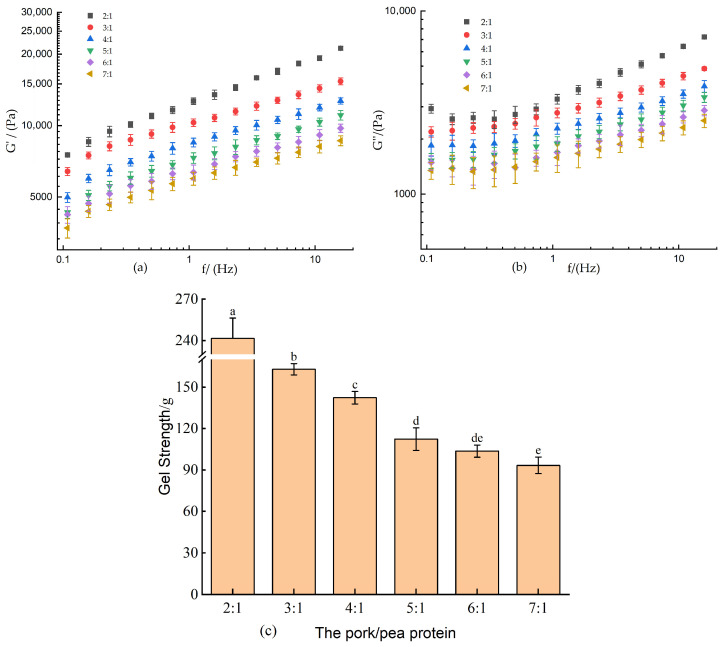 Figure 1
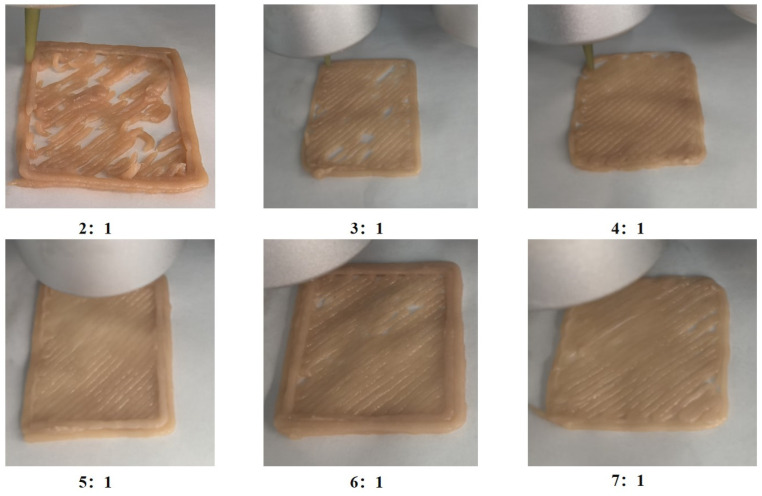 Figure 2
 Figure 3
 Figure 4
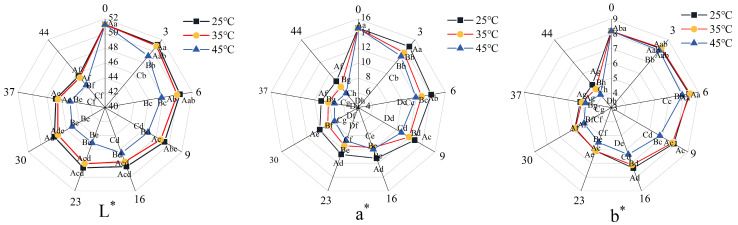 Figure 5
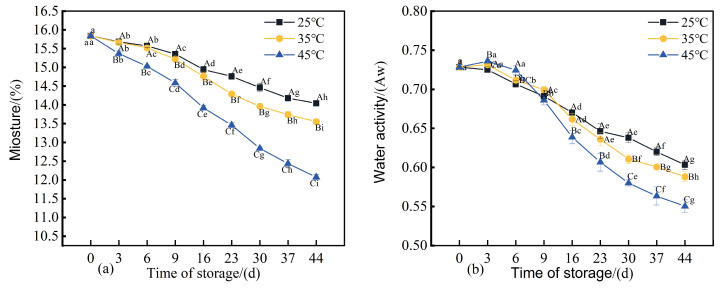 Figure 6
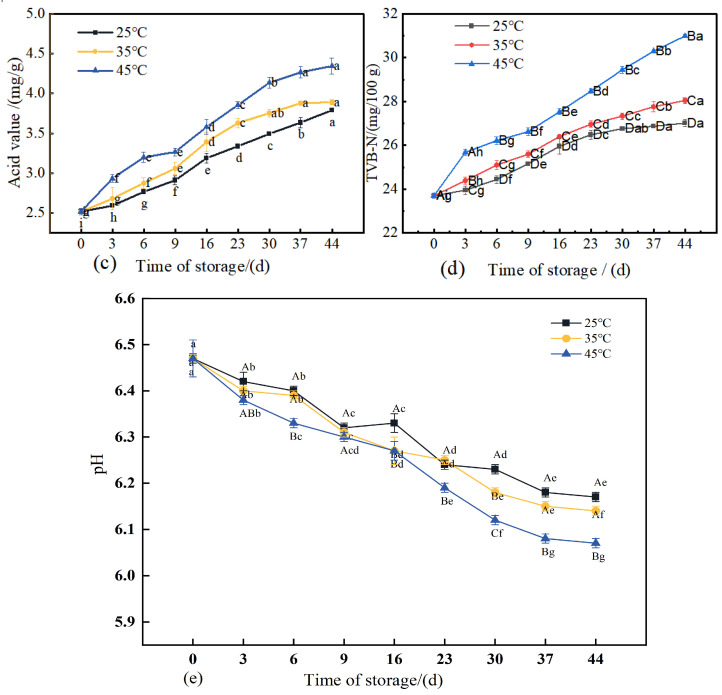 Figure 7
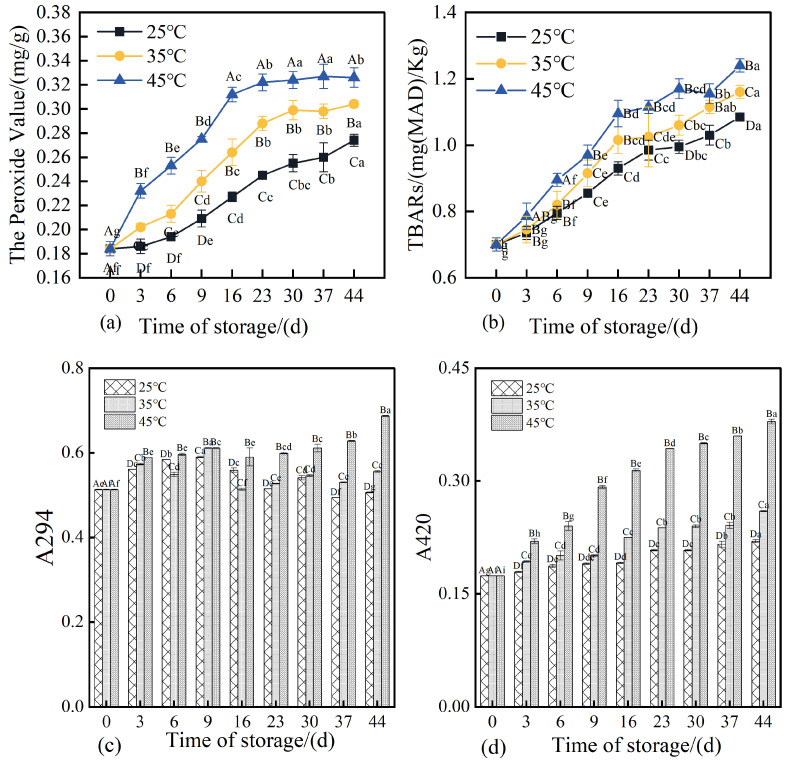 Figure 8
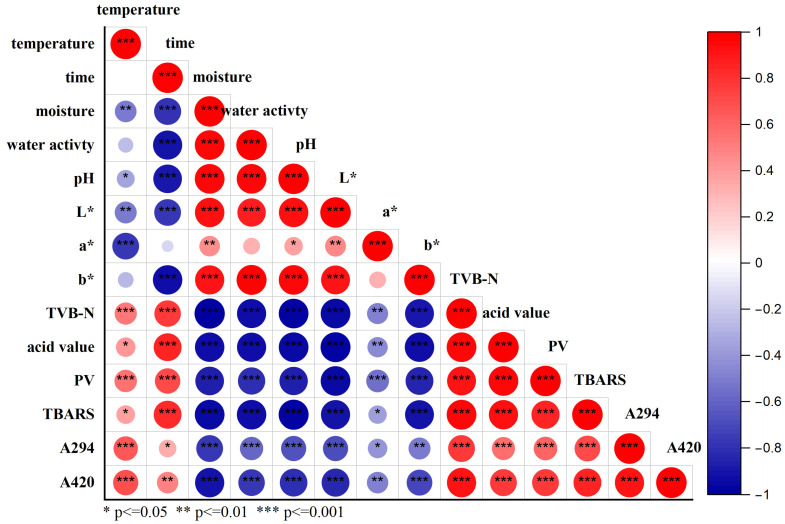 Figure 9
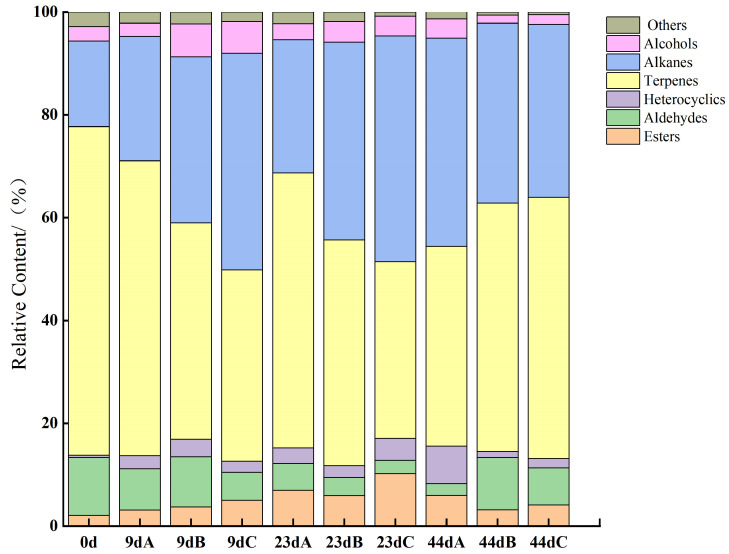 Figure 10
Peer Reviews
No public reviews on file for this paper yet. If you reviewed it on a platform where reviews are public (OpenReview, ICLR, NeurIPS, ICML), you can paste yours below so the community can read it here.
Videos
No videos yet. Explain this paper in a talk, walkthrough, or lecture? Add one.
Taxonomy
TopicsAdditive Manufacturing and 3D Printing Technologies · Meat and Animal Product Quality · 3D Printing in Biomedical Research