Fumarylacetoacetate Hydrolase Regulates Seed Dormancy and Germination Through the Gibberellin Pathway in Arabidopsis
Chao Hu, Hua Yang, Xuewen Zhang, Chunmei Ren, Lihua Huang

TL;DR
This study shows that a specific enzyme in plants affects seed dormancy and germination by influencing a key hormone pathway.
Contribution
The study reveals a novel role of fumarylacetoacetate hydrolase in regulating gibberellin signaling during seed dormancy and germination in Arabidopsis.
Findings
FAH deficiency in sscd1 seeds leads to accumulation of Tyr metabolites and deep dormancy.
GA3 levels and GA3-oxidase 1 expression are reduced in sscd1 seeds.
Inhibiting Tyr metabolite accumulation rescues sscd1 seed dormancy and germination.
Abstract
Tyrosine (Tyr) degradation is a crucial pathway in animals. However, its role in plants remains to be examined. Fumarylacetoacetate hydrolase (FAH) is the final enzyme involved in Tyr degradation. Studies of a mutant of the SHORT-DAY SENSITIVE CELL DEATH 1 (SSCD1) gene encoding FAH in Arabidopsis have shown that blockage of this pathway results in the accumulation of Tyr metabolites, thereby inducing cell death under short-day conditions. Seed dormancy is a critical trait which is regulated by endogenous and environmental cues, among which abscisic acid (ABA) and gibberellin (GA) are the primary effectors. ABA induces seed dormancy, whereas GA releases seed dormancy. In this study, sscd1 seeds displayed deep dormancy and hypersensitivity to the GA biosynthesis inhibitor paclobutrazol, but not to ABA during germination. However, exogenous GA3 could not completely recover dormancy or…
Genes, proteins, chemicals, diseases, species, mutations and cell lines named across the full text — each resolved to its canonical identifier and authoritative record.
Click any figure to enlarge with its caption.
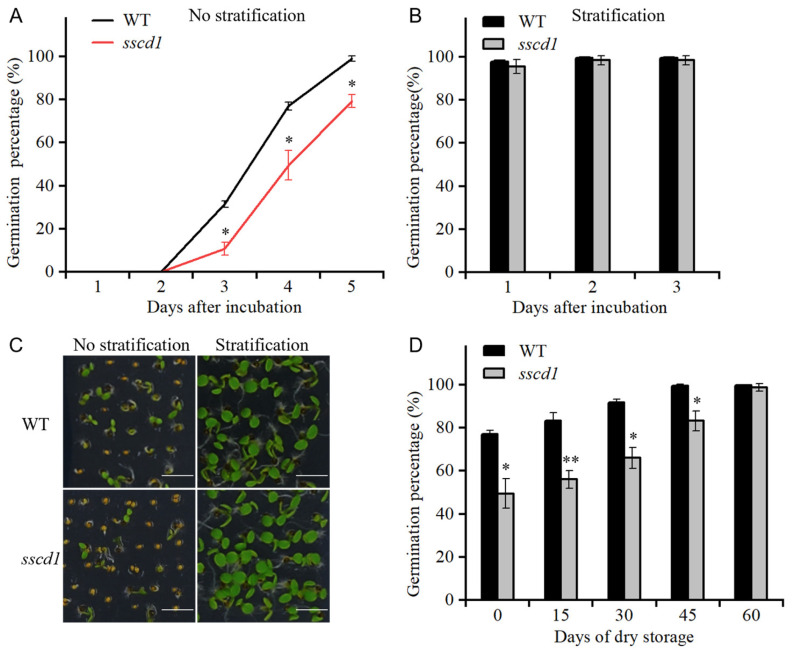 Figure 1
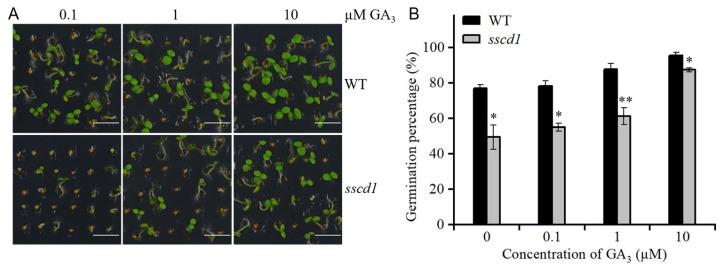 Figure 2
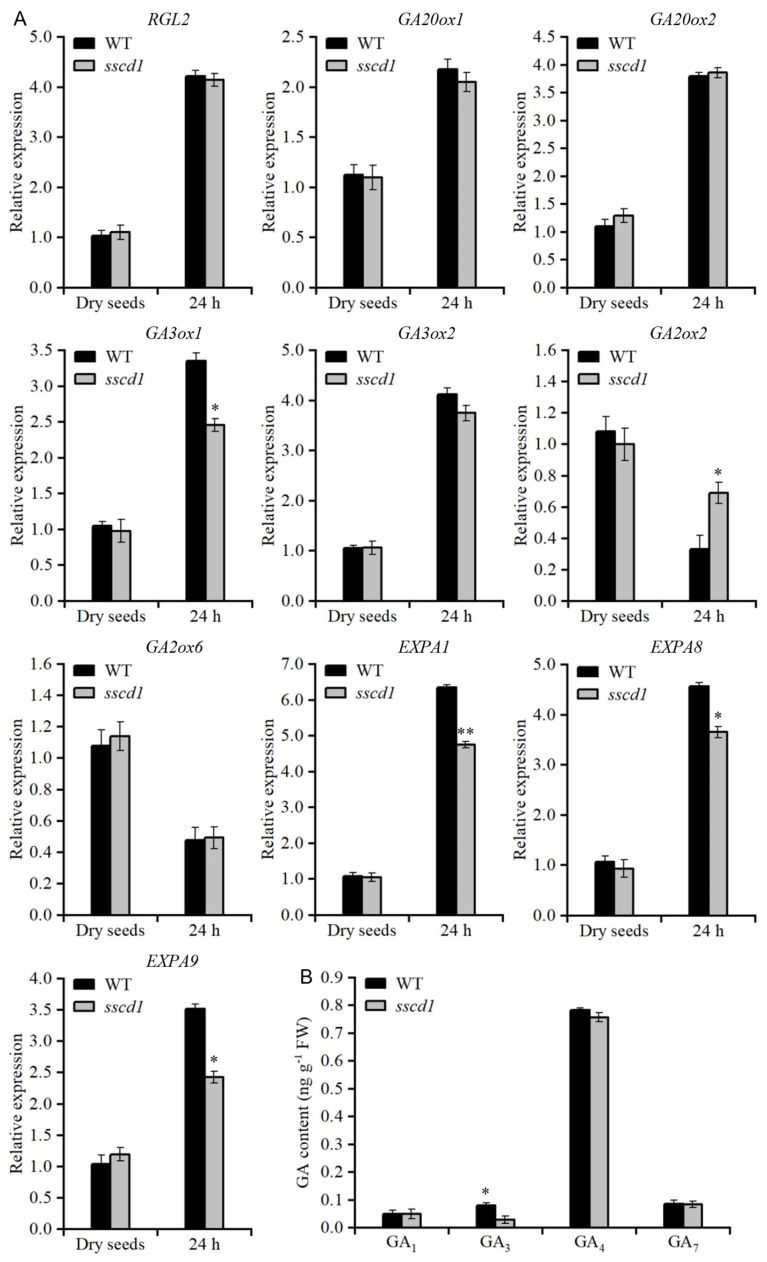 Figure 3
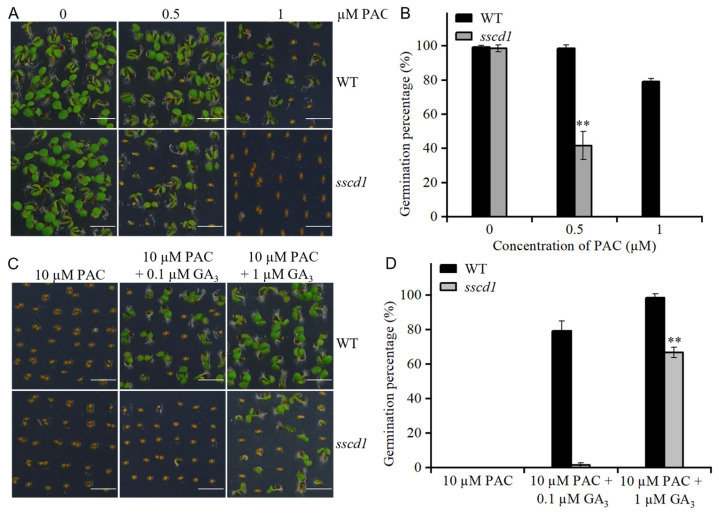 Figure 4
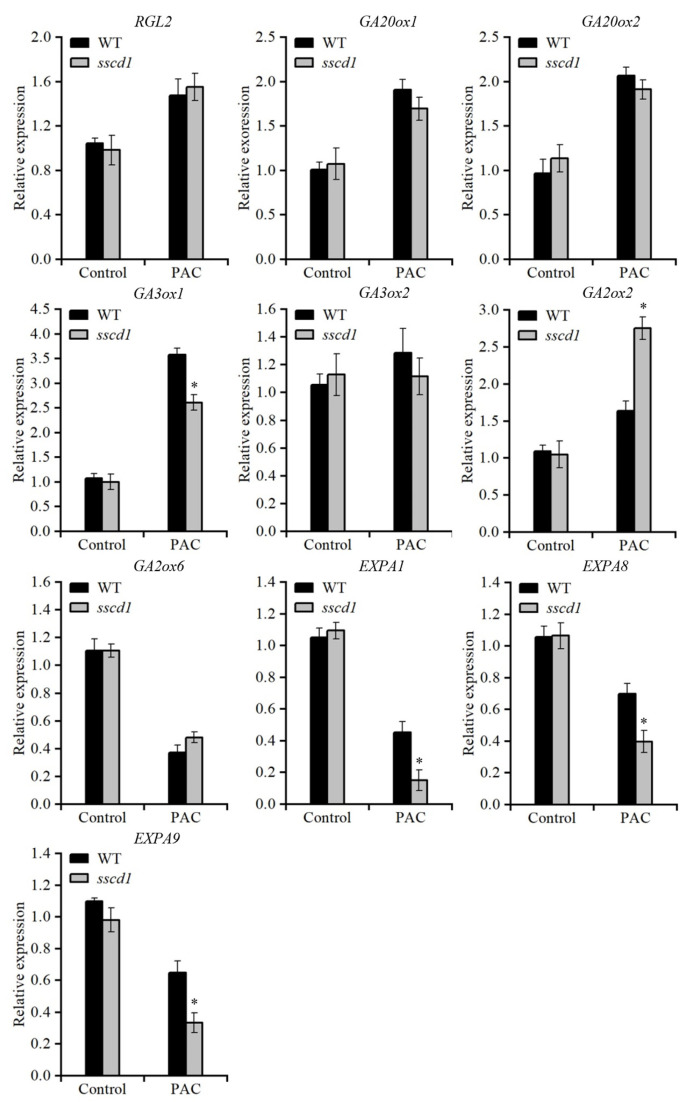 Figure 5
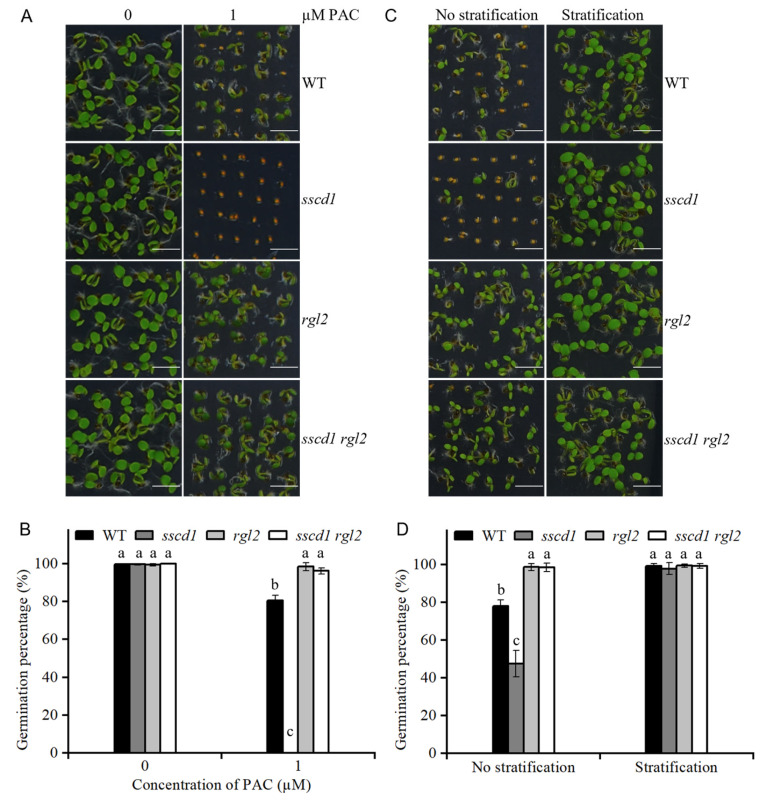 Figure 6
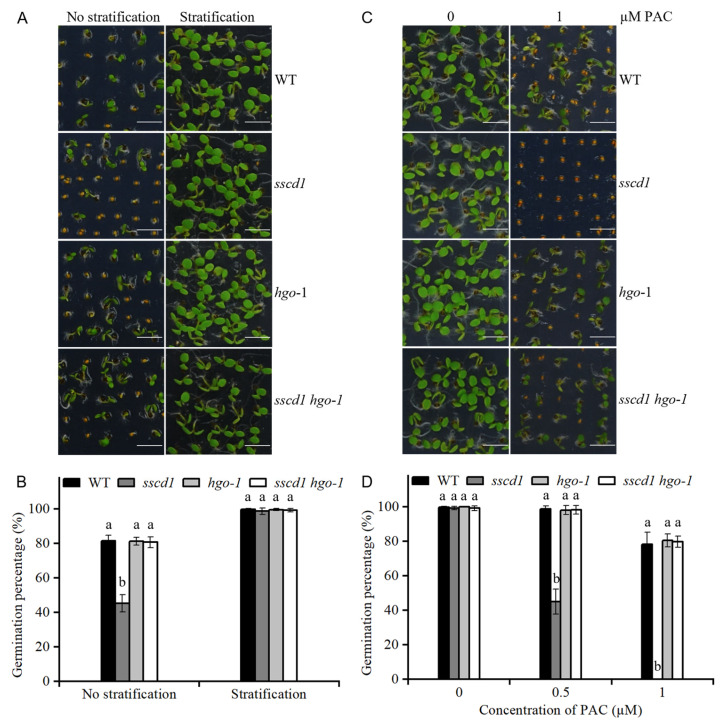 Figure 7
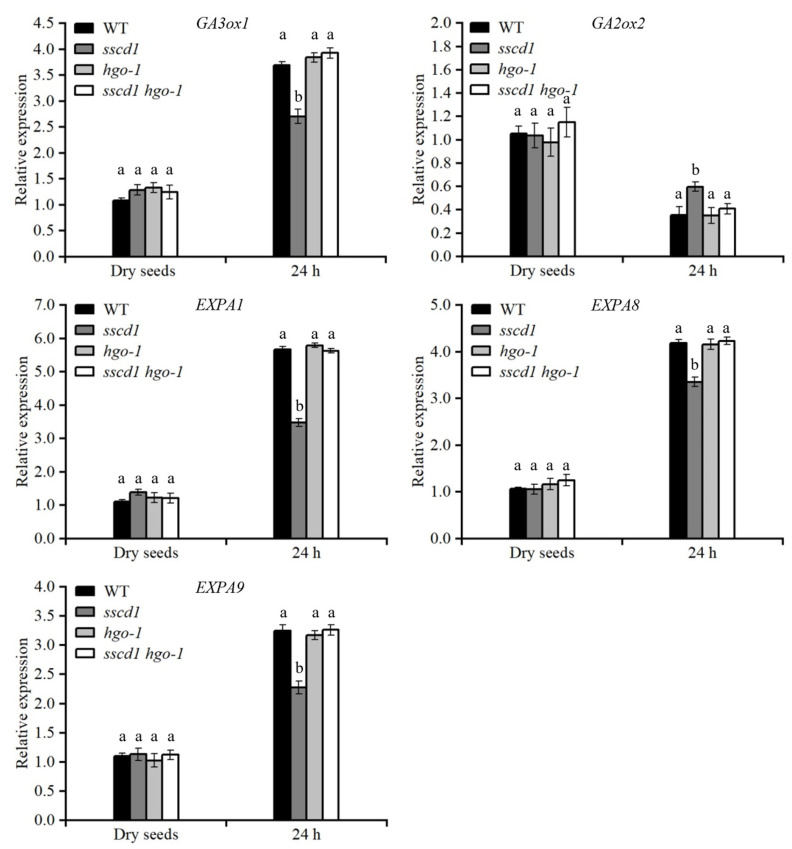 Figure 8
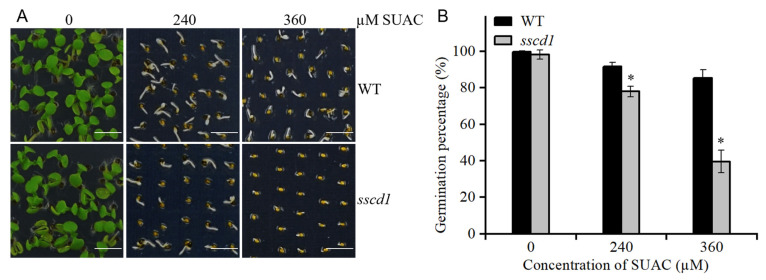 Figure 9
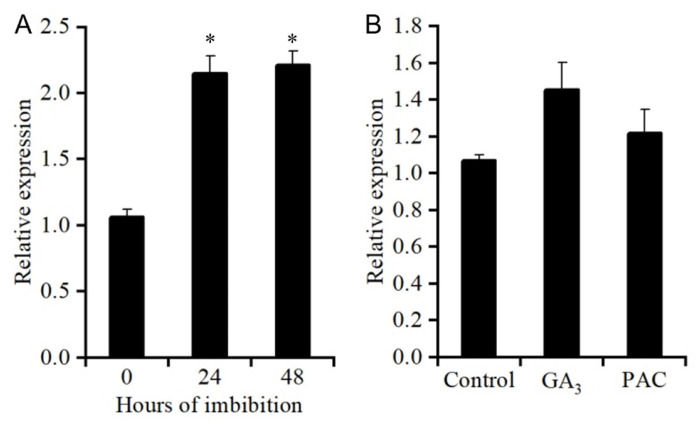 Figure 10
- —Hunan Provincial Natural Science Foundation of China
Peer Reviews
No public reviews on file for this paper yet. If you reviewed it on a platform where reviews are public (OpenReview, ICLR, NeurIPS, ICML), you can paste yours below so the community can read it here.
Videos
No videos yet. Explain this paper in a talk, walkthrough, or lecture? Add one.
Taxonomy
TopicsSeed Germination and Physiology · Plant Molecular Biology Research · Plant Stress Responses and Tolerance
1. Introduction
Seed dormancy prevents or delays germination even under favorable conditions. The most common class of seed dormancy is physiological dormancy, which is induced during seed maturation and peaks in freshly harvested seeds [1]. Physiological dormancy in Arabidopsis seeds can be released by imbibition at low temperatures (stratification) or dry storage [2,3,4]. Phytohormones, abscisic acid (ABA) and gibberellins (GAs), play essential roles in regulating physiological dormancy and germination. ABA induces seed dormancy and represses germination. Therefore, elevated ABA biosynthesis enhances seed dormancy, whereas decreased ABA biosynthesis releases seed dormancy [1,2]. 9-cis-epoxycarotenoid dioxygenase (NCED) catalyzes carotenoid cleavage, a key step in ABA biosynthesis. In Arabidopsis thaliana, NCED6 and NCED9 participate in ABA synthesis in seeds. Mutations in NCED6 and NCED9 reduce ABA levels in seeds, while overexpression of NCED6 results in ABA overproduction [5]. Accordingly, shallow and deeper dormancy is observed in nced6 nced9 mutant seeds or seeds overexpressing NCED6, respectively [5]. ABA initiates a signaling pathway by activating SNF1-related protein kinases 2, which phosphorylate downstream transcription factors, such as ABA INSENSITIVE (ABI) 3 and 4 [6]. ABA signaling components regulate seed dormancy. For example, loss of function of ABI3 or ABI4 reduced seed dormancy [7,8]. In contrast to ABA, GA promotes the release of seed dormancy and germination [1,2]. GA20-oxidase (GA20ox) and GA3-oxidase (GA3ox) catalyze the final two steps in GA biosynthesis [9]. The major genes in Arabidopsis that produce GA during seed germination are GA20ox1, GA20ox2, GA3ox1, and GA3ox2 [10,11]. GA2-oxidase (GA2ox) catalyzes the deactivation of bioactive GA [12]. In Arabidopsis, GA2ox2 and GA2ox6 regulate seed germination [12,13]. Hence, altered expression of these genes affects germination [10,11,12,13]. GA forms a complex that triggers degradation of DELLA proteins, thereby initiating GA signaling pathway [14]. RGA-LIKE 2 (RGL2) is a key DELLA protein related to seed dormancy and germination. Loss-of-function in RGL2 reduces seed dormancy and allows germination under GA-limited conditions, whereas RGL2 overexpression strongly inhibits seed germination [15,16].
The level of Tyr tends to increase during the late stage of seed development in which seed dormancy is established [17]. This suggests that Tyr metabolism may be involved in regulating dormancy. Tyr is degraded to fumarate and acetoacetate in five enzymatic steps. Tyr is first transformed into maleylacetoacetate by Tyr aminotransferase, 4-hydroxyphenylpyruvate dioxygenase, and homogentisate dioxygenase (HGO). Maleylacetoacetate is then metabolized to fumarate and acetoacetate by maleylacetoacetate isomerase and fumarylacetoacetate hydrolase (FAH) [18,19,20]. Tyr degradation is a crucial pathway in animals [18]. Mutations affecting enzymes in this pathway lead to genetic diseases, such as tyrosinemia type I, which is a devastating disorder caused by FAH deficiency [21]. FAH deficiency causes cellular accumulation of Tyr metabolites such as succinylacetone (SUAC), which consequently damages DNA and proteins and results in organ dysfunction [21,22]. Suitably, HGO inactivation protects against the effects of FAH deficiency [21]. Arabidopsis possesses three genes encoding putative FAH domain-containing (FAHD) proteins: AT3G16700, AT1G12050 and AT4G159409 (AtFAHD1a), among which the protein encoded by AT1G12050 has been confirmed as FAH enzyme [23,24]. However, enzymatic activities of putative proteins encoded by AT3G16700 and AtFAHD1a remain to be investigated [23]. Mutation of the SHORT-DAY SENSITIVE CELL DEATH 1 (SSCD1) gene encoding FAH in Arabidopsis resulted in cell death under short-day conditions. HGO knockout restored the cell death of the sscd1 mutant via interception of toxic Tyr metabolites [25,26]. Zhou et al. [27] reported that the Tyr degradation pathway may regulate cell death through the jasmonate signaling pathway in Arabidopsis. In addition, a lack of FAH decreases the seed-setting rate in rice [28]. These data suggest that the Tyr degradation pathway has a critical role in plants. However, current knowledge of Tyr degradation is limited in plants.
To gain more insight into the Tyr degradation pathway in plants, the role of SSCD1 in seed dormancy and germination was investigated in this study. SSCD1 showed an essential role in seed dormancy and germination by affecting the GA pathway. Moreover, loss of function of SSCD1 enhanced seed dormancy and repressed seed germination by affecting GA biosynthesis and signaling. Furthermore, HGO mutation suppressed dormancy and germination in sscd1 seeds. Overall, the study revealed that the Tyr degradation pathway participates in the GA pathway, which regulates seed dormancy and germination.
2. Results
2.1. The sscd1 Mutant Showed Increased Seed Dormancy
To investigate the effect of SSCD1 mutation on seed dormancy, seed germination of the sscd1 mutant and wild-type Col-0 (WT) was monitored. Using freshly harvested seeds, the sscd1 mutant exhibited delayed seed germination compared with that of the WT without stratification treatment (Figure 1A,C). On the 4th day after sowing, the germination percentage of sscd1 seeds was <49.5%, whereas that of WT seeds was >77% (Figure 1A). These results indicate that sscd1 seeds had increased dormancy. Furthermore, the germination of sscd1 and WT seeds after stratification or dry storage was examined. The germination percentage of freshly harvested sscd1 seeds was comparable with that of freshly harvested WT seeds after three days of cold stratification in darkness at 4 °C (Figure 1B,C). When stored for 30 days at 23 °C, only 66% of sscd1 seeds germinated, whereas 91.7% of the WT seeds germinated on the 4th day after sowing (Figure 1D). When stored for 60 days, the mutant seeds exhibited no significant differences from the WT seeds during germination (Figure 1D). These results demonstrated that stratification treatment and dry storage can break sscd1 seed dormancy.
2.2. The sscd1 and WT Seed Showed Similar Responses to ABA
The germination of sscd1 seeds stored for 15 days under ABA treatment was investigated. The sscd1 mutant did not exhibit a significant difference in sensitivity to ABA compared with that of the WT during germination. Moreover, the ABA content in sscd1 and WT seeds either before or 24 h after seed imbibition was not significantly different. In addition, no obvious differences were observed in terms of the expression of ABA biosynthesis and signaling genes (NCED6, NCED9, ABI3, and ABI4) in both dry and imbibed seeds of sscd1 and WT plants (Figure S1). These data suggested that SSCD1-regulated dormancy does not involve the ABA signaling pathway.
2.3. Dormant sscd1 Seeds Were Less Sensitive to GA
To examine whether GA is involved in seed dormancy in the sscd1 mutant, the germination of freshly harvested seeds was evaluated in the presence of GA_3_. As shown in Figure 2, the germination percentage of sscd1 seeds was obviously lower than that of WT seeds after GA_3_ treatment. In the presence of 1 µM GA_3_, sscd1 seeds showed 61.3% germination, whereas WT seeds showed 87.8% germination on the 4th day after sowing. In the presence of 10 µM GA_3_, sscd1 germinated on average 8.7% less than WT (Figure 2). These results confirm that dormant sscd1 seeds are less responsive to GA, thus suggesting that GA signaling is involved in SSCD1-regulated seed dormancy.
2.4. SSCD1 Mutation Affects GA Biosynthesis
As previously mentioned, sscd1 seeds displayed a reduced response to GA (Figure 2). RGL2 is a critical repressor of the GA response [14]. Therefore, RGL2 expression in the dry and imbibed seeds of sscd1 and WT plants was compared. RGL2 showed no differences in sscd1 seeds compared with that in WT seeds (Figure 3A). GA biosynthesis is subject to negative feedback regulation via the GA response [29,30]. Therefore, expression of GA20ox1, GA20ox2, GA3ox1 and GA3ox2 in dry and imbibed seeds from sscd1 and WT plants was analyzed. No significant difference in GA20ox1, GA20ox2, and GA3ox2 expression was found between sscd1 and WT seeds. However, decreased GA3ox1 expression was detected in imbibed sscd1 seeds (Figure 3A). Moreover, increased expression of GA2ox2 was detected in imbibed sscd1 seeds (Figure 3A). Endogenous GA content was also measured in freshly harvested seeds of sscd1 and WT plants imbibed for 24 h. GA_3_ level was lower in sscd1 seeds than in WT seeds (Figure 3B). Furthermore, some GA-regulated genes involved in cell wall extension during germination, such as expansin (EXP) A1, EXPA8, and EXPA9, were expressed at markedly lower levels in imbibed sscd1 seeds than in imbibed WT seeds, although their expression levels were similar in dry seeds (Figure 3A). These data suggest that SSCD1 mutation repressed GA biosynthesis in imbibed seeds.
2.5. The sscd1 Seeds Were Hypersensitive to Paclobutrazol
To further verify the role of SSCD1 in GA-mediated seed germination, the germination of sscd1 and WT seeds after 60 days of storage was investigated in the presence of paclobutrazol (PAC). The sscd1 seeds exhibited PAC hypersensitivity. In the presence of 0.5 µM PAC on the 4th day after sowing, sscd1 seeds germinated 41.7%, whereas WT seeds germinated 98.5% (Figure 4A,B). Germination of sscd1 seeds was completely inhibited in the presence of 1 µM PAC (Figure 4A,B). Germination of sscd1 and WT seeds was also evaluated in the presence of 10 µM PAC and various GA_3_ concentrations. As shown in Figure 4C,D, in the presence of 0.1 µM GA_3_, PAC-treated sscd1 seeds showed 1.6% germination, whereas PAC-treated WT seeds showed 79.2% germination on the 4th day after sowing. In the presence of 1 µM GA_3_, sscd1 germinated on average 32.3% less than WT (Figure 4C,D). Moreover, 10 µM GA_3_ treatment improved germination of PAC-treated sscd1 and WT seeds. Although the germination percentage of sscd1 seeds was comparable with that of WT seeds on the 2nd day after sowing, the germination percentage of sscd1 seeds was obviously lower than that of WT seeds on the first day after sowing (Figure S2). These results showed that defects in GA biosynthesis and signaling were responsible for the strong sscd1 germination inhibition in the presence of PAC.
2.6. GA Biosynthesis and Cell Wall Extension Genes Were Modulated in sscd1 Seeds Under PAC Treatment
To gain further insights into the relationship between SSCD1-regulated seed germination and the GA pathway, the expression of GA pathway-related genes in PAC-treated sscd1 and WT seeds was analyzed. In the absence of PAC, these genes showed similar expression in imbibed sscd1 and WT seeds (Figure 5). In the presence of PAC, the expression of RGL2 was similar in sscd1 and WT seeds. Among the GA synthesis genes, GA3ox1 was downregulated, whereas GA2ox2 was upregulated in sscd1 seeds under PAC treatment. EXPA1, EXPA8, and EXPA9 were expressed at considerably lower levels in PAC-treated sscd1 seeds than in PAC-treated WT seeds (Figure 5). The data showed that SSCD1 mutation alters the expression of genes involved in GA biosynthesis and cell wall extension under PAC-induced inhibition of GA biosynthesis.
2.7. SSCD1 Acted Upstream of RGL2
These results suggest that GA signaling is involved in seed germination mediated by SSCD1 (Figure 2 and Figure 4). RGL2 is a negative regulator of GA signaling [14,15,16]. To analyze the genetic relationship between SSCD1 and RGL2, a sscd1 rgl2 double mutant was generated by crossing the sscd1 mutant with a rgl2 mutant [31]. The rgl2 seeds displayed PAC insensitivity and reduced dormancy during germination (Figure 6). The seed germination phenotype of the double mutant was similar to that of the rgl2 mutant (Figure 6). These data suggest that SSCD1 acts upstream of RGL2.
2.8. Tyr Metabolites Were Involved in SSCD1-Regulated Seed Dormancy and Germination
FAH deficiency causes cellular accumulation of Tyr metabolites, such as fumarylacetoacetate and SUAC, which ultimately stunts growth [21,22]. To test the relationship between these metabolites and SSCD1-regulated seed dormancy and germination, the seed germination of the sscd1 hgo-1 mutant, in which fumarylacetoacetate and SUAC could not be produced, was first analyzed [22,25]. The germination percentage of freshly harvested sscd1 hgo-1 seeds was comparable with that of freshly harvested WT seeds, with or without stratification (Figure 7A,B). In the presence of PAC, germination of sscd1 hgo-1 seeds was similar to that of the WT seeds (Figure 7C,D). These results showed that HGO mutation suppressed the effect of SSCD1 mutation on seed dormancy and germination. Additionally, HGO mutation rescued the expression of genes associated with GA biosynthesis and cell wall extension in the imbibed sscd1 seeds (Figure 8). Thereafter, the sscd1 and WT seeds after 60 days of storage were sown on MS media containing SUAC, and seed germination was assessed. SUAC treatment delayed seed germination, and sscd1 seeds were more sensitive than WT seeds to SUAC (Figure 9). These results suggest that the accumulation of Tyr metabolites may be responsible for the dormancy and germination phenotypes observed in sscd1 seeds.
2.9. SSCD1 Expression Was Upregulated During Imbibition of Seeds
To better understand the function of SSCD1 in seed dormancy and germination, SSCD1 expression in dry and imbibed seeds was analyzed. SSCD1 expression was higher in the imbibed seeds than in the dry seeds (Figure 10A). Furthermore, the effects of GA and PAC on SSCD1 expression were analyzed. As shown in Figure 10B, SSCD1 expression was not significantly affected by GA_3_ or PAC treatment.
3. Discussion
The balance between ABA and GA is important for induction, maintenance and release of dormancy [1]. High endogenous ABA and low GA levels cause deep seed dormancy [1,2]. The Tyr degradation pathway is essential for survival of Arabidopsis under short-day conditions [25]. However, the involvement of this pathway in seed dormancy mediated by the ABA or GA pathway remains unclear. In this study, the loss of function of SSCD1 enhanced seed dormancy (Figure 1). The response to exogenous ABA during germination, ABA levels in seeds, and expression of key ABA pathway genes were not affected by SSCD1 mutation (Figure S1). Thus, the seed dormancy regulated by SSCD1 is not dependent on the ABA pathway. Furthermore, the deep dormant phenotype of freshly harvested sscd1 seeds was not fully rescued by exogenous GA_3_ application (Figure 2), suggesting that the mutant has defective GA signaling. GA biosynthesis is regulated by GA signaling feedback [29,30]. Some genes, such as GA20ox1, GA20ox2, and GA3ox1, are negatively regulated by the GA response, whereas GA2ox2 is positively regulated [29,30]. Unexpectedly, GA3ox1 showed decreased expression in the imbibed sscd1 seeds, whereas GA2ox2 had increased expression (Figure 3A). Consistent with the expression of these genes, GA_3_ level was lower in sscd1 seeds than in WT seeds during imbibition (Figure 3B). These data reveal that SSCD1 mutation influences GA feedback regulation. During seed imbibition, GA induces the expression of EXPA genes, which enables the cell expansion needed for germination [32,33,34,35]. In Arabidopsis, EXPA1, EXPA8 and EXPA9 are induced by GA and promote GA-mediated germination [32,33,34,35]. These three genes showed decreased expression in imbibed sscd1 seeds in accordance with the decreased GA_3_ level and dormant phenotypes (Figure 1 and Figure 3). These data suggest that SSCD1 mutation results in defects in GA biosynthesis and signaling, thus enhancing dormancy in sscd1 seeds. In addition, dry-stored sscd1 seeds were hypersensitive to PAC during germination. Exogenous GA_3_ application did not completely recover the restricted germination of sscd1 seeds under PAC treatment (Figure 4). In the presence of PAC, EXPA1, EXPA8 and EXPA9 expression was markedly lower in sscd1 seeds than in WT seeds (Figure 5). Genetic analysis of seed germination in the sscd1 rgl2 mutant showed that SSCD1 acts upstream of RGL2 (Figure 6). These results provide further evidence that repression of GA biosynthesis and signaling results in the germination phenotype observed in sscd1 seeds.
HGO inactivation can prevent the accumulation of Tyr metabolites and cell death caused by FAH mutations [22,25,36]. HGO mutation suppressed deep dormancy and PAC hypersensitivity in sscd1 seeds (Figure 7). The effect of SSCD1 mutation on the expression of genes in the GA pathway in imbibed seeds was also suppressed by the HGO mutation (Figure 8). Furthermore, sscd1 seeds exhibited increased sensitivity to SUAC inhibition during germination (Figure 9). These data show that deep dormancy and PAC hypersensitivity of sscd1 seeds are associated with Tyr metabolites. Studies using biological materials from patients and animals with type I tyrosinemia and cultured cells treated with Tyr metabolites have shown that Tyr metabolites affect gene expression and protein functionality [37,38]. For example, SUAC reacts with amino acids and proteins to affect enzyme activity in animals [39]. Moreover, in sscd1 mutant, these metabolites alter gene expression and enzyme activity [26]. In this study, some genes of the GA pathway analyzed, such as RGL2, GA20ox1 and GA2ox2, were not altered in sscd1 seeds (Figure 3A). The study hypothesized that Tyr metabolites in sscd1 seeds may modify the expression of genes targeted at the post-transcriptional level or their protein functionality, resulting in reduced GA biosynthesis and signaling.
In summary, FAH deficiency in sscd1 seeds leads to the accumulation of Tyr metabolites, which inhibit GA biosynthesis and signaling, resulting in increased dormancy and sensitivity of sscd1 seeds to PAC during germination. This study demonstrates that the Tyr degradation pathway also participates in the GA pathway to regulate seed dormancy and germination. Ultimately, the study further enriches existing knowledge of the role of this pathway in plants.
Studies have shown that FAHD proteins exhibit distinct enzymatic activities and catalyze different reactions in animals [22,40]. Hence, these proteins seem to regulate growth and development in animals by different mechanisms. Gerna et al. [23] reported that AtFAHD1a regulates seed dormancy imposed by temperature through affecting seed metabolism such as lysine metabolism. The data suggest that FAHD proteins in Arabidopsis may participate in different pathways to regulate seed dormancy and germination in response to different environmental cues.
4. Materials and Methods
4.1. Plant Materials and Growth Conditions
Arabidopsis thaliana Columbia-0 (Col-0) was used in all the experiments. The sscd1 mutant with a single nucleotide non-sense mutation, the hgo-1 and sscd1 hgo-1 mutants have been previously described by Han et al. [25]. The rgl2 mutant (SALK_124231) was obtained from the Arabidopsis Biological Resource Center [41]. The sscd1 rgl2 double mutant was generated by crossing the sscd1 mutant with the rgl2 mutant. Plants homozygous for T-DNA insertion at the RGL2 locus were identified via genotyping using primers (Table S1). The genotype of the SSCD1 gene in the homozygous double mutant was identified via sequencing. All plants were grown at 23 °C and 70% relative humidity under long-day conditions (16 h light/8 h dark). Seeds were collected from plants grown for 5 weeks in soil, and pooled, then dried for 2 days at 23 °C in darkness. Dry seeds (freshly harvested seeds) were used for germination assays or stored at 23 °C in darkness in closed tubes for up to 60 days before all analyses were completed.
4.2. Seed Dormancy and Germination Assays
For seed dormancy assays, seeds were sterilized with 10% sodium hypochlorite solution for 15 min, rinsed with sterile water four times, and then germinated on Murashige and Skoog medium containing 0.7% (w/v) agar (MS). Seeds were either stratified or not for three days in darkness at 4 °C. For GA sensitivity analysis, freshly harvested seeds were germinated on MS medium containing 0.1, 1.0, or 10 µM GA_3_ without stratification. To assess seed germination under ABA treatment, sterilized seeds stored for 15 days were placed on MS medium containing 0.25, 0.5, or 0.75 µM ABA, and then stratified for three days. To assess seed germination under PAC treatment, seeds after storage for 60 days were sown on MS medium supplemented with 0.5 or 1.0 µM PAC and then stratified for three days. For SUAC responsiveness tests, seeds after storage for 60 days were sown on MS medium containing 240 or 360 µM SUAC and then stratified for three days. All seeds were grown at 23 °C and 70% relative humidity under long-day conditions. Germinated seeds with protruded radicles were scored at the indicated time points. At least 150 seeds from each genotype were used for the three biological replicates.
4.3. Gene Expression Analysis
Total RNA was extracted from the seeds using the RNAprep Pure Plant Kit (Tiangen, Beijing, China), following the manufacturer’s protocols. cDNA synthesis and quantitative real-time PCR (qRT-PCR) were performed according to the method of Huang et al. [36]. Product specificity was confirmed using melting curves. ACTIN2 was used for normalization. The relative expression was calculated by the 2^−ΔΔCt^ method. Three technical and biological replicates were used. The primers used are shown in Table S1.
4.4. ABA and GA Measurements
20 mg seeds after 15 days of storage were used for ABA measurements. For GA measurements, freshly harvested seeds were imbibed on MS medium at 23 °C for 24 h in a growth chamber (16 h light/8 h dark). 400 mg imbibed seeds used for GA measurements. Quantification of ABA and GA was performed using gas chromatography-triple-quadrupole tandem mass spectrometry, as described previously [42]. Three biological replicates were analyzed.
4.5. Statistical Analysis
Data in all the figures are expressed as the means ± SE. For data that follow a normal distribution and similar variance between groups, statistical differences between mean values were determined using a two-tailed Student’s t-test or one-way ANOVA with Tukey’s post hoc test. For data that were not normally distributed or where the variance between groups was not similar, statistical differences between mean values were determined using the Kruskal–Wallis test with Dunn’s post hoc test. Differences at the level of p < 0.05 were considered significant.
4.6. Accession Numbers
Sequence data from this article can be found in the Arabidopsis Genome Initiative or GenBank under the following accession numbers: AT1G12050 (SSCD1), AT5G54080 (HGO), AT3G18780 (ACTIN2), AT3G24220 (NCED6), AT1G78390 (NCED9), AT3G24650 (ABI3), AT2G40220 (ABI4), AT3G03450 (RGL2), AT4G25420 (GA20ox1), AT5G51810 (GA20ox2), AT1G15550 (GA3ox1), AT1G80340 (GA3ox2), AT1G02400 (GA2ox6), AT1G30040 (GA2ox2), AT1G69530 (EXPA1), AT2G40610 (EXPA8), AT5G02260 (EXPA9).
The reference list from the paper itself. Each links out to its DOI / PubMed record.
- 1Graeber K. Nakabayashi K. Miatton E. Leubner-Metzger G. Soppe W.J. Molecular mechanisms of seed dormancy Plant Cell Environ.2012351769178610.1111/j.1365-3040.2012.02542.x 22620982 · doi ↗ · pubmed ↗
- 2Holdsworth M.J. Bentsink L. Soppe W.J.J. Molecular networks regulating Arabidopsis seed maturation, after-ripening, dormancy and germination New Phytol.2008179335410.1111/j.1469-8137.2008.02437.x 18422904 · doi ↗ · pubmed ↗
- 3Rueda-Romero P. Barrero-Sicilia C. Gómez-Cadenas A. Carbonero P. Oñate-Sánchez L. Arabidopsis thaliana DOF 6 negatively affects germination in non-after-ripened seeds and interacts with TCP 14J. Exp. Bot.2012631937194910.1093/jxb/err 38822155632 PMC 3295388 · doi ↗ · pubmed ↗
- 4Buijs G. A perspective on secondary seed dormancy in Arabidopsis thaliana Plants 2020974910.3390/plants 906074932549219 PMC 7355504 · doi ↗ · pubmed ↗
- 5Lefebvre V. North H. Frey A. Sotta B. Seo M. Okamoto M. Nambara E. Marion-Poll A. Functional analysis of Arabidopsis NCED 6 and NCED 9 genes indicates that ABA synthesized in the endosperm is involved in the induction of seed dormancy Plant J.20064530931910.1111/j.1365-313X.2005.02622.x 16412079 · doi ↗ · pubmed ↗
- 6Hauser F. Waadt R. Schroeder J.I. Evolution of abscisic acid synthesis and signaling mechanisms Curr. Biol.201121 R 346R 35510.1016/j.cub.2011.03.01521549957 PMC 3119208 · doi ↗ · pubmed ↗
- 7Liu X. Zhang H. Zhao Y. Feng Z. Li Q. Yang H.Q. Luan S. Li J. He Z.H. Auxin controls seed dormancy through stimulation of abscisic acid signaling by inducing ARF-mediated ABI 3 activation in Arabidopsis Proc. Natl. Acad. Sci. USA 2013110154851549010.1073/pnas.130465111023986496 PMC 3780901 · doi ↗ · pubmed ↗
- 8Shu K. Zhang H. Wang S. Chen M. Wu Y. Tang S. Liu C. Feng Y. Cao X. Xie Q. ABI 4 regulates primary seed dormancy by regulating the biogenesis of abscisic acid and gibberellins in Arabidopsis P Lo S Genet.20139 e 100357710.1371/journal.pgen.100357723818868 PMC 3688486 · doi ↗ · pubmed ↗