Optimizing multifunctional fluorescent ligands for intracellular labeling
Pratik Kumar, Jason D. Vevea, Ariana N. Tkachuk, Kirby R. Campbell, Emma T. Watson, Anthony X. Ayala, Jonathan B. Grimm, Edwin R. Chapman, David J. Solecki, Luke D. Lavis

TL;DR
This paper introduces new fluorescent ligands that can enter cells and manipulate proteins, enabling experiments like purifying mitochondria or moving nuclear proteins.
Contribution
The paper presents a general framework for designing cell-permeable multifunctional ligands using rhodamine-based dyes.
Findings
Multifunctional ligands based on Si-rhodamines efficiently enter cells and enable affinity purification or translocation.
BRD4 translocation to heterochromatin increases transcriptional activity in cells.
Ligand cell permeability correlates with the lactone–zwitterion equilibrium constant and logD7.4 values.
Abstract
Understanding cellular processes requires tools to measure and manipulate biomolecules in living systems. Self-labeling tags, such as the HaloTag, enable the attachment of synthetic molecules to specific proteins inside cells. Creating ligands for these systems with more than one chemical motif remains challenging due to competing demands between cell permeability and functionality. We found that multifunctional ligands based on certain rhodamines efficiently entered cells and enabled affinity purification of mitochondria or translocation of nuclear proteins; the performance of these molecules could be verified by fluorescence microscopy. These compounds are useful for a variety of biological experiments, and our general framework will allow the design of other multifunctional ligands to study living systems. Enzyme-based self-labeling tags enable the covalent attachment of synthetic…
Genes, proteins, chemicals, diseases, species, mutations and cell lines named across the full text — each resolved to its canonical identifier and authoritative record.
Click any figure to enlarge with its caption.
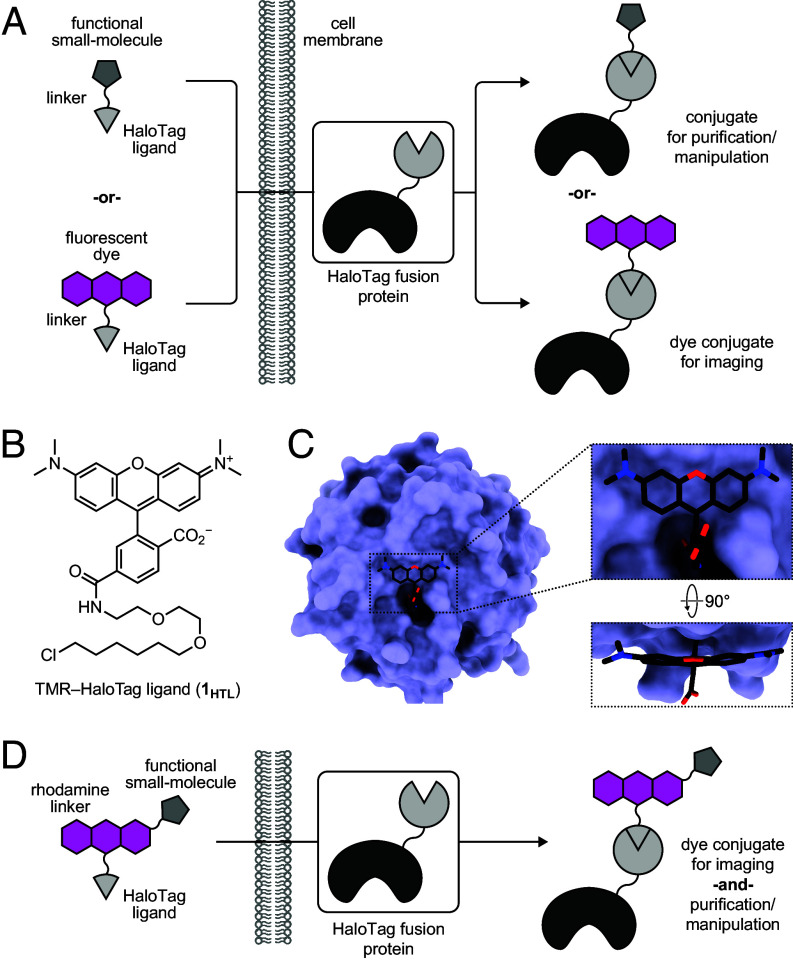 Figure 1
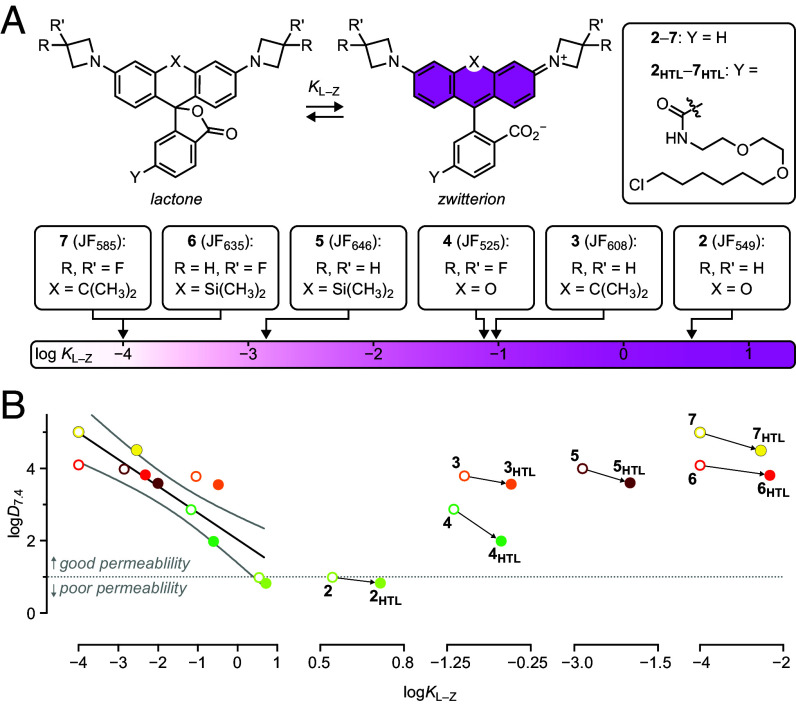 Figure 2
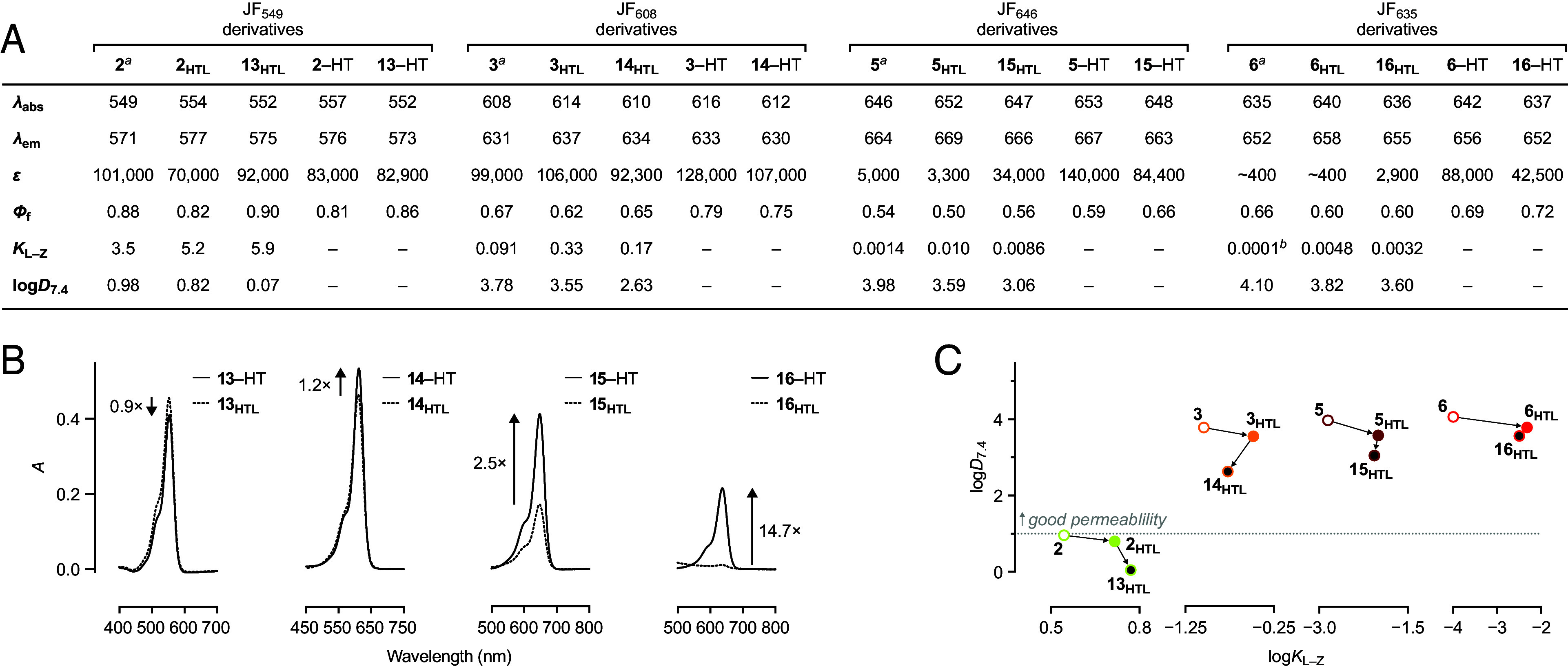 Figure 3
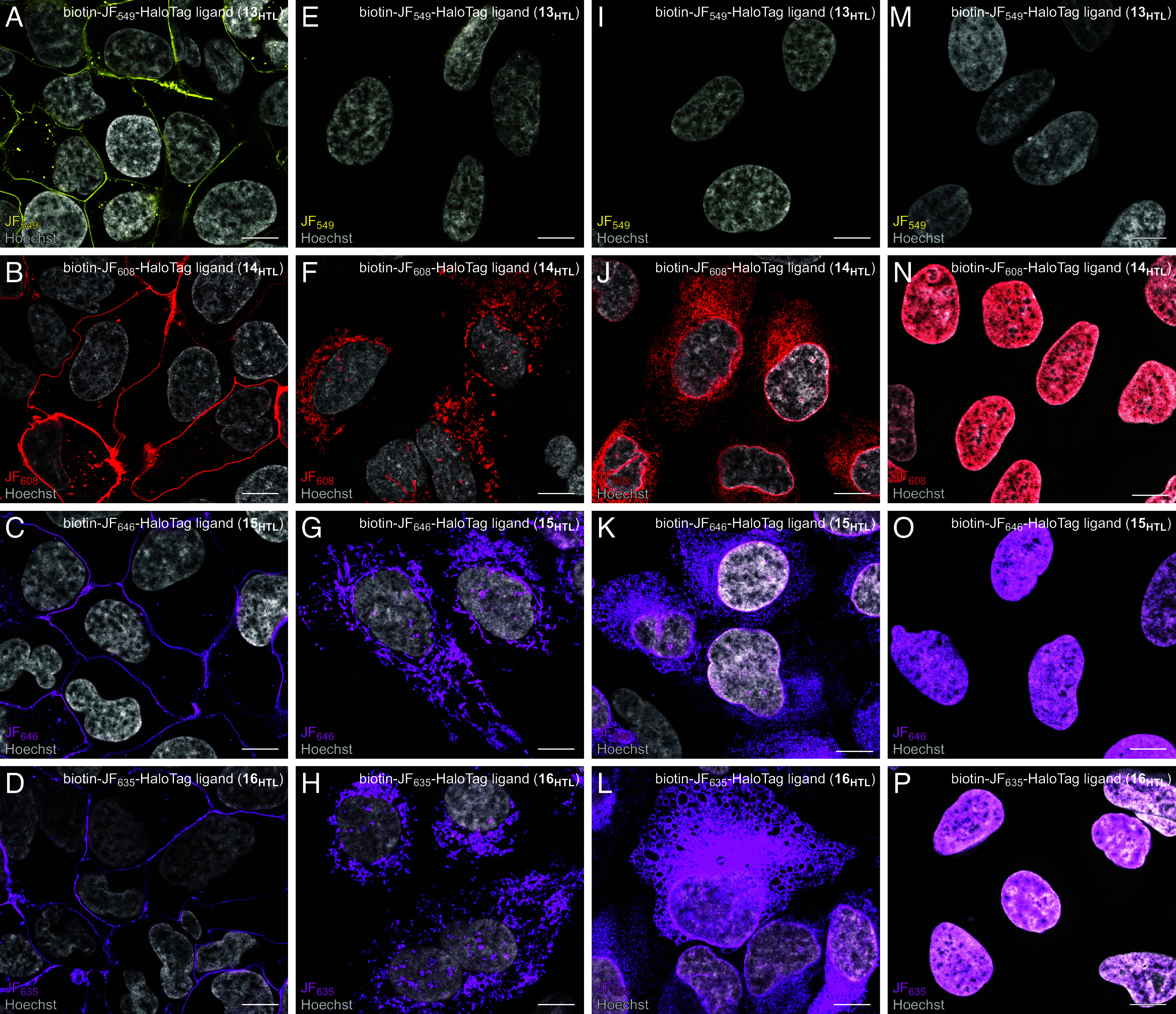 Figure 4
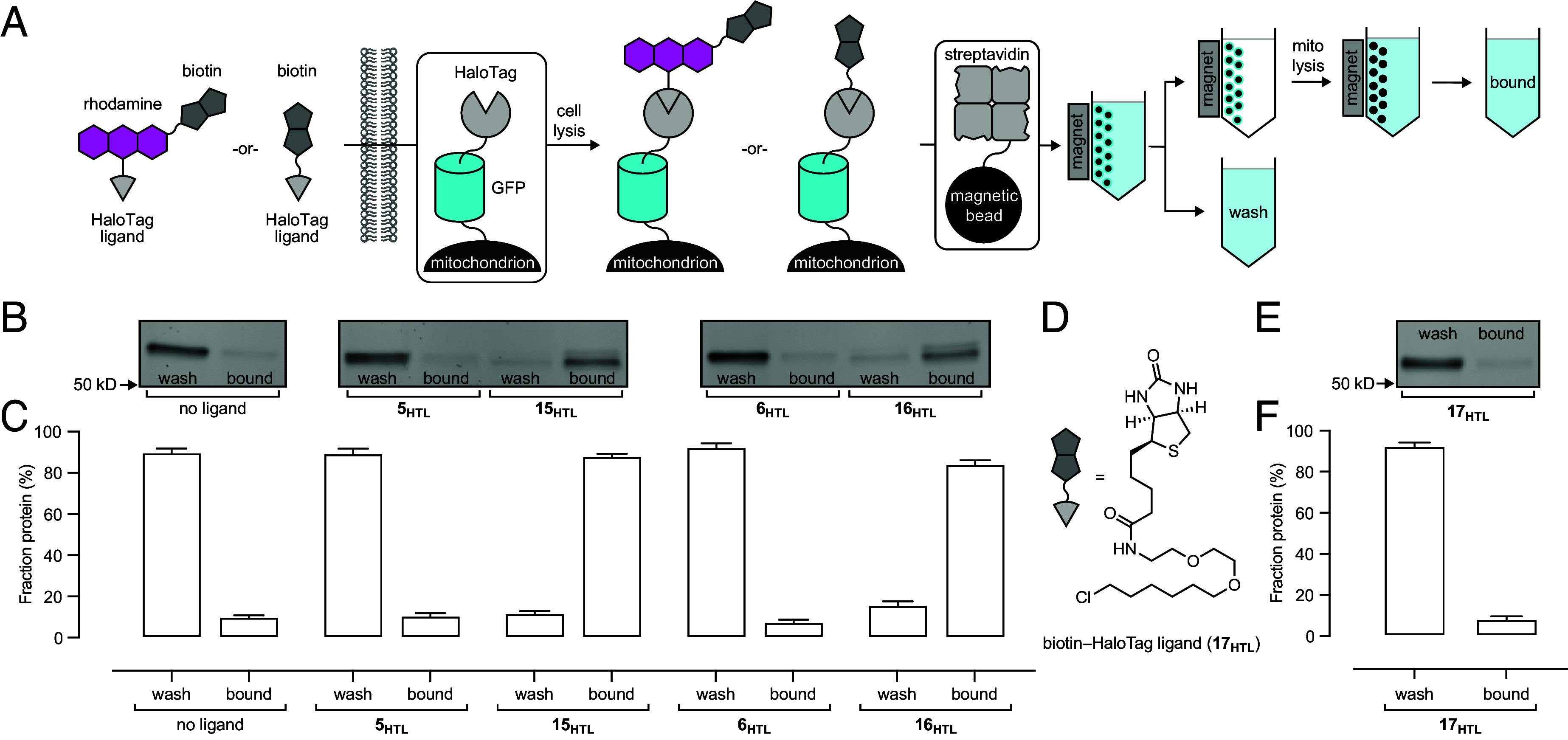 Figure 5
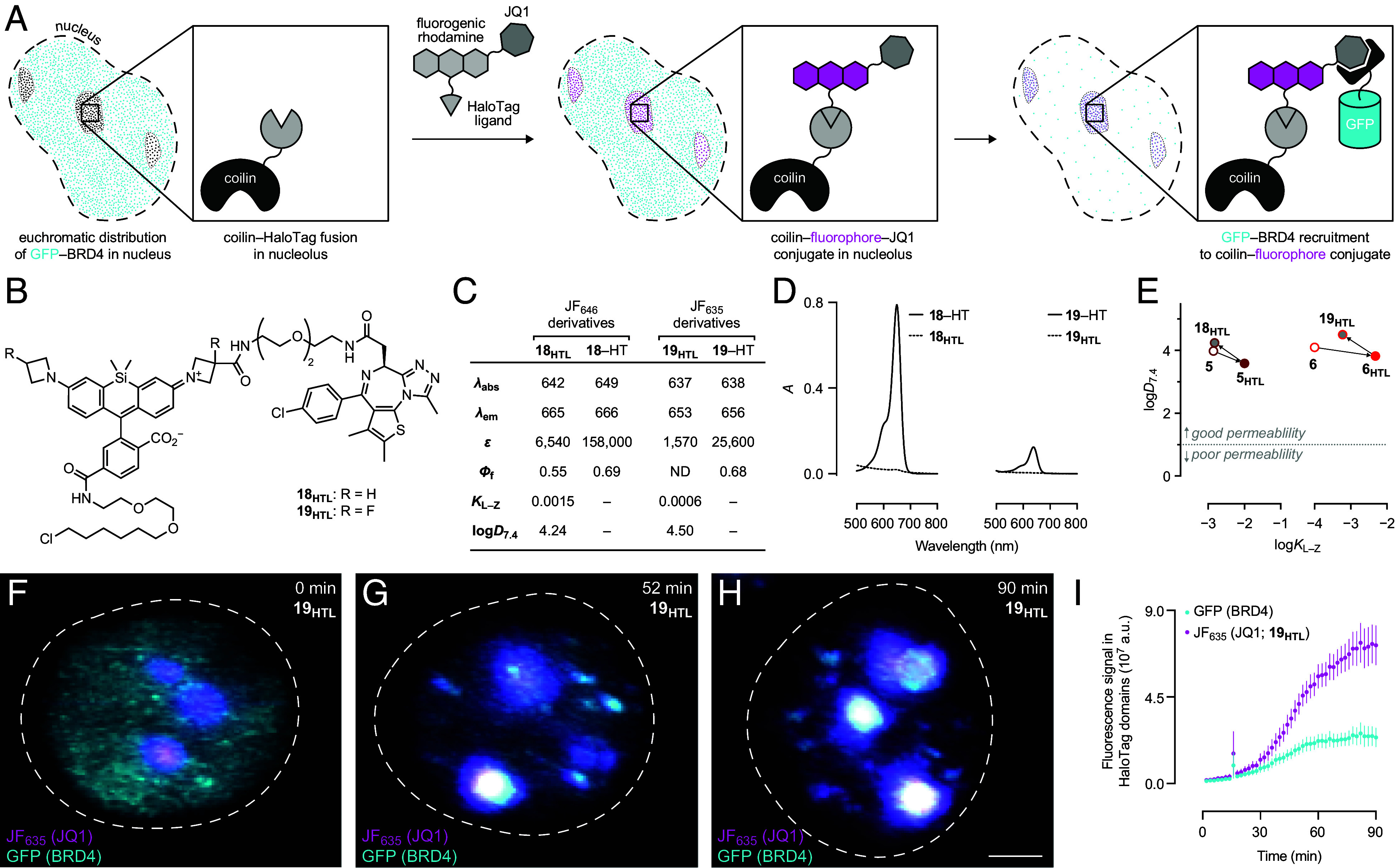 Figure 6
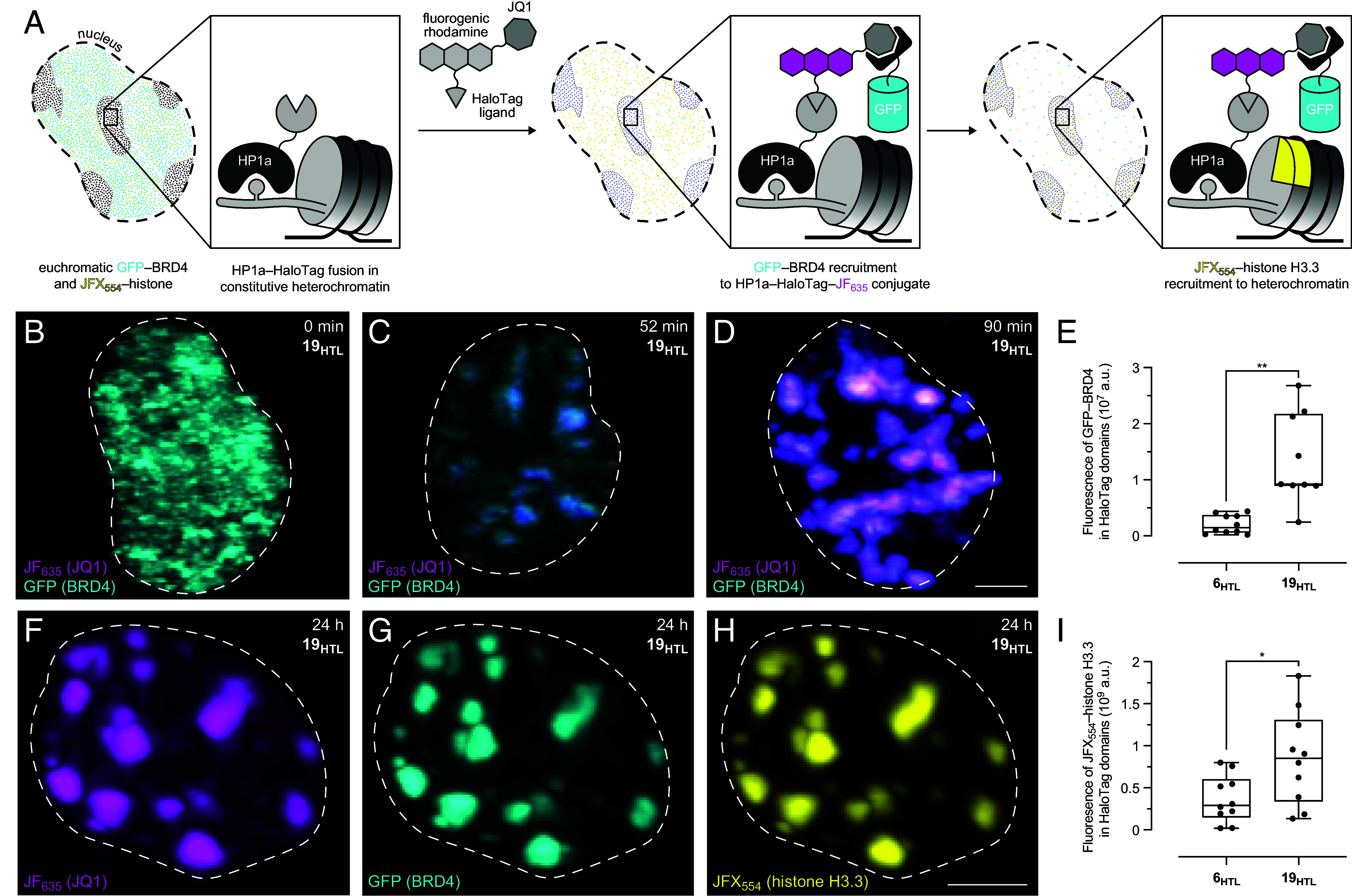 Figure 7
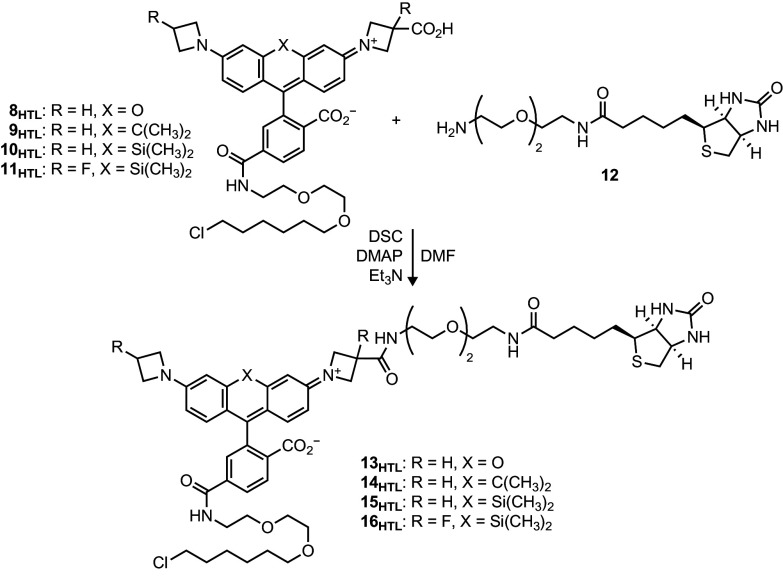 Figure 8
Peer Reviews
No public reviews on file for this paper yet. If you reviewed it on a platform where reviews are public (OpenReview, ICLR, NeurIPS, ICML), you can paste yours below so the community can read it here.
Videos
No videos yet. Explain this paper in a talk, walkthrough, or lecture? Add one.
Taxonomy
TopicsClick Chemistry and Applications · Biotin and Related Studies · Chemical Synthesis and Analysis