The new Bruton’s tyrosine kinase inhibitors SPA8007 and SPA8009 reduce stemness and invasiveness of patient-derived glioblastoma tumorspheres
Euna Jo, Eun Lee, Yoojung Oh, Dongkyu Lee, Byungho Lee, Kibyeong Kim, Ran Joo Choi, Jiyun Hong, Yuesong Jeon, Hyewon Cho, Yong-Sung Choi, Sangwoo Kim, So Young Won, Seonah Choi, Tae Hoon Roh, Ju Hyung Moon, Eui Hyun Kim, Jong Hee Chang, Raok Jeon, Seok-Gu Kang

TL;DR
New BTK inhibitors SPA8007 and SPA8009 reduce stemness and invasiveness in glioblastoma tumorspheres and improve survival in mouse models.
Contribution
SPA8007 and SPA8009 are novel selective BTK inhibitors that show improved efficacy and specificity for GBM treatment.
Findings
SPA8007 and SPA8009 significantly inhibit proliferation, stemness, and invasiveness of GBM tumorspheres.
SPA8007 improves survival in an orthotopic mouse xenograft model of GBM.
SPA8007 reduces invasiveness markers in GBM tumorspheres.
Abstract
•BTK is significantly elevated in patient derived GBM tissues and TSs.•SPA8007 and SPA8009 suppress proliferation, stemness and invasiveness of GBM TSs.•SPA8007 significantly improves survival in an orthotopic mouse xenograft model.•SPA8007 is a potential novel chemotherapeutic agent in high BTK-expressing GBM patients. BTK is significantly elevated in patient derived GBM tissues and TSs. SPA8007 and SPA8009 suppress proliferation, stemness and invasiveness of GBM TSs. SPA8007 significantly improves survival in an orthotopic mouse xenograft model. SPA8007 is a potential novel chemotherapeutic agent in high BTK-expressing GBM patients. Glioblastoma (GBM), the most prevalent primary brain tumor, remains incurable due to the presence of cancer stem cells (CSCs), which can be isolated as tumorspheres (TSs) that exhibit classical characteristics of CSCs, including stemness and…
Genes, proteins, chemicals, diseases, species, mutations and cell lines named across the full text — each resolved to its canonical identifier and authoritative record.
Click any figure to enlarge with its caption.
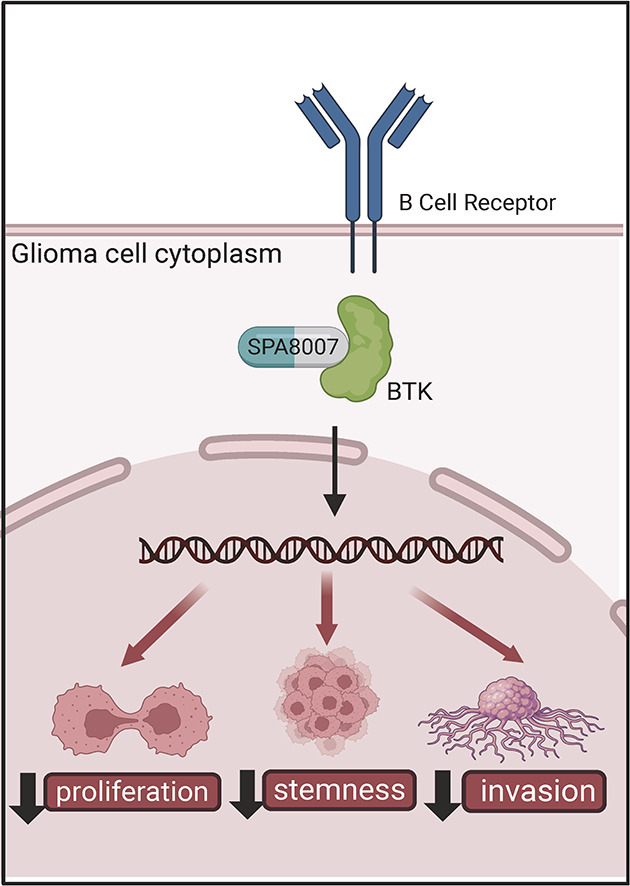 Figure 1
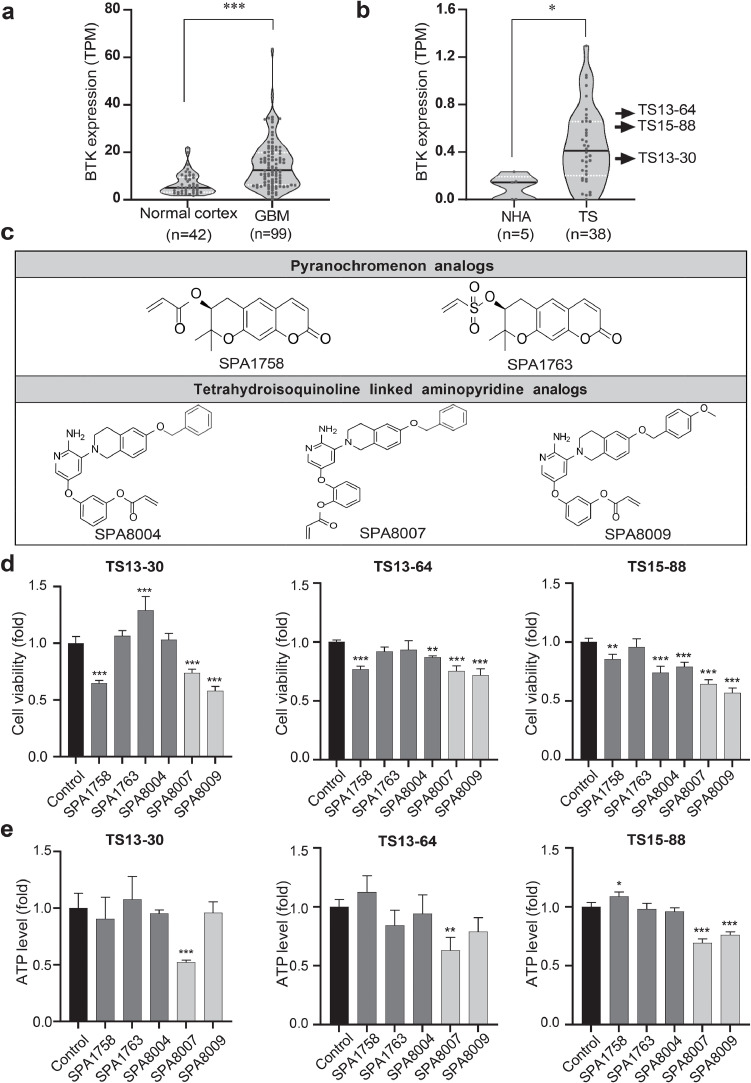 Figure 2
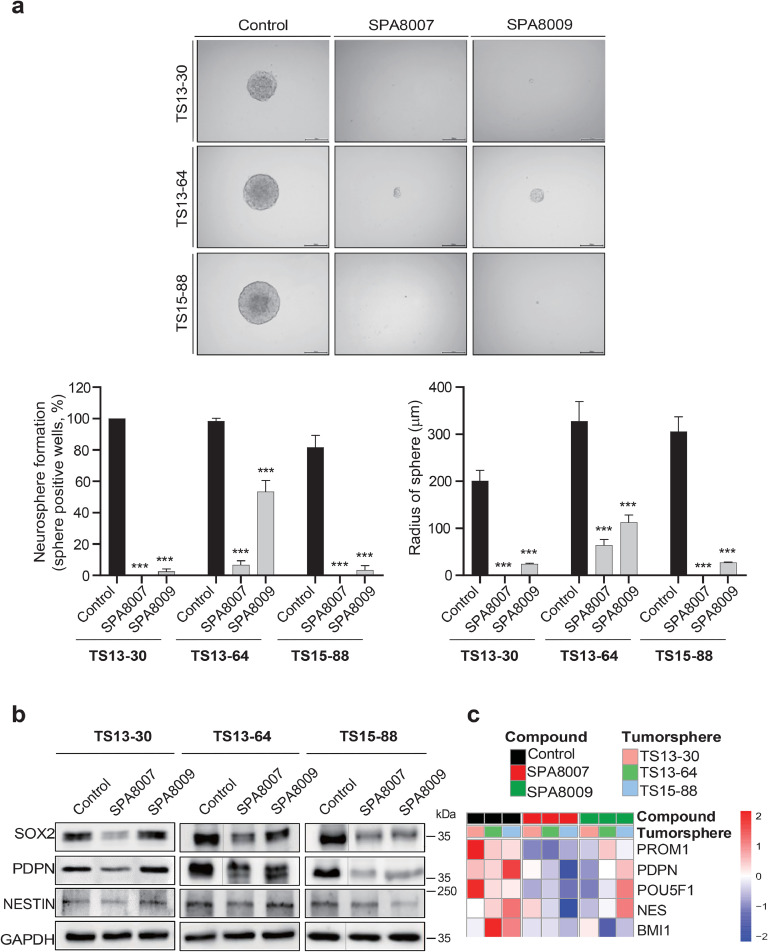 Figure 3
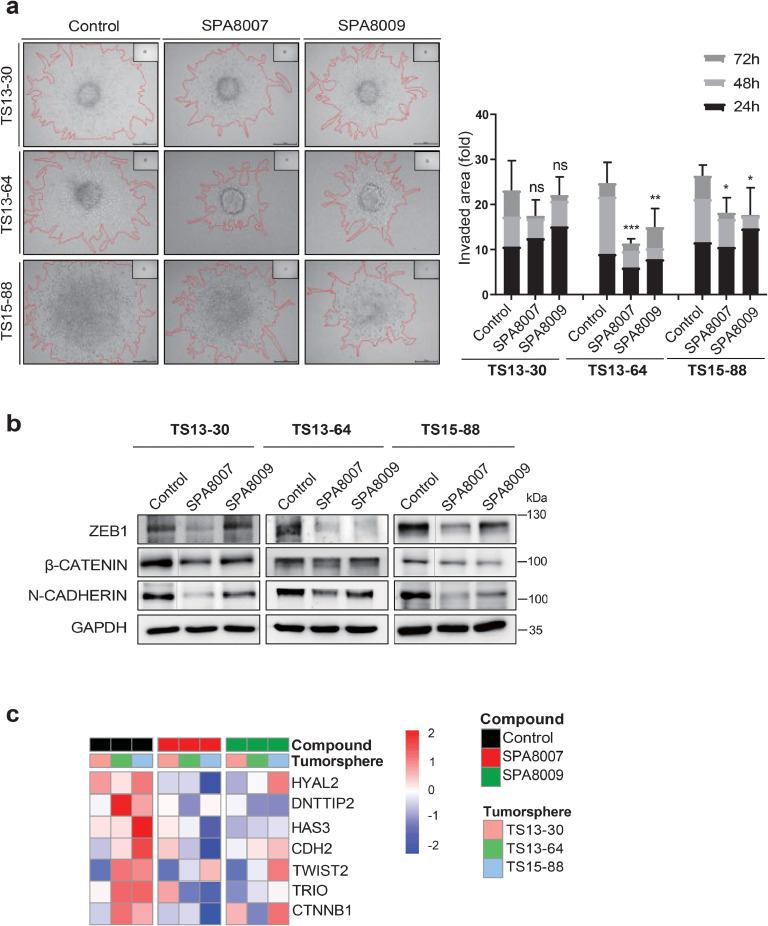 Figure 4
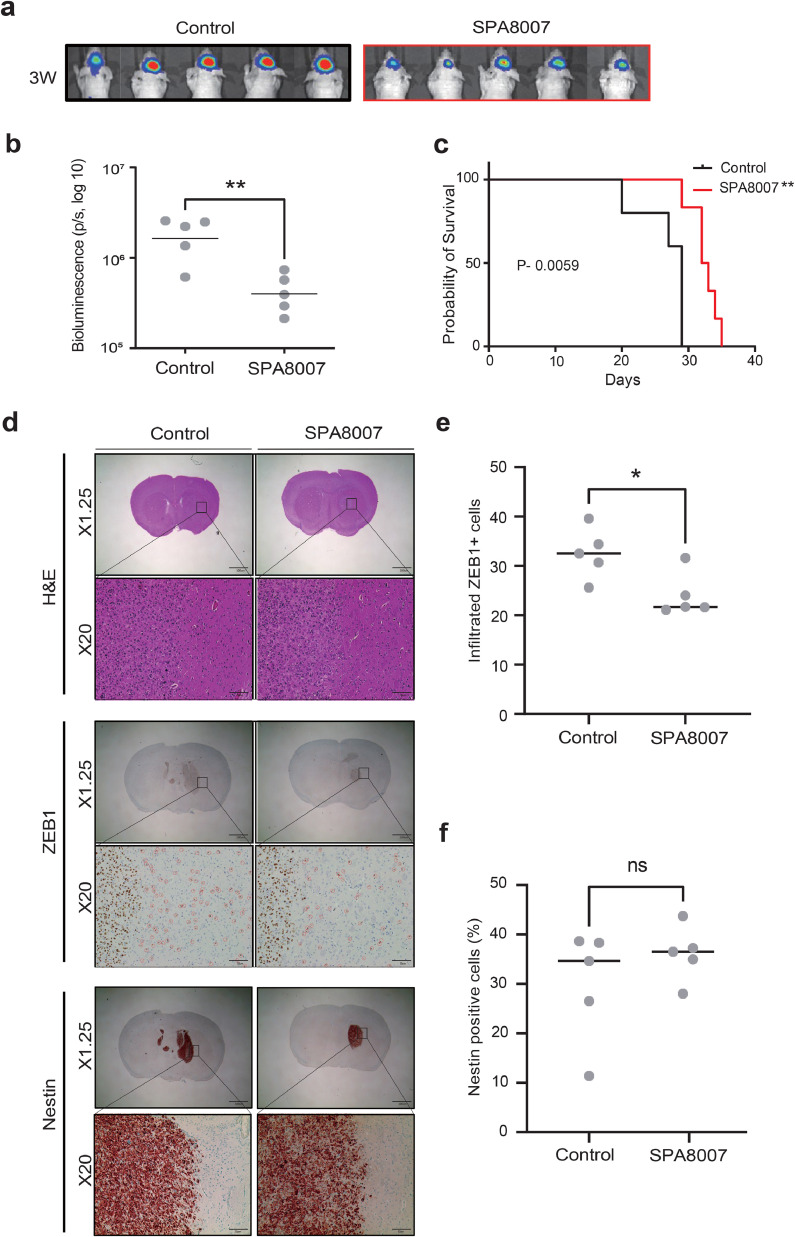 Figure 5
Peer Reviews
No public reviews on file for this paper yet. If you reviewed it on a platform where reviews are public (OpenReview, ICLR, NeurIPS, ICML), you can paste yours below so the community can read it here.
Videos
No videos yet. Explain this paper in a talk, walkthrough, or lecture? Add one.
Taxonomy
TopicsGlioma Diagnosis and Treatment · Neuroblastoma Research and Treatments · Cancer, Hypoxia, and Metabolism