Metabolic adaptation of glucose-deprived macrophages involves partial gluconeogenesis
Katharina Schindlmaier, Theresa Haitzmann, Visnja Bubalo, Barbara Konrad, Joseph Jelwan, Gabriele Bluemel, Sonja Rittchen, Vanessa Jäger, Michael A. Dengler, Luka Brcic, Jörg Lindenmann, Leigh M. Marsh, Thomas O. Eichmann, Alexander Kirchmair, Zlatko Trajanoski, Julia Kargl

TL;DR
Macrophages adapt to low glucose by partially using gluconeogenesis, showing their metabolic flexibility in nutrient-poor environments like tumors.
Contribution
The study reveals that macrophages activate partial gluconeogenesis under glucose deprivation, a novel metabolic adaptation strategy.
Findings
Glucose-deprived macrophages reduce lactate production and increase glutamine usage.
Partial gluconeogenesis is activated, generating glycolytic intermediates and glycerol-3-phosphate.
PCK2 is expressed in lung and lung cancer macrophages, indicating its in vivo relevance.
Abstract
Macrophages are versatile immune cells which utilize glucose and other nutrients to fuel their metabolism. Mechanisms of adaptation of macrophages to a limited glucose supply, as present in the tumor microenvironment, are poorly understood. Using stable isotopic tracers, we found that upon glucose deprivation, macrophages reduce lactate production and enhance the usage of glutamine. Interestingly, initial steps of gluconeogenesis, the reverse pathway of glycolysis, were activated, generating cellular intermediates. Glucose deprivation only partially modulated functions of pro- or anti-inflammatory macrophages. The initial gluconeogenesis enzyme, phosphoenolpyruvate carboxykinase, was consistently expressed in human lung and lung cancer macrophages, suggesting its relevance in macrophages in vivo. Our findings show extensive metabolic flexibility of macrophages, involving the activation…
Genes, proteins, chemicals, diseases, species, mutations and cell lines named across the full text — each resolved to its canonical identifier and authoritative record.
Click any figure to enlarge with its caption.
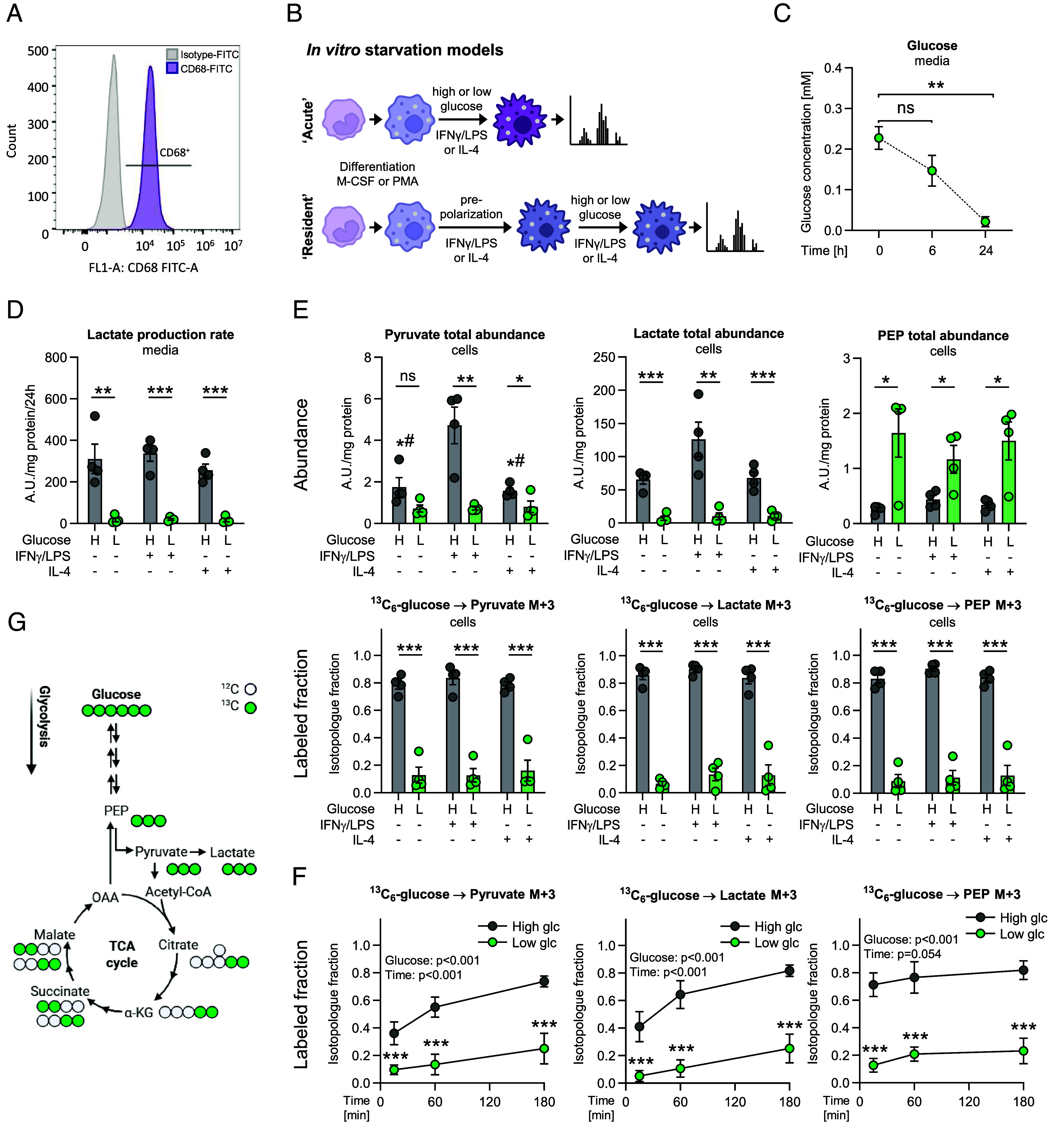 Figure 1
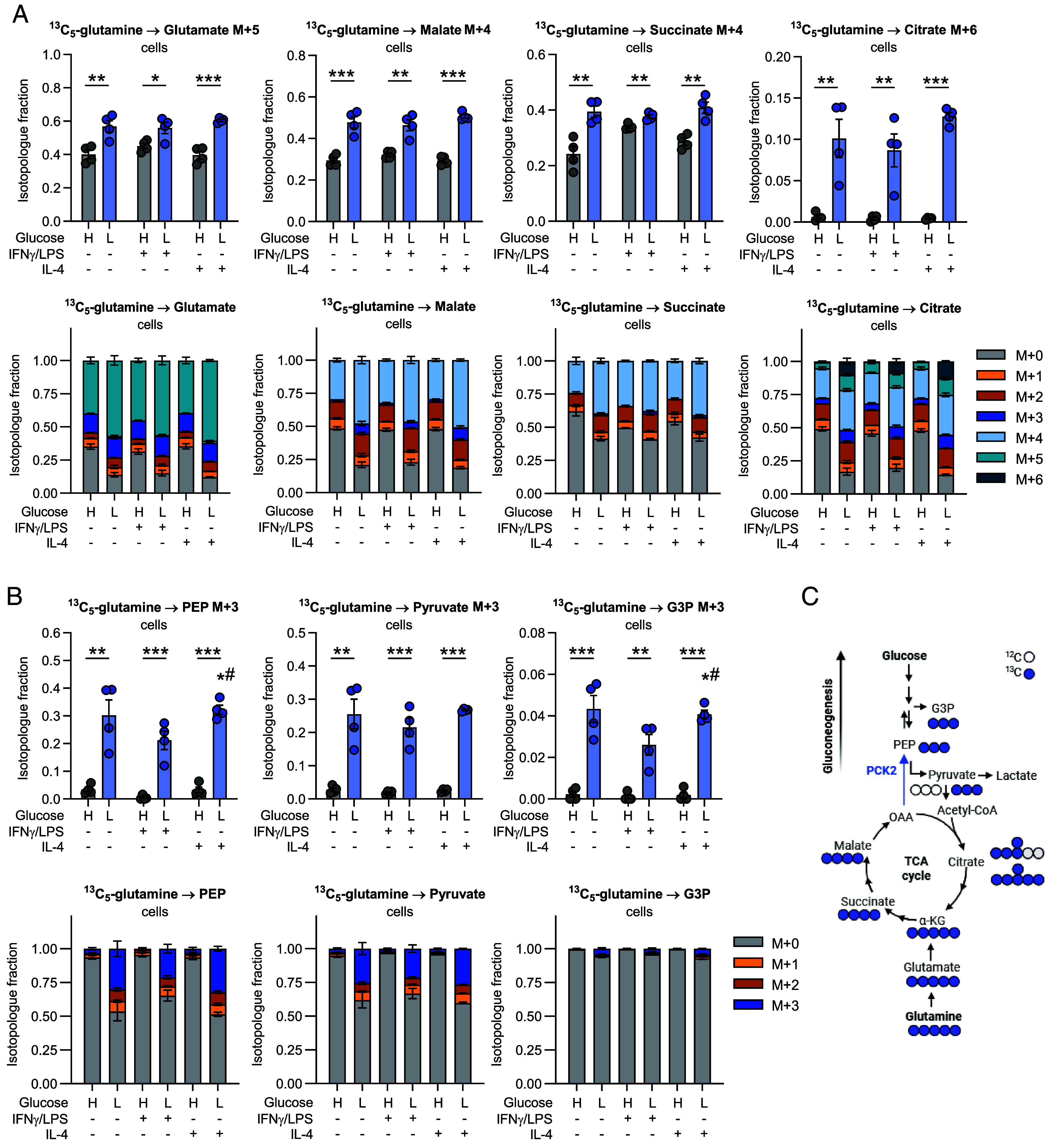 Figure 2
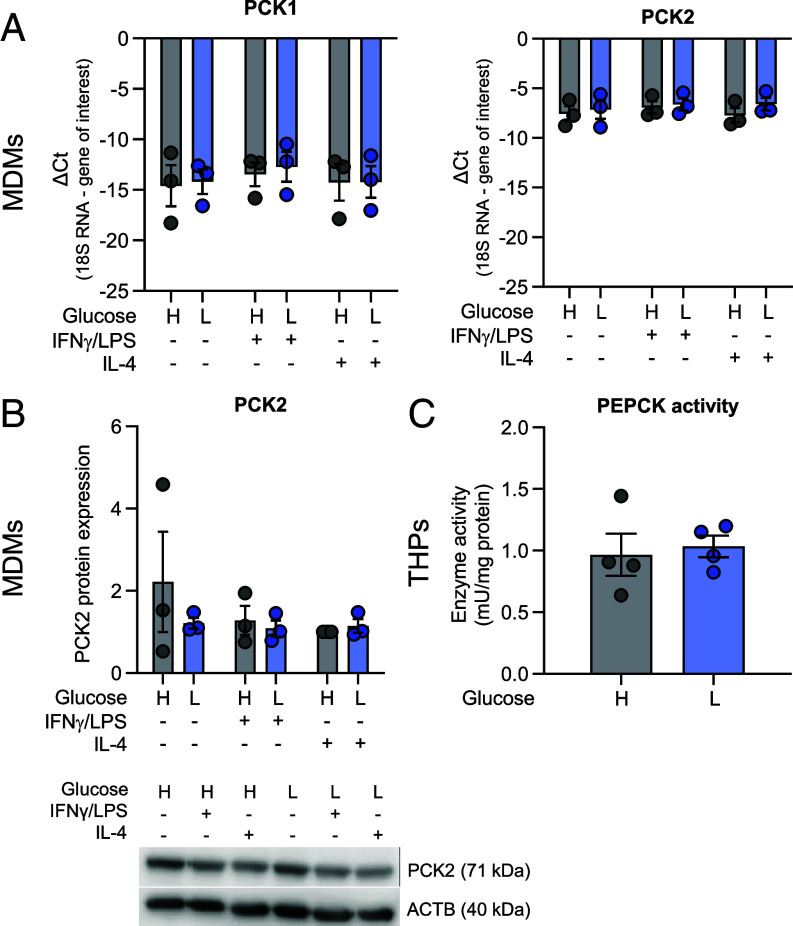 Figure 3
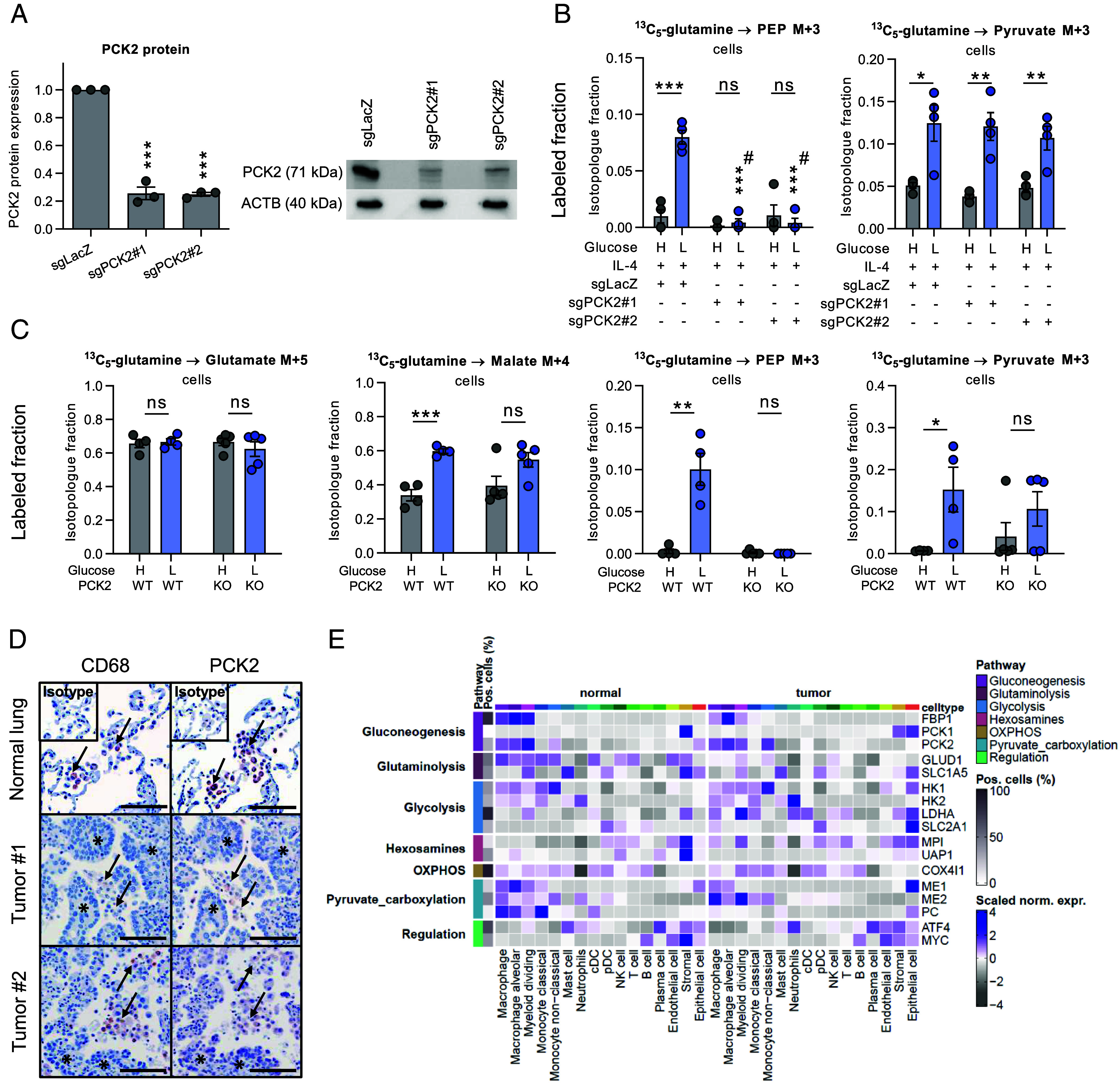 Figure 4
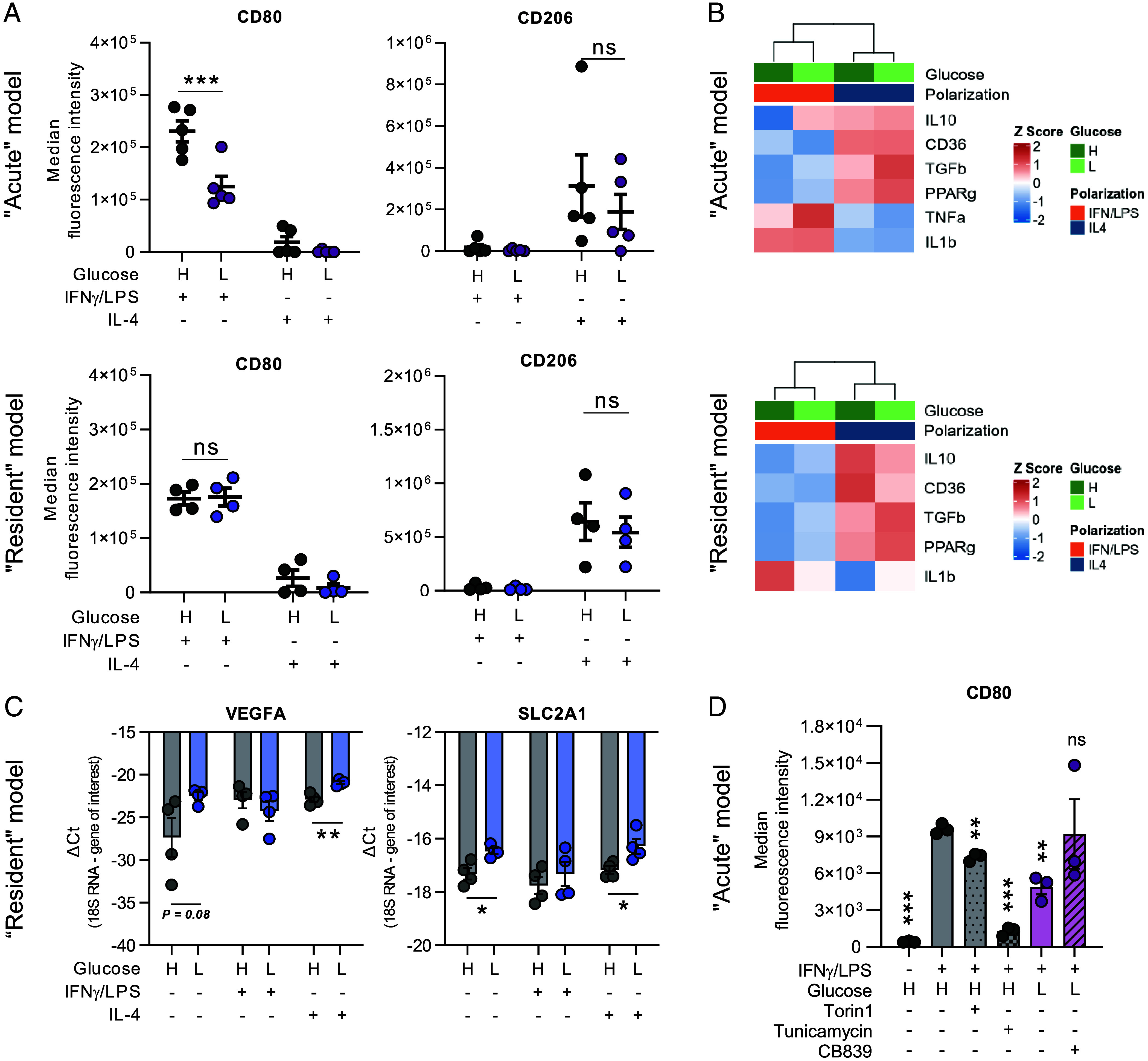 Figure 5
Peer Reviews
No public reviews on file for this paper yet. If you reviewed it on a platform where reviews are public (OpenReview, ICLR, NeurIPS, ICML), you can paste yours below so the community can read it here.
Videos
No videos yet. Explain this paper in a talk, walkthrough, or lecture? Add one.
Taxonomy
TopicsImmune cells in cancer · Cancer, Hypoxia, and Metabolism · Metabolism, Diabetes, and Cancer