Long-Term Implantable Cardioverter Defibrillator Lead Dysfunction After Left Ventricular Assist Device Implantation
Tsukasa Oshima, Kohei Ishibashi, Kenichiro Yamagata, Nobuhiko Ueda, Toshihiro Nakamura, Satoshi Oka, Yuichiro Miyazaki, Akinori Wakamiya, Kenzaburo Nakajima, Yu Shimizu, Takuya Watanabe, Tsukasa Kamakura, Mitsuru Wada, Junichi Ishida, Yuko Inoue, Koji Miyamoto, Eisuke Amiya

TL;DR
This study found that most patients with heart devices experience long-term issues with defibrillator leads, with later issues being more likely to persist.
Contribution
The study reports long-term outcomes of ICD lead dysfunction after LVAD implantation and identifies a novel predictor of persistent dysfunction.
Findings
ICD lead dysfunction occurred in 72.9% of patients after LVAD implantation.
Persistent dysfunction was observed in 67.7% of dysfunctional leads.
Lead dysfunction occurring later than 2.1 months after LVAD implantation is an independent risk factor for persistent dysfunction.
Abstract
Implantable cardioverter defibrillator (ICD) lead dysfunction after left ventricular assist device (LVAD) implantation can occur, but only short-term outcomes have been reported. We aimed to evaluate the long-term incidence, characteristics, and predictors of persistent ICD lead dysfunction after LVAD implantation. This was a retrospective multicenter study. All patients with a transvenous ICD lead at the time of LVAD implantation between January 1, 2011, and December 31, 2023, were enrolled. The primary endpoint was lead dysfunction. Risk factors for persistent compared to temporary lead dysfunction using a logistic analysis were determined. One hundred and seventy patients (mean age: 48.0 ± 12.7 years) were analyzed. The median follow-up period was 46.2 (Q1-Q3: 32.3-61.4) months. Lead dysfunction was observed in 124 leads (72.9%), of which 60.4% (N = 75) occurred within a year…
Genes, proteins, chemicals, diseases, species, mutations and cell lines named across the full text — each resolved to its canonical identifier and authoritative record.
Click any figure to enlarge with its caption.
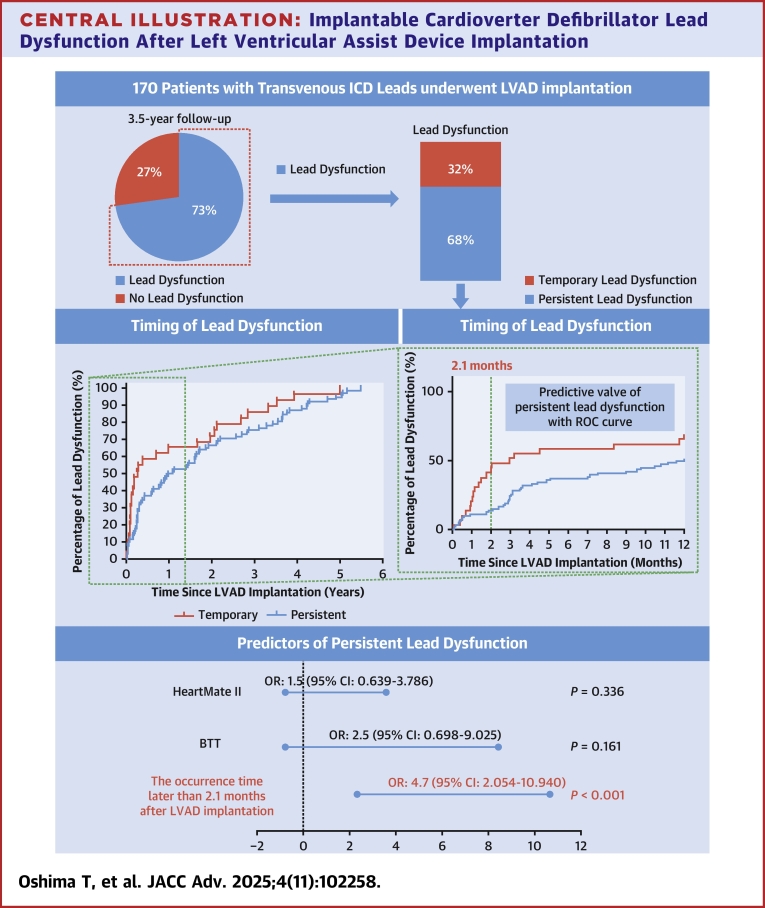 Figure 1
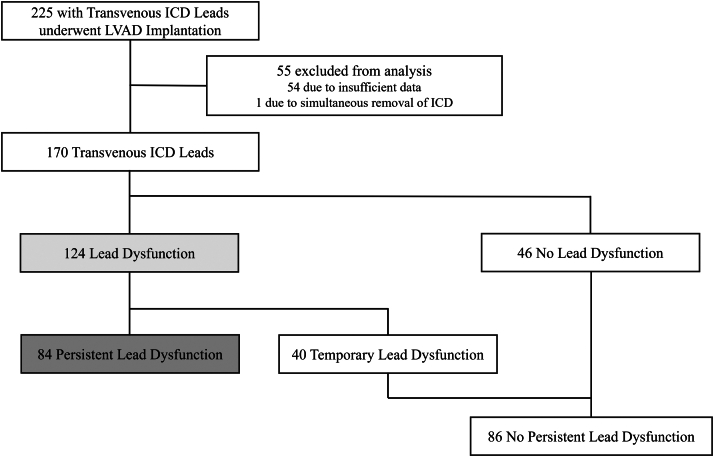 Figure 2
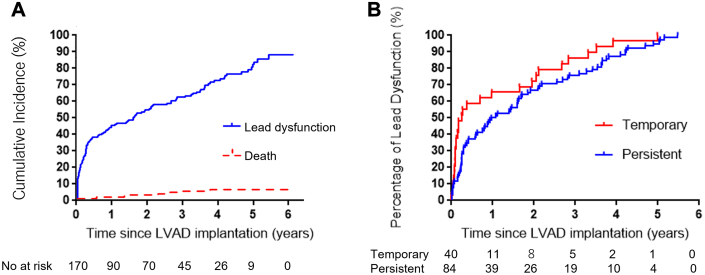 Figure 3
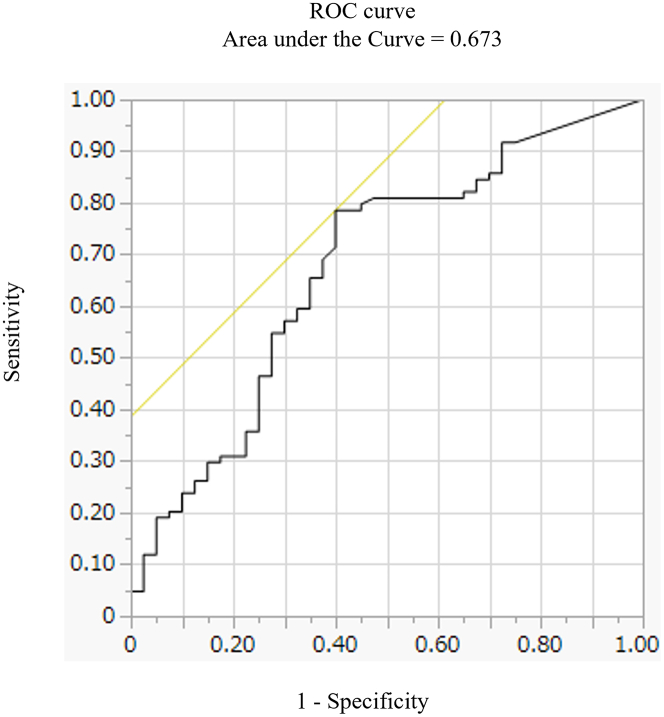 Figure 4
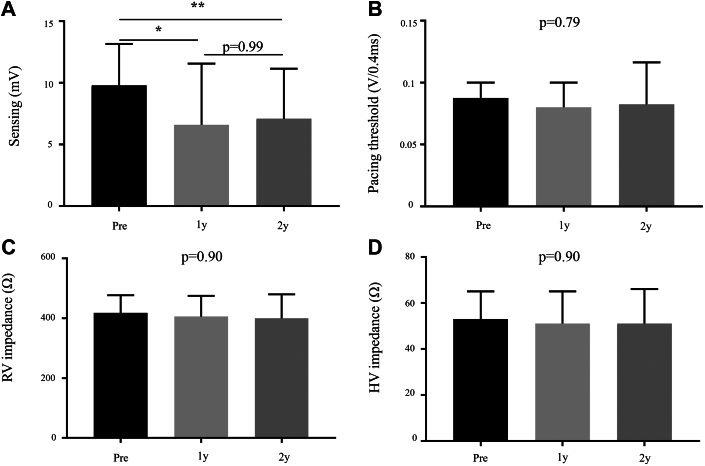 Figure 5
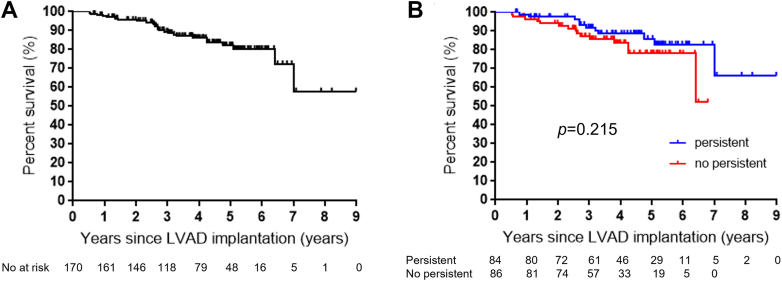 Figure 6
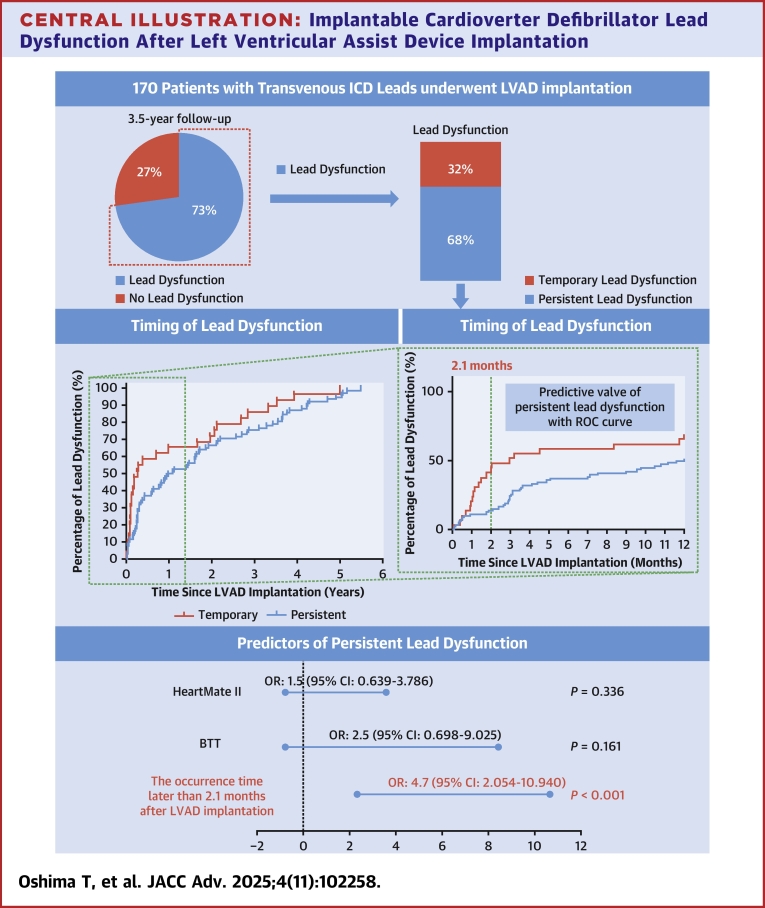 Figure 7
Peer Reviews
No public reviews on file for this paper yet. If you reviewed it on a platform where reviews are public (OpenReview, ICLR, NeurIPS, ICML), you can paste yours below so the community can read it here.
Videos
No videos yet. Explain this paper in a talk, walkthrough, or lecture? Add one.
Taxonomy
TopicsMechanical Circulatory Support Devices · Cardiac Structural Anomalies and Repair · Cardiac pacing and defibrillation studies