A Novel Erinacine S Derivative from Hericium erinaceus Overcomes Chemoresistance in Colorectal Cancer Cells by Enhancing TRAIL/TNFR1/DR5 Expression through Histone Acetylation
Shui-Yi Tung, Kam-Fai Lee, Yung-Yu Hsieh, Kung-Chuan Cheng, Ko-Chao Lee, Li-Ya Lee, Wan-Ping Chen, Chin-Chu Chen, Chih-Chuan Teng, Meng-Chiao Hsieh, Cheng-Yi Huang, Hsing-Chun Kuo

TL;DR
A compound from Hericium erinaceus, erinacine S, overcomes chemoresistance in colorectal cancer by boosting apoptosis and altering key proteins and pathways.
Contribution
Erinacine S is shown to enhance TRAIL/TNFR1/DR5 expression via histone acetylation, overcoming chemoresistance in CRC cells.
Findings
Erinacine S induces apoptosis and suppresses aggressiveness in chemoresistant CRC cells.
Erinacine S upregulates TRAIL, TNFR1, and DR5 while downregulating p-AKT, p-ERK, and HIF1α in CRC xenograft models.
Erinacine S activates extrinsic apoptosis pathways and inhibits tumor growth in vivo.
Abstract
Hericium erinaceus, renowned for its pharmaceutical potential, is particularly notable for its isolated diterpenoid derivative, erinacine S. Colorectal cancer (CRC) is one of the most prevalent cancers, characterized by CSC that contribute to chemoresistance and sustained tumor growth. While various drugs have been explored, the precise mechanism underlying multifaceted functions of erinacine S in inhibiting chemoresistant human CRC cells remains elusive. By using annexin-V/propidium iodide staining and a Fluo-3 fluorescence staining assay, the cell death and viability in cancer cells and an in vivo xenograft mouse model were measured by western blots and an immunohistochemical assay. This study unequivocally demonstrates that erinacine S treatment significantly induces apoptosis and suppresses the aggressiveness of chemoresistant human CRC cells. Erinacine S also exhibits remarkable…
Genes, proteins, chemicals, diseases, species, mutations and cell lines named across the full text — each resolved to its canonical identifier and authoritative record.
Click any figure to enlarge with its caption.
 Figure 1
 Figure 2
 Figure 3
 Figure 4
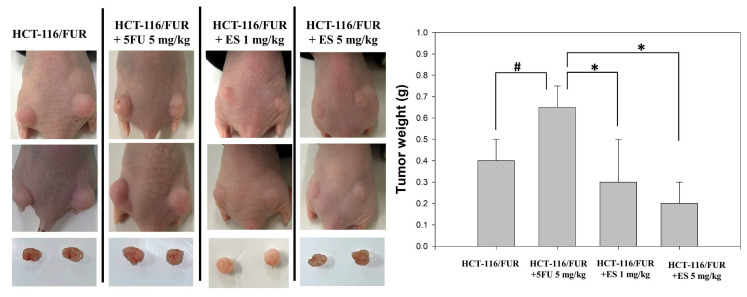 Figure 5
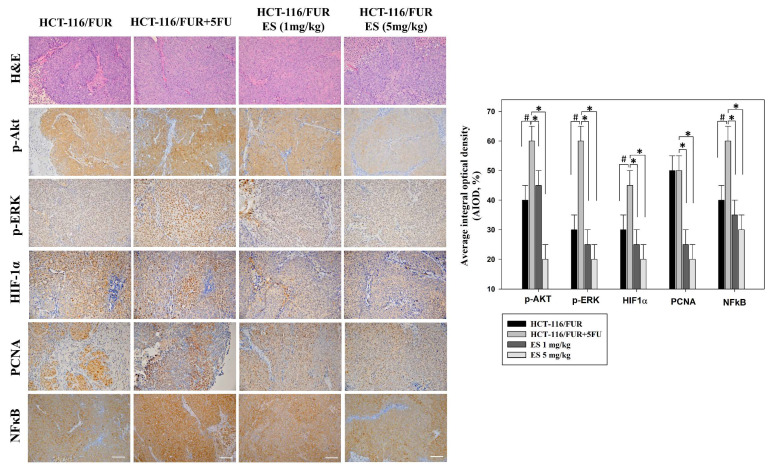 Figure 6
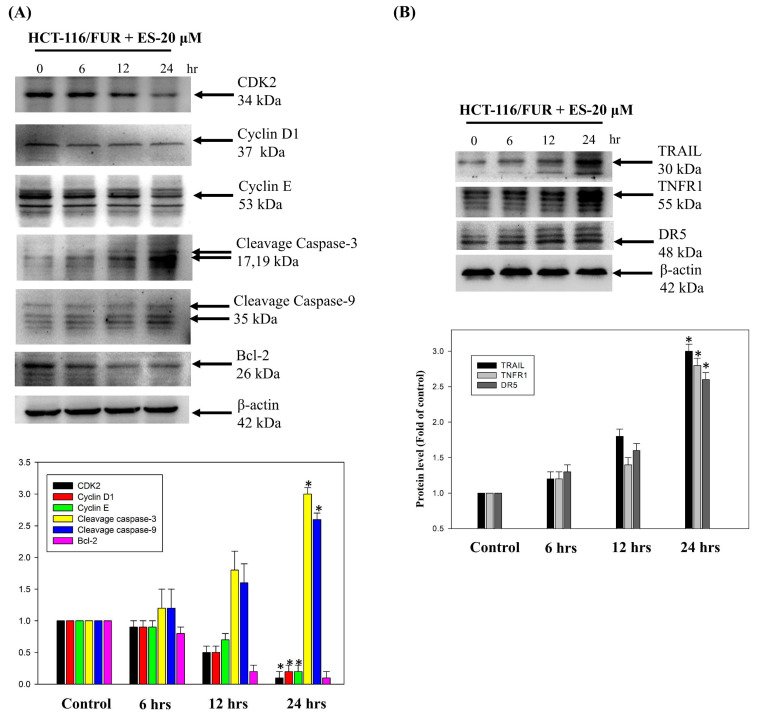 Figure 7
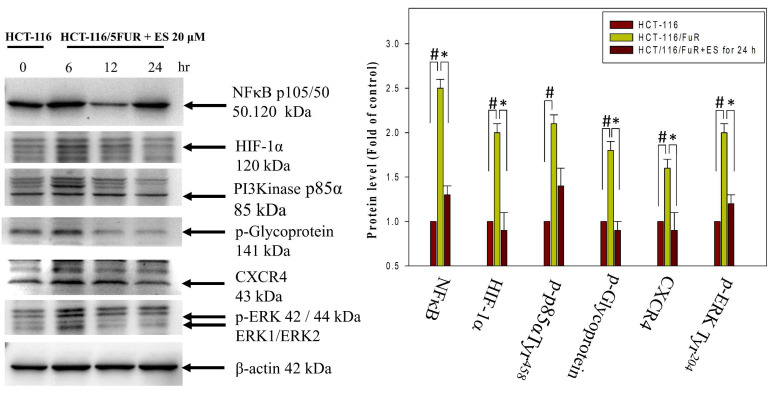 Figure 8
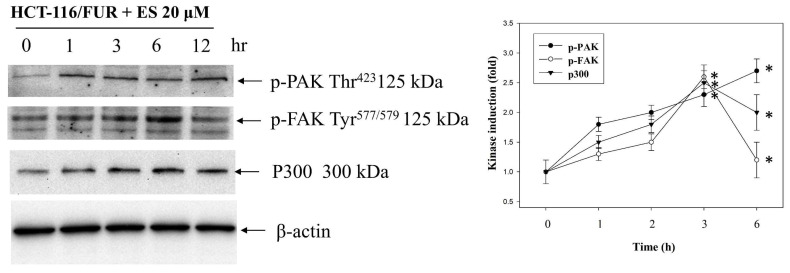 Figure 9
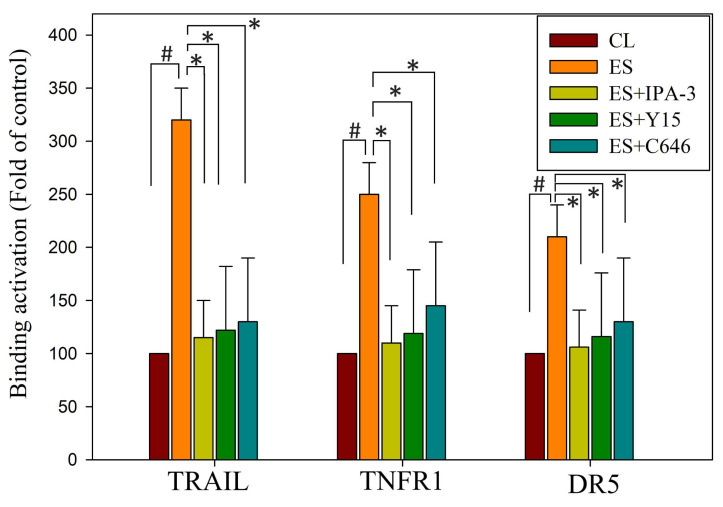 Figure 10
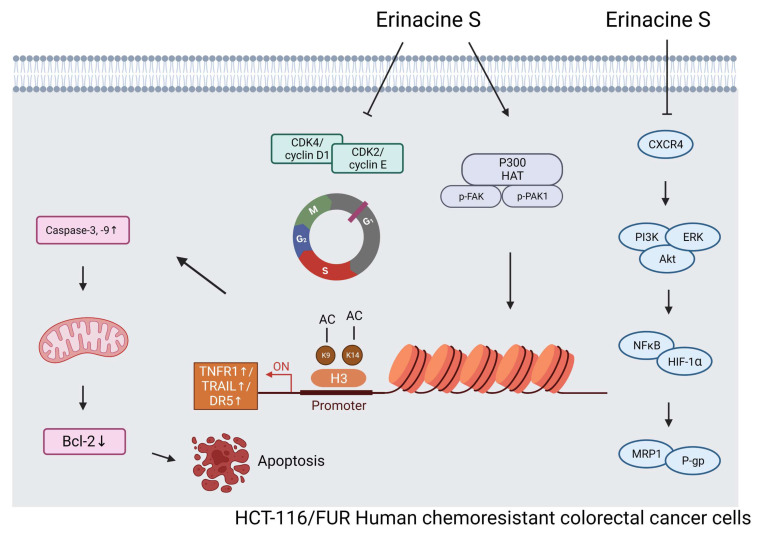 Figure 11
Peer Reviews
No public reviews on file for this paper yet. If you reviewed it on a platform where reviews are public (OpenReview, ICLR, NeurIPS, ICML), you can paste yours below so the community can read it here.
Videos
No videos yet. Explain this paper in a talk, walkthrough, or lecture? Add one.
Taxonomy
TopicsFungal Biology and Applications · Sesquiterpenes and Asteraceae Studies · Medicinal plant effects and applications