Synergistic increase in anti-cancer stemness activity and pro-apoptotic effects in human glioblastoma cancer stem-like cells by combination treatment with temozolomide and corosolic acid
Chuan-Yi Kao, Hsiang-Yao Shih, Yi-Hsien Hsieh, Chung-Jung Liu, Ming-Chun Hung, Jeng-Yih Wu, Yi-Chen Lin, Chien-Min Chen

TL;DR
Combining corosolic acid with temozolomide shows enhanced anti-cancer effects in glioblastoma stem-like cells, offering a promising treatment strategy.
Contribution
The study reveals a synergistic effect of corosolic acid and temozolomide in targeting glioblastoma cancer stem cells.
Findings
Corosolic acid dose-dependently inhibits cancer stemness features in GBM8401-CSCs.
Combining corosolic acid with temozolomide significantly enhances apoptosis and reduces stemness gene expression.
Molecular docking suggests strong binding affinity of corosolic acid and temozolomide to CD133 and OCT4 proteins.
Abstract
Glioblastoma (GB) is a highly aggressive brain cancer with poor prognosis and a five-year survival rate of only 4-5%, largely due to challenges in surgical removal and radiotherapy limitations. Corosolic acid (CA), a natural pentacyclic triterpene, exhibits promising anti-cancer activity against GB. In this study, we founded that GBM8401-derived cancer stem cells (GBM8401-CSCs) display increased stemness, proliferation, migration, invasion, and elevated cancer stemness factors (Nestin, OCT4, CD133) compared to parental cells. CA treatment dose-dependently inhibited these malignant features and downregulated key cancer stemness genes. Combined with Temozolomide (TMZ), CA synergistically suppressed GBM8401-CSCs growth, colony formation, migration, invasion, and promoted apoptosis more effectively than either CA or TMZ alone and significantly reduced sphere formation and cancer stemness…
Genes, proteins, chemicals, diseases, species, mutations and cell lines named across the full text — each resolved to its canonical identifier and authoritative record.
Click any figure to enlarge with its caption.
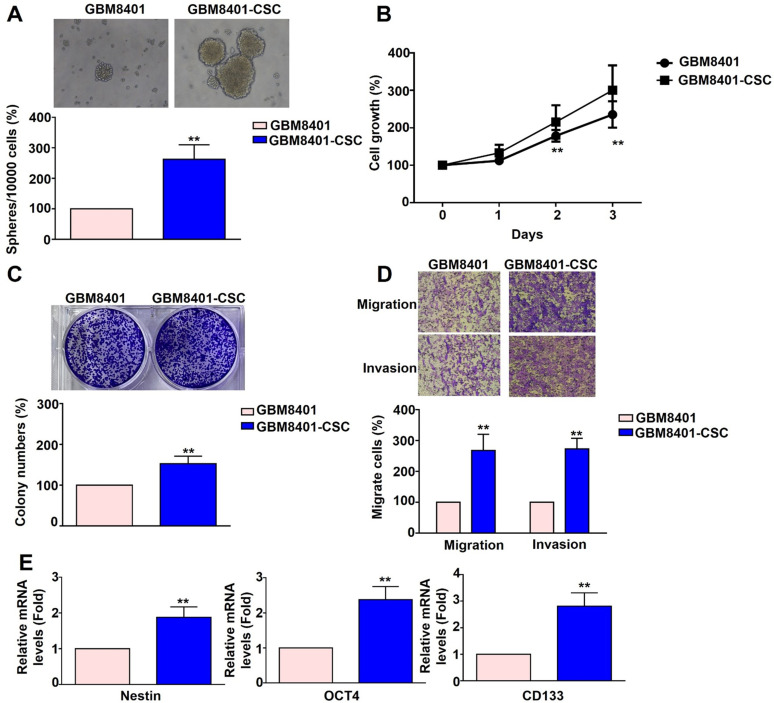 Figure 1
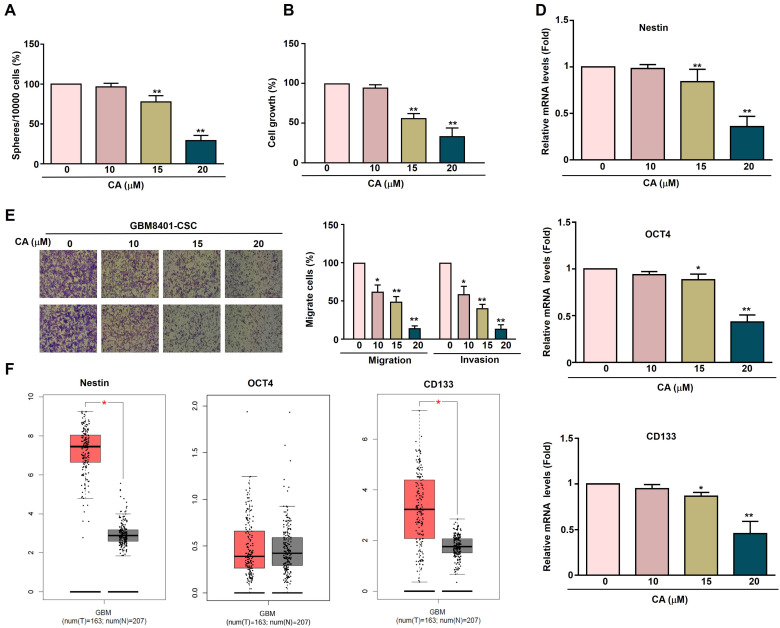 Figure 2
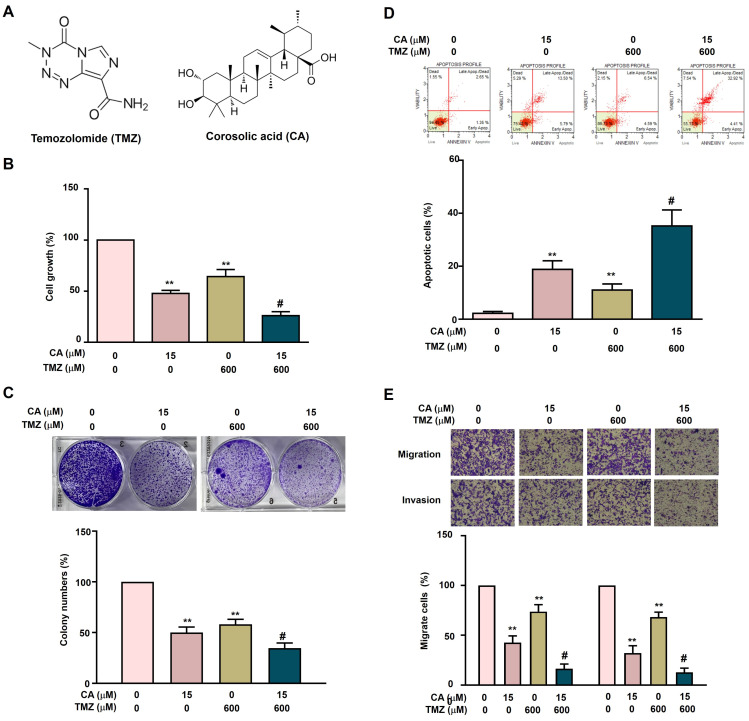 Figure 3
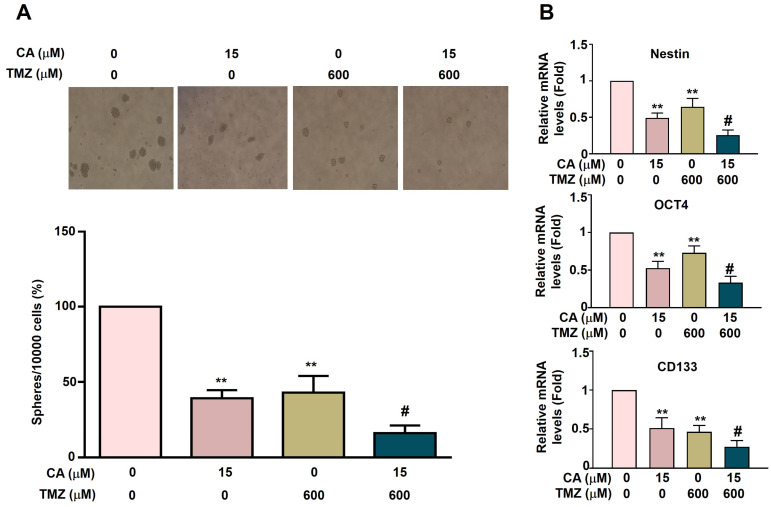 Figure 4
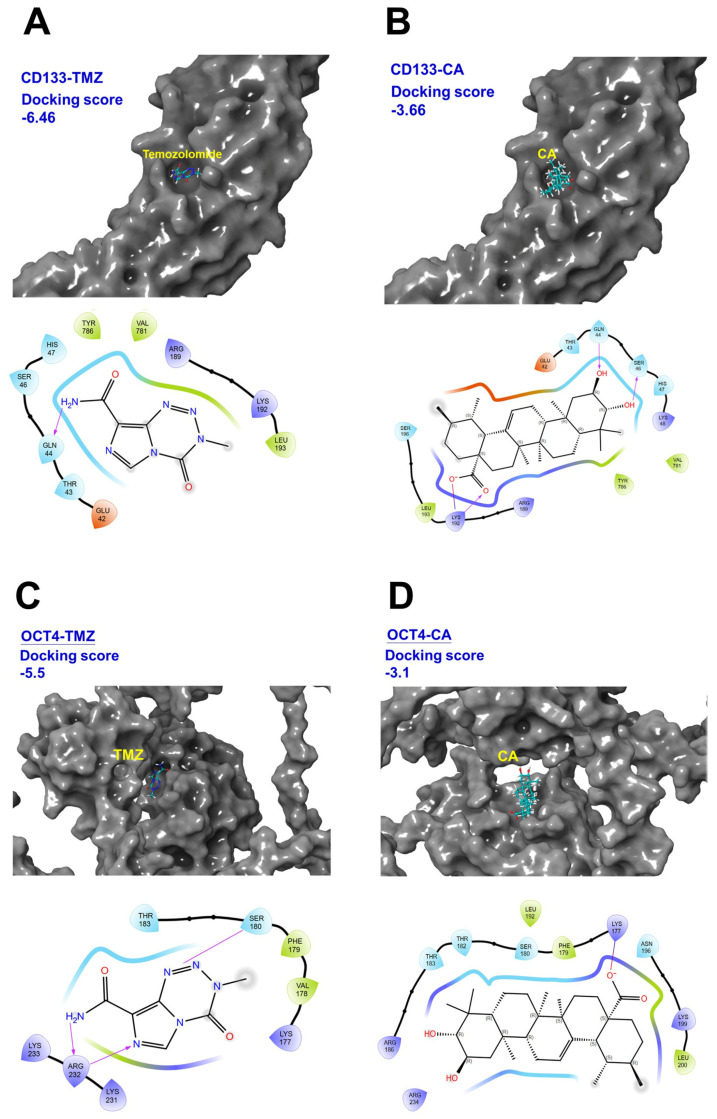 Figure 5
Peer Reviews
No public reviews on file for this paper yet. If you reviewed it on a platform where reviews are public (OpenReview, ICLR, NeurIPS, ICML), you can paste yours below so the community can read it here.
Videos
No videos yet. Explain this paper in a talk, walkthrough, or lecture? Add one.
Taxonomy
TopicsNatural product bioactivities and synthesis · Pharmacological Effects of Medicinal Plants · Plant biochemistry and biosynthesis