Molecular mechanisms and biomarkers of total parenteral nutrition-induced hepatotoxicity revealed by iTRAQ proteomics analysis
Yung-Yu Hsieh, Jai-Jen Tsai, Shui-Yi Tung, Ko-Chao Lee, Kung-Chuan Cheng, Kam-Fai Lee, Meng-Chiao Hsieh, Cheng-Yi Huang, Chih-Chuan Teng, Chien-Heng Shen, Hsing-Chun Kuo

TL;DR
This study identifies proteins and molecular pathways involved in liver damage caused by long-term intravenous nutrition using proteomic analysis.
Contribution
The study reveals novel regulators, Elovl5 and Ptbp3, involved in TPN-induced liver injury through proteomic and functional analyses.
Findings
Forty-eight proteins were differentially expressed in TPN-infused rats, with Elovl5 and Ptbp3 showing significant changes.
Elovl5 and Ptbp3 knockdown reduced palmitic acid-induced liver cell toxicity and apoptosis.
Palmitic acid-induced apoptosis involves histone modifications and activation of ASK1/JNK/p38 pathways.
Abstract
Background/Aims: Total parenteral nutrition (TPN) provides medical nutrients intravenously to patients who cannot obtain proper nutrition through normal dietary means or enteral feeding. One significant concern is the risk of liver damage associated with long-term TPN use. In this study, the TPN-associated acute liver injury proteins and the molecular mechanisms underlying TPN oxidative stress were investigated through a quantitative proteomic survey. The proteomic changes between control and TPN infusion rats were analyzed by using the LC-MS/MS iTRAQ technology. Methods: Rats were randomly assigned to saline infusion (control group) and TPN infusion (infusion rate of 30 mL/kg/h for 3 h). At the end of treatment, total liver samples from rats of control and TPN infusion groups were separated by iTRAQ-based quantitative proteomic identification. The effects of the differentially…
Genes, proteins, chemicals, diseases, species, mutations and cell lines named across the full text — each resolved to its canonical identifier and authoritative record.
Click any figure to enlarge with its caption.
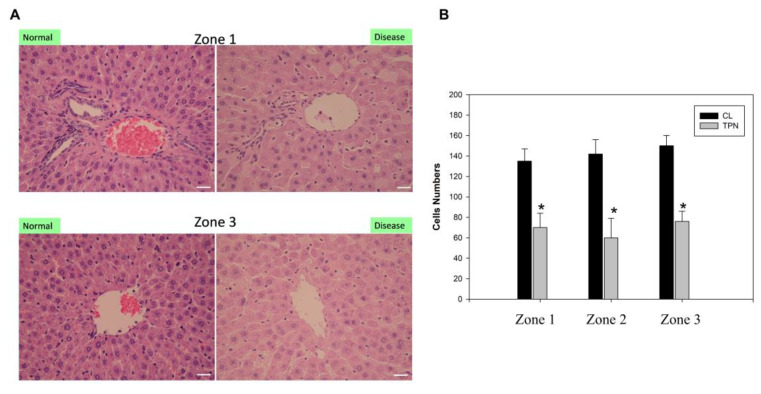 Figure 1
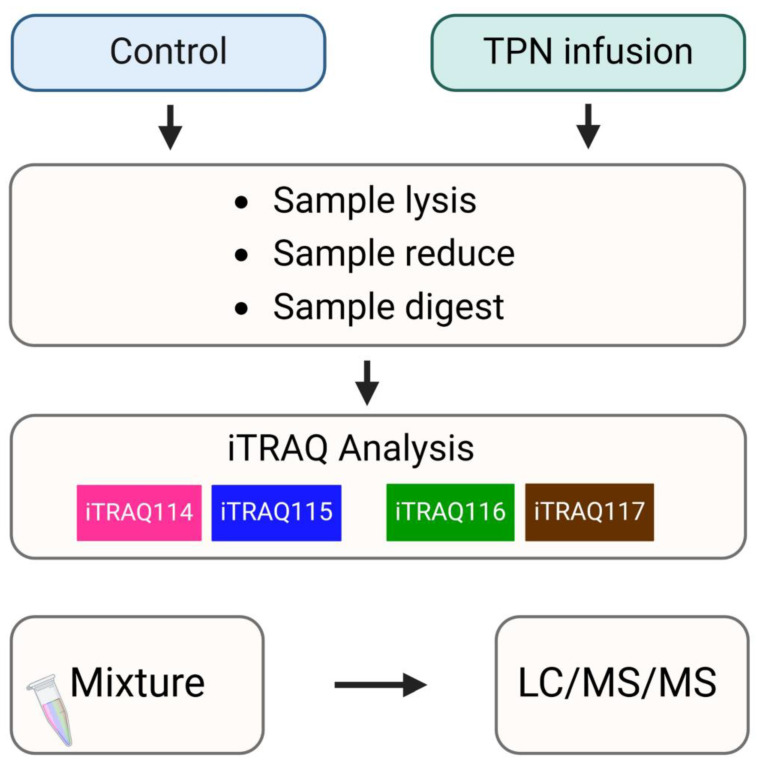 Figure 2
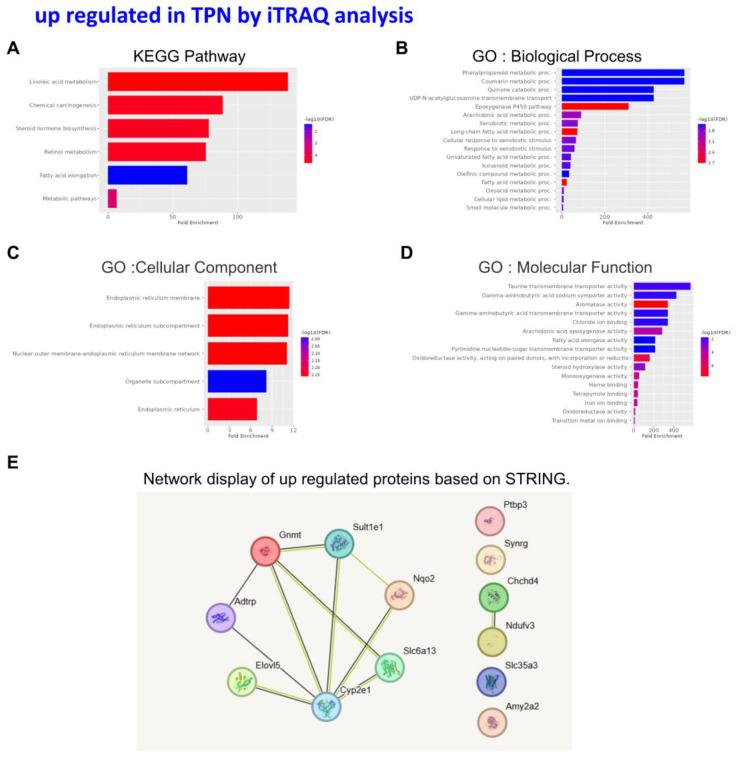 Figure 3
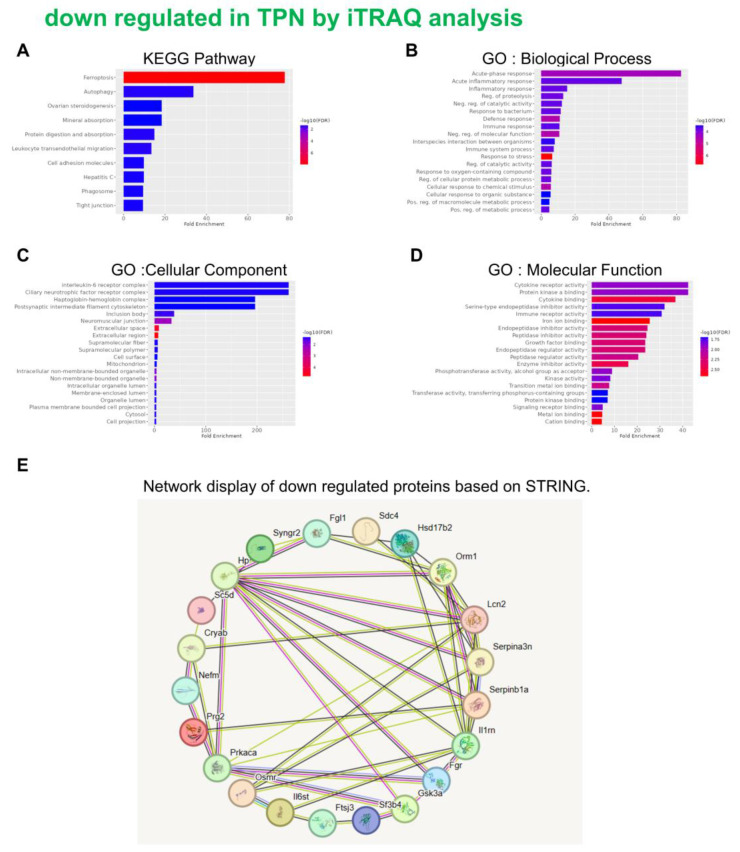 Figure 4
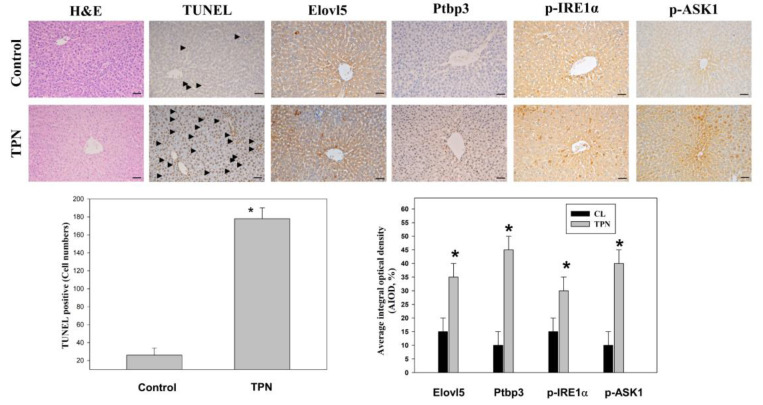 Figure 5
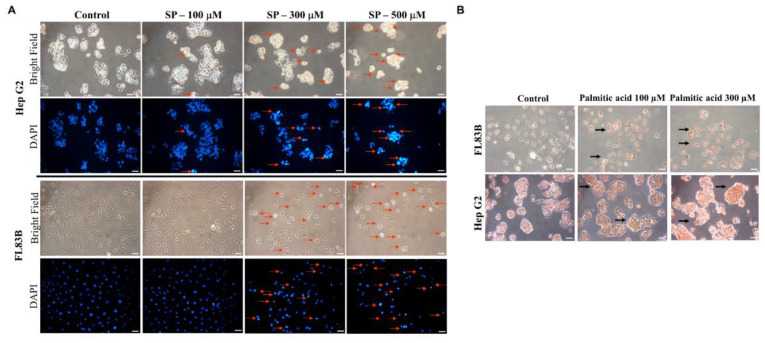 Figure 6
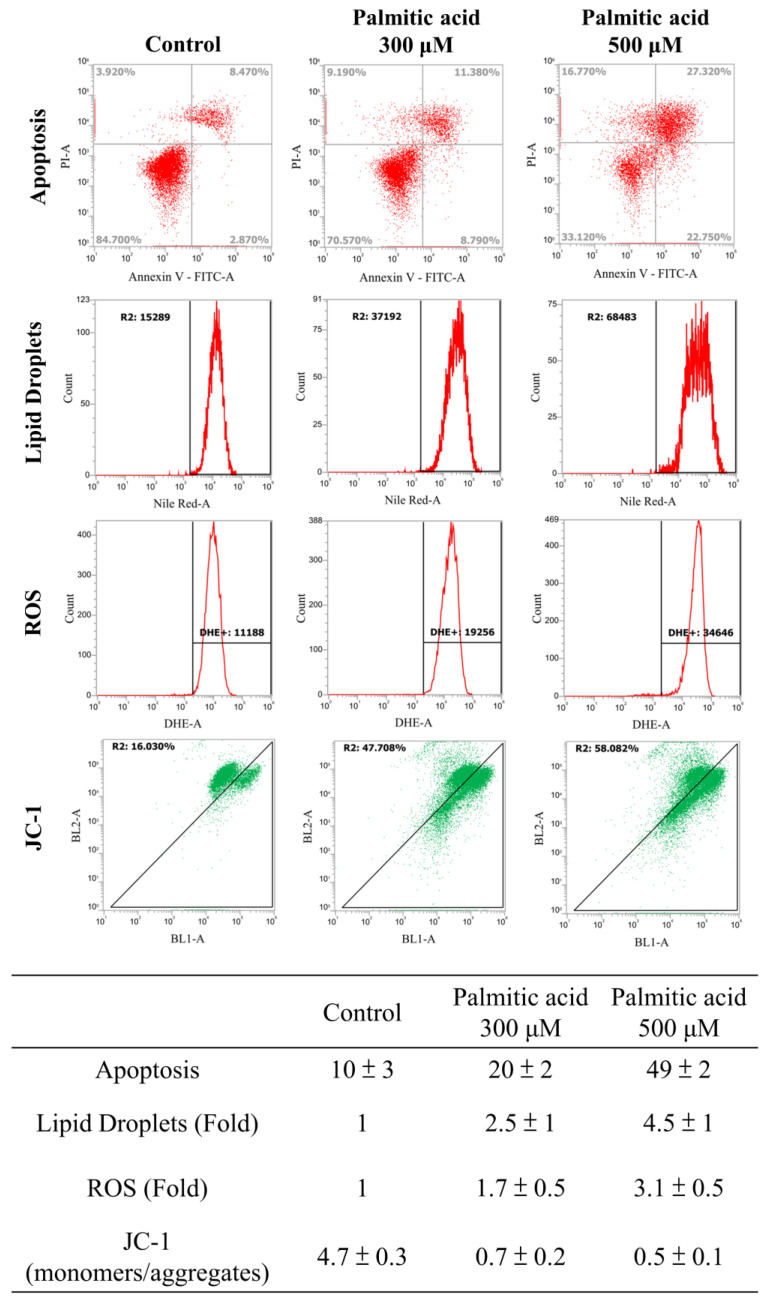 Figure 7
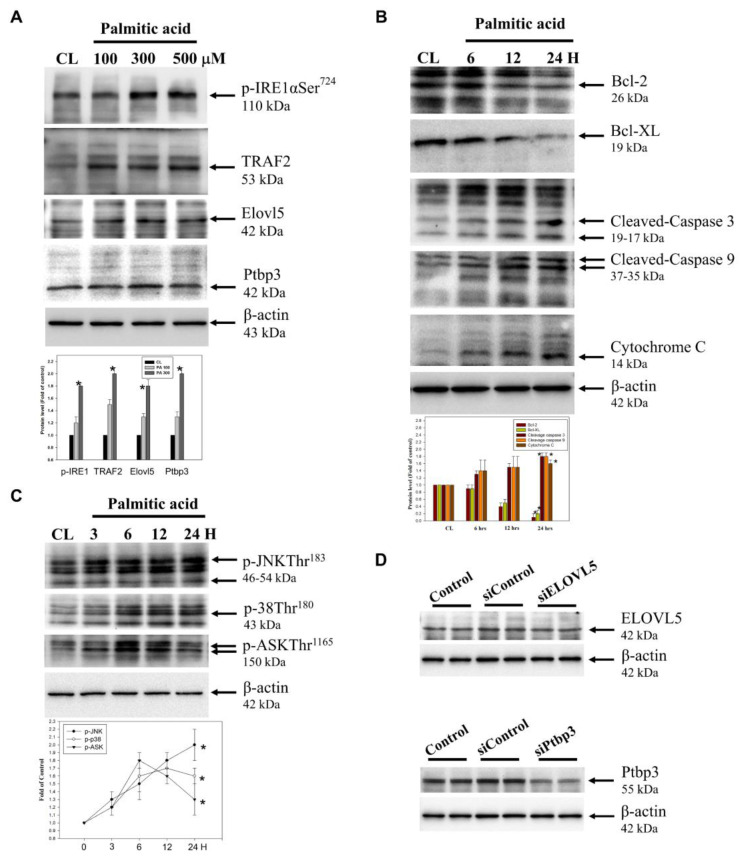 Figure 8
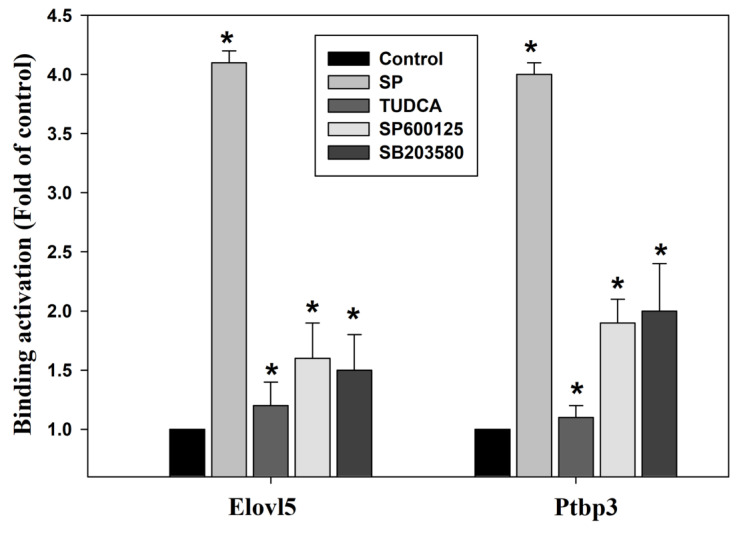 Figure 9
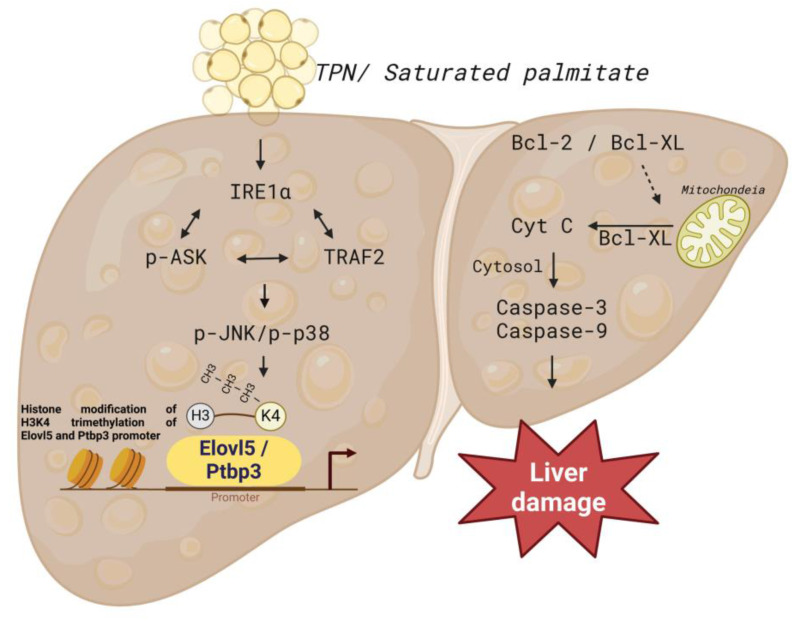 Figure 10
Peer Reviews
No public reviews on file for this paper yet. If you reviewed it on a platform where reviews are public (OpenReview, ICLR, NeurIPS, ICML), you can paste yours below so the community can read it here.
Videos
No videos yet. Explain this paper in a talk, walkthrough, or lecture? Add one.
Taxonomy
TopicsClinical Nutrition and Gastroenterology · Safe Handling of Antineoplastic Drugs · Animal testing and alternatives