Hyperactivity of the non-canonical inflammasome in SPG11 and SPG48
Muhammad Awais Afzal, Mohamed Ghait, Adeela Hussain, Anke Siegmund, Lorena Tuchscherr, Petra Babic, Adrian T. Press, Robert Hardt, Dominic Winter, Annekathrin Rödiger, Rebecca Schüle, Jens Fielitz, Michael Bauer, Christian Andreas Hübner

TL;DR
This study shows that hyperactivity of a specific immune system component, the non-canonical inflammasome, contributes to neuroinflammation in two types of hereditary spastic paraplegia.
Contribution
The novel finding is that Spatacsin and AP5 regulate non-canonical inflammasome activity in microglia and macrophages, linking their dysfunction to neuroinflammation in SPG11 and SPG48.
Findings
Microglia from Spg11 KO mice show heightened activation and stronger inflammatory responses to LPS.
Disruption of Spg11 or Ap5z1 leads to hyperactivity of the non-canonical inflammasome in macrophages and microglia.
Patients with SPG11 mutations exhibit similar non-canonical inflammasome hyperactivity in macrophages.
Abstract
Hereditary spastic paraplegia (HSP) denotes a heterogeneous group of neurodegenerative spastic gait disorders. Variants in SPG11 cause the most common autosomal recessive HSP also known as SPG11. The gene product Spatacsin interacts with the adaptor protein complex 5 (AP5). Because neurodegeneration in SPG11 is accompanied by marked neuro-inflammation, we hypothesised that Spatacsin may play a cell-autonomous role in pro-inflammatory cells. Inflammasome activation was assessed in primary microglia and bone-marrow-derived-macrophages (BMDMs) from wild-type, Spg11, and Ap5z1 knockout (KO) mice and monocyte-derived-macrophages (MDMs) from patients with SPG11 mutations. Wild-type and Spg11 KO mice were used to study microglia activation and LPS-induced inflammatory responses in vivo. We show that microglia activation is more pronounced in pre-symptomatic Spg11 KO compared with control…
Genes, proteins, chemicals, diseases, species, mutations and cell lines named across the full text — each resolved to its canonical identifier and authoritative record.
Click any figure to enlarge with its caption.
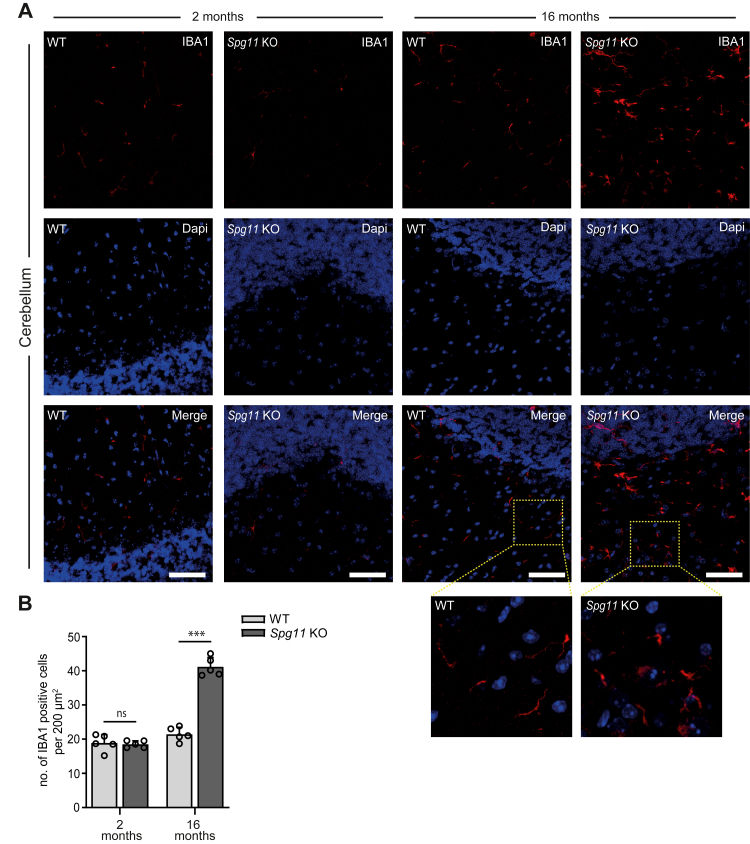 Figure 1
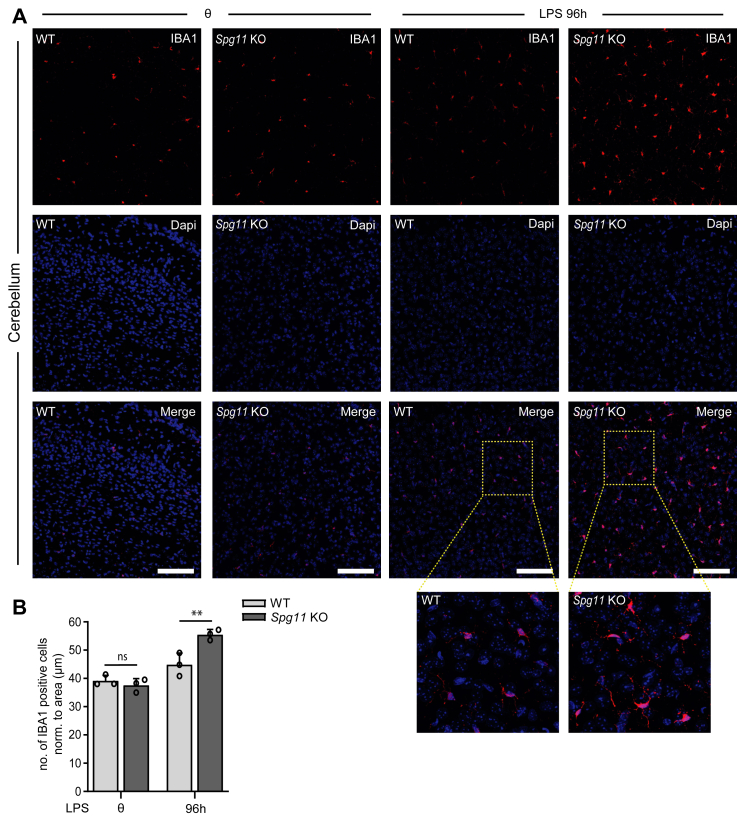 Figure 2
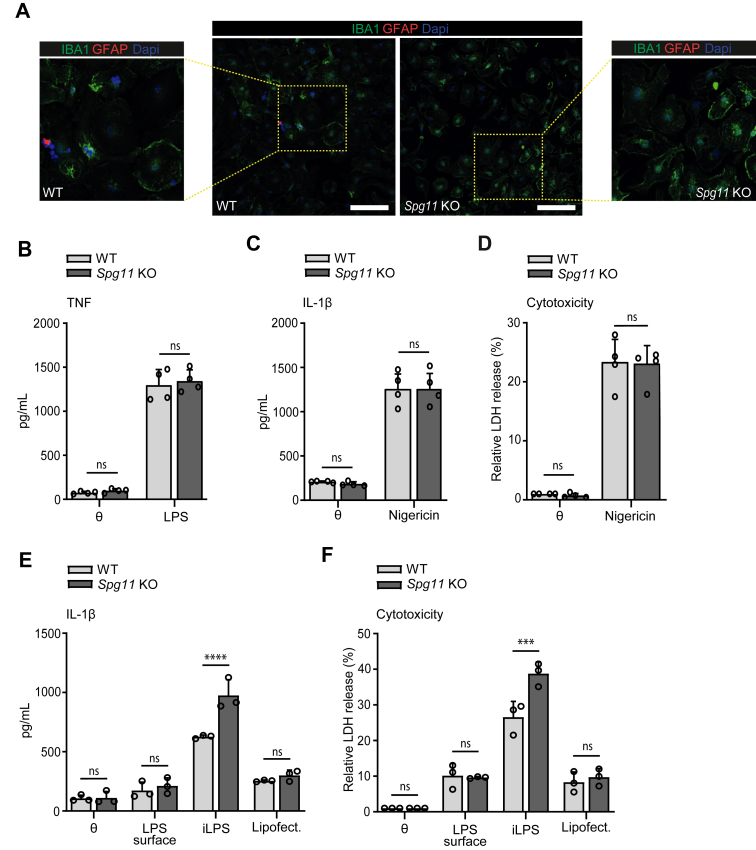 Figure 3
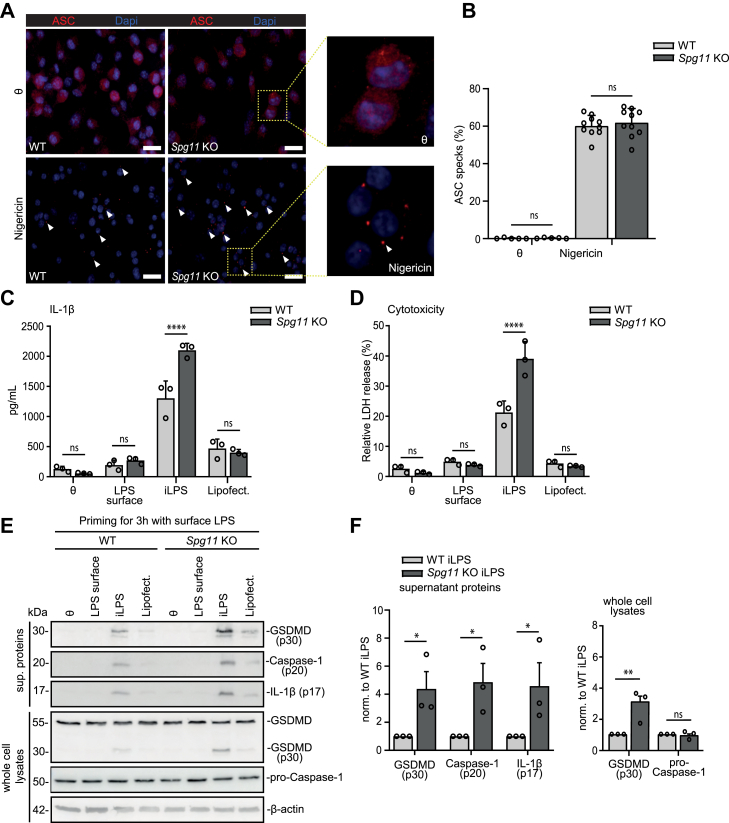 Figure 4
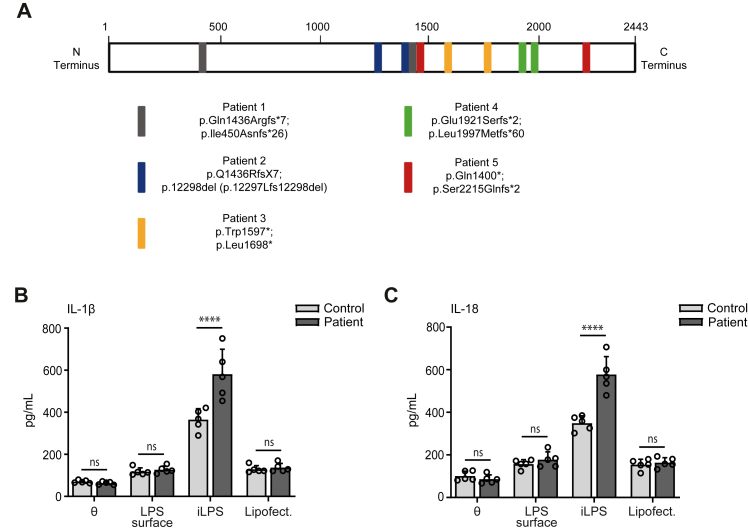 Figure 5
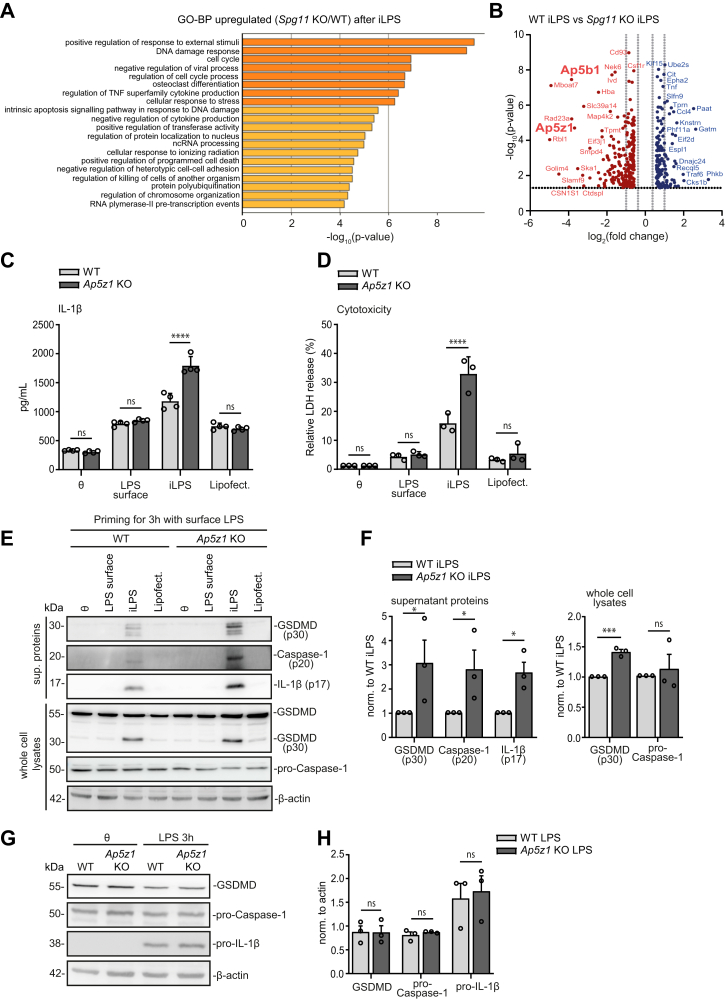 Figure 6
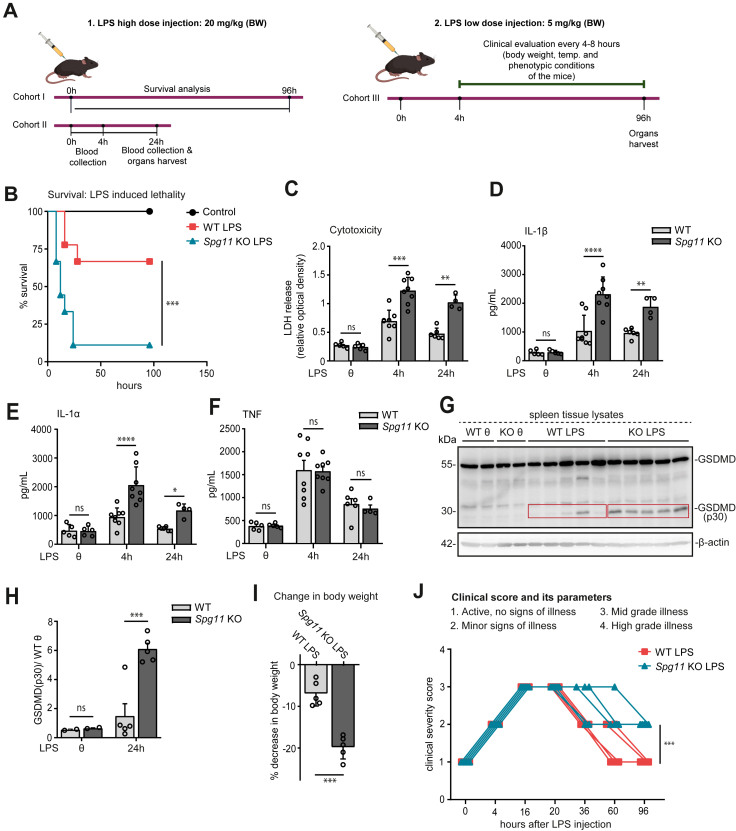 Figure 7
Peer Reviews
No public reviews on file for this paper yet. If you reviewed it on a platform where reviews are public (OpenReview, ICLR, NeurIPS, ICML), you can paste yours below so the community can read it here.
Videos
No videos yet. Explain this paper in a talk, walkthrough, or lecture? Add one.
Taxonomy
TopicsInflammasome and immune disorders · Biomarkers in Disease Mechanisms · Genital Health and Disease