Gastric Mixing and Acid Diffusion in a Human Stomach Simulated Using Smoothed Particle Hydrodynamics
Xinying Liu, Simon M. Harrison, Shouryadipta Ghosh, David F. Fletcher, Paul W. Cleary

TL;DR
This study uses a computational model to simulate how the human stomach mixes fluids and distributes acid, showing that acid diffusion is more important than mechanical mixing for pH changes.
Contribution
The study introduces a novel SPH-based model to simulate gastric mixing and acid distribution, revealing the dominant role of acid diffusion over mechanical mixing.
Findings
ACW-generated mixing is anisotropic, with strong tangential flow and weak radial advection.
Higher fluid viscosity leads to slower and less efficient gastric mixing.
Acid diffusion, not mechanical mixing, is the dominant factor in acid distribution and pH changes.
Abstract
This study develops a computational stomach model using the smoothed particle hydrodynamics (SPH) approach to investigate the effects of fluid viscosity, gastric motility, and acid diffusion rate on gastric mixing and acid distribution. The model incorporates antral contraction waves (ACW) and acid diffusion from the stomach wall. Our findings reveal that the mixing pattern generated by ACWs is strongly anisotropic. When the ACWs travel along the wall, highly effective tangential flow moves alongside and drives the circulatory flow and mixing. Conversely, the weak radial advection orthogonal to the wall provides minimal enhancement to the predominantly radial diffusion. Fluid viscosity influences the mixing dynamics within the stomach significantly, with higher viscosity fluids exhibiting slower and less efficient mixing. Gastric motility, characterized by ACW speed and occlusion, has a…
Genes, proteins, chemicals, diseases, species, mutations and cell lines named across the full text — each resolved to its canonical identifier and authoritative record.
Click any figure to enlarge with its caption.
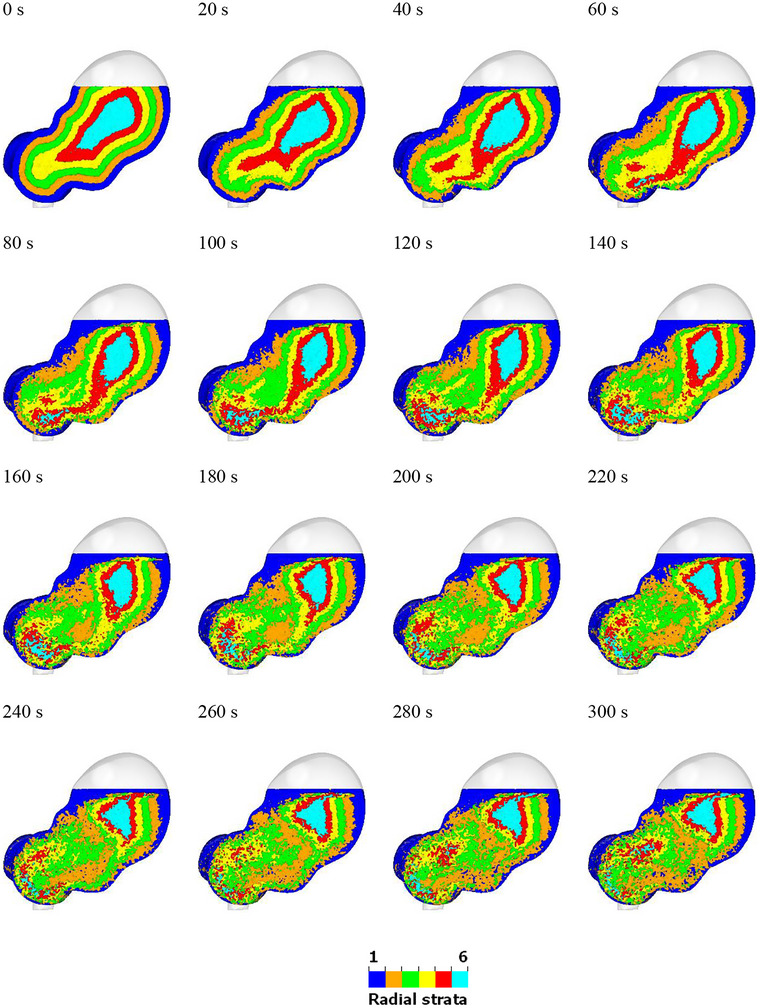 Figure 1
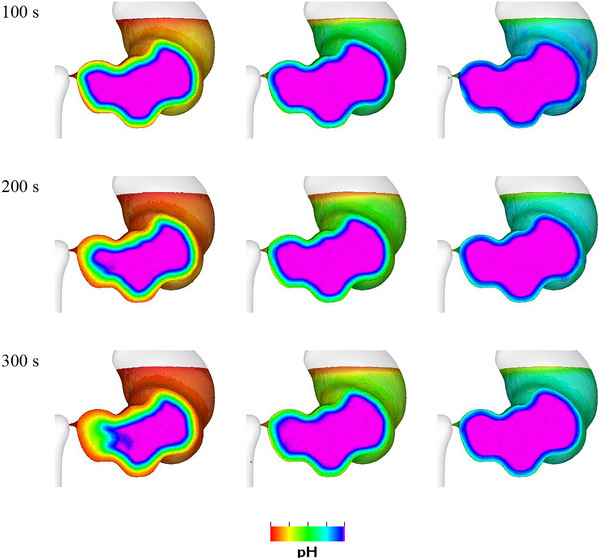 Figure 2
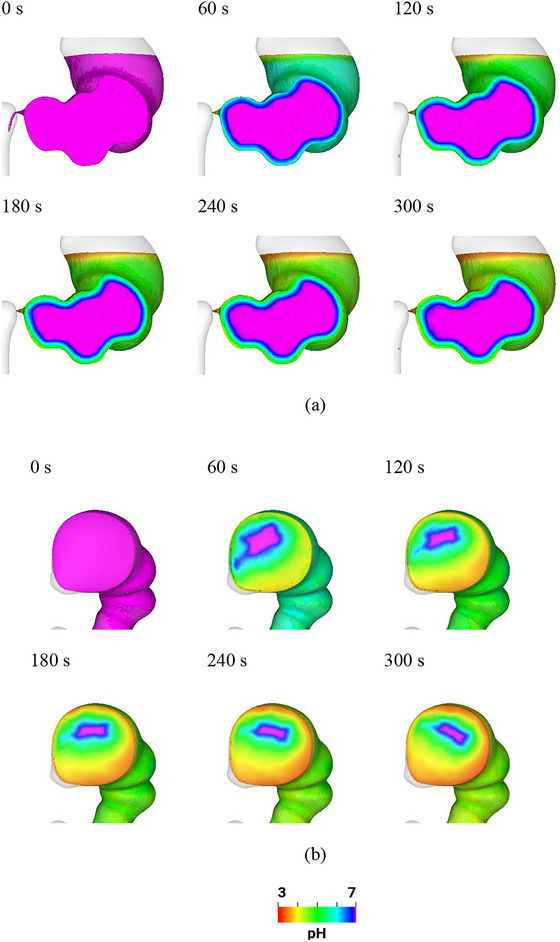 Figure 3
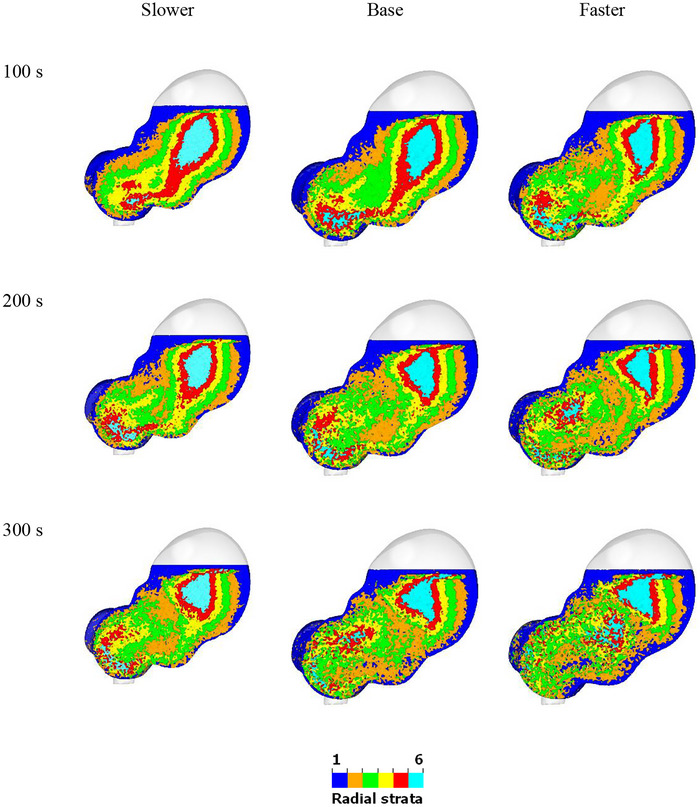 Figure 4
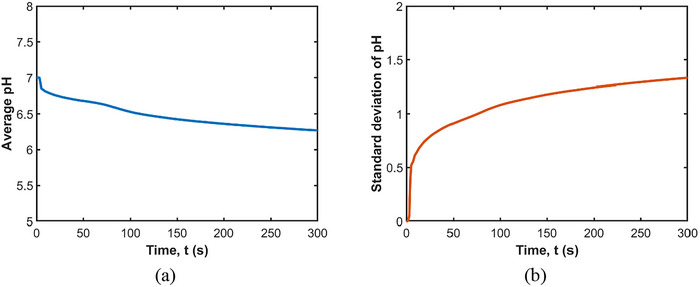 Figure 5
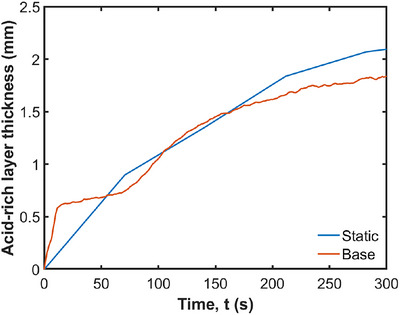 Figure 6
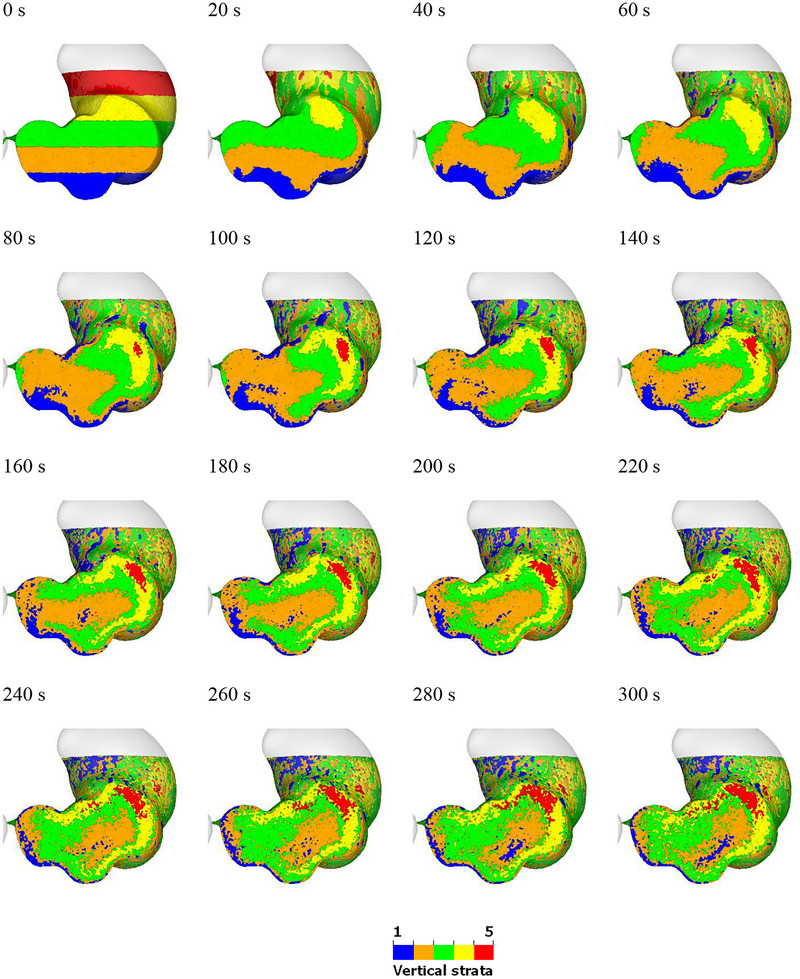 Figure 7
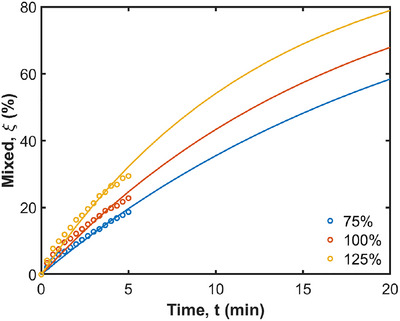 Figure 8
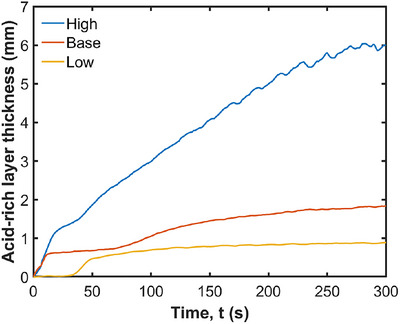 Figure 9
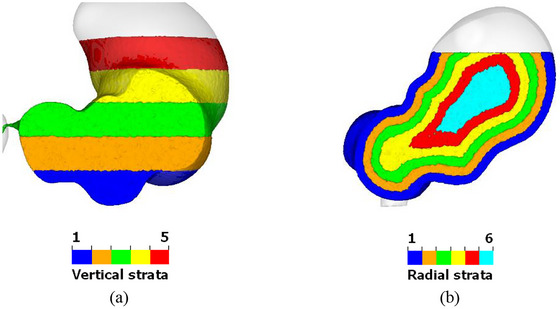 Figure 10
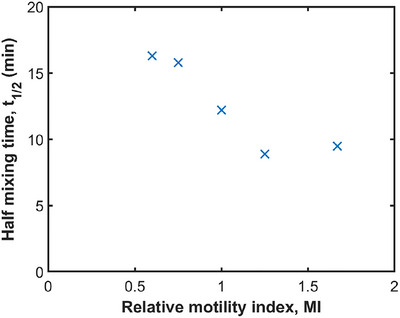 Figure 11
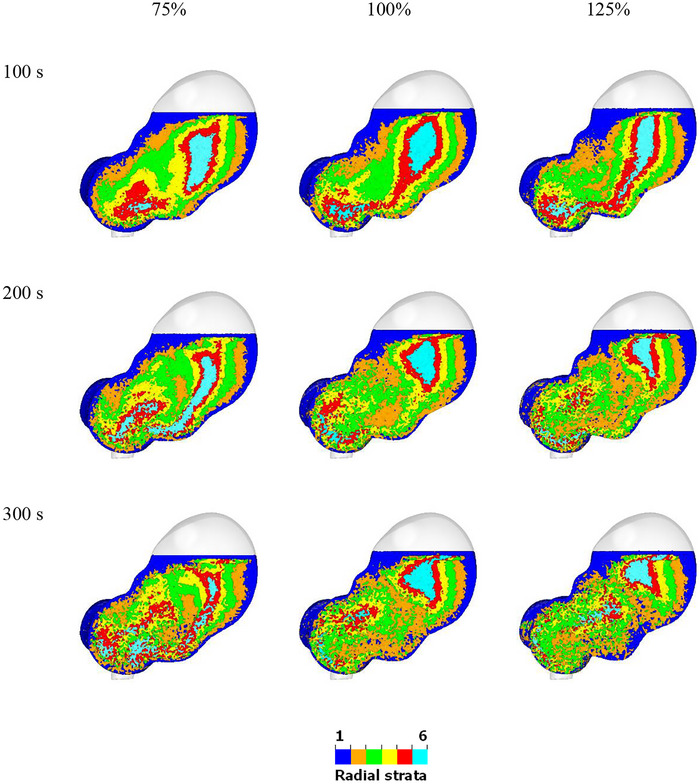 Figure 12
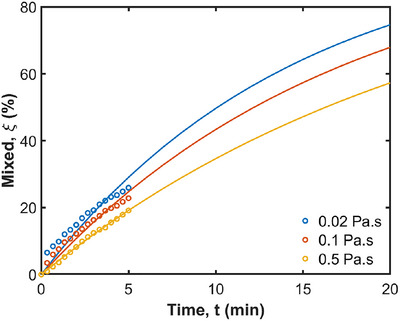 Figure 13
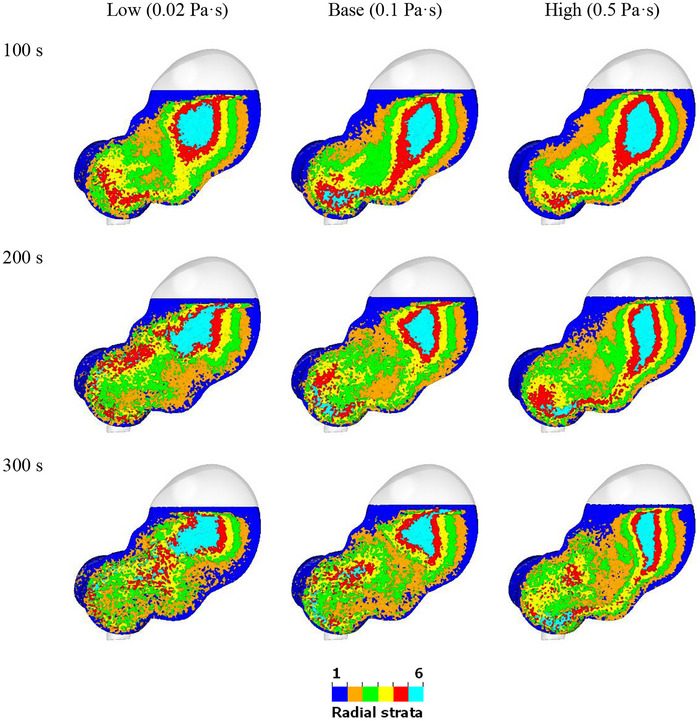 Figure 14
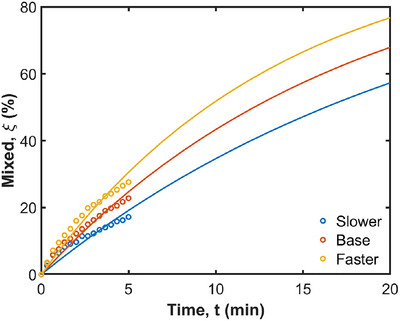 Figure 15
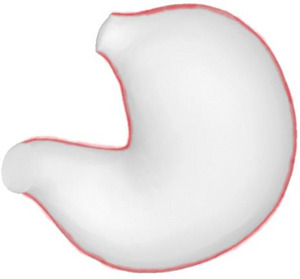 Figure 16
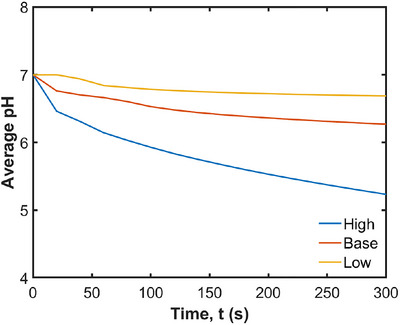 Figure 17
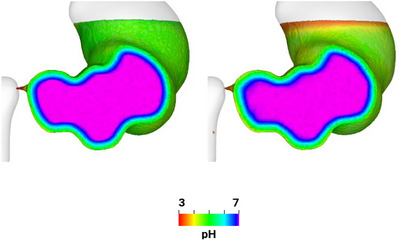 Figure 18
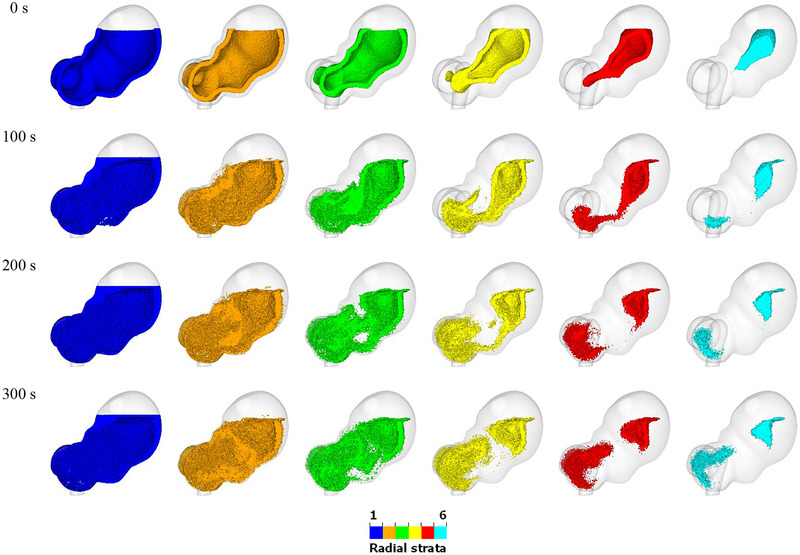 Figure 19
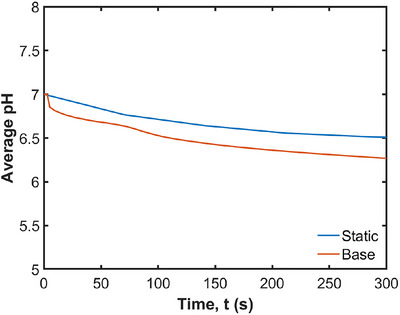 Figure 20
Peer Reviews
No public reviews on file for this paper yet. If you reviewed it on a platform where reviews are public (OpenReview, ICLR, NeurIPS, ICML), you can paste yours below so the community can read it here.
Videos
No videos yet. Explain this paper in a talk, walkthrough, or lecture? Add one.
Taxonomy
TopicsGastrointestinal motility and disorders · Helicobacter pylori-related gastroenterology studies · Hydrogels: synthesis, properties, applications