Integrative SMR and single cell & spatial analysis reveals the spatial heterogeneity and prognostic value of CASP9-mediated apoptotic pathways in clear cell renal cell carcinoma
Zijie Yu, Xinghan Yan, Wenchuan Shao, Lingchen Cai, Da Zhong, Xiyi Wei, Ninghong Song

TL;DR
This study shows that apoptosis, especially CASP9-driven pathways, plays a key role in the spatial organization and progression of clear cell kidney cancer.
Contribution
The study introduces a novel integrative approach combining SMR, single-cell, and spatial analysis to reveal the spatial and prognostic role of CASP9 in ccRCC.
Findings
Apoptosis-high tumor cells with elevated CASP9 cluster near macrophage-rich regions and show distinct spatial organization.
A CASP9-associated five-gene signature accurately predicts patient survival in ccRCC.
CASP9 is genetically linked to renal cancer risk and regulates tumor-macrophage interactions.
Abstract
Clear cell renal cell carcinoma (ccRCC) is the most common histological subtype of renal cancer and remains a clinical challenge due to its frequent resistance to therapy and poor prognosis in advanced stages. Apoptosis, a fundamental tumor-suppressive mechanism, exhibits paradoxical roles in cancer, wherein apoptotic tumor cells can also contribute to immunosuppression and tumor progression. However, the spatial dynamics, transcriptional heterogeneity, and prognostic relevance of apoptosis-related gene programs in ccRCC remain poorly defined. We performed an integrative analysis combining single-cell RNA sequencing (scRNA-seq), spatial transcriptomics, and summary-based Mendelian randomization (SMR) to dissect apoptosis-related malignant cell states in ccRCC. Cancer cells were stratified based on apoptosis gene signatures and CASP9 expression. Cell–cell communication was assessed…
Genes, proteins, chemicals, diseases, species, mutations and cell lines named across the full text — each resolved to its canonical identifier and authoritative record.
Click any figure to enlarge with its caption.
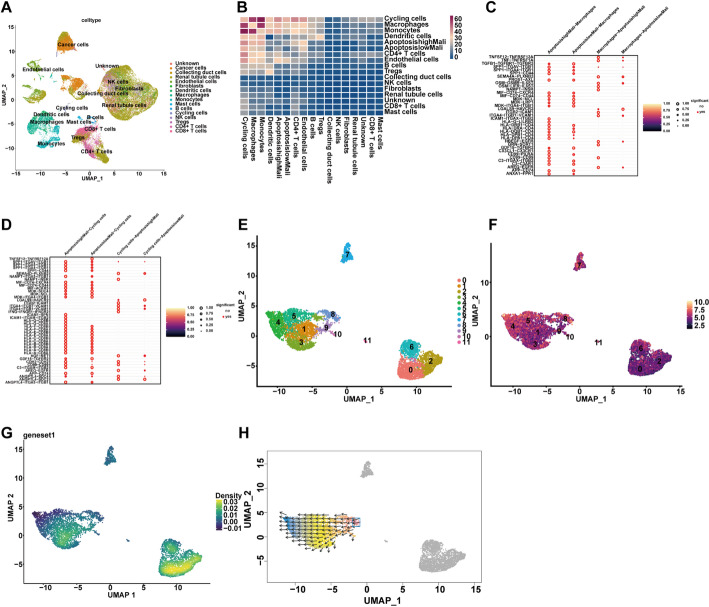 Figure 1
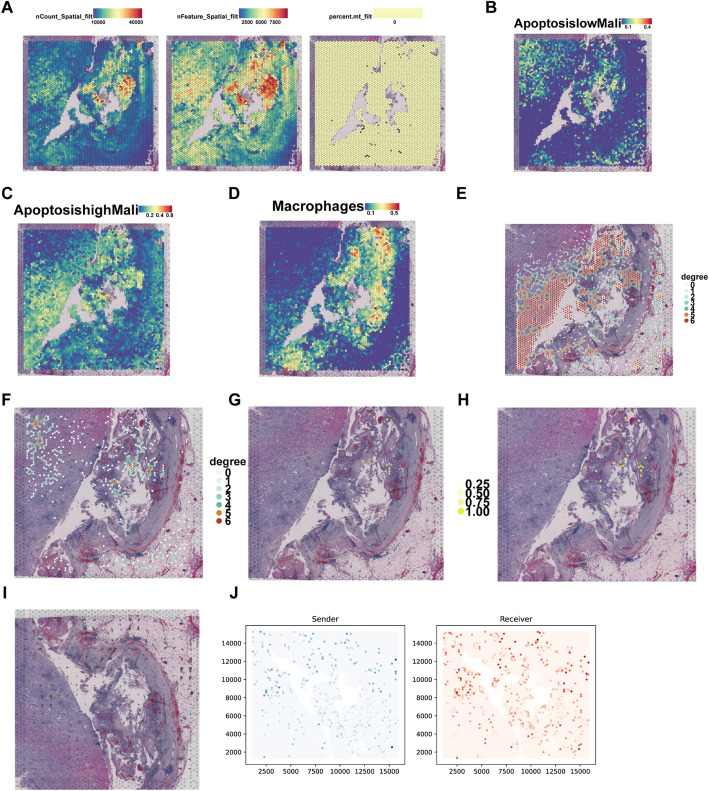 Figure 2
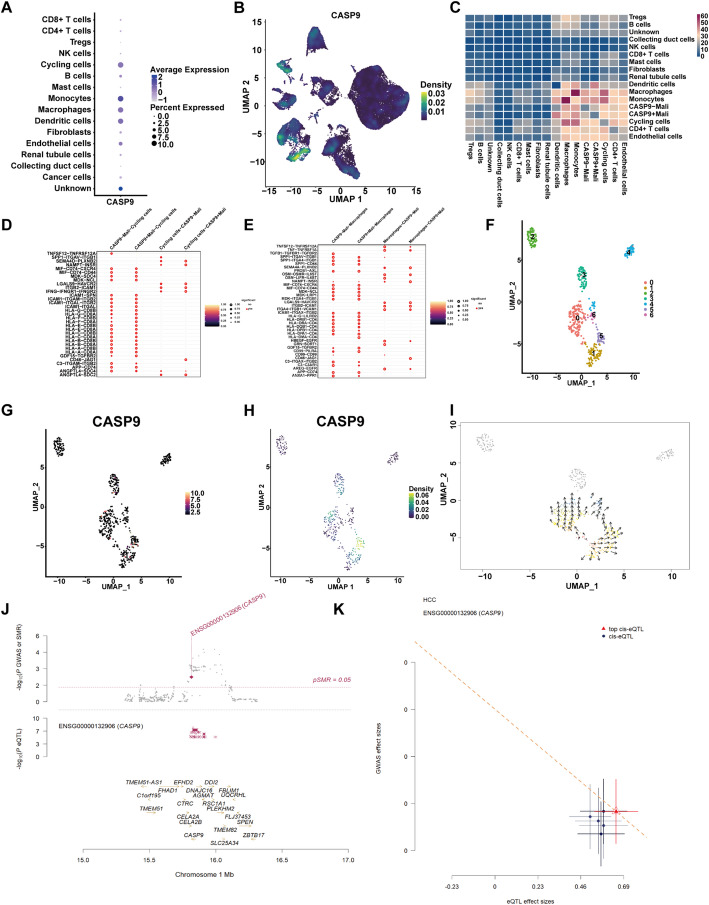 Figure 3
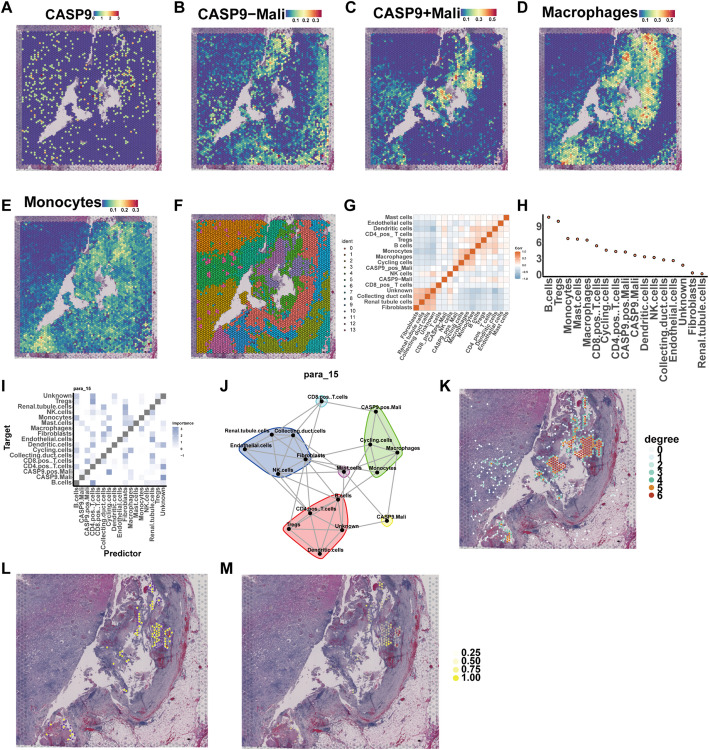 Figure 4
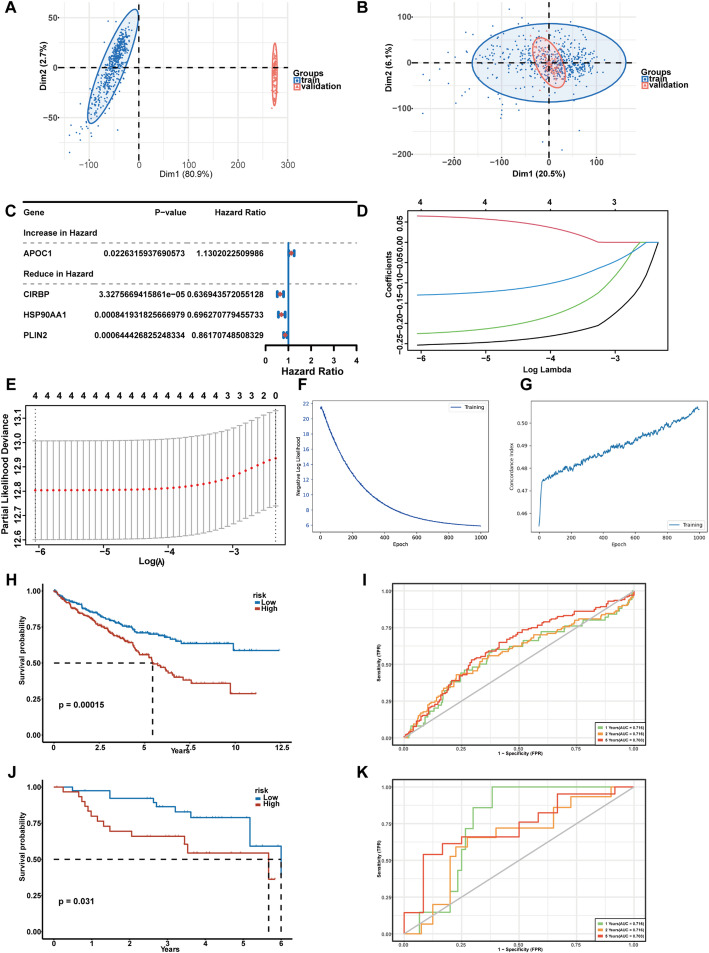 Figure 5
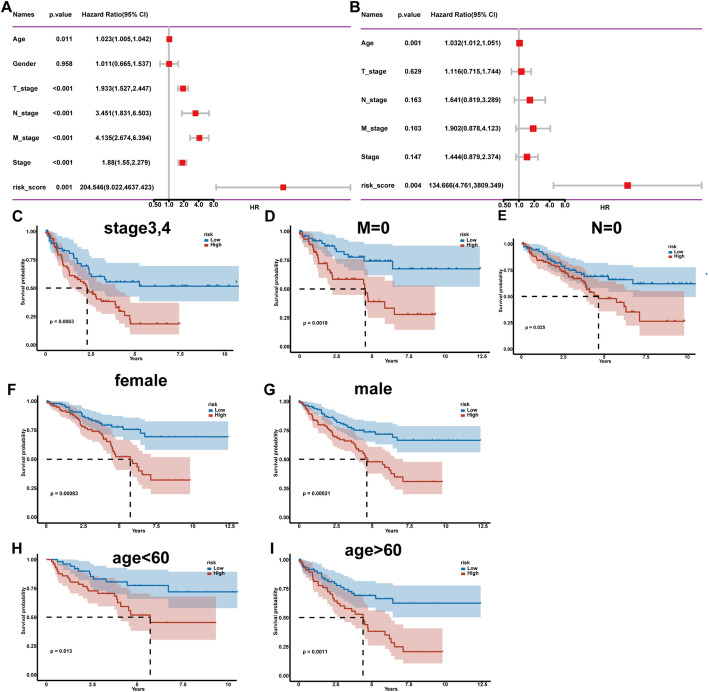 Figure 6
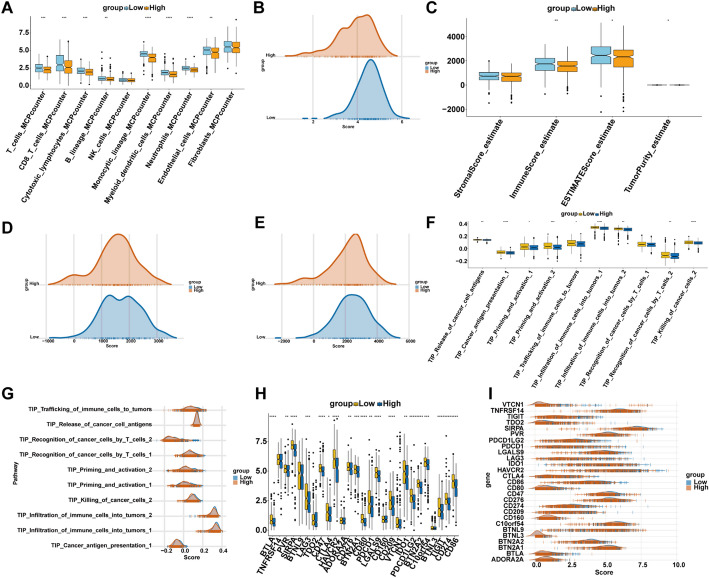 Figure 7
Peer Reviews
No public reviews on file for this paper yet. If you reviewed it on a platform where reviews are public (OpenReview, ICLR, NeurIPS, ICML), you can paste yours below so the community can read it here.
Videos
No videos yet. Explain this paper in a talk, walkthrough, or lecture? Add one.
Taxonomy
TopicsFerroptosis and cancer prognosis · Immune cells in cancer · Phagocytosis and Immune Regulation