Incidence and characterization of spontaneous pituitary neuroendocrine tumors in aged spontaneously hypertensive rats
Anna C. J. Kalisvaart, Frank K. H. van Landeghem, Craig W. Wilkinson, Frederick Colbourne

TL;DR
Aged spontaneously hypertensive rats commonly develop aggressive pituitary tumors, offering a new model for studying brain tumor biology and improving animal care.
Contribution
Identification of a high incidence of pituitary neuroendocrine tumors in aged SHRs as a novel preclinical model.
Findings
30% of aged SHRs developed large intracranial tumors, predominantly pituitary neuroendocrine tumors.
Tumors showed rapid growth, invasion, and high proliferation rates as indicated by Ki67 staining.
Findings highlight the need for enhanced surveillance in aging laboratory animals.
Abstract
Primary intracranial tumors make up ~ 2% of all cancer cases but contribute disproportionately to cancer-related morbidity and mortality. While spontaneous preclinical intracranial tumor models offer valuable insights into the mechanisms underlying primary tumor formation and progression, few have been identified to date. As such, tracking and characterizing spontaneous tumor development in aging laboratory animals represents an opportunity to advance preclinical research, while informing best practices for animal welfare. Here, we investigated intracranial tumor incidence and origin in a cohort of spontaneously hypertensive rats aged 20–24 months (SHRs; N = 60), initially intended for preclinical stroke experiments. Upon gross inspection, we identified large intracranial tumors in 30% of aged SHRs. Using histological, immunohistological, and ultrastructural methods, we found that ~ 89%…
Genes, proteins, chemicals, diseases, species, mutations and cell lines named across the full text — each resolved to its canonical identifier and authoritative record.
Click any figure to enlarge with its caption.
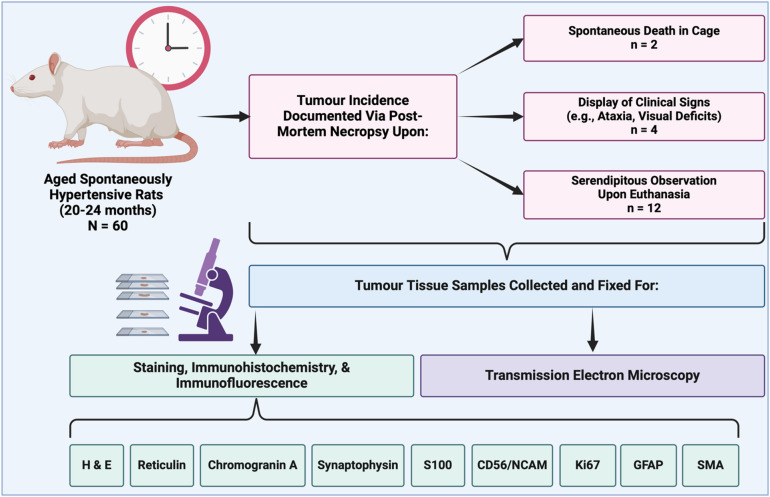 Figure 1
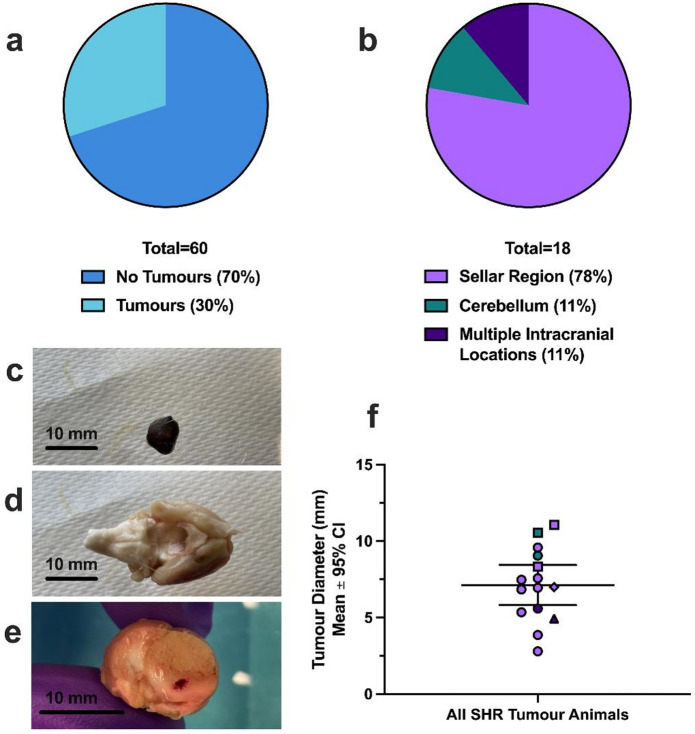 Figure 2
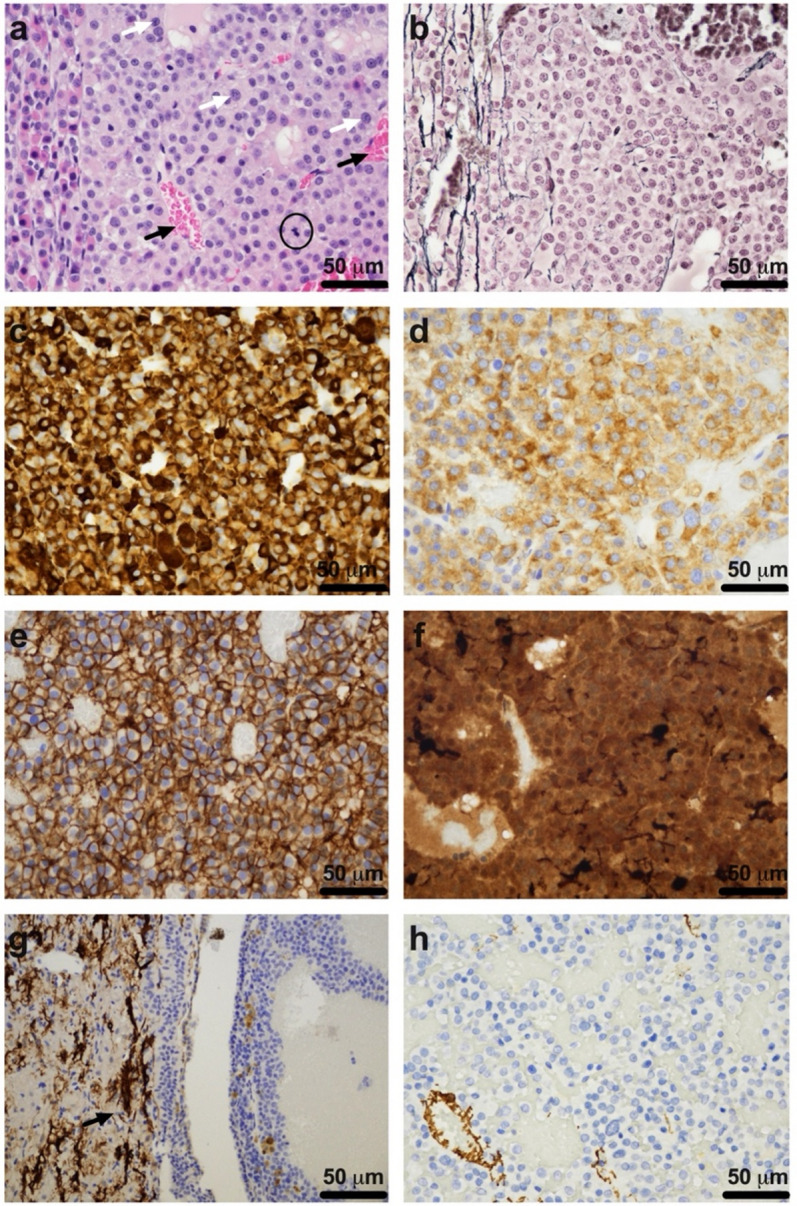 Figure 3
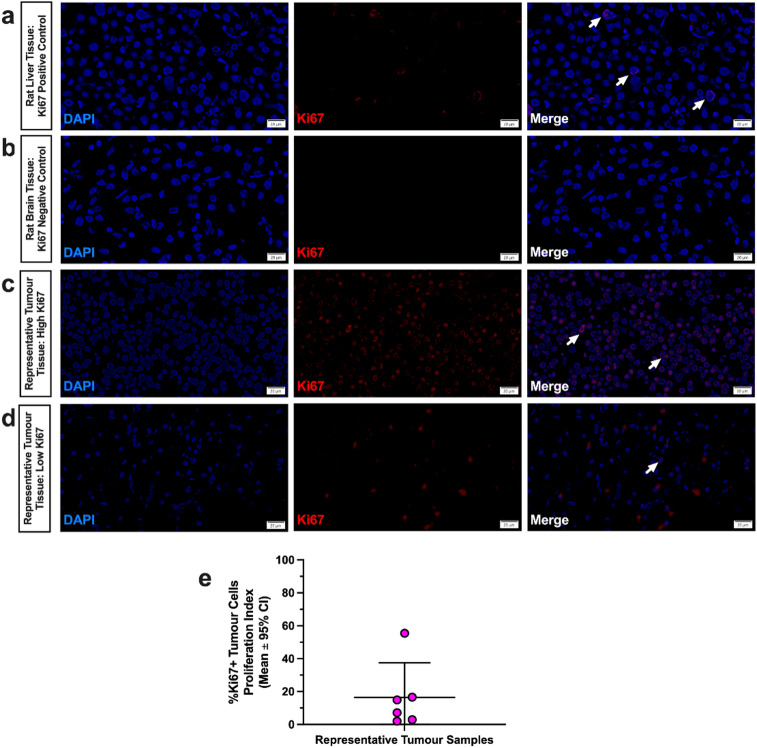 Figure 4
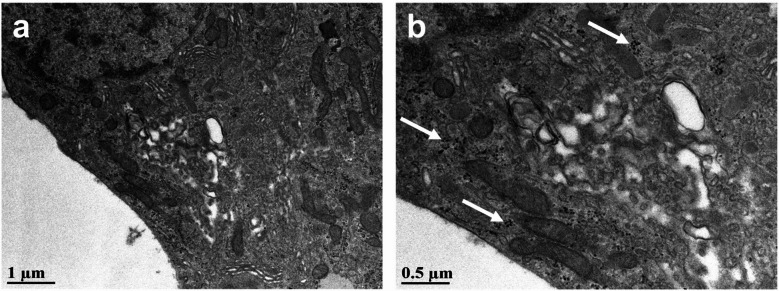 Figure 5
Peer Reviews
No public reviews on file for this paper yet. If you reviewed it on a platform where reviews are public (OpenReview, ICLR, NeurIPS, ICML), you can paste yours below so the community can read it here.
Videos
No videos yet. Explain this paper in a talk, walkthrough, or lecture? Add one.
Taxonomy
TopicsPituitary Gland Disorders and Treatments · Neuroendocrine Tumor Research Advances · Growth Hormone and Insulin-like Growth Factors