When extubation turns fatal: Delayed hemoptysis from negative pressure pulmonary hemorrhage
Mohammed AbuBaha, Hossam Salameh, Wael Hashem, Hasan Khalili, Bara Abubaha, Mohammad Bdair, Hatem M. Taha

TL;DR
A rare case of fatal delayed hemoptysis caused by negative pressure pulmonary hemorrhage after extubation is reported and discussed.
Contribution
The paper presents a novel clinical case highlighting the under-recognized complication of NPPH post-extubation.
Findings
A 25-year-old diabetic male developed sudden hemoptysis and dyspnea after varicocelectomy.
Imaging showed bilateral pulmonary infiltrates consistent with alveolar hemorrhage.
Supportive treatment led to full recovery, emphasizing the importance of early recognition of NPPH.
Abstract
Negative pressure pulmonary hemorrhage (NPPH) is a rare but serious complication following upper airway obstruction, often due to forceful inspiratory efforts. We report a case of a 25-year-old diabetic male who developed sudden hemoptysis and dyspnea after routine varicocelectomy. The patient had likely bitten the endotracheal tube during extubation, causing transient airway obstruction. Imaging showed bilateral pulmonary infiltrates consistent with alveolar hemorrhage. Other causes were excluded, and supportive treatment led to full recovery. This case underscores the importance of recognizing NPPH early in the postoperative period to prevent misdiagnosis and ensure prompt, effective management.
Genes, proteins, chemicals, diseases, species, mutations and cell lines named across the full text — each resolved to its canonical identifier and authoritative record.
Click any figure to enlarge with its caption.
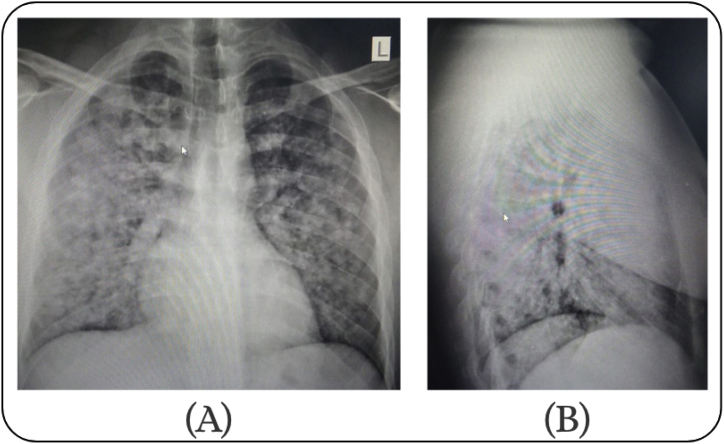 Figure 1
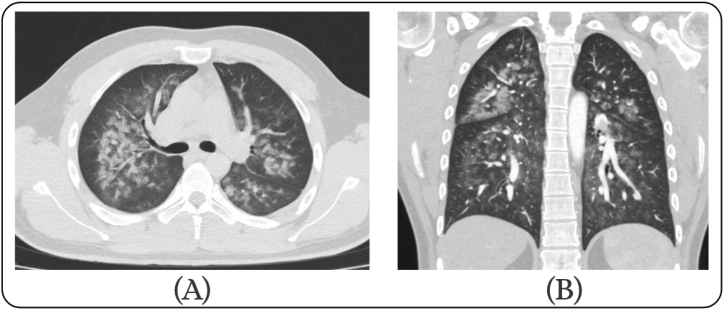 Figure 2
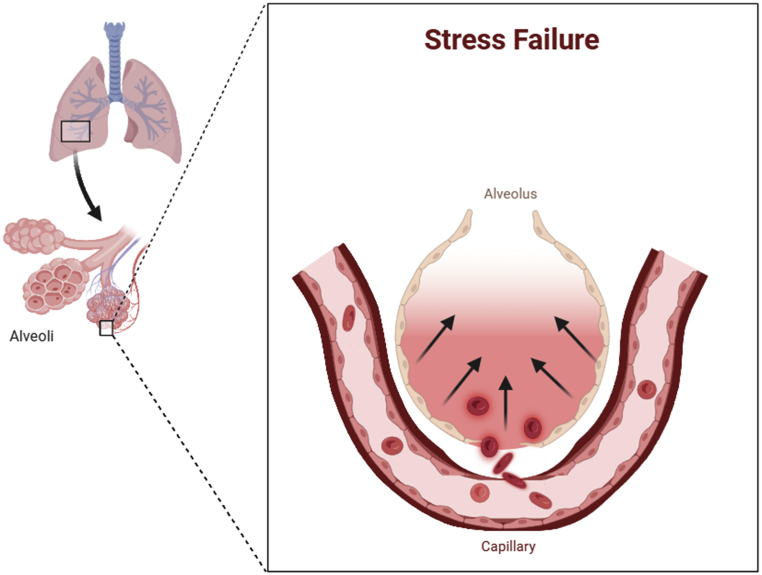 Figure 3
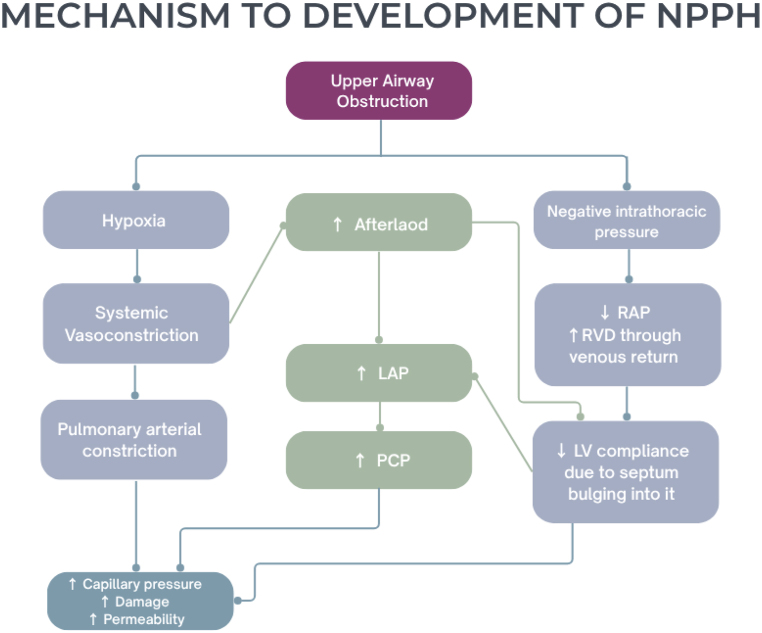 Figure 4
Peer Reviews
No public reviews on file for this paper yet. If you reviewed it on a platform where reviews are public (OpenReview, ICLR, NeurIPS, ICML), you can paste yours below so the community can read it here.
Videos
No videos yet. Explain this paper in a talk, walkthrough, or lecture? Add one.
Taxonomy
TopicsRestraint-Related Deaths · Neuroscience of respiration and sleep · Trauma Management and Diagnosis