Machine learning-based virtual screening and density functional theory characterisation of natural inhibitors targeting mutant PBP2x in Streptococcus pneumoniae
Avani Panickar, Anand Manoharan, Sudha Ramaiah

TL;DR
This study uses machine learning and computational methods to find natural compounds that could target antibiotic-resistant Streptococcus pneumoniae.
Contribution
A novel strategy combining machine learning and DFT analysis to identify plant-derived inhibitors for PBP2x mutants in S. pneumoniae.
Findings
Glucozaluzanin C showed strong binding affinity and stability with PBP2x mutants in simulations.
Machine learning screening identified phytocompounds with favorable ADMET properties.
Electronic properties of top candidates were validated using HOMO–LUMO and electrostatic potential mapping.
Abstract
Streptococcus pneumoniae (S. pneumoniae) has developed resistance to β-lactam antibiotics, largely due to mutations in penicillin-binding protein 2x (PBP2x), particularly within conserved motifs such as STMK and KSG. PBP2x mutations are frequently reported in multidrug-resistant pneumococcal strains associated with pneumonia, meningitis, and septicaemia. especially in serotypes 19A, 19F, and 23F, showing reduced susceptibility to β-lactam antibiotics. These mutations in the PBP2x disrupt antibiotic binding and enzymatic functions, highlighting the need for alternative therapeutic strategies. This study focused on five clinically relevant PBP2x mutations (T338A/G/P and K547G/T) within its active site. A library of phytocompounds was screened using a machine learning model trained to identify antibacterial compounds. Top candidates were filtered based on ADMET properties, and their…
Genes, proteins, chemicals, diseases, species, mutations and cell lines named across the full text — each resolved to its canonical identifier and authoritative record.
Click any figure to enlarge with its caption.
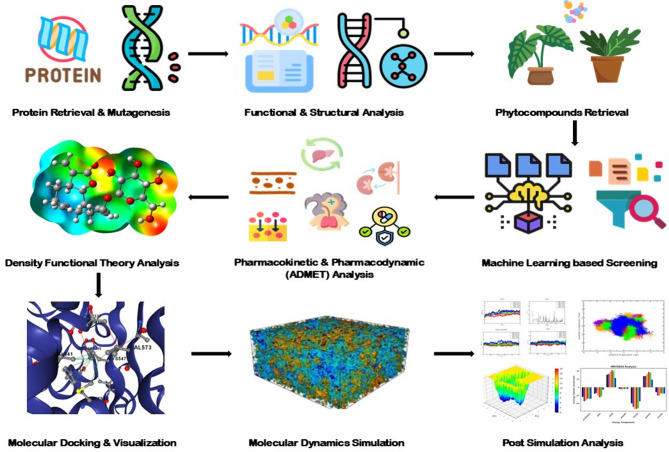 Figure 1
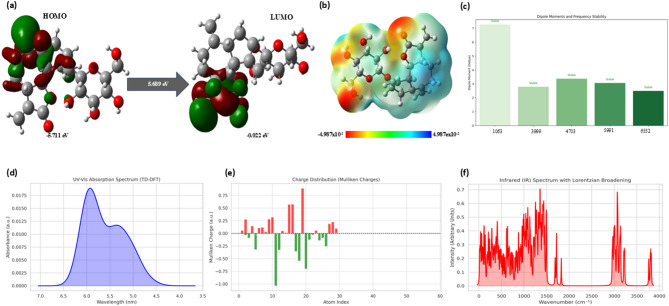 Figure 2
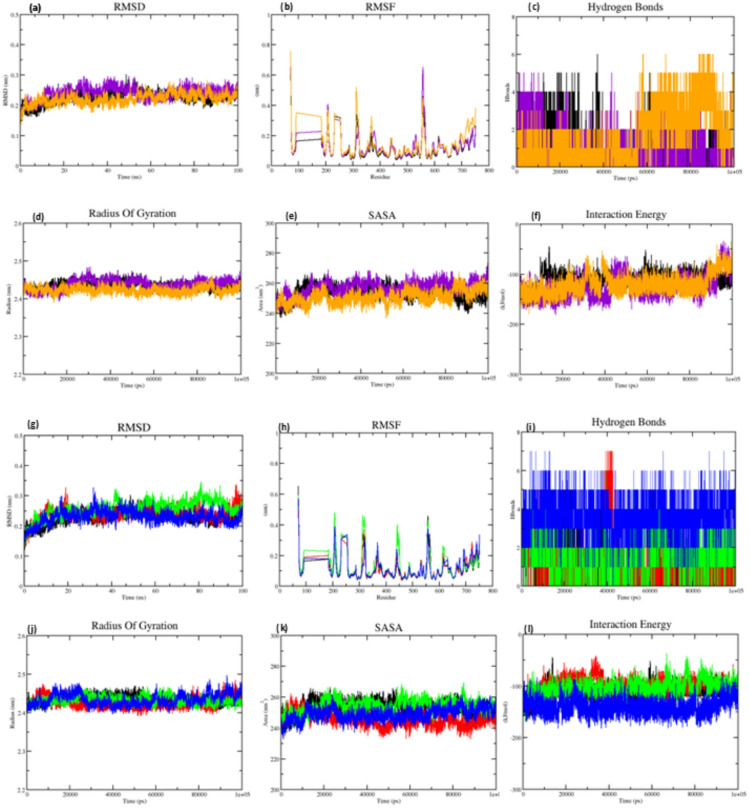 Figure 3
Peer Reviews
No public reviews on file for this paper yet. If you reviewed it on a platform where reviews are public (OpenReview, ICLR, NeurIPS, ICML), you can paste yours below so the community can read it here.
Videos
No videos yet. Explain this paper in a talk, walkthrough, or lecture? Add one.
Taxonomy
TopicsPneumonia and Respiratory Infections · Computational Drug Discovery Methods · Protein Structure and Dynamics