Age affects the immune system more than a moderate surgical trauma and anesthesia
Richard F. Kraus, Isabella Rastorfer, Sara Sixt, Tobias Hundhammer, Alexander Dejaco, Julia Rimboeck, Michael Gruber, Walter Petermichl

TL;DR
Older adults show stronger immune system changes due to aging than from a moderate surgery and anesthesia.
Contribution
This study compares the impact of aging versus surgical trauma on immune cell function in young and old patients.
Findings
Older patients had PMNs that migrated longer distances during early imaging.
Older patients showed higher IL-6 levels and increased neutrophil-to-lymphocyte ratios.
Age had a stronger effect on PMN and T-cell function than surgery or anesthesia.
Abstract
The effectiveness of the immune system decreases with increasing age. This process is known as immunosenescence. Recent studies showed the influence of aging on neutrophil granulocytes (PMNs) and T-cells, with the extent of the influence appearing to depend on various co-factors (such as the primary diseases of a patient). In this study, the PMNs and T-cells of younger and older adult patients were tested for their immunoreactivity before and after an operation in order to examine the consequences of the aging process on the moderately triggered immune system. Whole blood was taken from young patients (aged 18–65 years) and old patients (> 65 years) before and one day after an operation. Previous illnesses and medication intake were taken from the patient’s file. PMNs and T-cells were isolated. Immunoassays, live cell imaging (LCI) and flow cytometric examinations (FACS) were performed…
Genes, proteins, chemicals, diseases, species, mutations and cell lines named across the full text — each resolved to its canonical identifier and authoritative record.
Click any figure to enlarge with its caption.
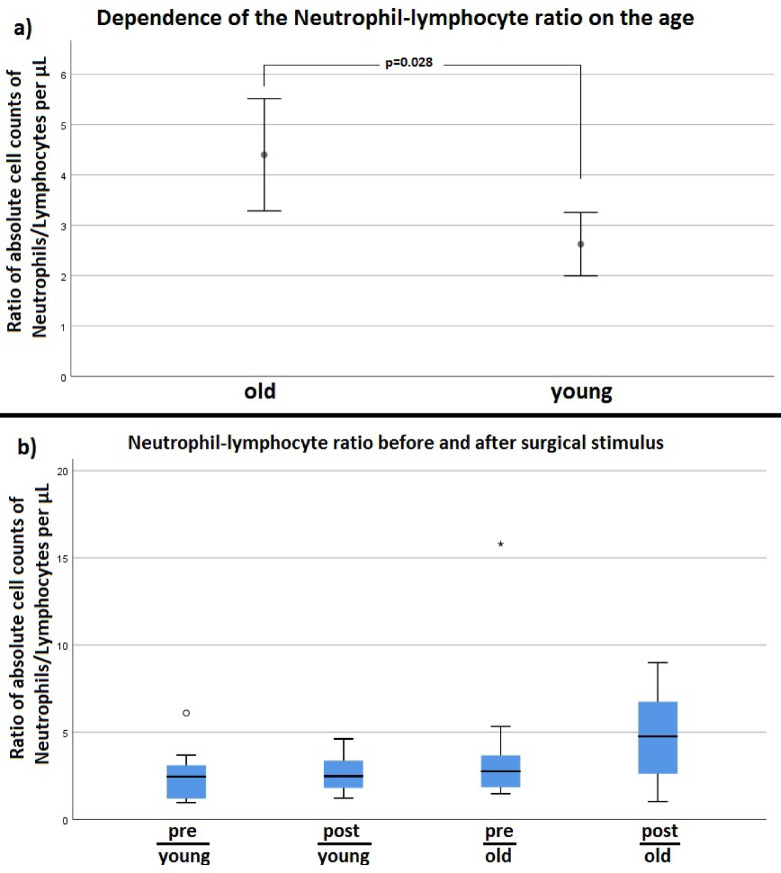 Figure 10
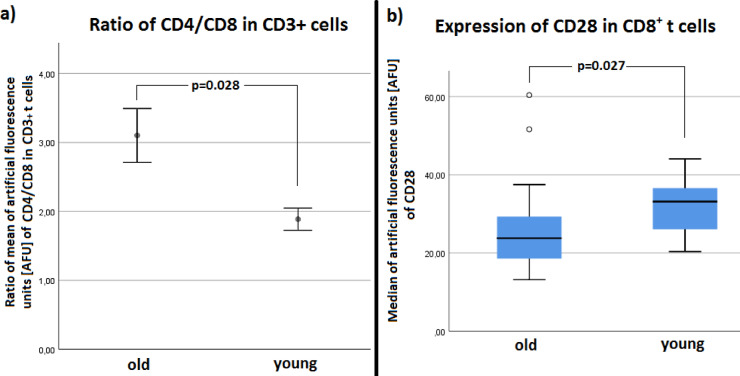 Figure 11
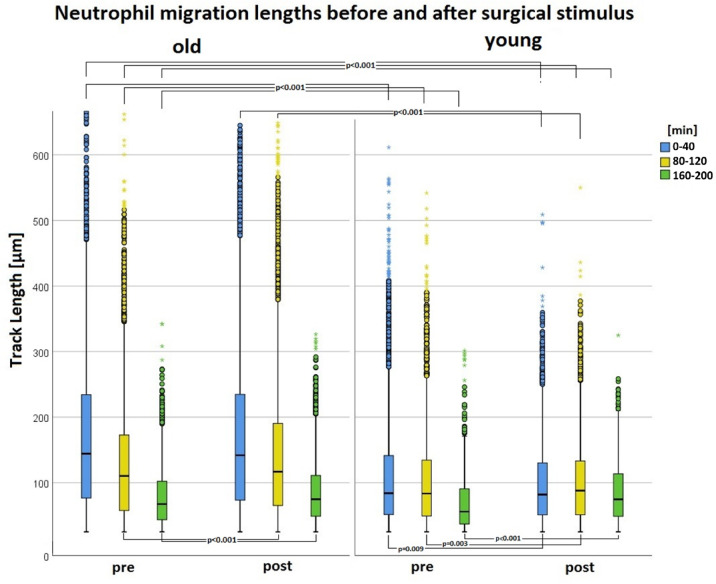 Figure 12
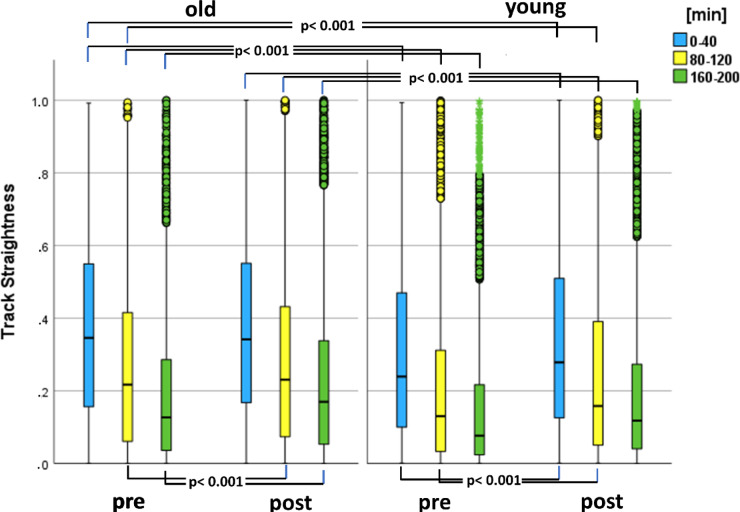 Figure 13
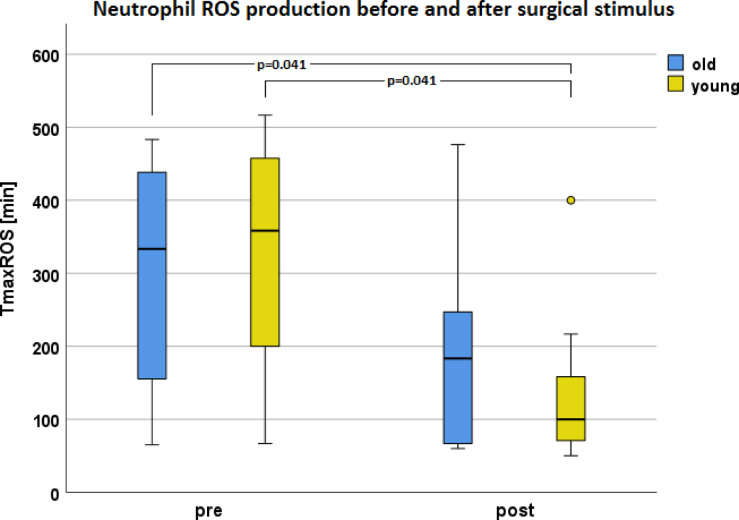 Figure 14
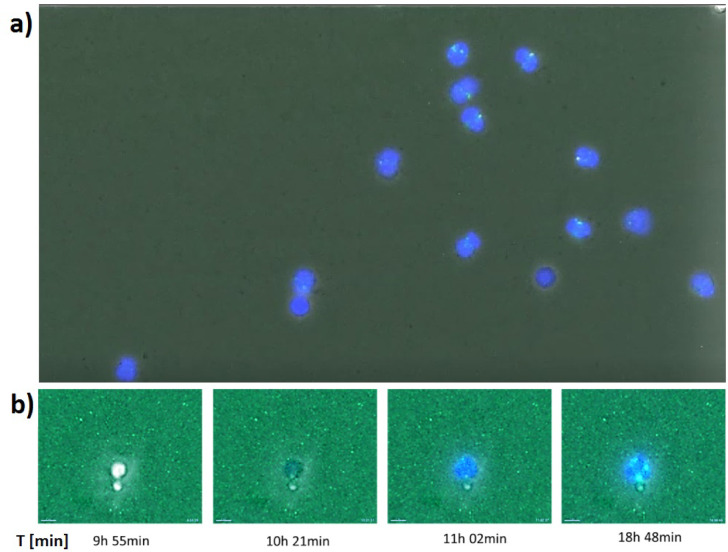 Figure 15
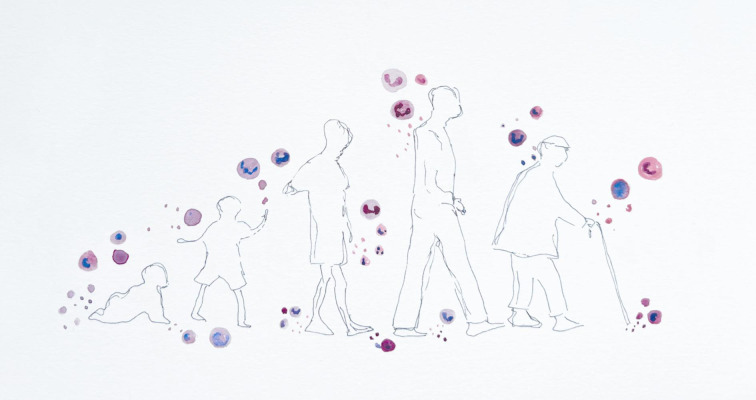 Figure 1
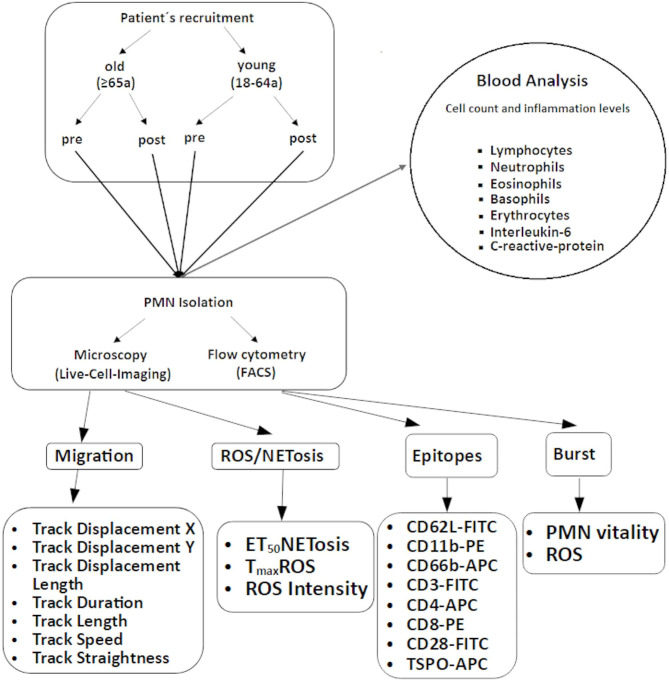 Figure 2
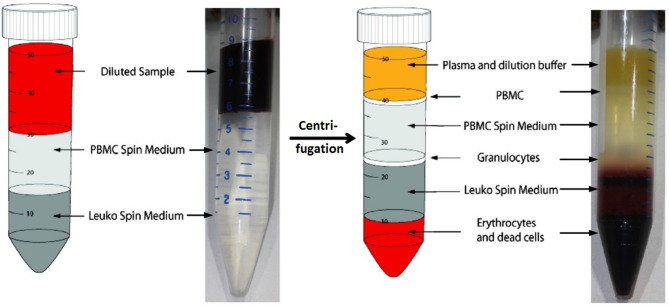 Figure 3
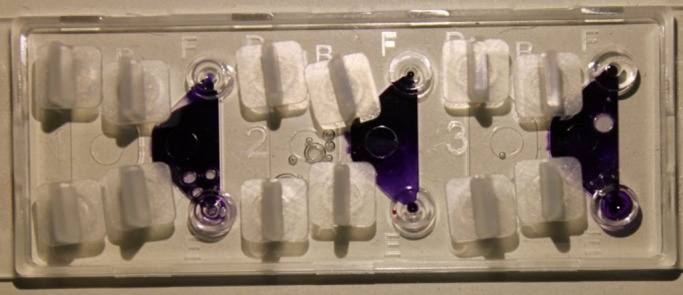 Figure 4
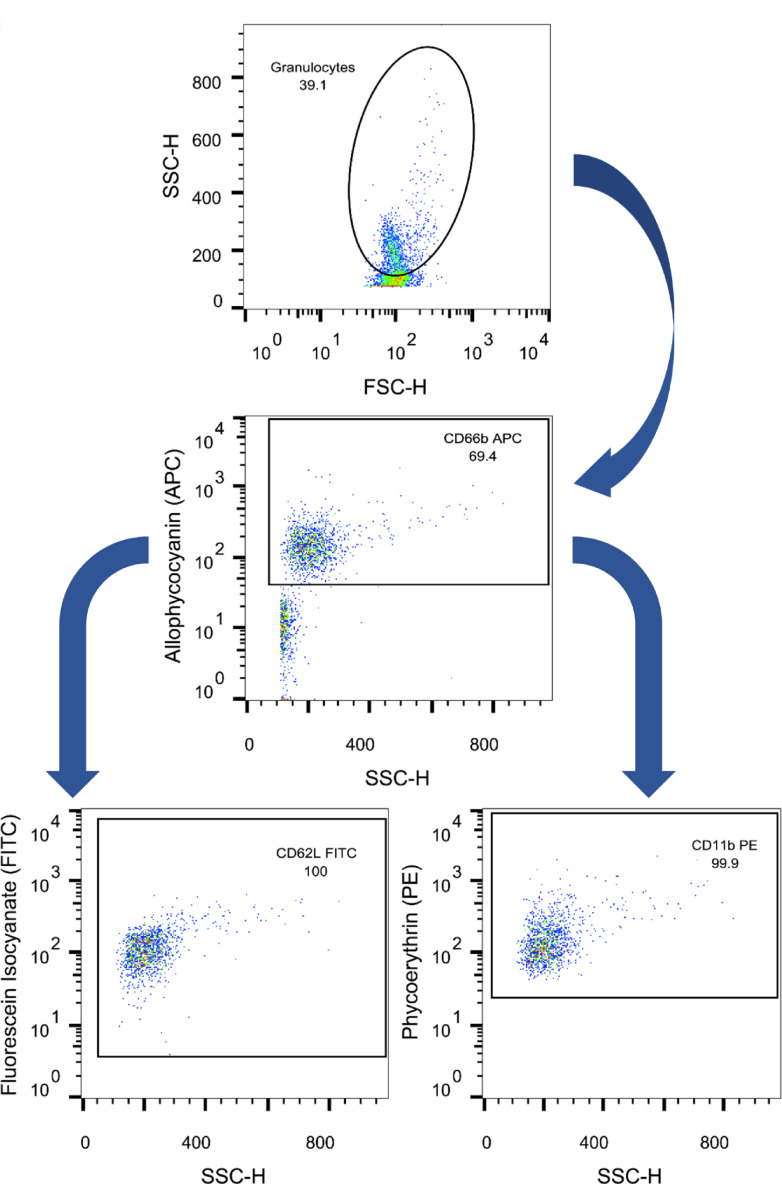 Figure 5
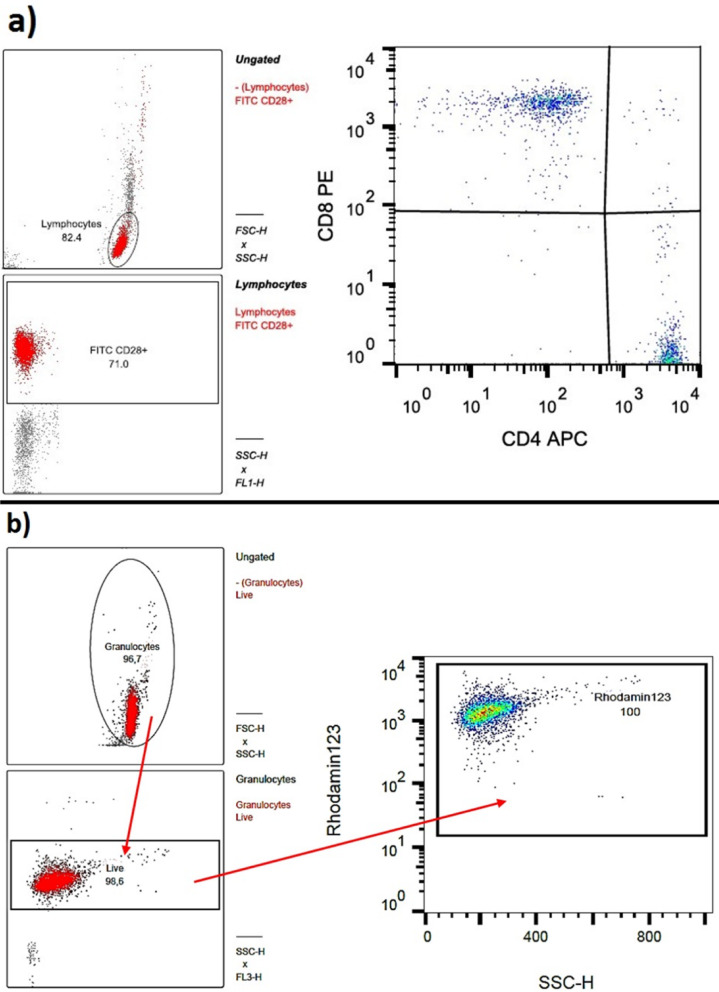 Figure 6
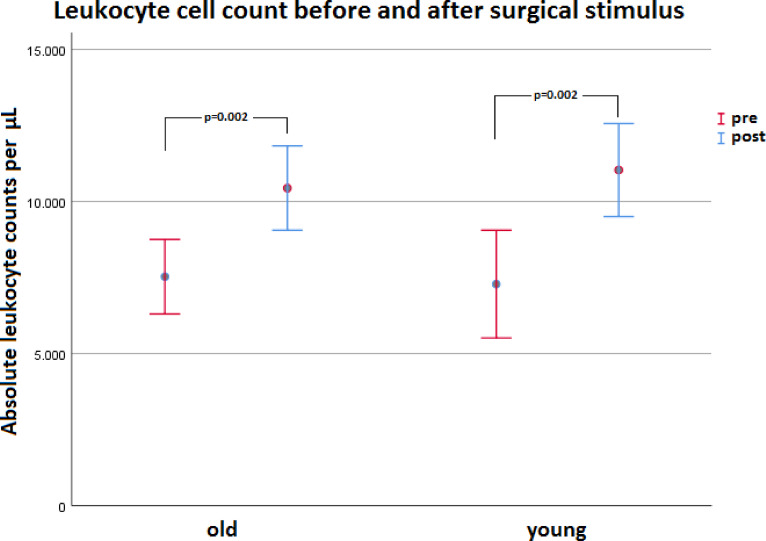 Figure 7
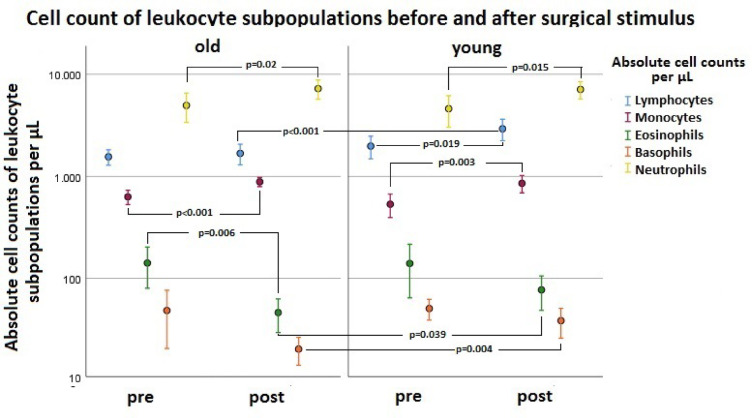 Figure 8
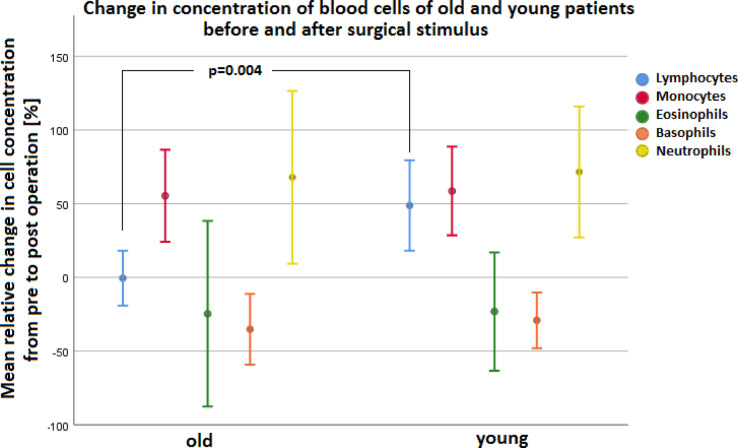 Figure 9
Peer Reviews
No public reviews on file for this paper yet. If you reviewed it on a platform where reviews are public (OpenReview, ICLR, NeurIPS, ICML), you can paste yours below so the community can read it here.
Videos
No videos yet. Explain this paper in a talk, walkthrough, or lecture? Add one.
Taxonomy
TopicsNeutrophil, Myeloperoxidase and Oxidative Mechanisms · Blood disorders and treatments · Cell Adhesion Molecules Research