Population-based guiding for evolutionary neural architecture search
Stefan Dendorfer, Andreas M. Kist

TL;DR
This paper introduces a new method for efficiently searching neural network architectures using evolutionary techniques guided by population data.
Contribution
The novel PBG framework combines greedy selection and guided mutation to improve the efficiency of evolutionary NAS.
Findings
PBG outperforms baseline methods like regularized evolution by up to three times on NAS-Bench-101.
The framework effectively balances exploration and exploitation in neural architecture search.
PBG achieves competitive performance across multiple NAS benchmarks.
Abstract
Neural Architecture Search (NAS)—combined with biology-inspired evolutionary methods—can help discover suitable architectures tailored to a given objective. A guided evolutionary approach can enhance efficiency, aiming to accelerate the discovery of top-performing architectures within a given search space. We propose a novel algorithmic framework that implements selection, crossover, and mutation operations to generate new candidate architectures during an evolutionary Neural Architecture Search: A greedy selection operator, relying solely on model accuracy data, promotes exploitation. Incorporating architecture embeddings to further refine the mutation process enhances exploration. We introduce a guided mutation approach to steer the search toward unexplored regions of the current population. The proposed strategy, PBG (Population-Based Guiding), synergizes both explorative and…
Genes, proteins, chemicals, diseases, species, mutations and cell lines named across the full text — each resolved to its canonical identifier and authoritative record.
Click any figure to enlarge with its caption.
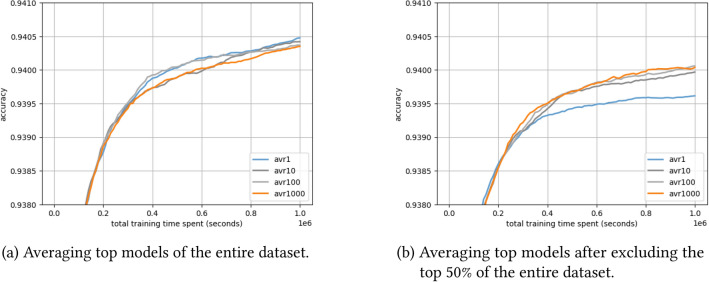 Figure 10
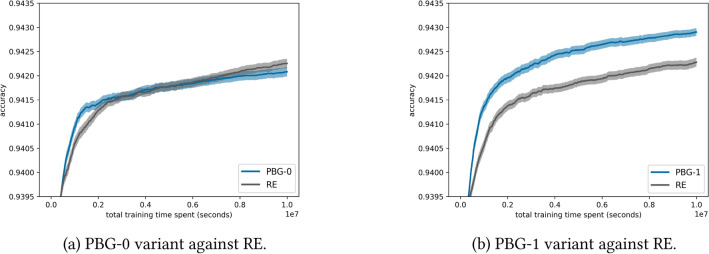 Figure 11
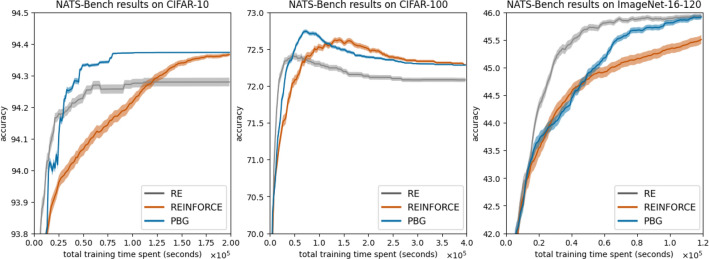 Figure 12
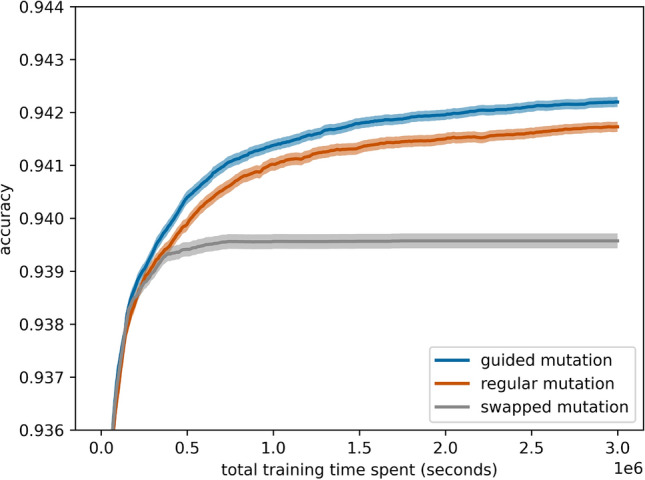 Figure 13
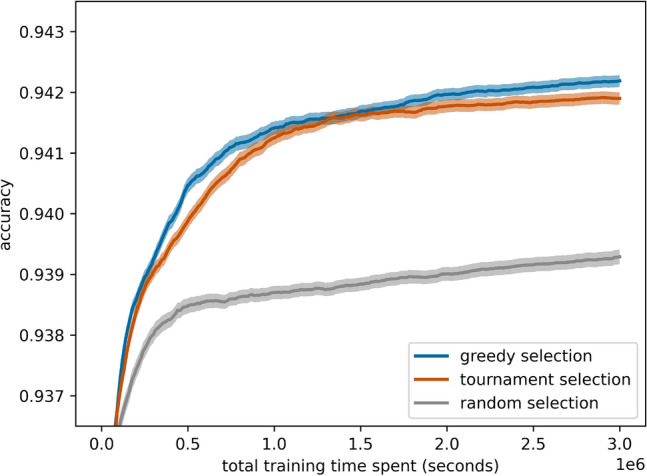 Figure 14
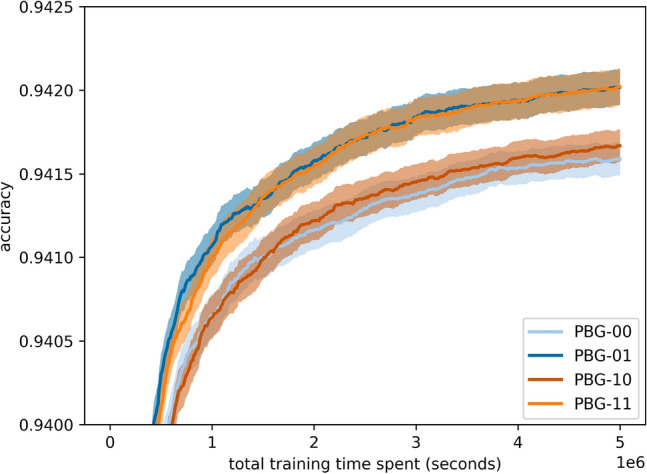 Figure 15
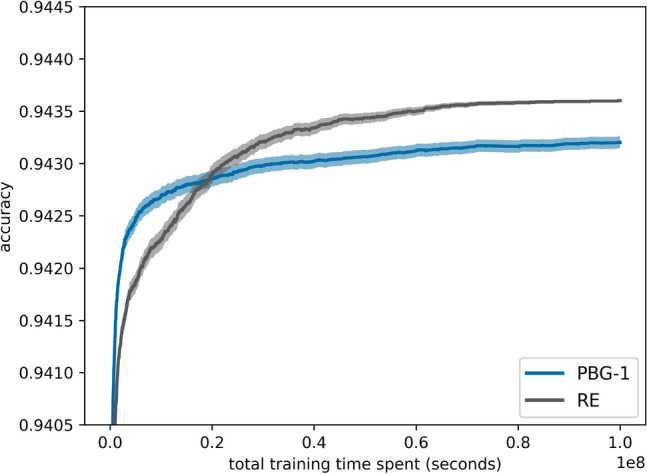 Figure 16
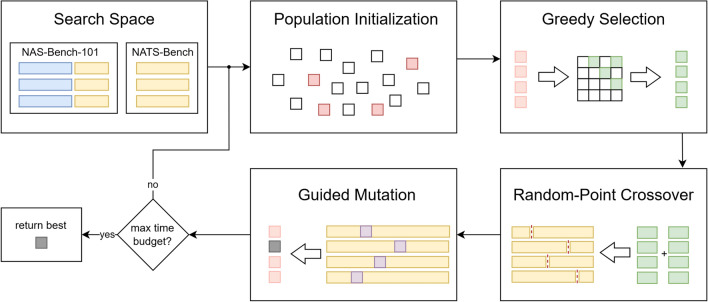 Figure 1
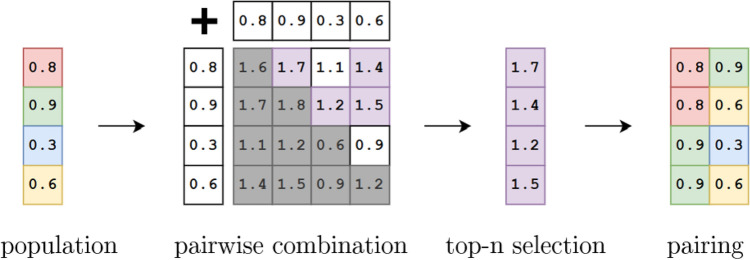 Figure 2
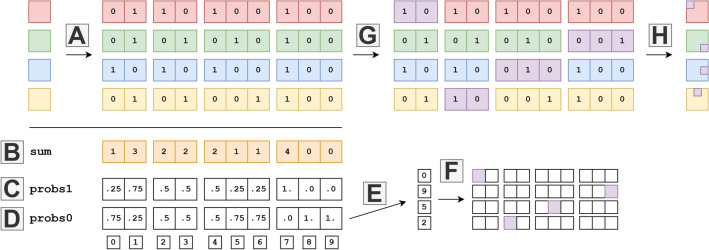 Figure 3
 Figure 4
 Figure 5
 Figure 6
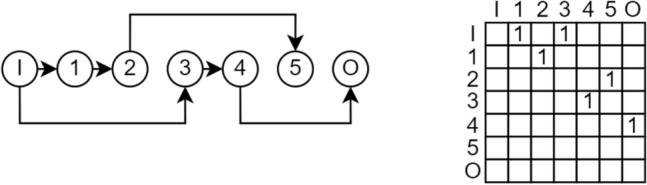 Figure 7
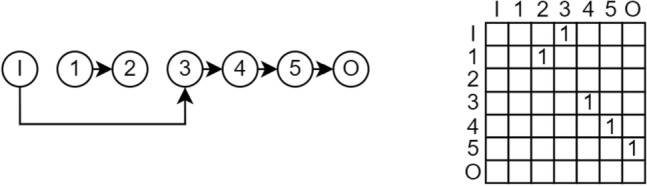 Figure 8
 Figure 9
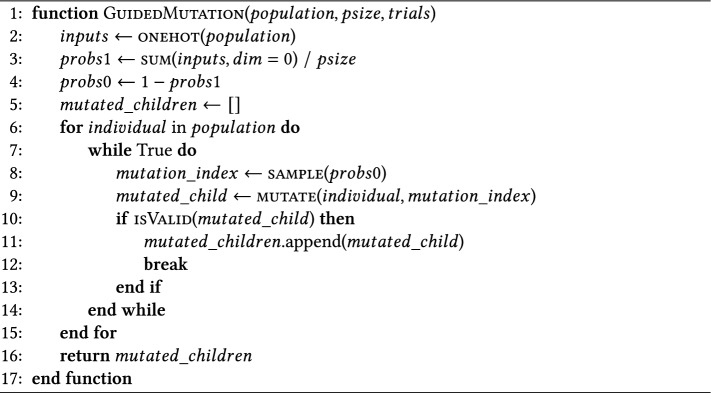 Figure 17
Peer Reviews
No public reviews on file for this paper yet. If you reviewed it on a platform where reviews are public (OpenReview, ICLR, NeurIPS, ICML), you can paste yours below so the community can read it here.
Videos
No videos yet. Explain this paper in a talk, walkthrough, or lecture? Add one.
Taxonomy
TopicsMetaheuristic Optimization Algorithms Research · Evolutionary Algorithms and Applications · Machine Learning and Data Classification