Human in vitro models of neurovasculature and the application to pre-clinical intracerebral haemorrhage research
Siobhan Crilly, Mihai Lomora

TL;DR
This review highlights the need for human-based lab models to study brain hemorrhage and evaluates current 2D and 3D models for their usefulness in understanding and treating the condition.
Contribution
The paper provides a comprehensive evaluation and recommendations for adapting 3D microphysiological models for intracerebral haemorrhage research.
Findings
Fully human in vitro models are urgently needed for accurate intracerebral haemorrhage research.
3D models like cerebral organoids and perfusion-based systems offer promising alternatives to animal models.
Each model has distinct advantages and limitations for studying ICH pathophysiology and recovery mechanisms.
Abstract
Haemorrhagic stroke continues to be a leading cause of death and disability globally, with limited treatment options. Pre-clinical models must adapt to offer translationally relevant and physiologically accurate alternatives to animals. The development of complex co-culture blood-brain barrier models and the incorporation of hydrogels and biomaterials has resulted in microphysiological 3D platforms. Amongst such 3D platforms, cerebral organoids have transformed the field of neuroscience. Additionally, emerging techniques for vascularisation and perfusion now provide, for the first time, an entirely human-based model of the cerebrovasculature. In this review, we explore the relevance of various in vitro platforms - such as transwells, hydrogels and other biomaterials, microfluidics, spheroids, organoids, and perfusion-based systems - for pre-clinical research into haemorrhagic stroke. We…
Genes, proteins, chemicals, diseases, species, mutations and cell lines named across the full text — each resolved to its canonical identifier and authoritative record.
Click any figure to enlarge with its caption.
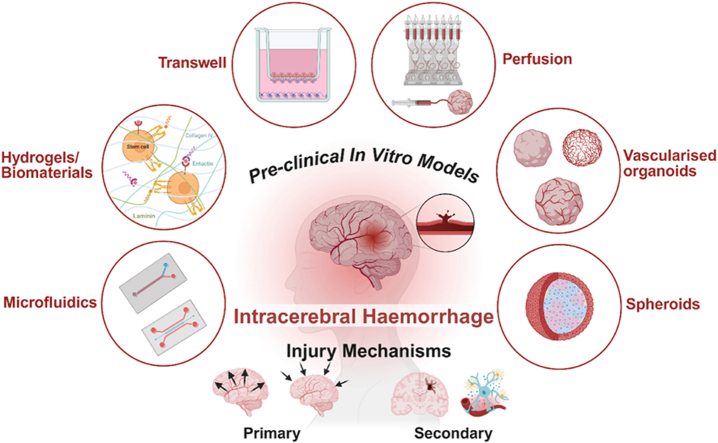 Figure 1
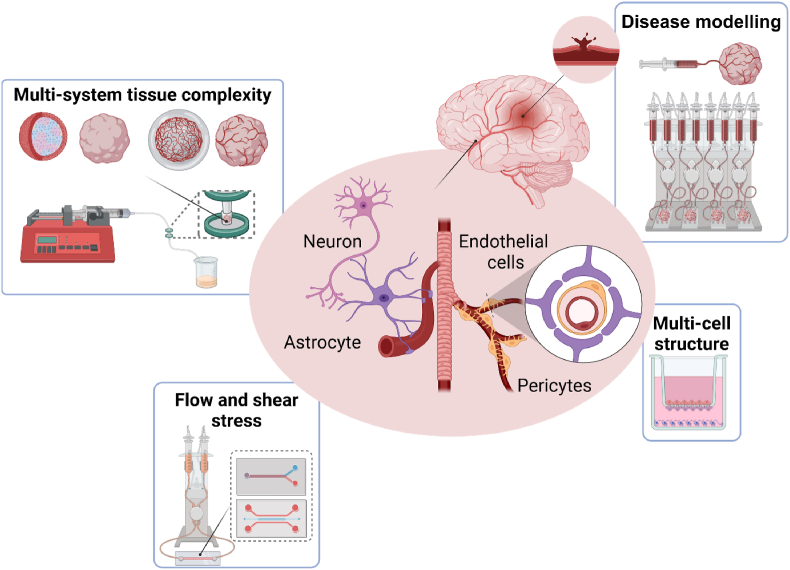 Figure 2
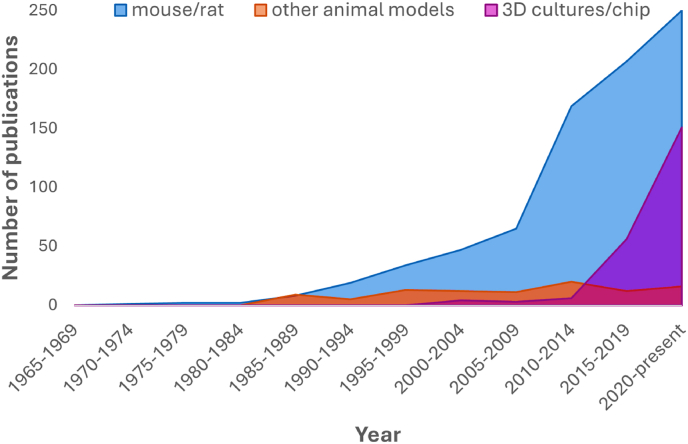 Figure 3
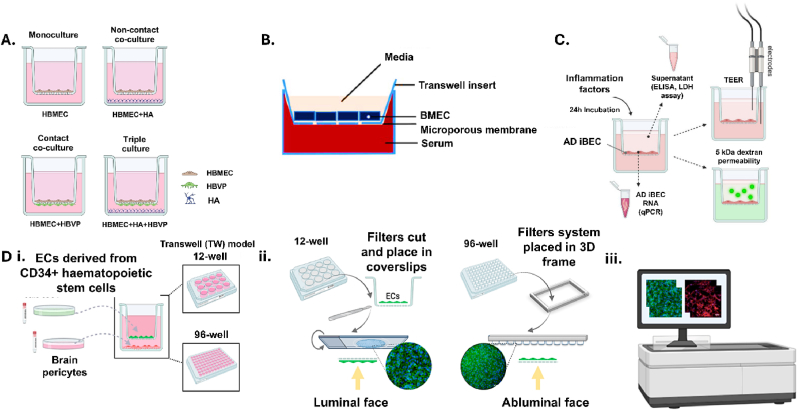 Figure 4
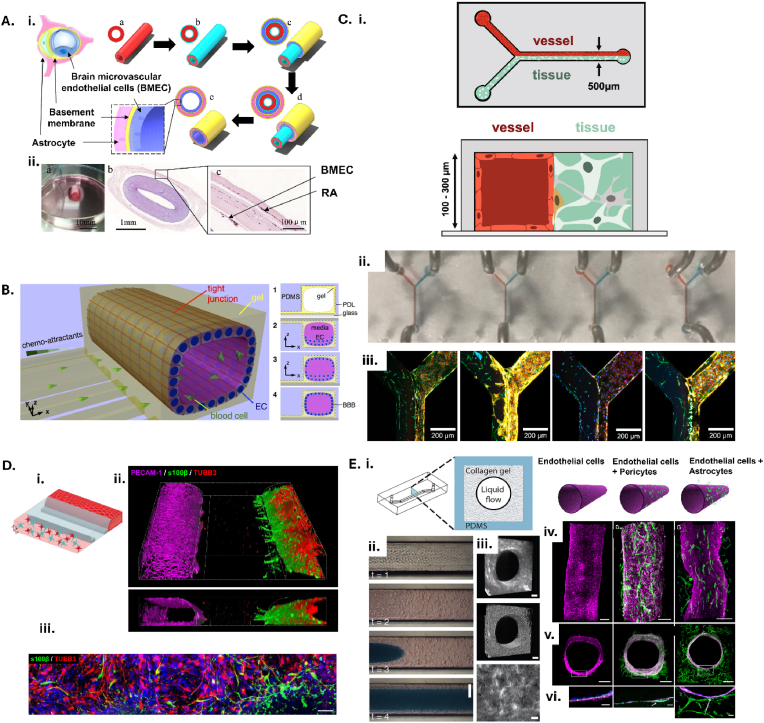 Figure 5
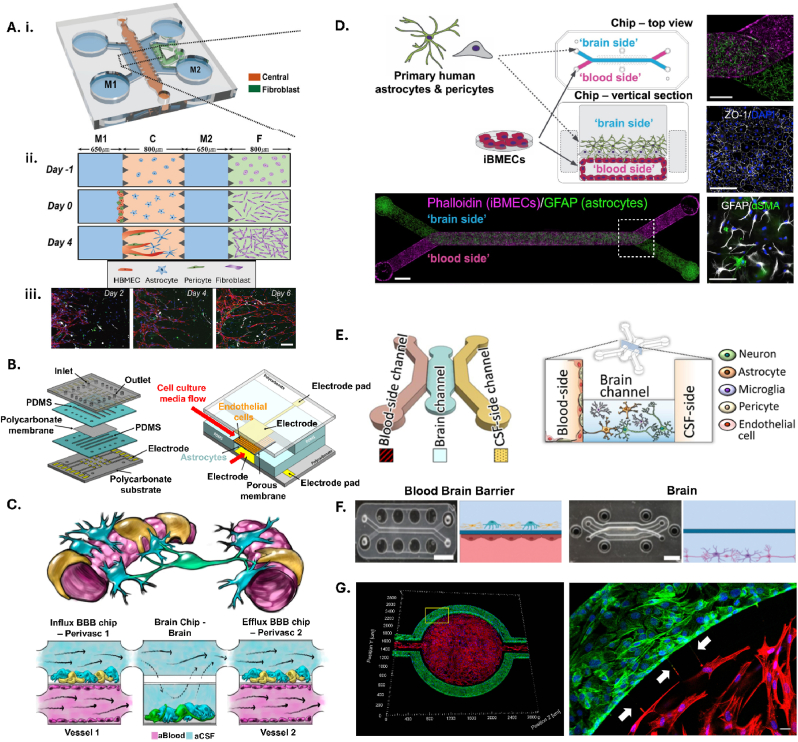 Figure 6
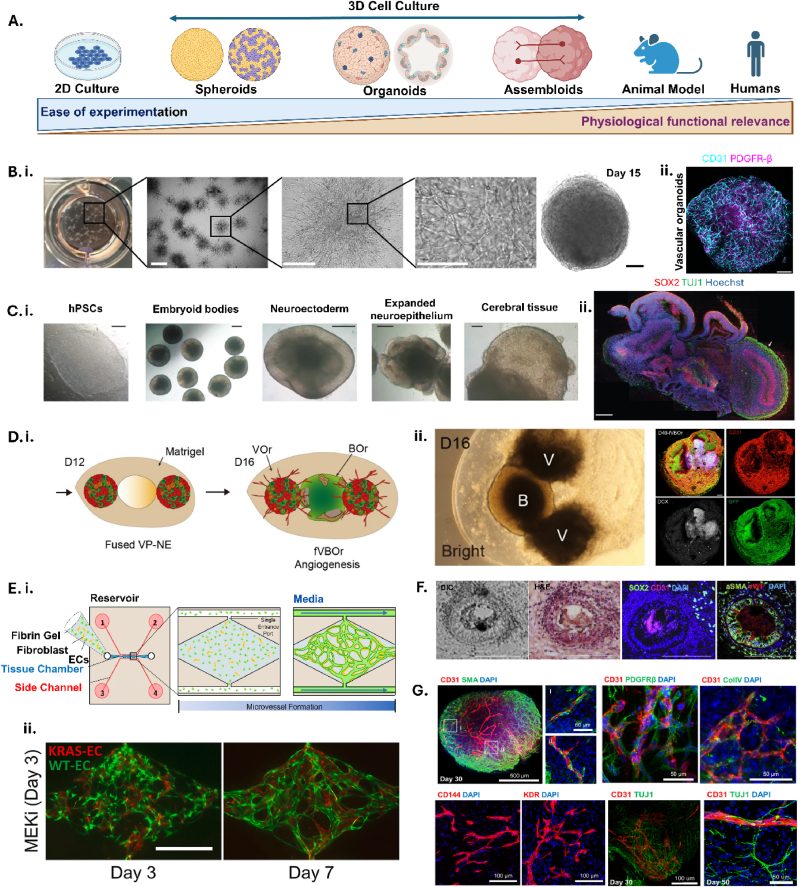 Figure 7
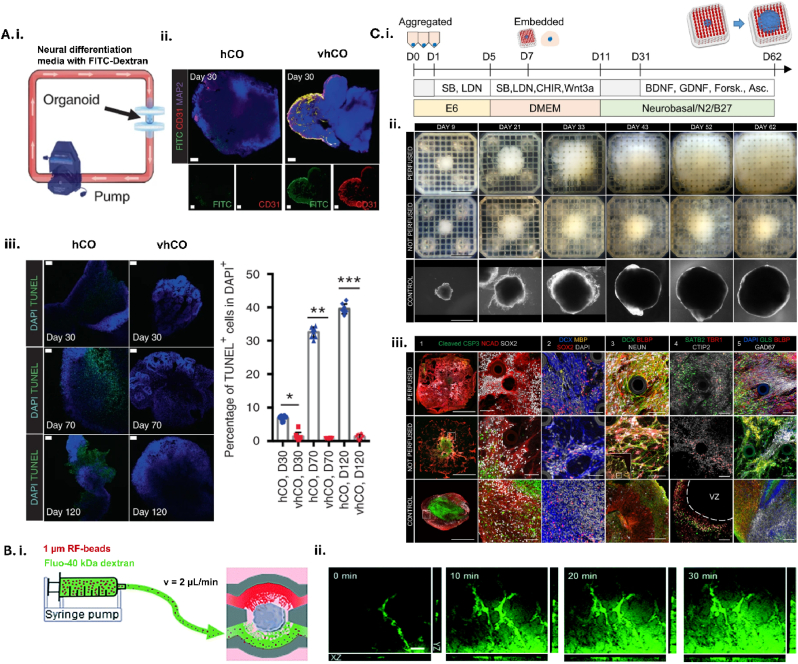 Figure 8
Peer Reviews
No public reviews on file for this paper yet. If you reviewed it on a platform where reviews are public (OpenReview, ICLR, NeurIPS, ICML), you can paste yours below so the community can read it here.
Videos
No videos yet. Explain this paper in a talk, walkthrough, or lecture? Add one.
Taxonomy
TopicsBarrier Structure and Function Studies · Intracerebral and Subarachnoid Hemorrhage Research · Traumatic Brain Injury and Neurovascular Disturbances