Within-family analysis of PRS313: insights into breast cancer risk prediction
Hossein Lanjanian, Sahand Tehrani Fateh, Mahdi Akbarzadeh, Maryam Moazzam-Jazi, Maryam Zarkesh, Sajedeh Masjoudi, Asiyeh Sadat Zahedi, Leila Najd-Hassan-Bonab, Sara Asgarian, Mohammad Reza Moghaddas, Kamran Guity, Bita Shalbafan, Amirabbas Momenan, Davood Khalili

TL;DR
This study explores how a genetic risk score for breast cancer works in an Iranian population, finding it more useful when comparing family members rather than the general population.
Contribution
The study is the first to evaluate PRS313 in an Iranian population and highlights the importance of within-family analysis for risk prediction.
Findings
PRS313 showed no significant association with breast cancer risk in the general population.
Significant PRS differences were found between breast cancer patients and their relatives.
Only one BRCA2 variant was common among breast cancer cases in the cohort.
Abstract
•First Study Evaluating PRS313 in an Iranian Population•Within-Family PRS Comparison•Lack of Significant Association in General Population•Significant PRS Differences in Family Groups•Importance of Population-Specific PRS Models First Study Evaluating PRS313 in an Iranian Population Within-Family PRS Comparison Lack of Significant Association in General Population Significant PRS Differences in Family Groups Importance of Population-Specific PRS Models Polygenic risk scores (PRS) incorporate numerous genetic variants, each with a small impact on cancer pathogenesis, to provide personalized risk assessments. This study investigated, the applicability of PRS313 for breast cancer risk both in the general population and within families (patients vs different groups of their relatives) from the Tehran Cardiometabolic Genetic Study (TCGS)cohort. The cohort included 72 breast cancer…
Genes, proteins, chemicals, diseases, species, mutations and cell lines named across the full text — each resolved to its canonical identifier and authoritative record.
Click any figure to enlarge with its caption.
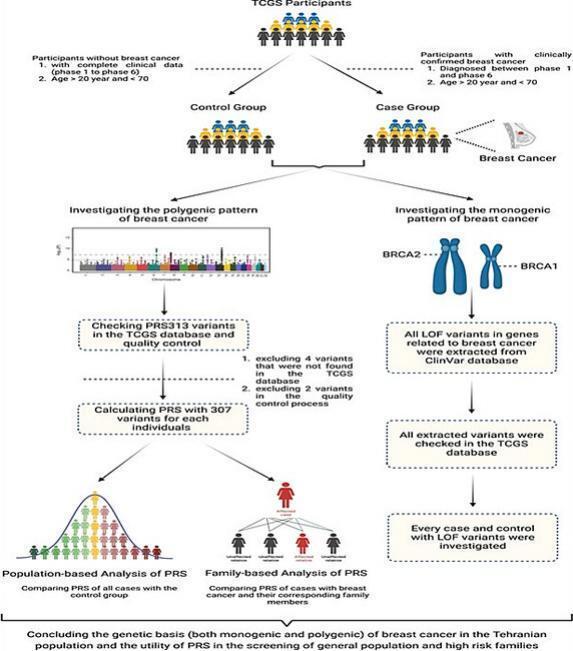 Figure 1
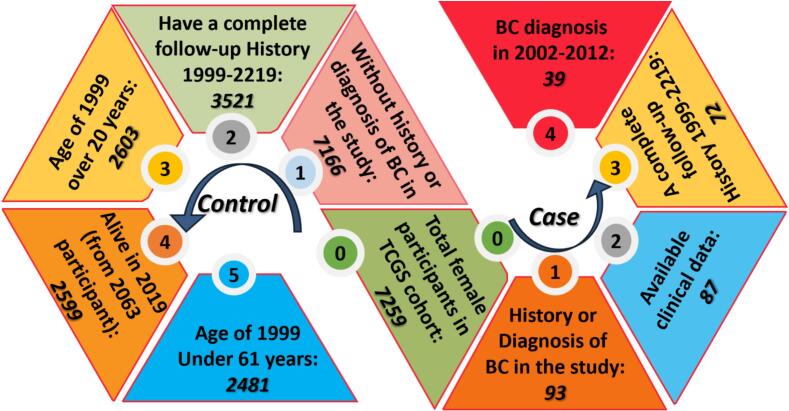 Figure 2
 Figure 3
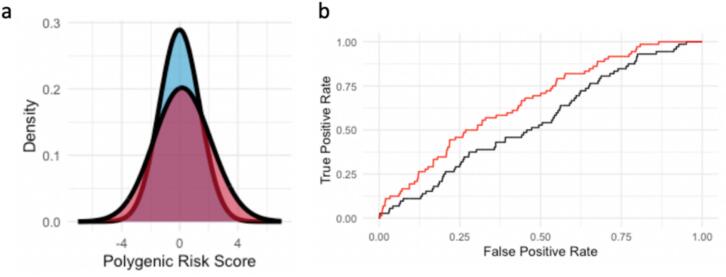 Figure 4
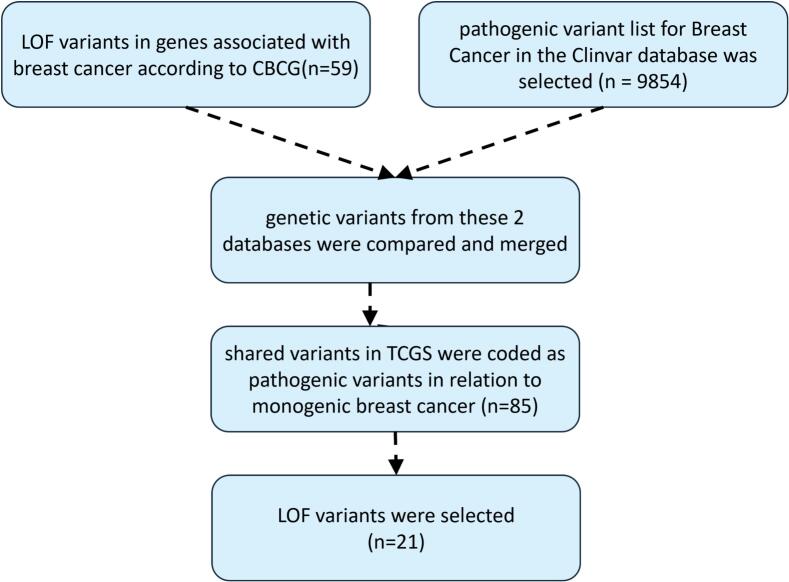 Figure 5
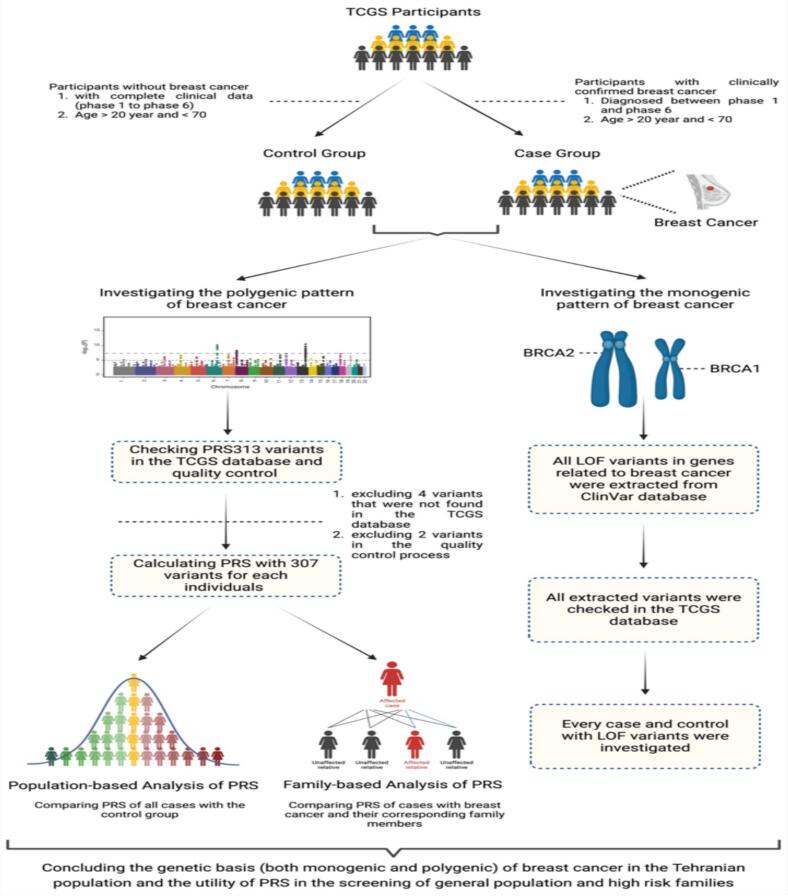 Figure 6
Peer Reviews
No public reviews on file for this paper yet. If you reviewed it on a platform where reviews are public (OpenReview, ICLR, NeurIPS, ICML), you can paste yours below so the community can read it here.
Videos
No videos yet. Explain this paper in a talk, walkthrough, or lecture? Add one.
Taxonomy
TopicsGenetic Associations and Epidemiology · Bioinformatics and Genomic Networks · Gene expression and cancer classification