Screening of polycyclic aromatic hydrocarbons in multiple fish species and common whelk in the Faroe Islands using a modified QuEChERS method
Ziff Maria Kristensen, Maria Eckardt Manniche, Matteo Ottaviani, Jan H. Christensen, Peter Christensen, Sigurd Christiansen, Nikoline Juul Nielsen

TL;DR
This study evaluated fish and whelk species in the Faroe Islands as bioindicators for polycyclic aromatic hydrocarbons (PAHs) pollution using a modified QuEChERS method.
Contribution
The study introduces a modified QuEChERS method for PAH screening in marine species and identifies suitable bioindicators in the Faroe Islands.
Findings
Common dab had the highest average ∑PAHs concentration of 11 ± 2 ng/g (ww) tissue.
Tórshavn had the highest average ∑PAH concentration of 12 ± 2 ng/g (ww) across species.
Benthic species like common whelks and sculpins were identified as the most suitable PAH pollution indicators.
Abstract
This study screened multiple fish species and marine common whelk to evaluate their potential as bioindicators of local pollution by polycyclic aromatic hydrocarbons (PAHs) in the Faroe Islands. Shorthorn sculpins (Myoxocephalus scorpius), Atlantic cod (Gadus morhua), common dab (Limanda limanda), saithe (Pollachius virens), and common whelk (Buccinum undatum), which all populate different tropic levels in the ecosystem were caught around Tórshavn Harbor, Runavík Harbor, Sund, Gamlarætt, and Kirkjubøur. The fish livers and the visceral complex of the common whelk were extracted and analyzed for the 16 PAHs regulated by the U.S. EPA using a modified QuEChERS method and gas chromatography-mass spectrometry. We detected and quantified acenaphthylene, fluorene, anthracene, phenanthrene, fluoranthene, and pyrene in the samples. Of the benthic species, common dab had the highest average ∑PAHs…
Genes, proteins, chemicals, diseases, species, mutations and cell lines named across the full text — each resolved to its canonical identifier and authoritative record.
Click any figure to enlarge with its caption.
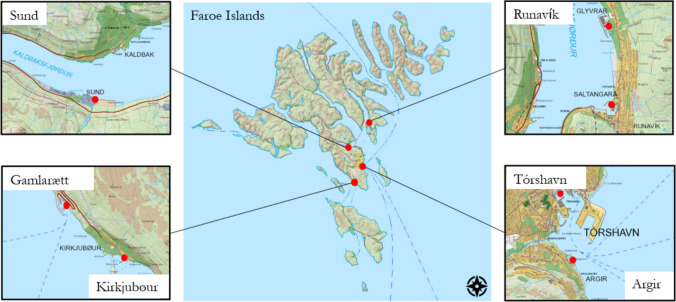 Figure 1
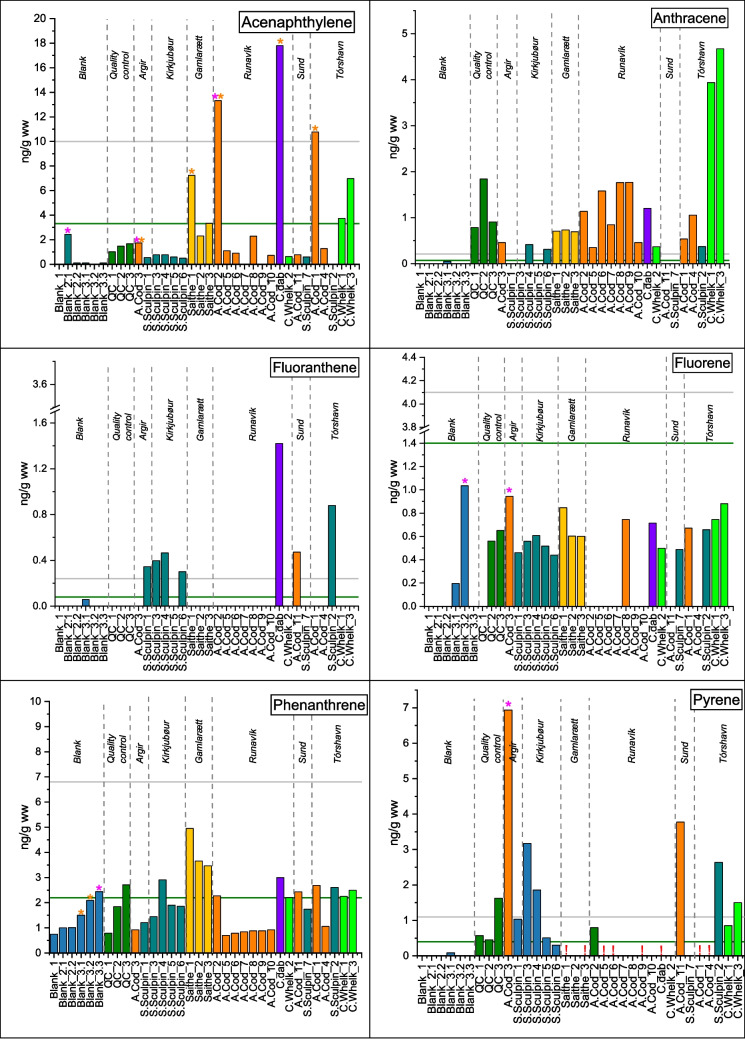 Figure 2
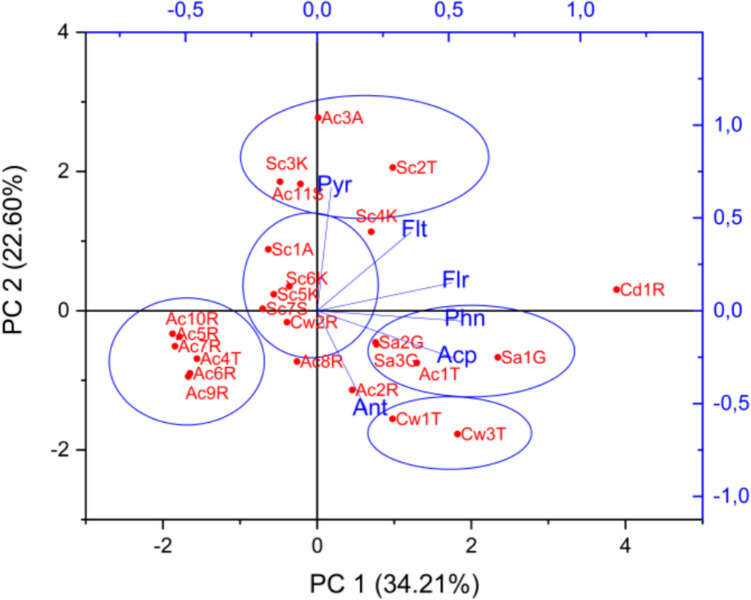 Figure 3
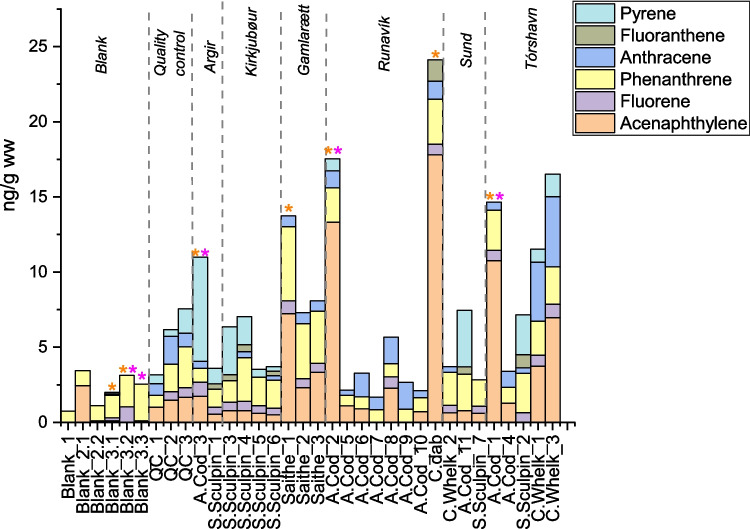 Figure 4
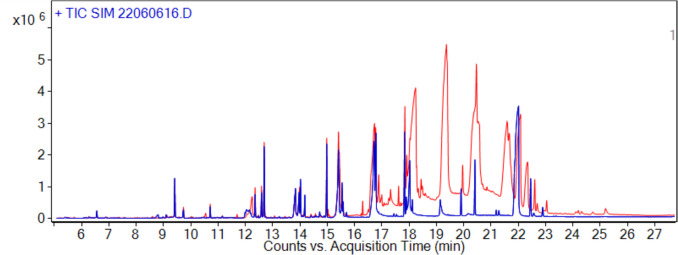 Figure 5
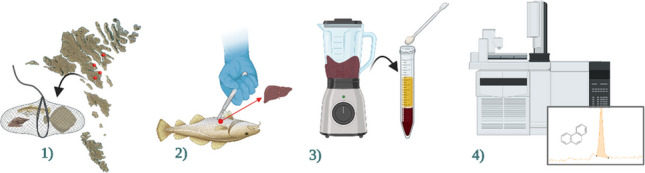 Figure 6
Peer Reviews
No public reviews on file for this paper yet. If you reviewed it on a platform where reviews are public (OpenReview, ICLR, NeurIPS, ICML), you can paste yours below so the community can read it here.
Videos
No videos yet. Explain this paper in a talk, walkthrough, or lecture? Add one.
Taxonomy
TopicsToxic Organic Pollutants Impact · Environmental Toxicology and Ecotoxicology · Effects and risks of endocrine disrupting chemicals