Bacterial Communities Harboured by Amblyomma Hebraeum Infesting Small Stock in Mahikeng city, South Africa
Kealeboga Mileng, Sinalo Mani, Johannes J. Bezuidenhout, Prudent S. Mokgokong, Tsepo A. Ramatla, Oriel M. M. Thekisoe, Kgaugelo E. Lekota

TL;DR
This study explores the bacterial communities in ticks found on sheep and goats in South Africa, revealing differences in diversity and potential zoonotic risks.
Contribution
The study identifies host-specific differences in tick microbiomes and highlights potential zoonotic bacteria like Rickettsia.
Findings
Ticks from goats showed high dominance of Rickettsia spp., indicating zoonotic risks.
Ticks from sheep had more diverse and evenly distributed bacterial communities.
A core microbiome was shared across all ticks, alongside host-specific unique bacterial taxa.
Abstract
Ticks are important vectors of pathogens affecting livestock productivity and public health, yet their bacterial communities remain poorly characterized in many parts of South Africa. This study investigated the bacterial diversity and potential pathogenic bacterial etiology associated with Amblyomma hebraeum ticks collected from sheep and goats in Mahikeng, North West province. A total of 168 adult ticks were sampled across four villages. Microbiome profiling was performed using high-throughput sequencing of the V3–V4 hypervariable regions of the 16S rRNA gene on the Illumina MiSeq platform. High-throughput 16S rRNA sequencing revealed 16,193 ASVs in goat-derived ticks and 16,510 ASVs in those from sheep. Proteobacteria emerged as the dominant phylum across all samples, with ticks collected from goats showing a particularly high dominance of Rickettsia spp. (51.64% relative abundance),…
Genes, proteins, chemicals, diseases, species, mutations and cell lines named across the full text — each resolved to its canonical identifier and authoritative record.
Click any figure to enlarge with its caption.
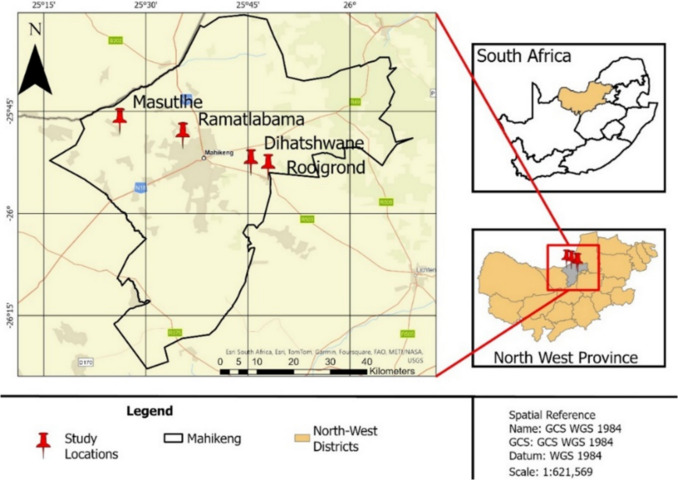 Figure 1
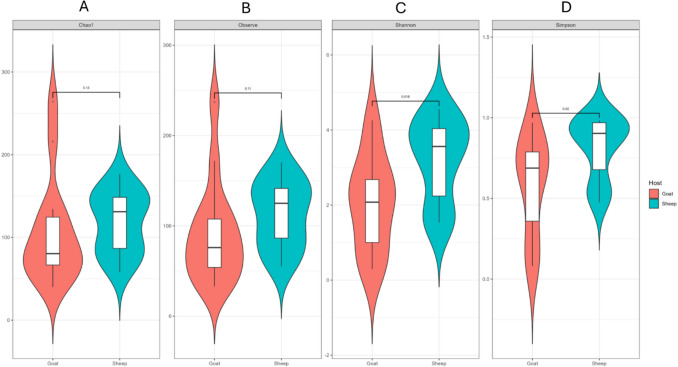 Figure 2
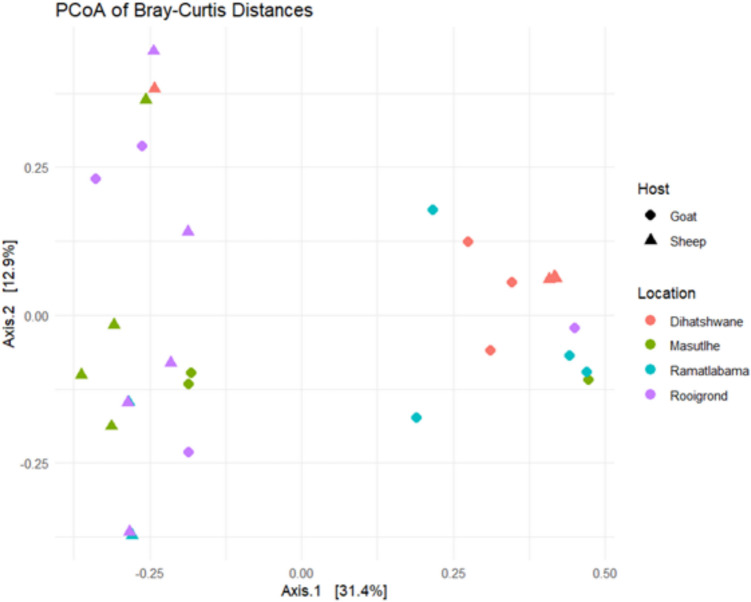 Figure 3
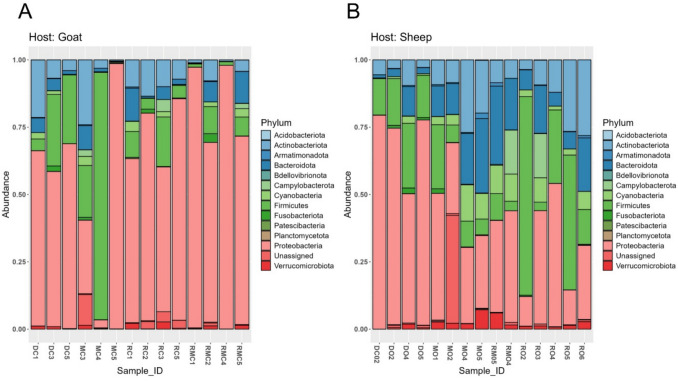 Figure 4
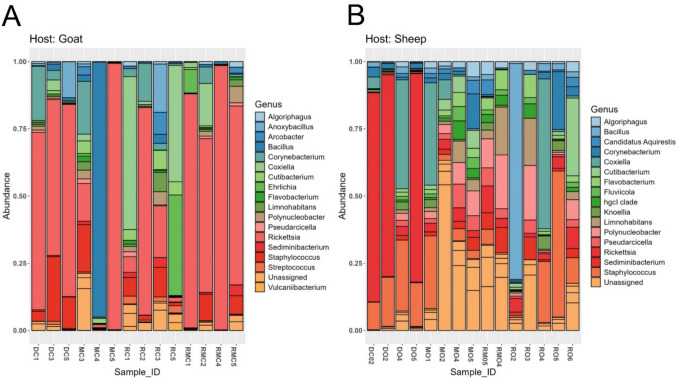 Figure 5
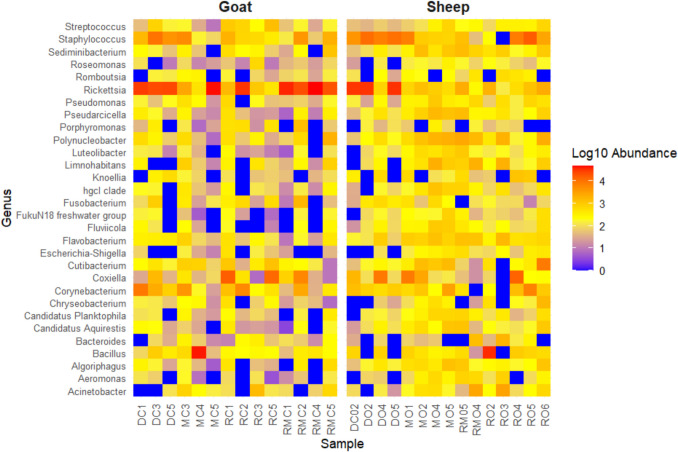 Figure 6
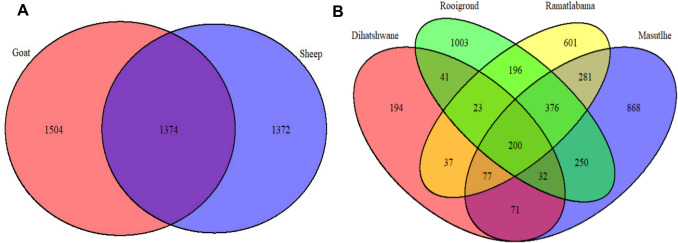 Figure 7
Peer Reviews
No public reviews on file for this paper yet. If you reviewed it on a platform where reviews are public (OpenReview, ICLR, NeurIPS, ICML), you can paste yours below so the community can read it here.
Videos
No videos yet. Explain this paper in a talk, walkthrough, or lecture? Add one.
Taxonomy
TopicsVector-borne infectious diseases · Burkholderia infections and melioidosis · Zoonotic diseases and public health