Phox2a in Lateral Spinal Nucleus Tac1‐Positive Neurons Mediates Histamine‐Independent Acute Itch
Yu‐Ling Chen, Zi‐Ang Li, Qing‐Zhen Wang, Xin‐Ran Wu, E. Mao, Yao‐Hua Liu, Zhi‐Ping Cai, Yun‐Qing Li, Zhen‐Zhen Kou

TL;DR
This study identifies Phox2a in specific spinal neurons as a key regulator of non-histamine-related itch and suggests it could be a new treatment target.
Contribution
Phox2a in Tac1+ lateral spinal nucleus neurons is newly identified as a selective regulator of histamine-independent itch.
Findings
LSNTac1 neurons are specifically activated during histamine-independent itch caused by chloroquine.
Phox2a overexpression in LSNTac1 neurons reduces itch behavior and decreases excitatory synaptic current amplitude.
Phox2a is downregulated in LSNTac1 neurons during chloroquine-induced itch.
Abstract
While acute itch comprises histamine‐dependent and ‐independent subtypes, critical mechanisms underlying histamine‐independent itch remain poorly understood. This study investigates the role of paired‐like homeobox 2a (Phox2a) in tachykinin 1‐positive (Tac1+) neurons of the lateral spinal nucleus (LSN) as a novel target for histamine‐independent pruritus intervention. We combined chemogenetic manipulation (viral‐mediated neuronal activation/inhibition), whole‐cell patch‐clamp recordings, immunohistochemistry, fluorescence in situ hybridization, Western blotting, and behavioral assays to investigate the role of LSNTac1 neurons and Phox2a in itch modulation. LSNTac1 neurons were specifically activated during chloroquine (CQ)–induced histamine‐independent itch. Chemogenetic activation of these neurons exacerbated scratching, whereas inhibition suppressed itch behavior. Notably, Phox2a,…
Genes, proteins, chemicals, diseases, species, mutations and cell lines named across the full text — each resolved to its canonical identifier and authoritative record.
Click any figure to enlarge with its caption.
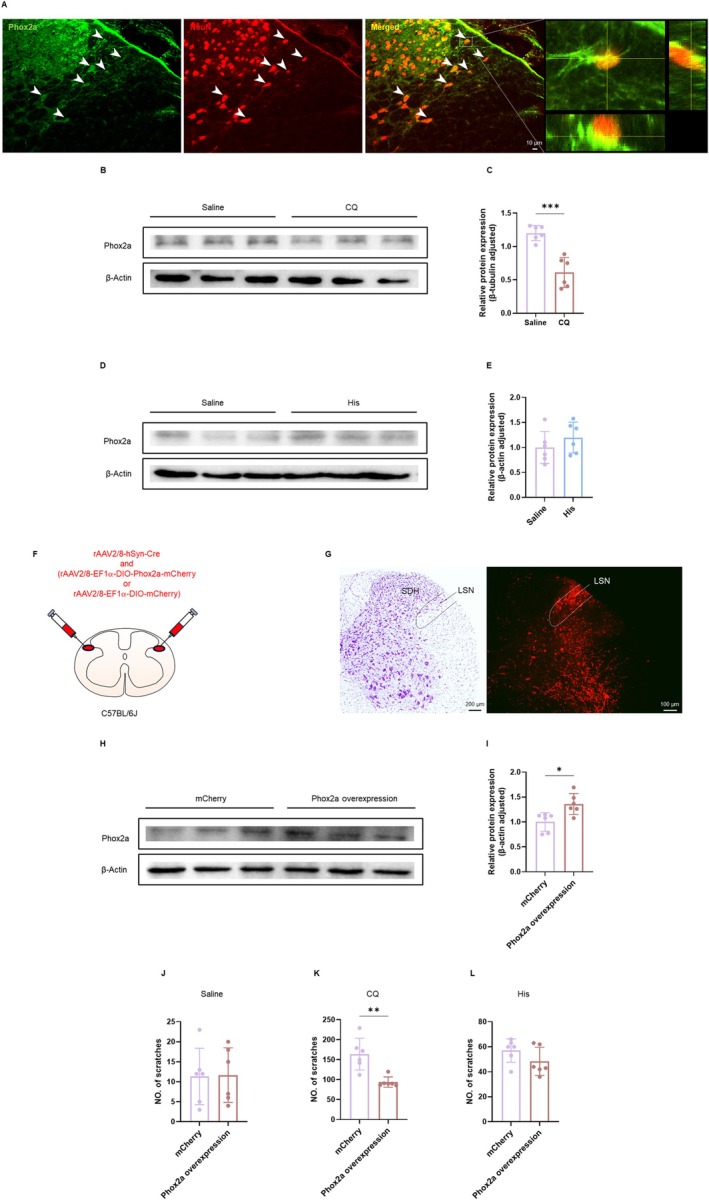 Figure 1
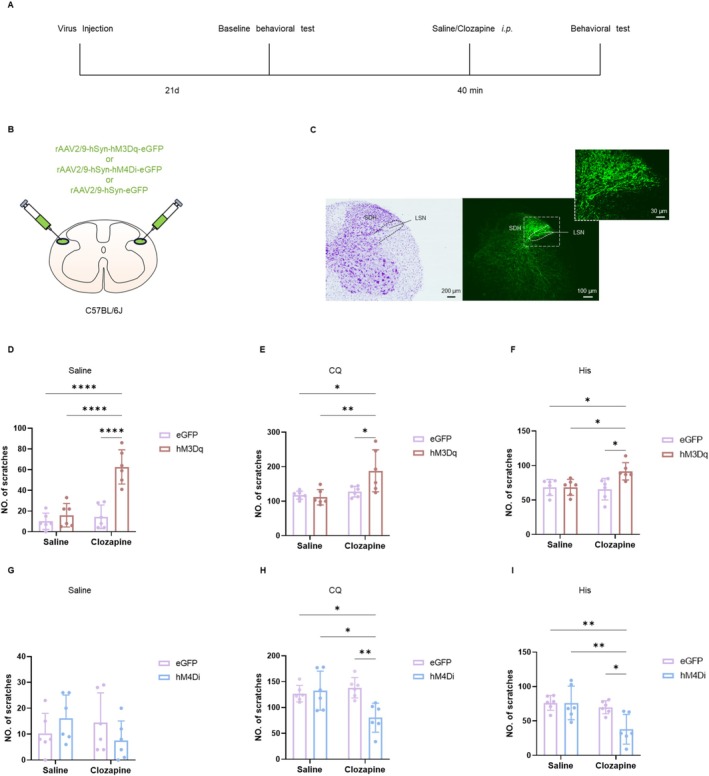 Figure 2
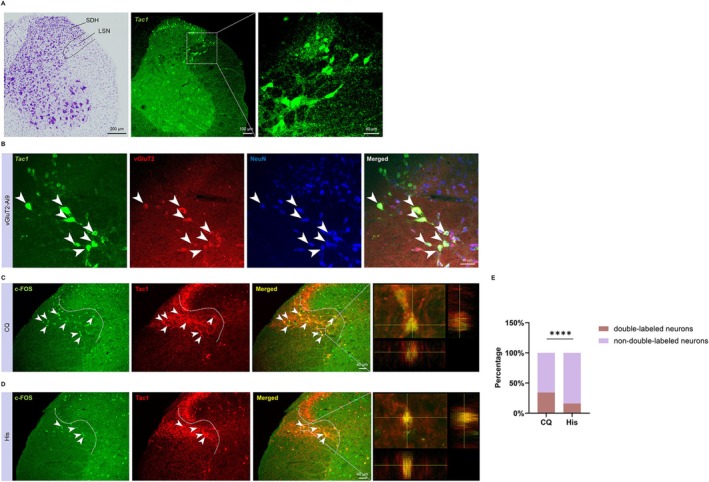 Figure 3
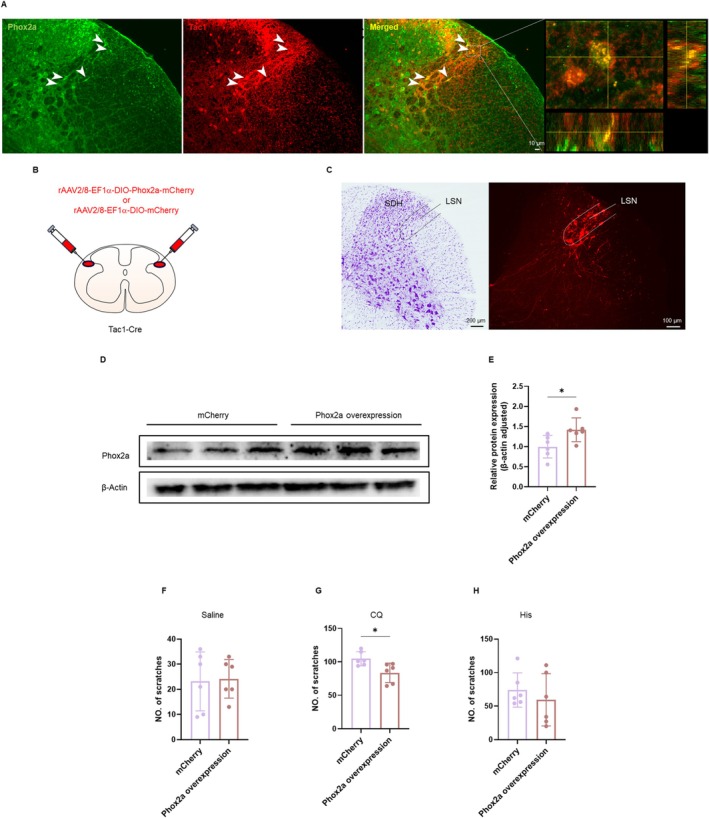 Figure 4
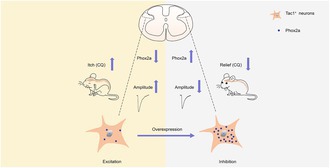 Figure 5
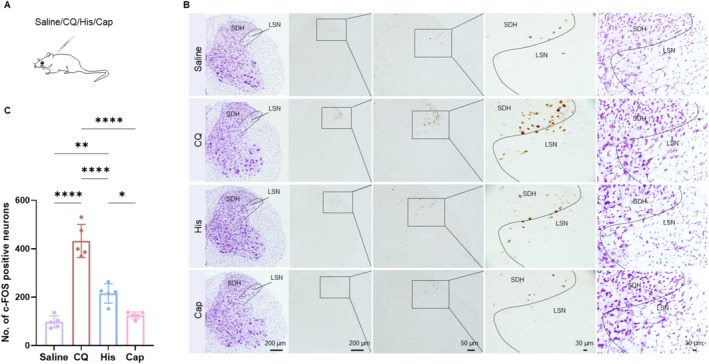 Figure 6
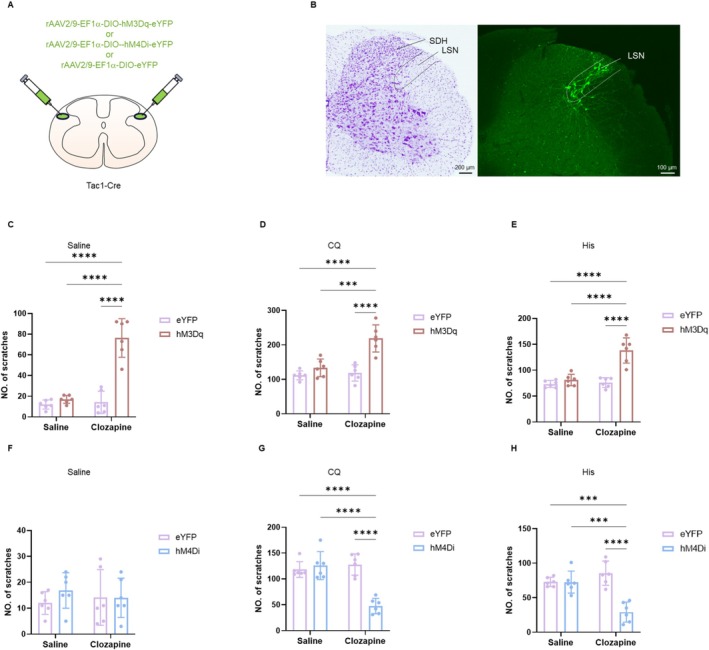 Figure 7
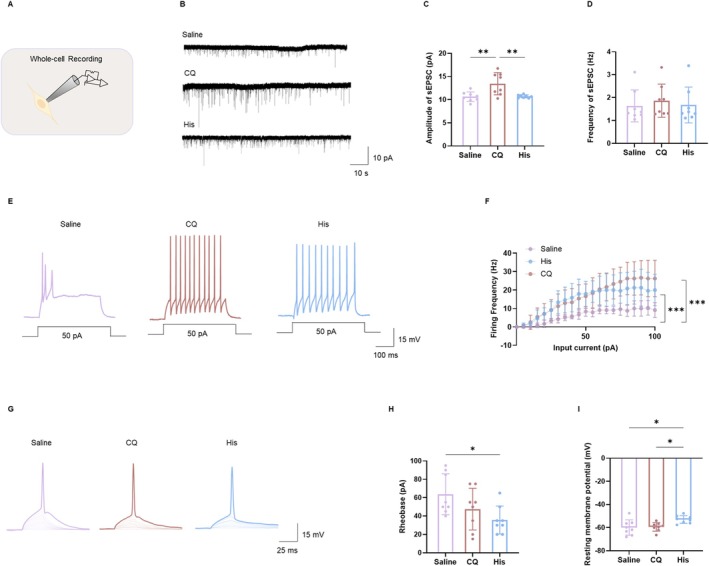 Figure 8
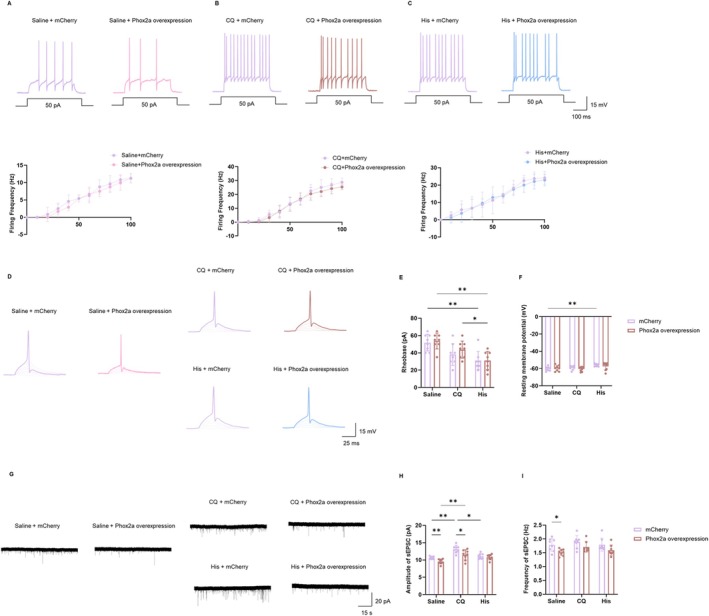 Figure 9
Peer Reviews
No public reviews on file for this paper yet. If you reviewed it on a platform where reviews are public (OpenReview, ICLR, NeurIPS, ICML), you can paste yours below so the community can read it here.
Videos
No videos yet. Explain this paper in a talk, walkthrough, or lecture? Add one.
Taxonomy
TopicsDermatology and Skin Diseases · Mast cells and histamine · Allergic Rhinitis and Sensitization