Lactobacillus paracasei ZJUZ2-3 inhibits gastrointestinal tumors via the IAA-induced AHR/MTDH/NF-κB axis
Rui Yang, Yan Yang, Wu Lin, Kaikai He, Dexi Bi, Lisong Teng

TL;DR
A new strain of Lactobacillus paracasei, ZJUZ2-3, inhibits gastrointestinal tumors by producing a compound that blocks cancer-promoting pathways.
Contribution
Identification of L. paracasei ZJUZ2-3 and its IAA metabolite as novel agents targeting the AHR/MTDH/NF-κB axis in gastric cancer.
Findings
Live L. paracasei ZJUZ2-3 reduces tumor growth in mice.
IAA, a secreted metabolite, activates AHR and inhibits NF-κB signaling.
ZJUZ2-3 synergizes with chemotherapy to enhance tumor regression.
Abstract
Lactobacillus paracasei abundance is markedly reduced in gastric cancer (GC) tissues, suggesting its potential protective role. From healthy gastric tissue of a GC patient, we isolated a novel strain, L. paracasei ZJUZ2-3, which exerted potent antitumor effects. Intratumoral injection of live ZJUZ2-3, but not heat-killed bacteria, attenuated gastrointestinal tumor growth in mice. Conditioned medium from ZJUZ2-3 similarly inhibited cancer cell proliferation, implicating a secreted metabolite. Metabolomic profiling identified indole-3-acetic acid (IAA) as the key bioactive compound. Consistent with this, genetic knockout of trpA (essential for IAA biosynthesis) in ZJUZ2-3 abolished its antitumor efficacy. IAA alone recapitulated the tumor-suppressive effects both in vitro and in vivo. Mechanistically, IAA activated the aryl hydrocarbon receptor (AHR), which then competitively bound to…
Genes, proteins, chemicals, diseases, species, mutations and cell lines named across the full text — each resolved to its canonical identifier and authoritative record.
Click any figure to enlarge with its caption.
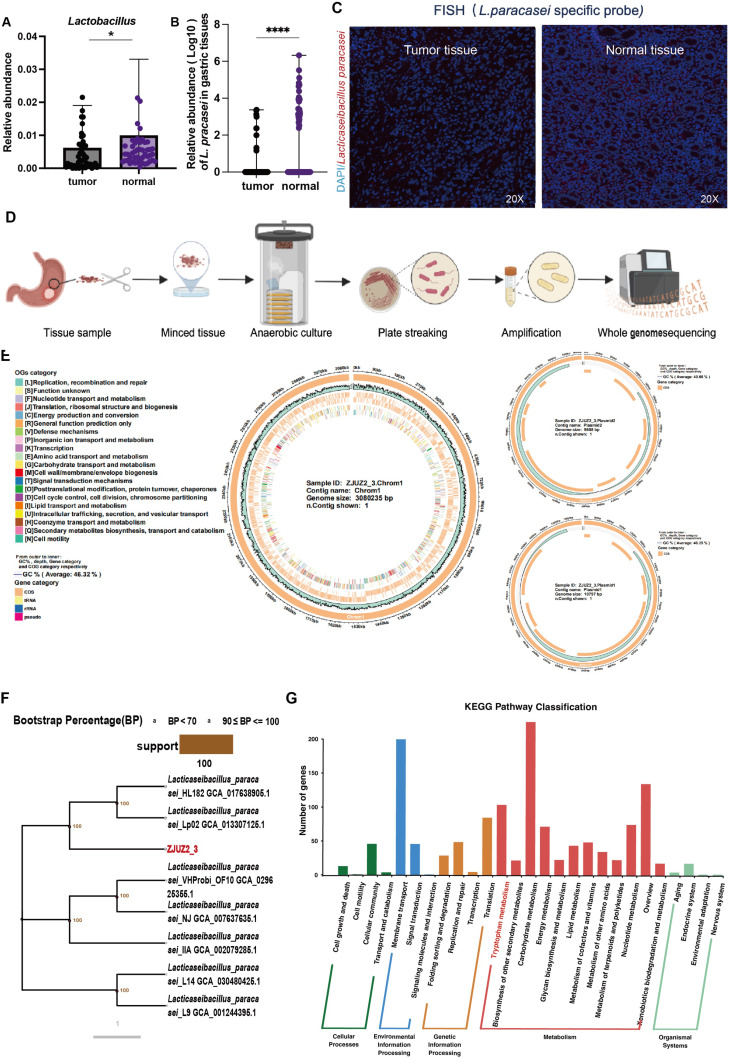 Figure 1
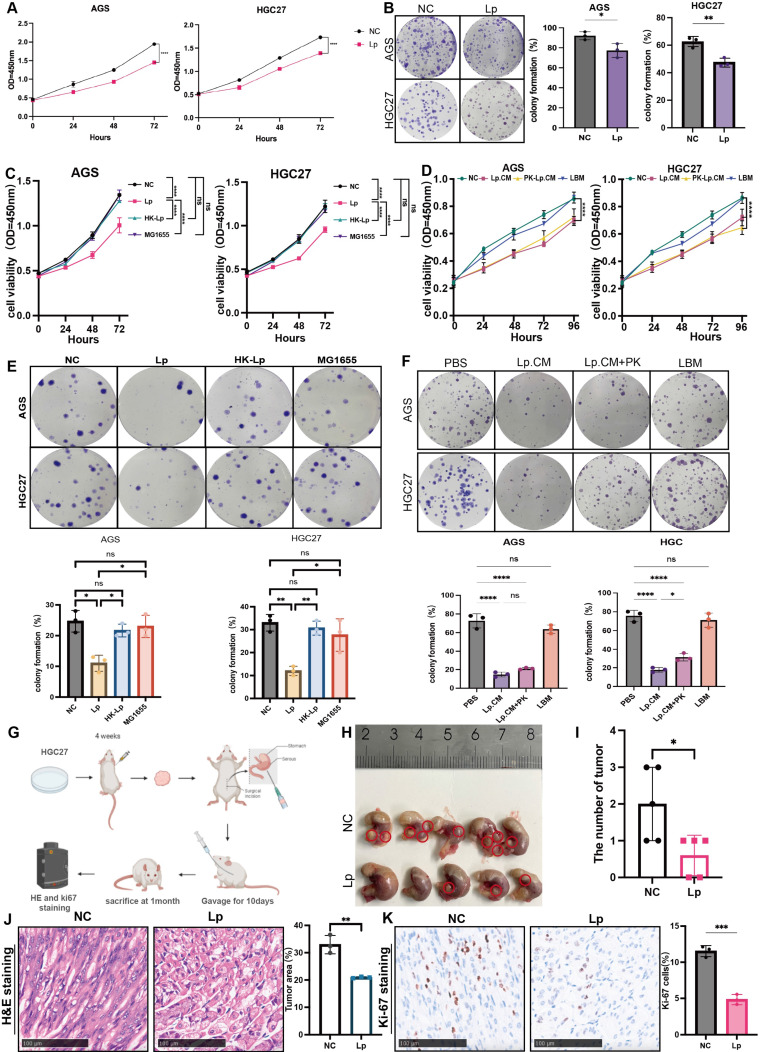 Figure 2
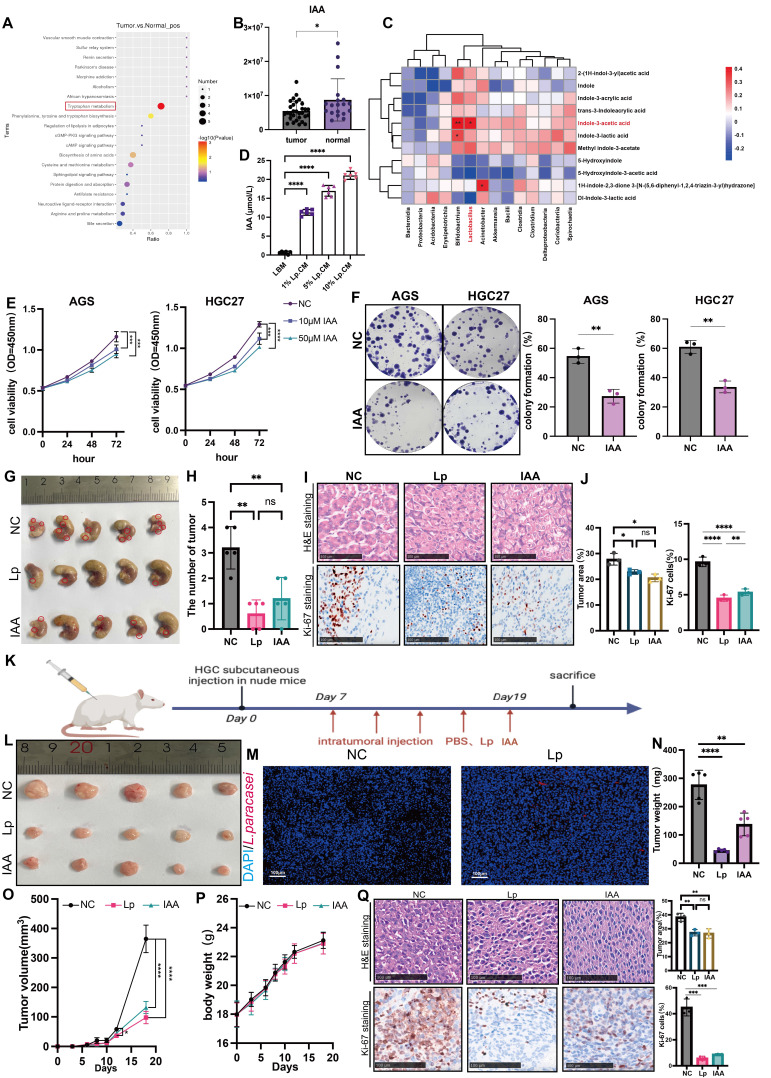 Figure 3
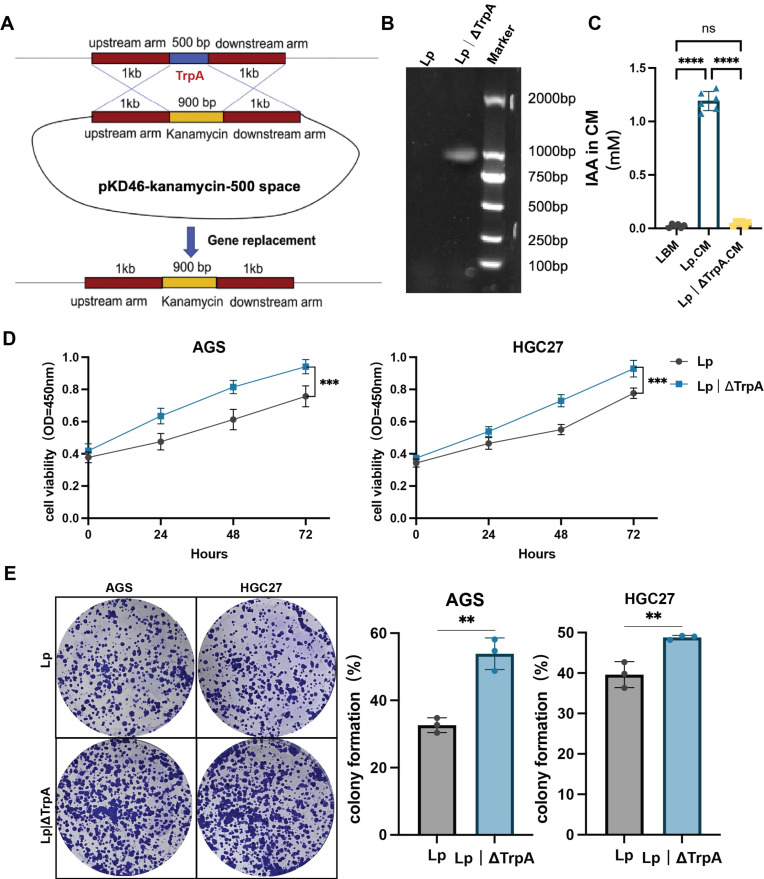 Figure 4
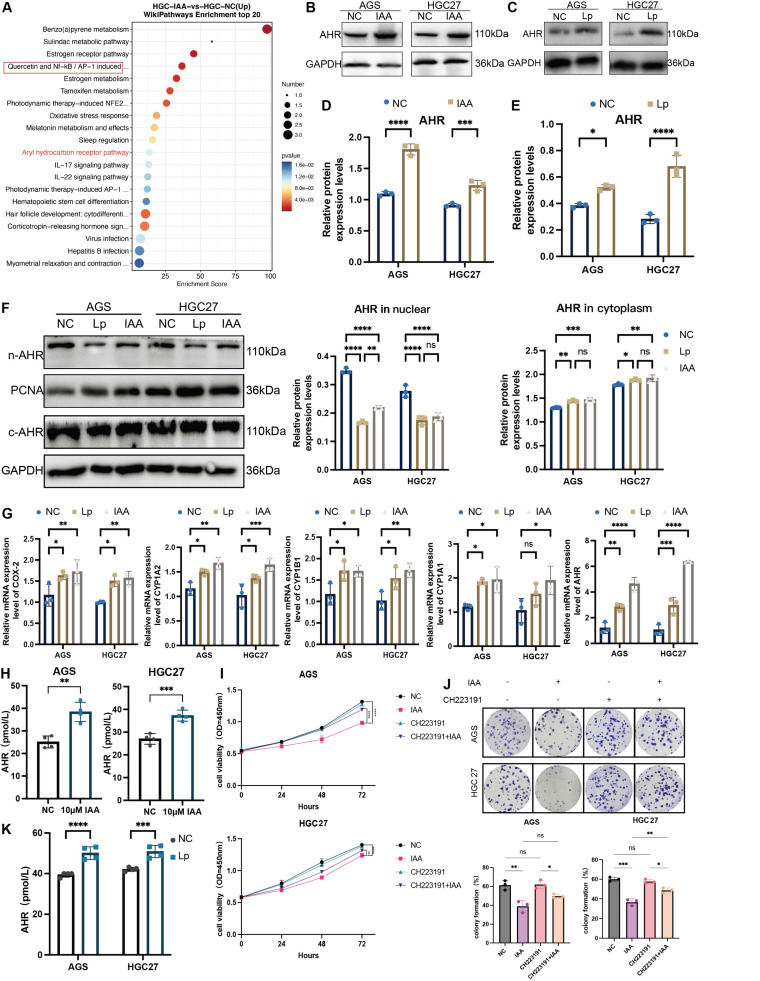 Figure 5
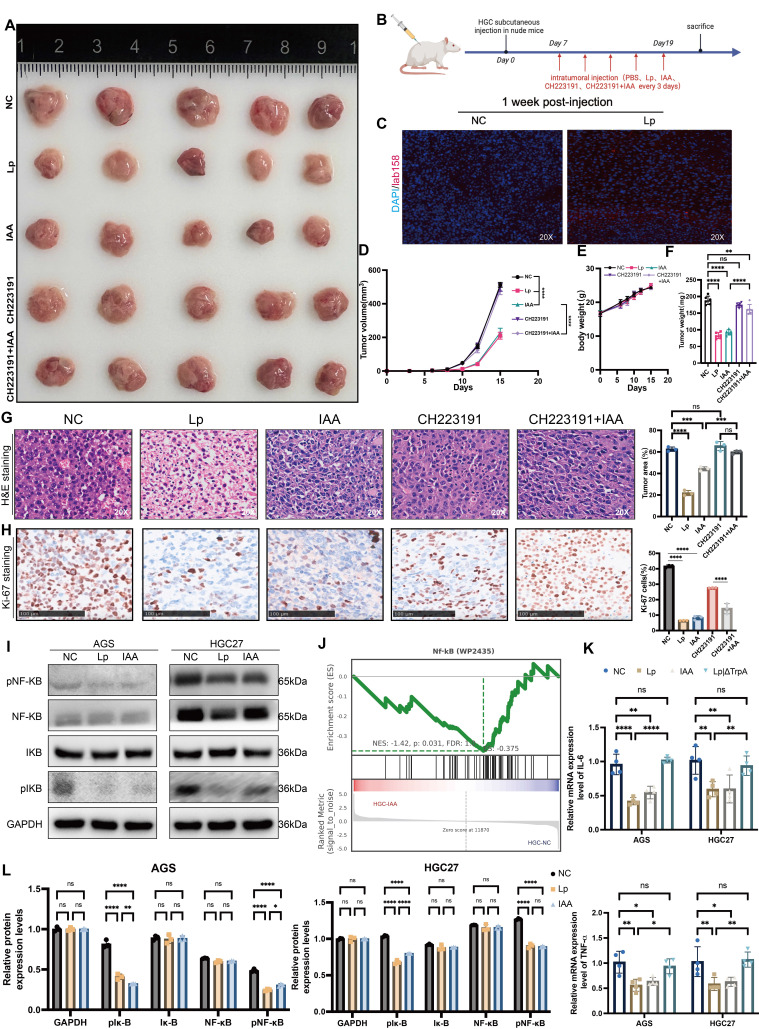 Figure 6
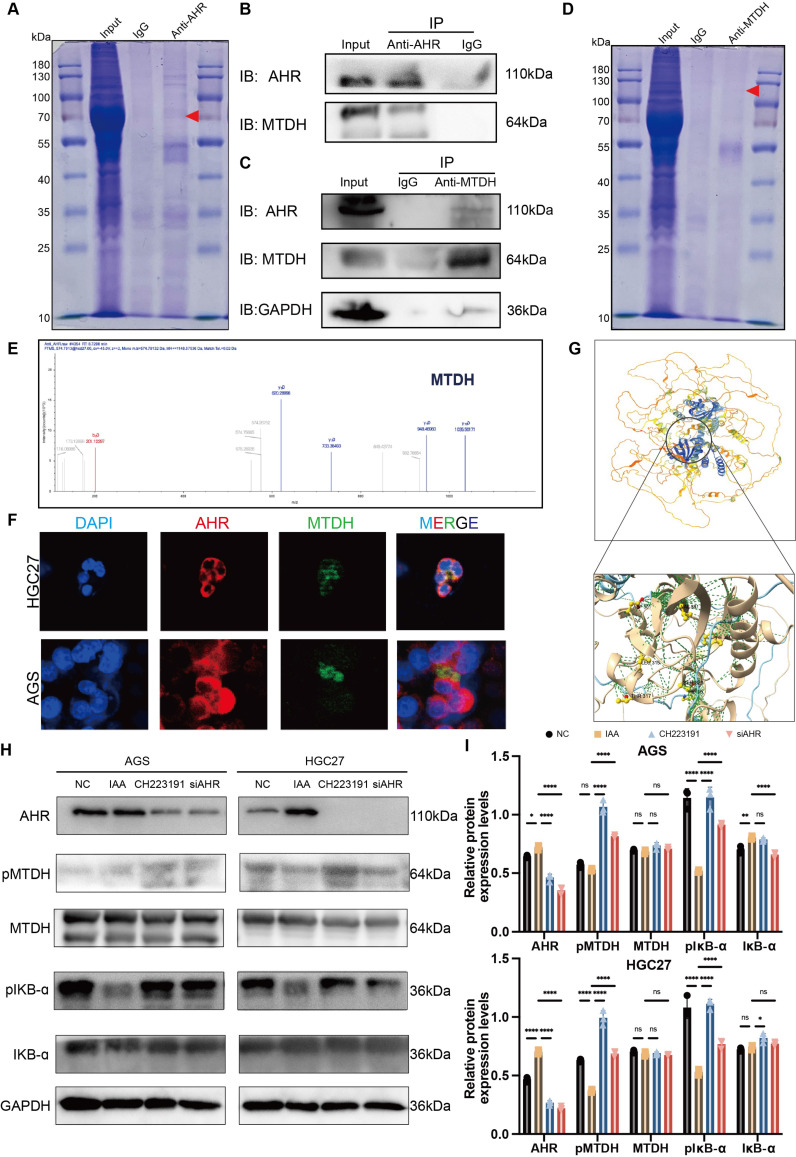 Figure 7
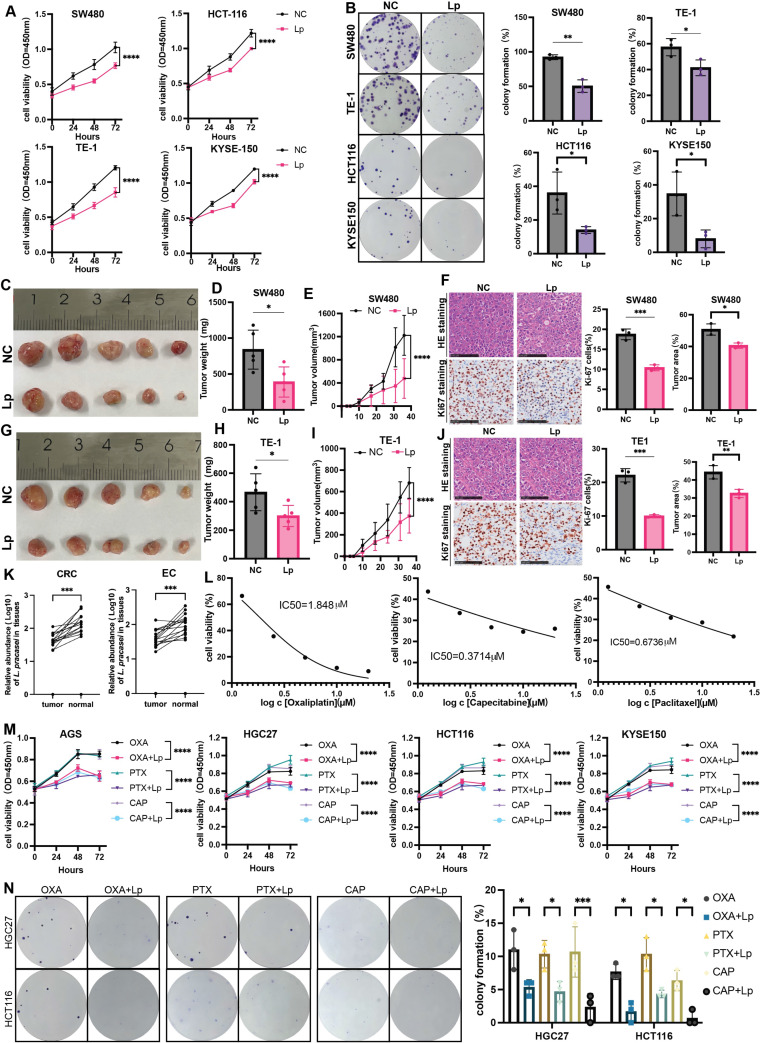 Figure 8
Peer Reviews
No public reviews on file for this paper yet. If you reviewed it on a platform where reviews are public (OpenReview, ICLR, NeurIPS, ICML), you can paste yours below so the community can read it here.
Videos
No videos yet. Explain this paper in a talk, walkthrough, or lecture? Add one.
Taxonomy
TopicsCancer Mechanisms and Therapy · Bioactive Compounds in Plants · Piperaceae Chemical and Biological Studies