Tumor-Derived Lactate Drives Malignant Progression of Refractory Papillary Thyroid Carcinoma via the H3K18la-STAT1-LDHA Axis
Zheng Zhou, Chao He, Xumeng Wang, Xinguang Jin, Liping Wen, Yan Yang, Quan Zhou, Weibin Wang, Lisong Teng

TL;DR
Tumor lactate promotes aggressive thyroid cancer by modifying histones and activating genes that sustain cancer growth.
Contribution
This study identifies a new regulatory axis linking tumor metabolism and epigenetics in papillary thyroid carcinoma.
Findings
Elevated H3K18la levels correlate with aggressive features in papillary thyroid carcinoma.
H3K18la activates STAT1, which upregulates LDHA to increase lactate production.
The H3K18la-STAT1-LDHA axis sustains malignant progression in thyroid cancer.
Abstract
Papillary thyroid carcinoma (PTC) remains among the most prevalent endocrine malignancies globally, with its incidence steadily rising. Although clinical outcomes are generally favorable, a clinically significant subset of patients exhibits highly aggressive tumor phenotypes, characterized by larger tumor size and increased lymph node metastasis. Accumulating evidence implicates metabolic reprogramming and epigenetic dysregulation as pivotal drivers of tumor progression. Lactate, one of the byproducts of tumor metabolism, has recently garnered attention for its regulatory functions beyond metabolism. Histone lactylation, a recently identified epigenetic modification dynamically regulated by intracellular lactate accumulation, has emerged as an important regulator of tumor proliferation, metastasis, immune evasion, and therapeutic resistance. However, the functional implications and…
Genes, proteins, chemicals, diseases, species, mutations and cell lines named across the full text — each resolved to its canonical identifier and authoritative record.
Click any figure to enlarge with its caption.
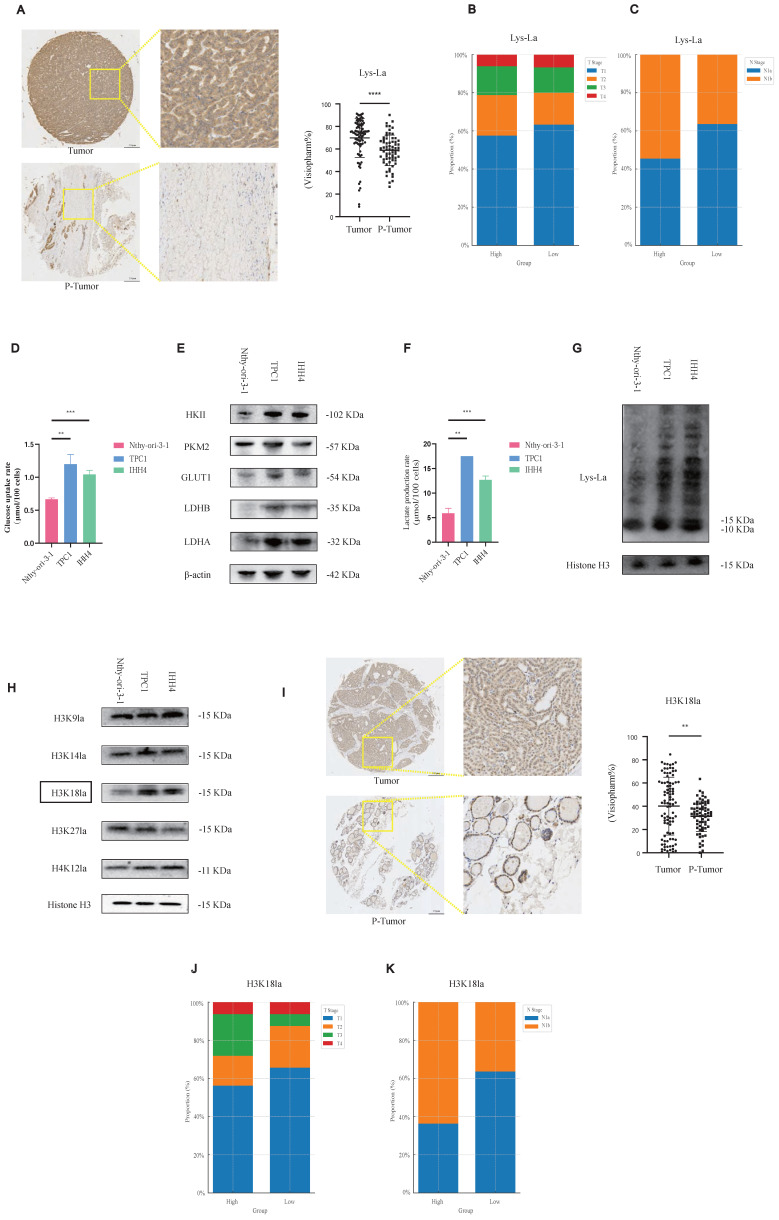 Figure 1
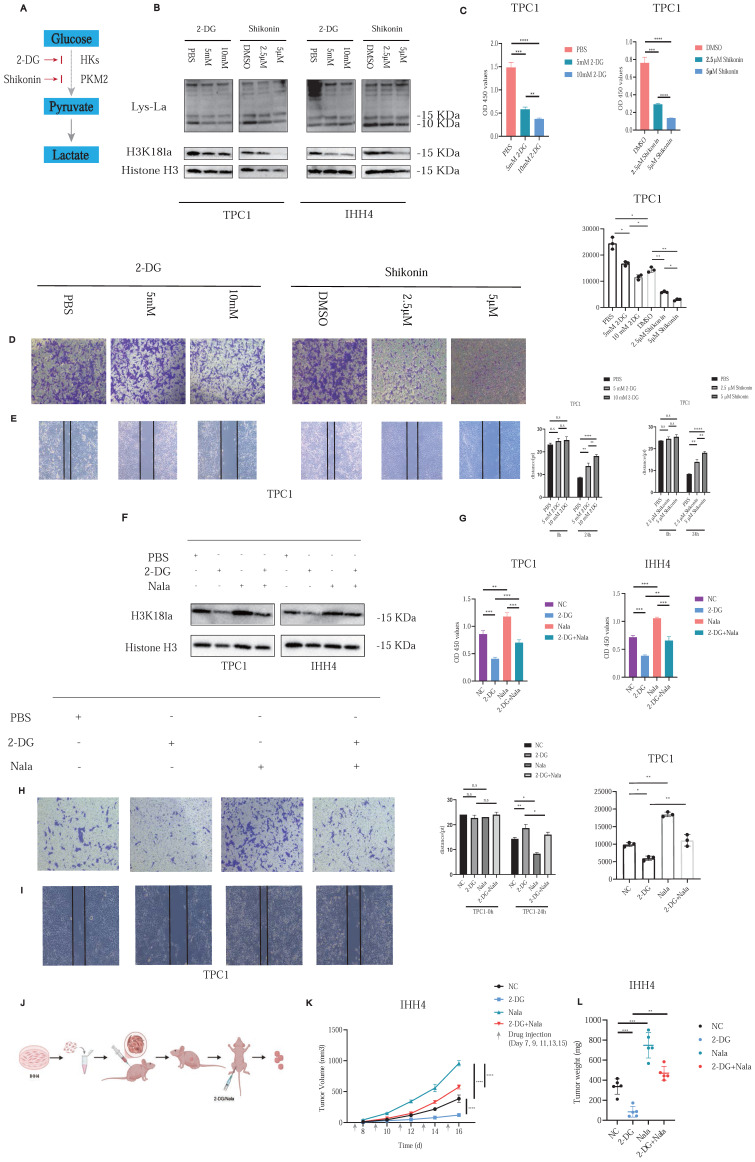 Figure 2
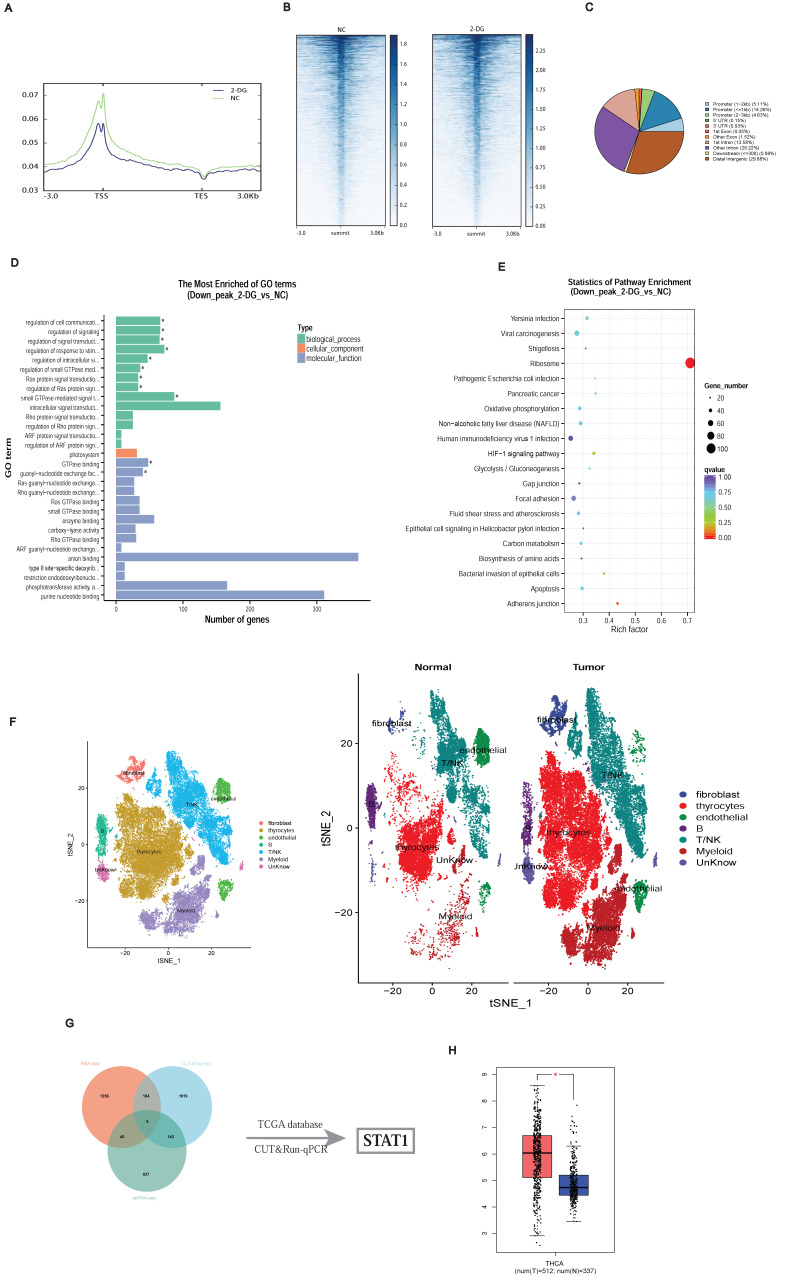 Figure 3
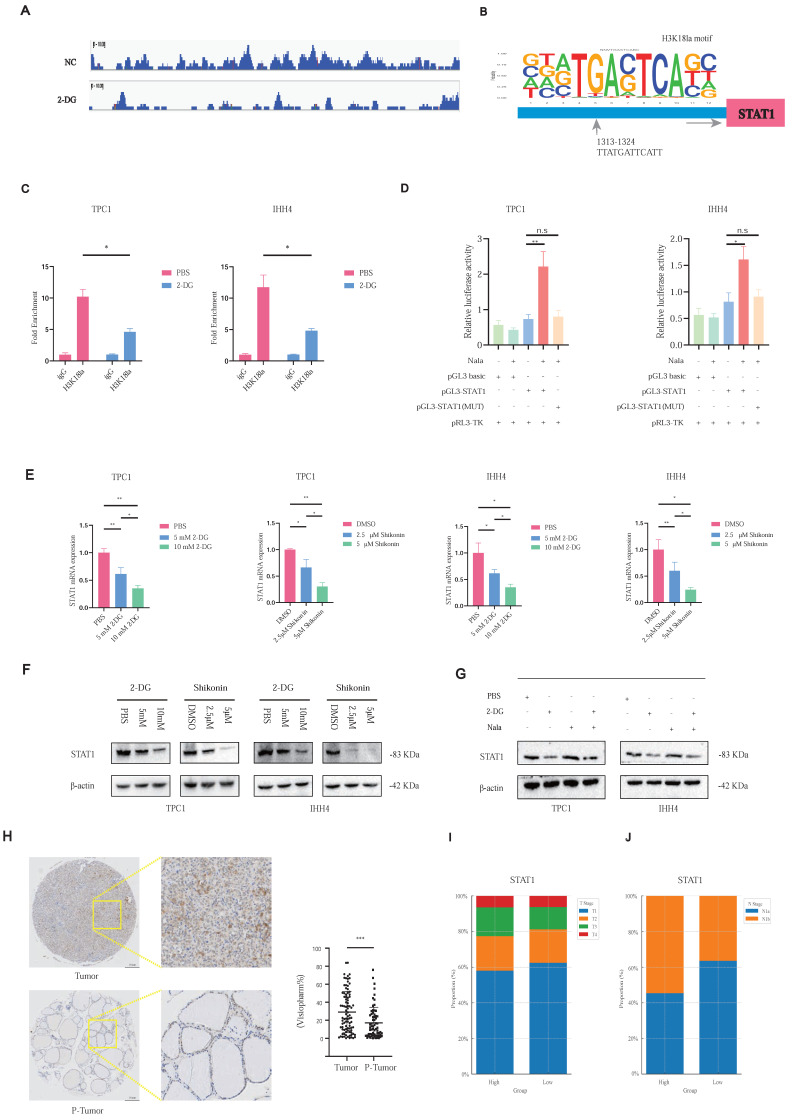 Figure 4
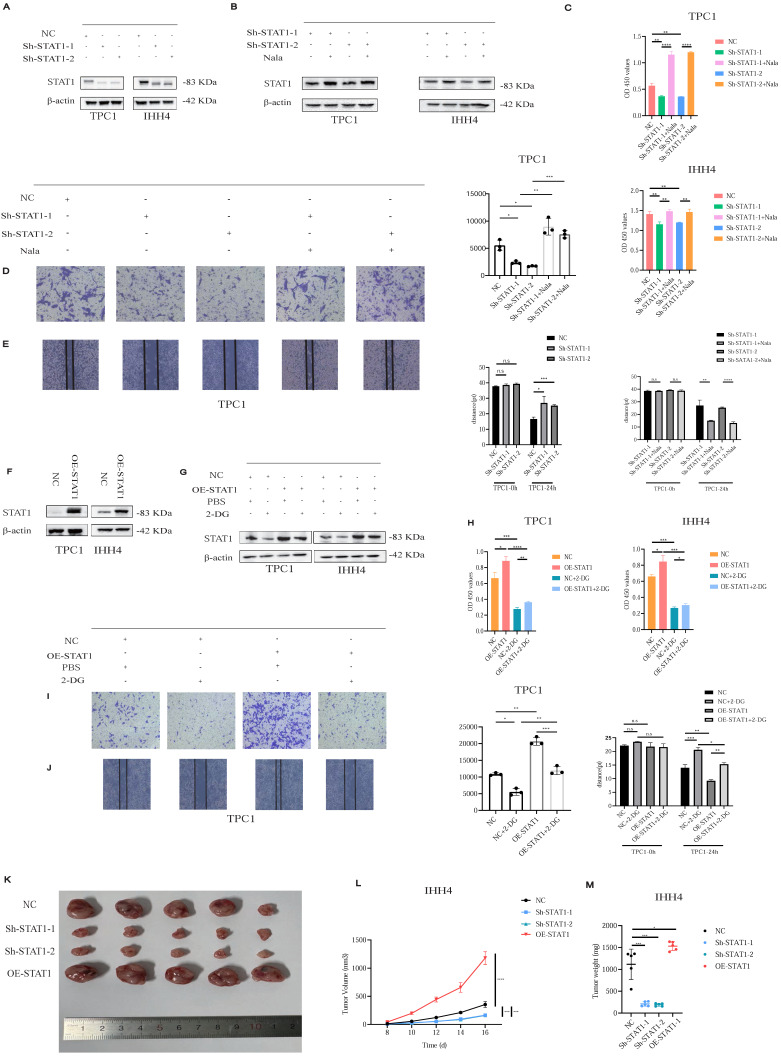 Figure 5
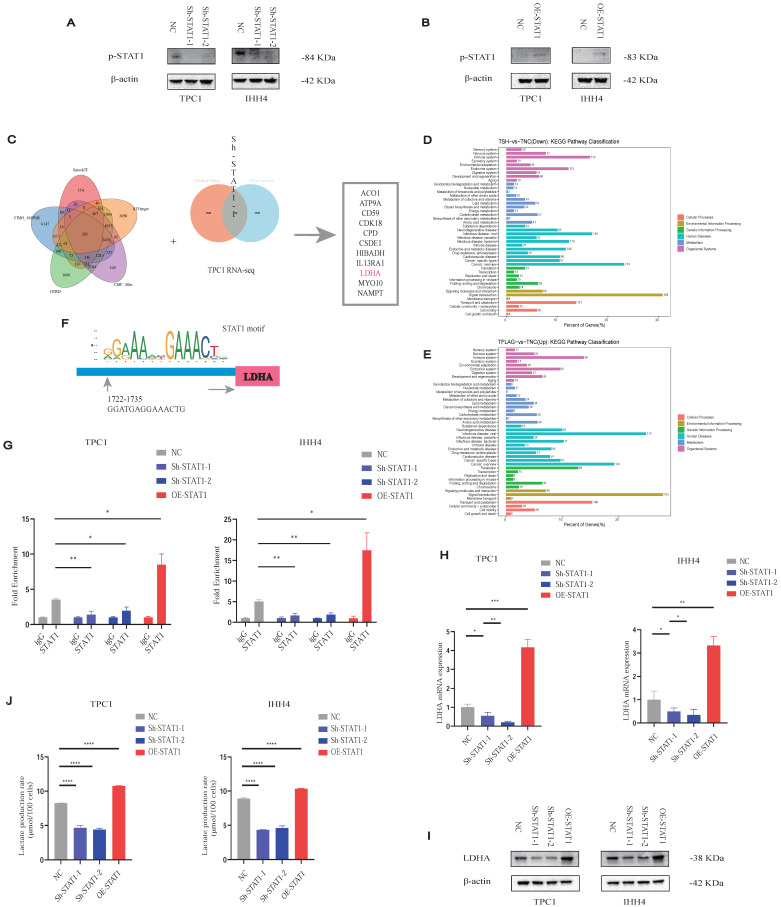 Figure 6
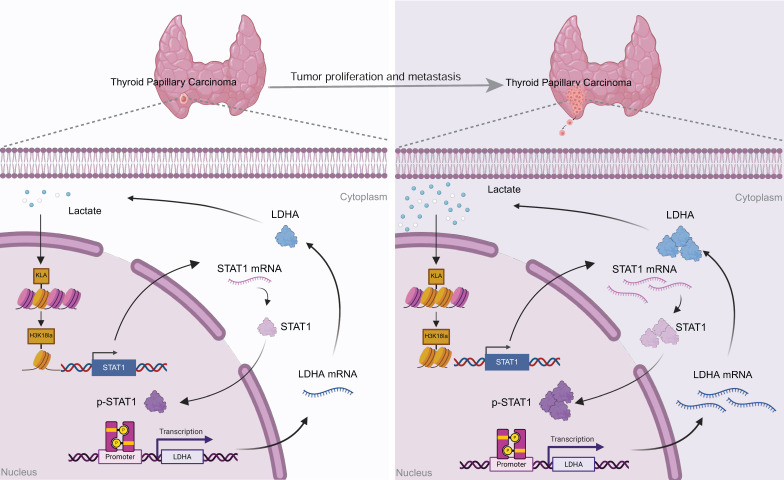 Figure 7
Peer Reviews
No public reviews on file for this paper yet. If you reviewed it on a platform where reviews are public (OpenReview, ICLR, NeurIPS, ICML), you can paste yours below so the community can read it here.
Videos
No videos yet. Explain this paper in a talk, walkthrough, or lecture? Add one.
Taxonomy
TopicsCancer, Hypoxia, and Metabolism · Cancer-related Molecular Pathways · Chemical Reactions and Isotopes