TTC36-Mediated Tumor Suppression via YBX3/SPRED1 Axis Paradoxically Reduces Sorafenib Sensitivity in Hepatocellular Carcinoma
Wenhu Zhao, Xiangyu Ling, Kuan Li, Litao Liang, Wenbo Jia, Jinyi Wang, Yanzhi Feng, Chao Xu, Qingpeng Lv, Deming Zhu, Zhiwen Feng, Xiaoming Ai, Lianbao Kong, Wenzhou Ding

TL;DR
This study finds that TTC36 suppresses liver cancer growth but causes resistance to the drug sorafenib, suggesting personalized treatment strategies based on TTC36 levels.
Contribution
The study reveals a novel tumor suppressor mechanism involving TTC36, YBX3, and SPRED1, and identifies a paradoxical resistance pathway to sorafenib in HCC.
Findings
TTC36 downregulation promotes HCC proliferation and correlates with poor survival.
TTC36 stabilizes YBX3, which enhances SPRED1 mRNA stability and suppresses Ras/MAPK signaling.
TTC36-high HCC develops sorafenib resistance via PI3K/Akt activation, which can be reversed by Akt inhibition.
Abstract
Background: Hepatocellular carcinoma (HCC) exhibits limited therapeutic responses, partly due to undefined tumor suppressor networks. While TTC36 is downregulated in HCC and correlates with poor prognosis, its functional role, molecular mechanisms, and impact on targeted therapy remain unknown. Methods: By analyzing HCC tissues RNA-seq, and scRNA-seq data of HCC tissues, we investigated the expression pattern of TTC36. The clinical relevance was analyzed by using Kaplan-Meier Plotter. Cell proliferation, migration, invasion and apoptosis were detected to confirm the function of TTC36. Mechanistic insights into TTC36-mediated HCC suppression were obtained via RNA-seq analysis, mass spectrometry analysis, molecular docking, RNA pulldown, dual-luciferase reporter assays. In animal models, the tumor growth analysis, along with IHC staining and TUNNEL staining, was used to investigate the…
Genes, proteins, chemicals, diseases, species, mutations and cell lines named across the full text — each resolved to its canonical identifier and authoritative record.
Click any figure to enlarge with its caption.
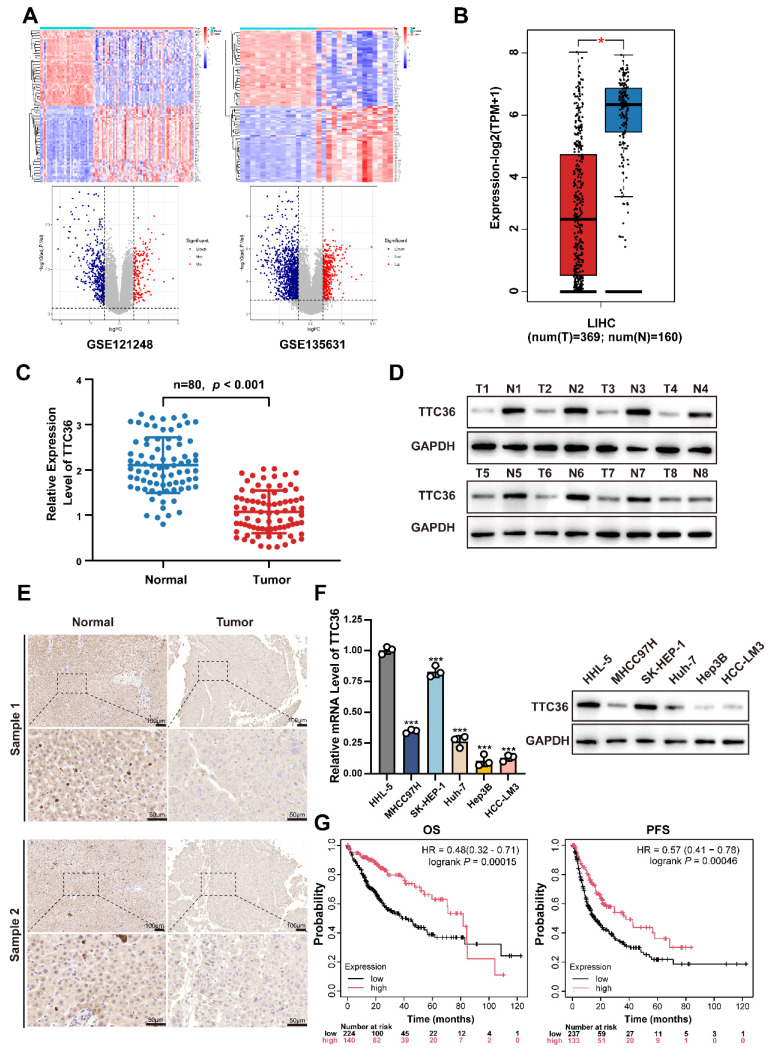 Figure 1
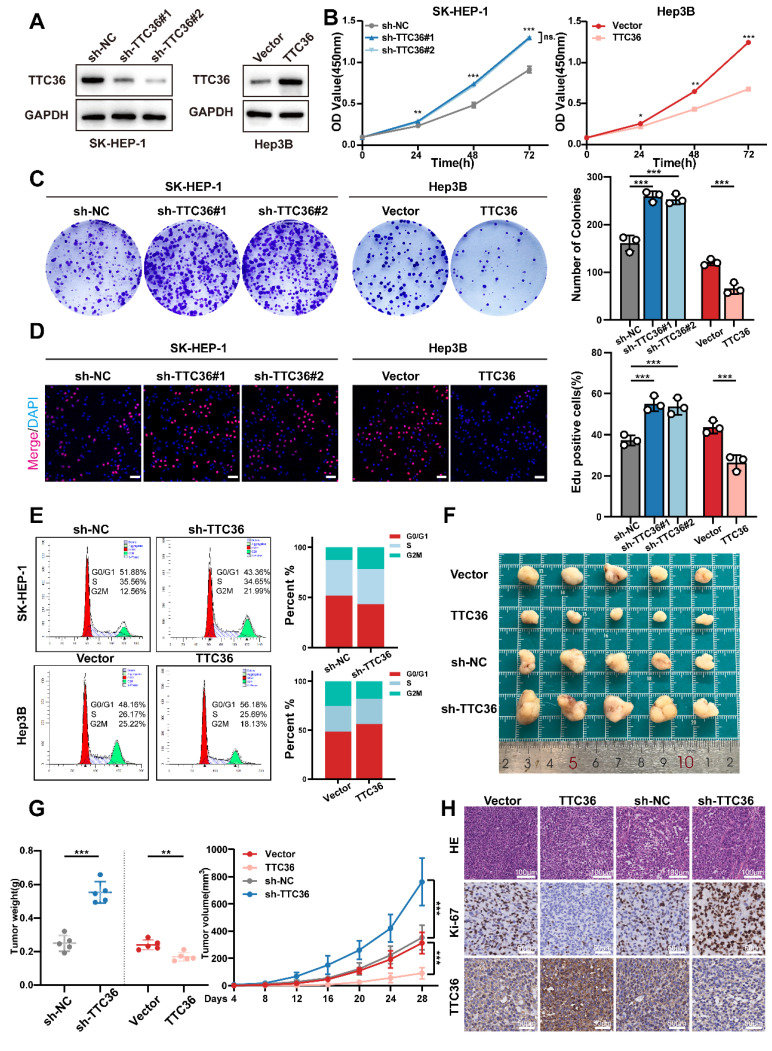 Figure 2
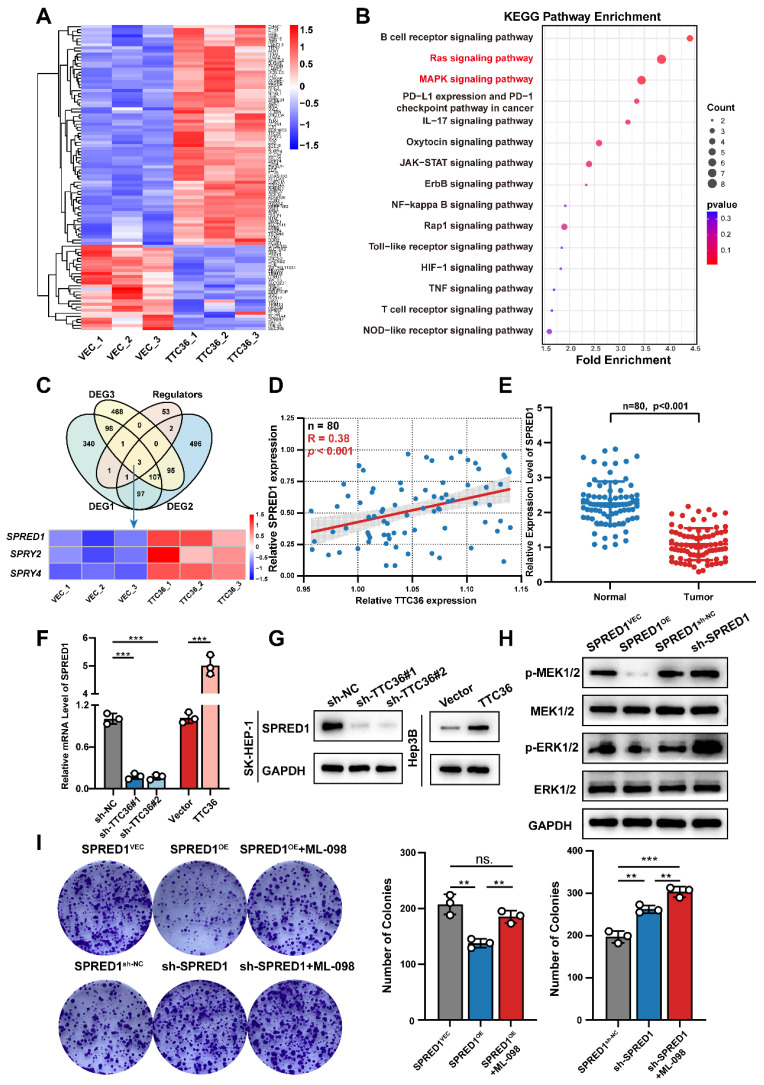 Figure 3
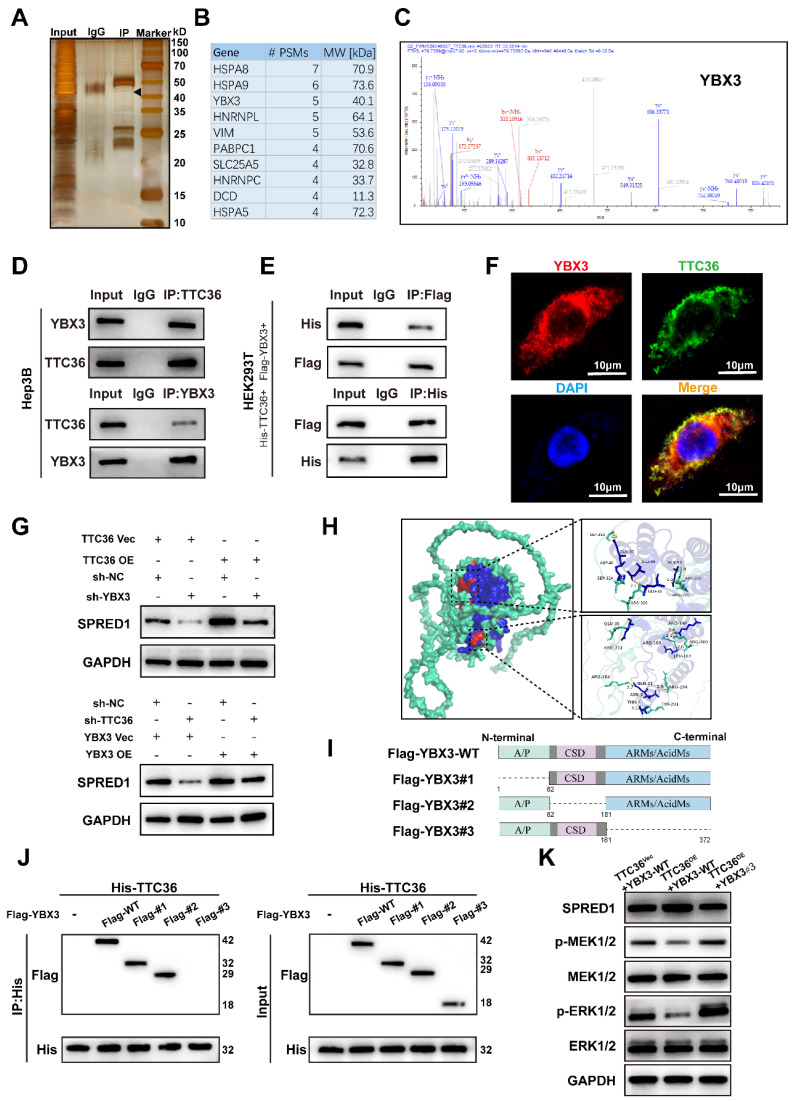 Figure 4
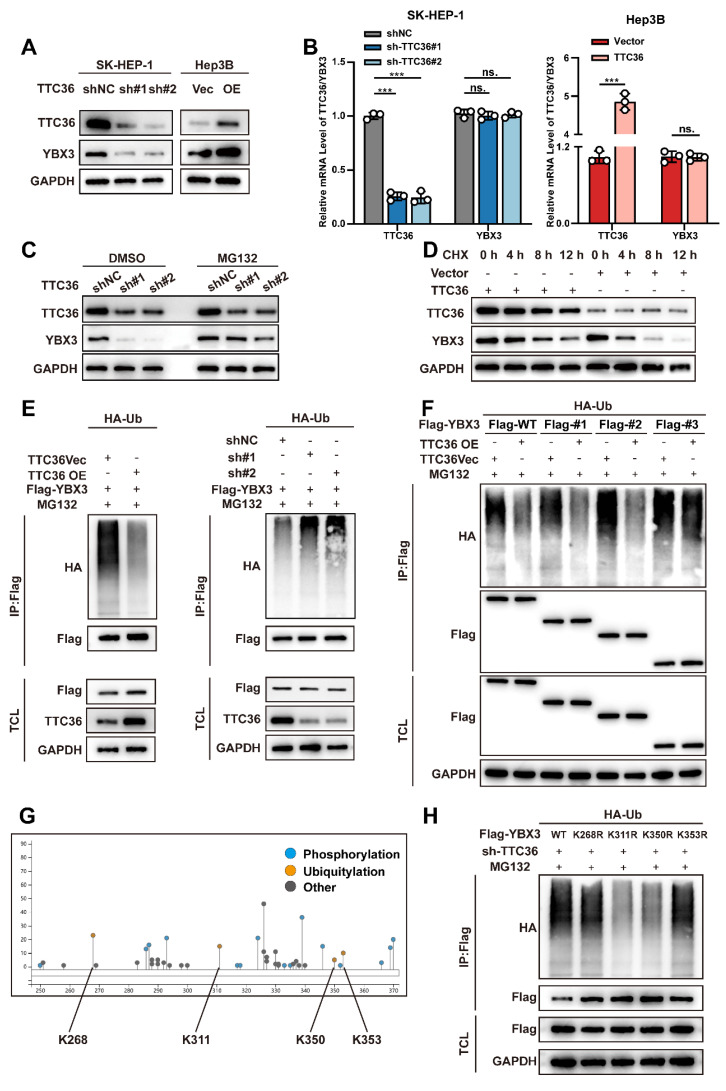 Figure 5
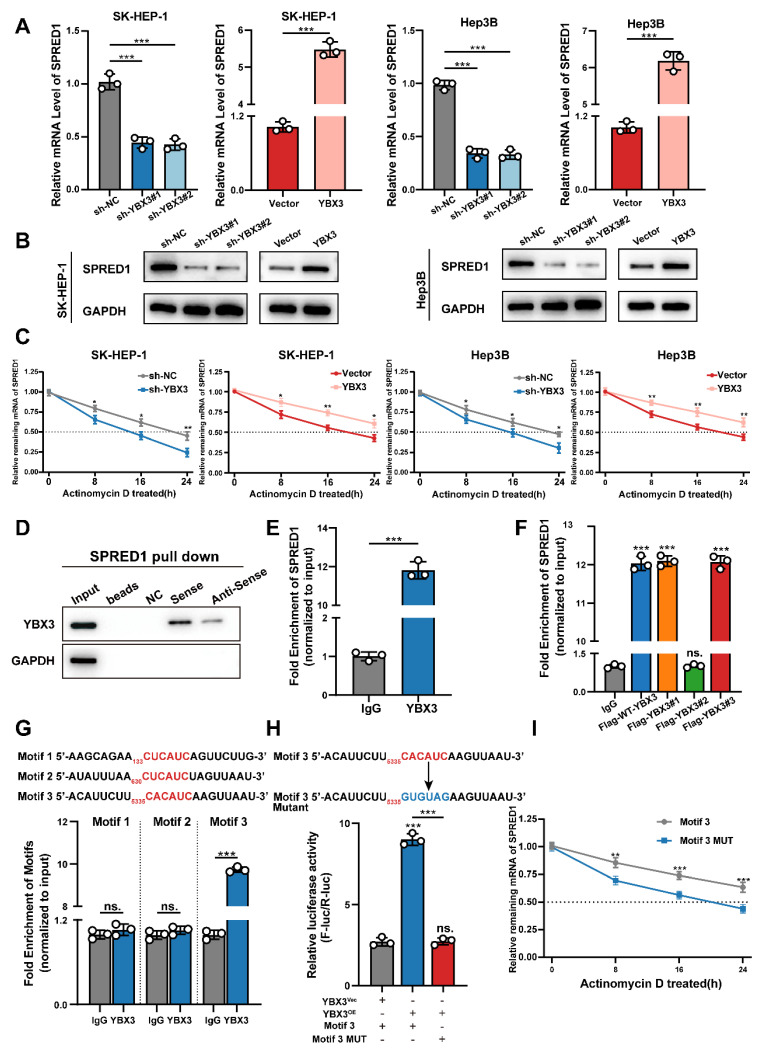 Figure 6
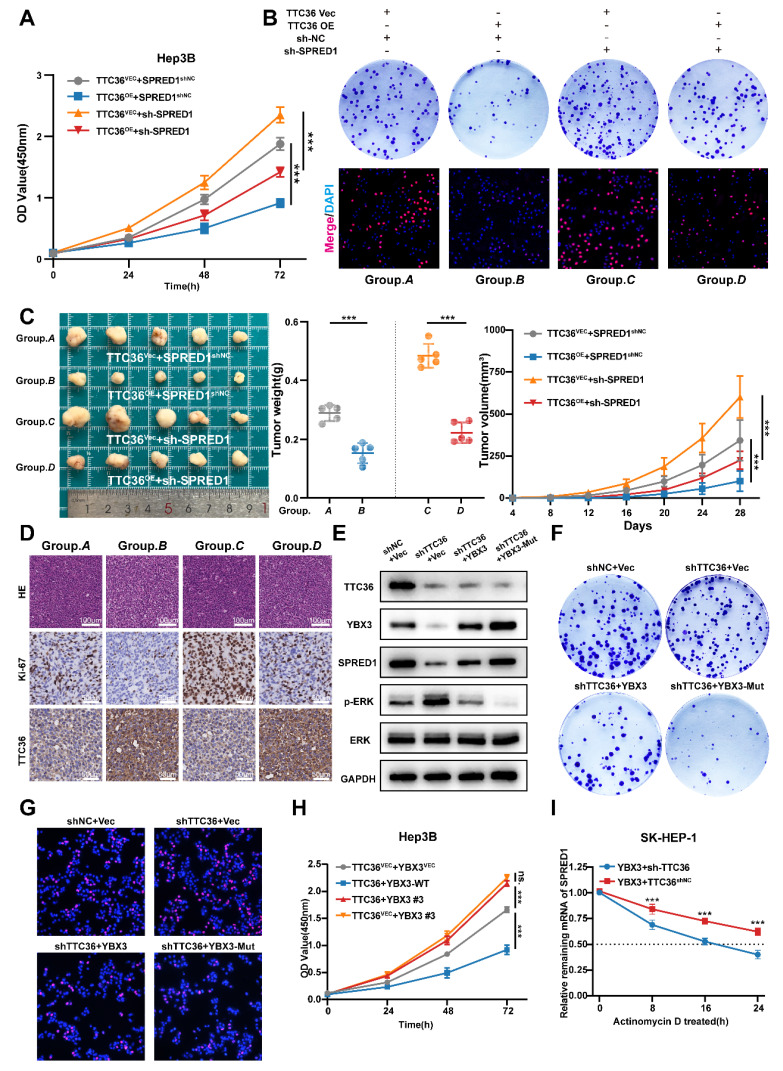 Figure 7
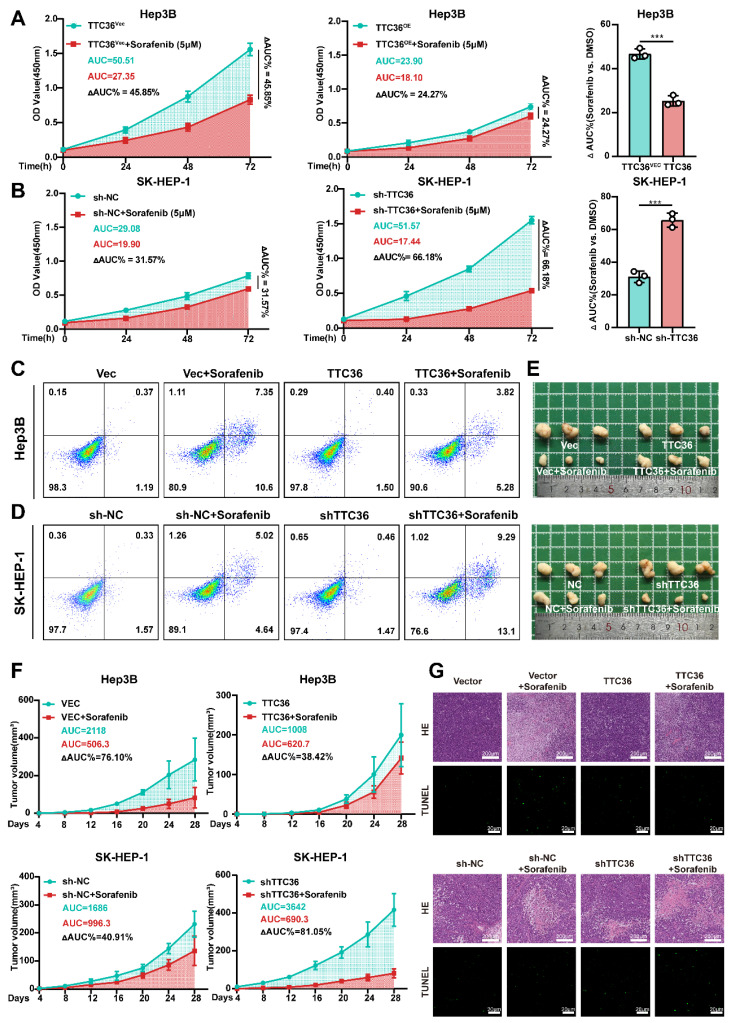 Figure 8
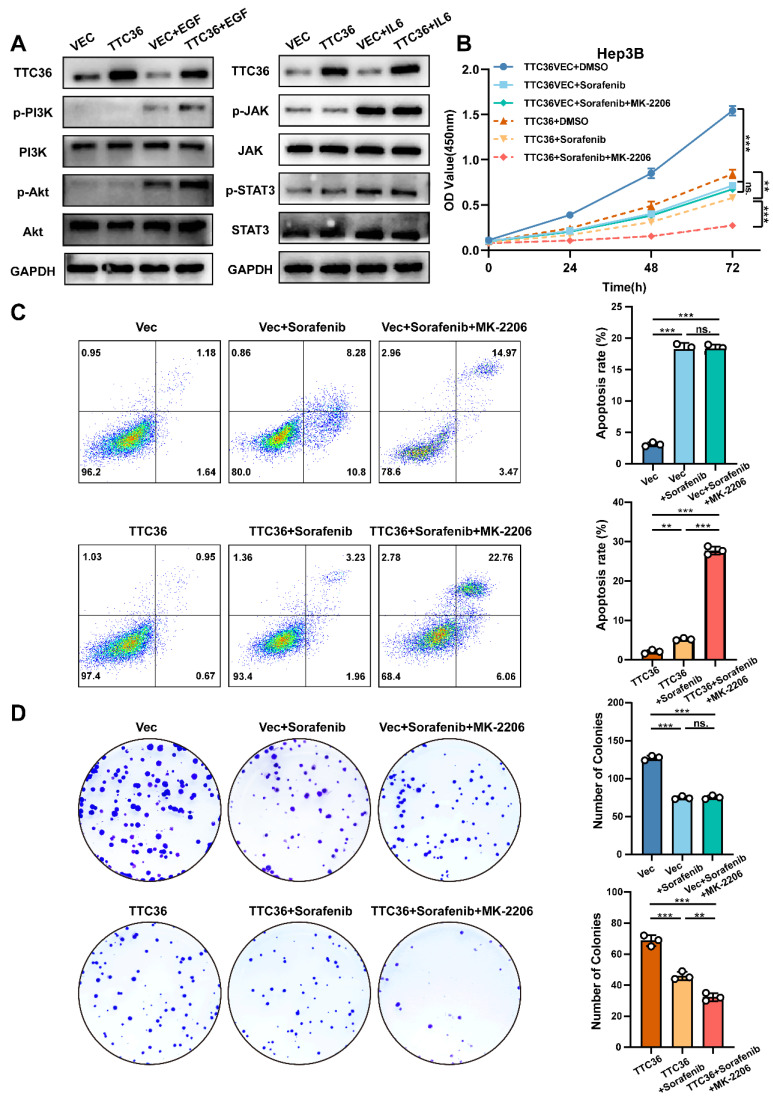 Figure 9
Peer Reviews
No public reviews on file for this paper yet. If you reviewed it on a platform where reviews are public (OpenReview, ICLR, NeurIPS, ICML), you can paste yours below so the community can read it here.
Videos
No videos yet. Explain this paper in a talk, walkthrough, or lecture? Add one.
Taxonomy
TopicsCancer Mechanisms and Therapy · Hepatocellular Carcinoma Treatment and Prognosis · PI3K/AKT/mTOR signaling in cancer