Generation of Human 3D Airway Assembloids for Advanced Modeling
Maria Chiara Iachini, Alberto Coglot, Dorian Tace, Noemi Elia, Francesco Rusconi, Federica Cosentino, Gianluca Lopez, Mariacristina Crosti, Tuğba Dursun Usal, Edoardo Scarpa, Antonio D'Amore, Vitale Miceli, Lorenzo Rosso, Lorenza Lazzari

TL;DR
Researchers created a 3D human airway model that includes key cell types to better study lung biology and disease.
Contribution
A novel scaffold-free 3D assembloid model of human airways was developed with stromal and endothelial components.
Findings
Assembloids showed long-term viability and maintained airway epithelial markers.
The model exhibited functional traits like mucus production and ciliary beating.
The model bridges organoid cultures and complex tissue engineering approaches.
Abstract
The development of physiologically relevant in vitro 3D models is crucial for studying lung biology and disease mechanisms. While airway organoids have significantly improved our ability to mimic lung tissue, they lack key nonepithelial components that are essential for tissue homeostasis. Here, we describe the generation of human airway assembloids, combining airway organoids, stromal fibroblasts, and endothelial cells to better replicate the native lung environment. The model was generated from healthy lung tissue donors by using a scaffold-free culture system to promote cell self-organization. Assembloids exhibited long-term viability, maintained typical airway epithelial markers, and demonstrated functional characteristics, such as mucus production and ciliary beating. This technology provides a powerful platform for studying airway physiology, disease mechanisms, and therapeutic…
Genes, proteins, chemicals, diseases, species, mutations and cell lines named across the full text — each resolved to its canonical identifier and authoritative record.
Click any figure to enlarge with its caption.
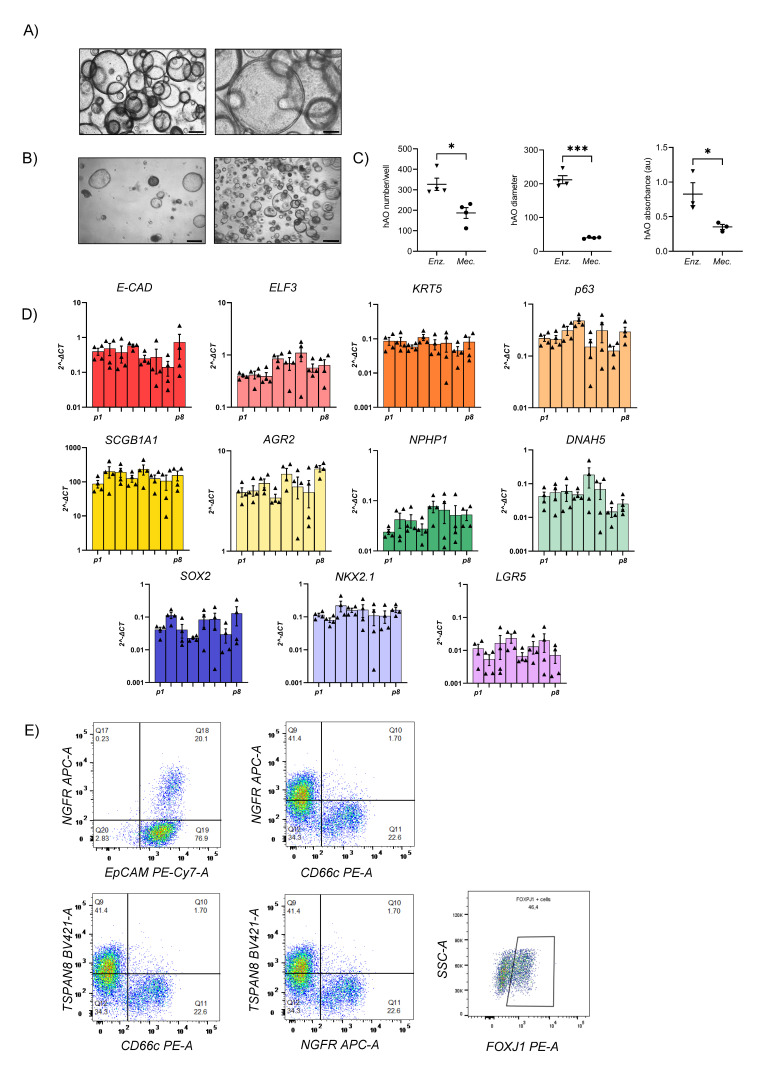 Figure 1
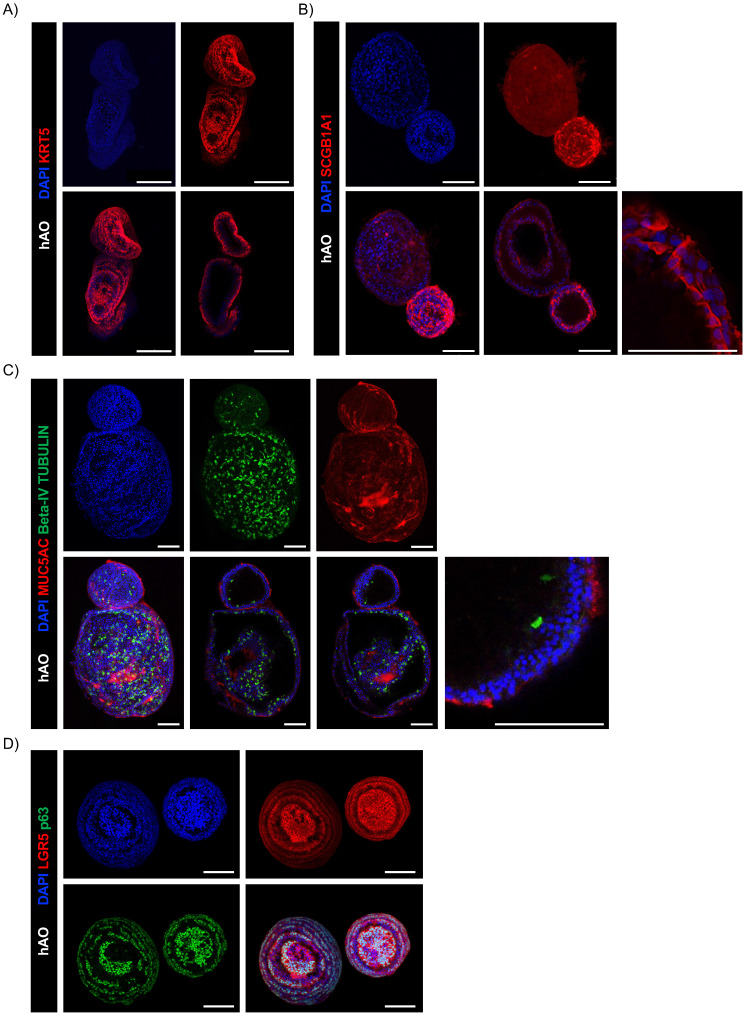 Figure 2
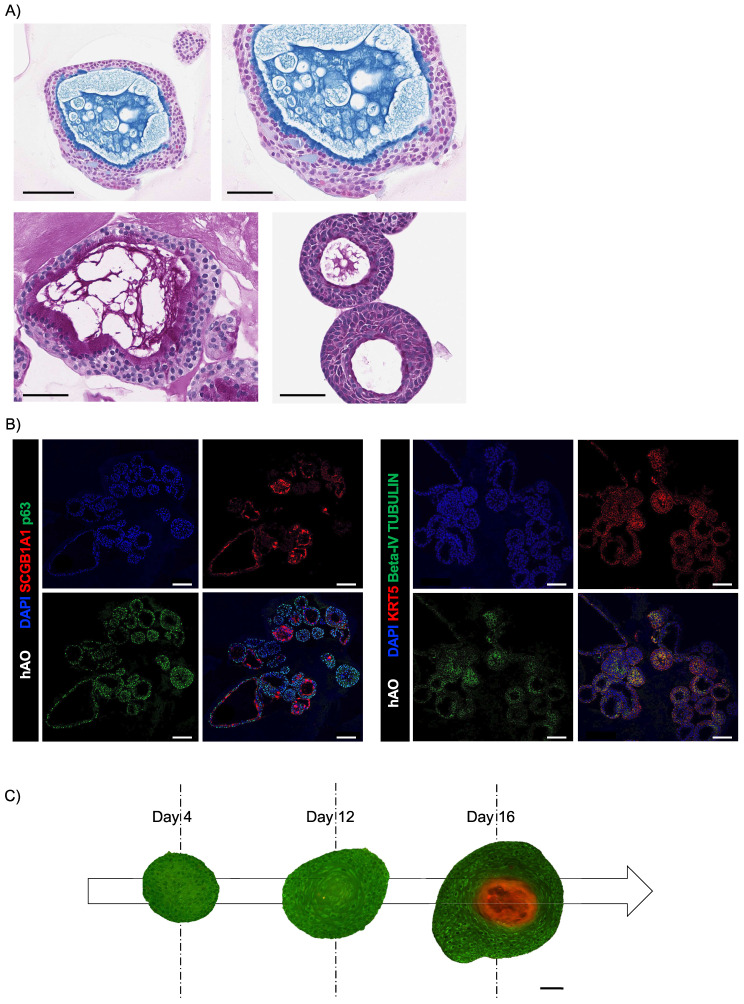 Figure 3
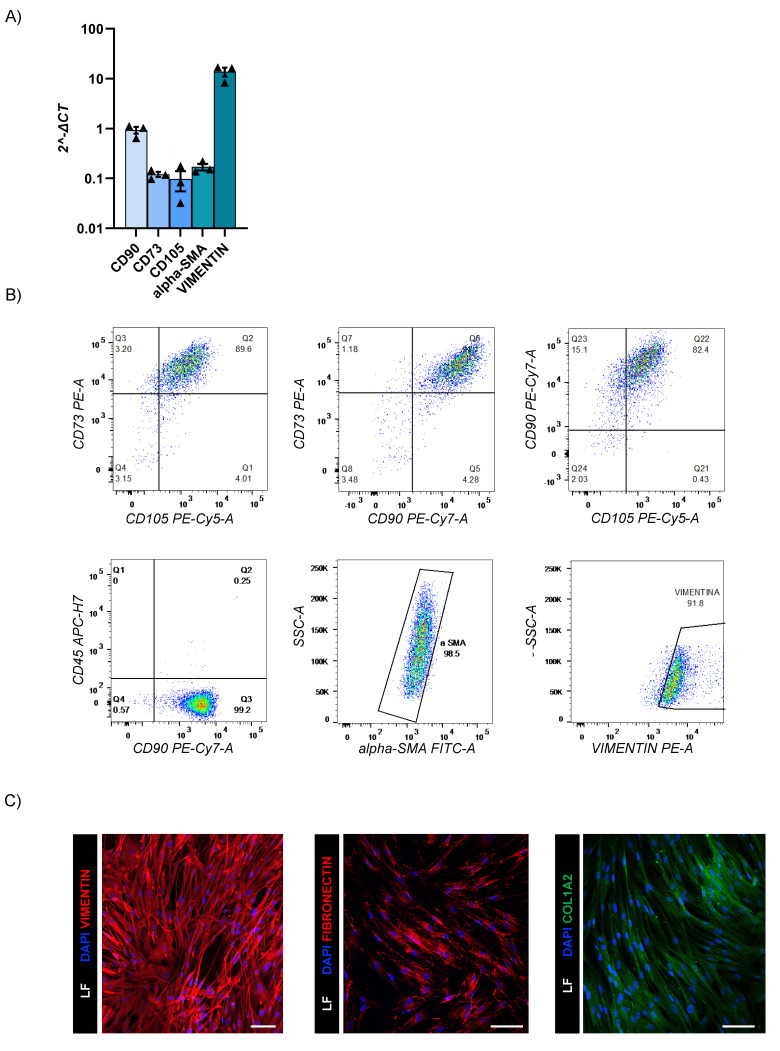 Figure 4
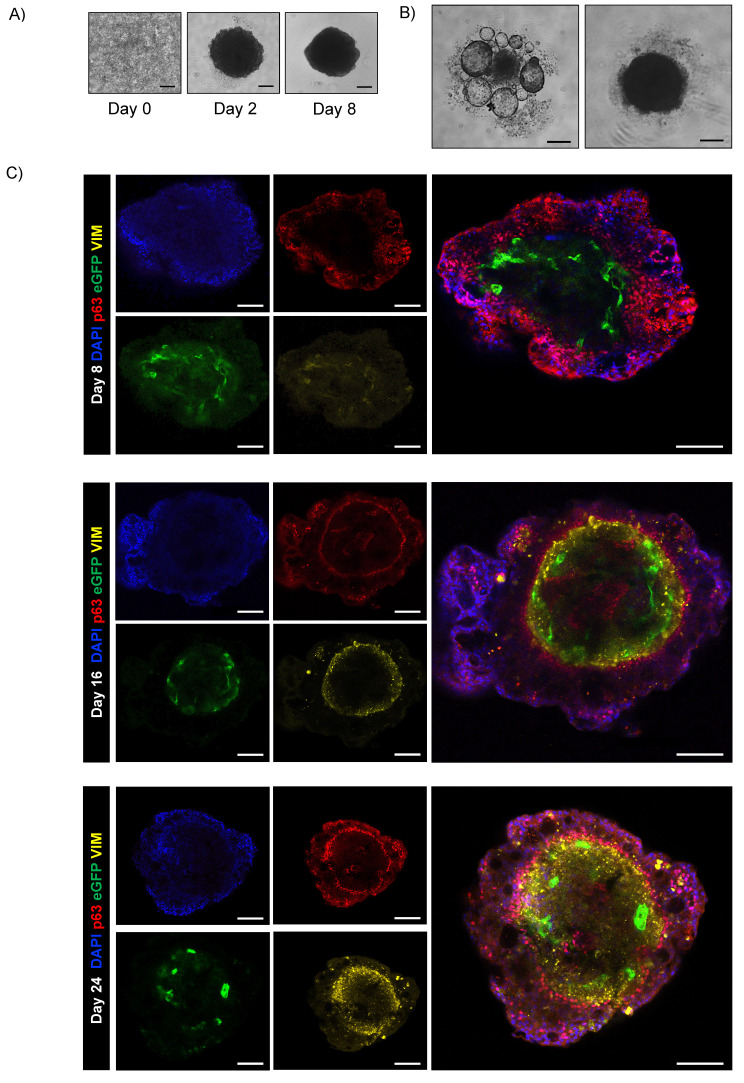 Figure 5
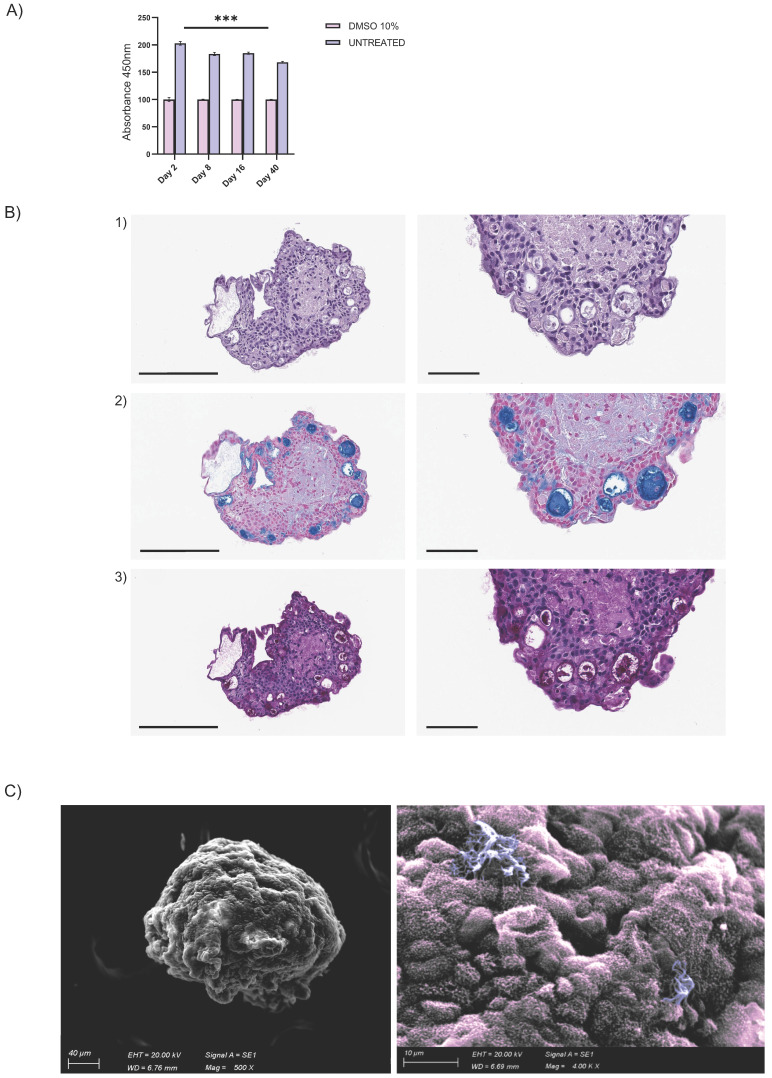 Figure 6
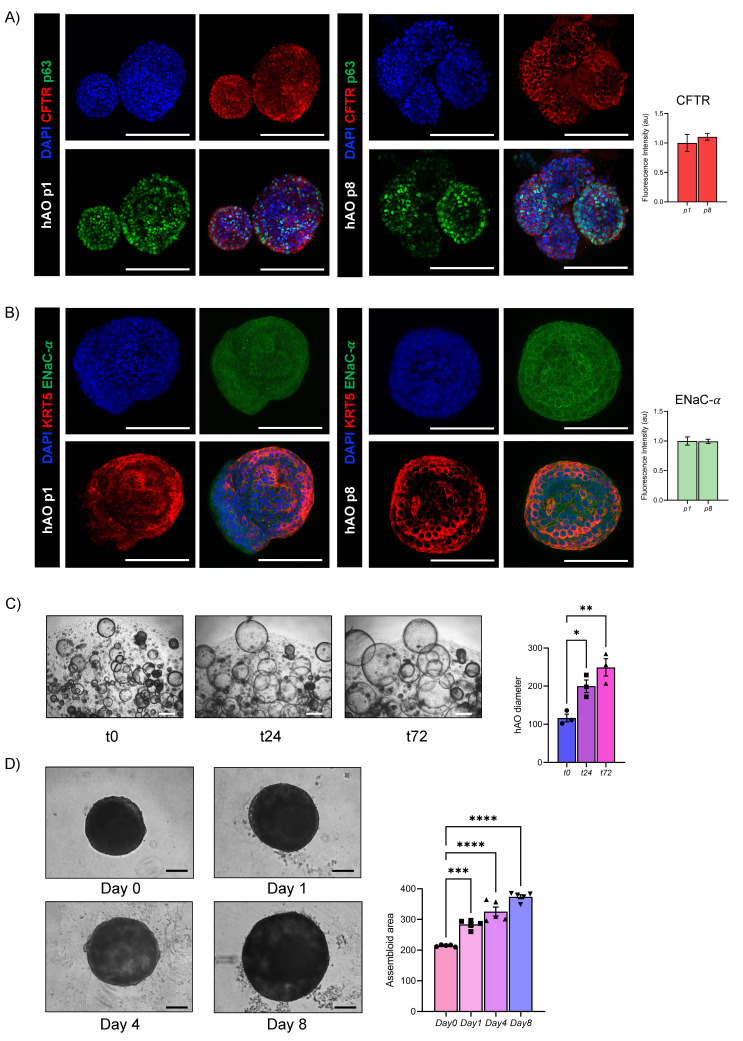 Figure 7
Peer Reviews
No public reviews on file for this paper yet. If you reviewed it on a platform where reviews are public (OpenReview, ICLR, NeurIPS, ICML), you can paste yours below so the community can read it here.
Videos
No videos yet. Explain this paper in a talk, walkthrough, or lecture? Add one.
Taxonomy
TopicsContext-Aware Activity Recognition Systems