Repetitive Trans-spinal Magnetic Stimulation Suppresses Microglia to Engulf Synapse and Promotes Nerve Repairment via cGAS-STING Signaling Pathway after Spinal Cord Injury
Mudan Huang, Jiawei Di, Na Li, Longyou Xiao, Zhenming Tian, Tianwei He, Mao Pang, Bin Liu, Lei He, Limin Rong

TL;DR
Repetitive trans-spinal magnetic stimulation helps repair spinal cord injuries by reducing harmful microglia activity through a specific signaling pathway.
Contribution
The study reveals that rTSMS suppresses microglia synapse phagocytosis via the cGAS-STING pathway after SCI.
Findings
rTSMS reduced lesion size and improved functional recovery in SCI rats.
rTSMS inhibited microglial synapse phagocytosis by suppressing the cGAS-STING pathway.
The STING agonist 2,3 cGAMP reversed the effects of rTSMS on microglia.
Abstract
Background: Spinal cord injury (SCI) is a neurological disorder characterized by progressive neuronal death. Notably, microglia-mediated synapse phagocytosis contributes to the disruption of the surviving neuronal network. Recovery of neurological function after SCI largely relies on the activation and remodeling of neural circuits. Magnetic stimulation has been shown to improve the reconstruction of neural synapses and neural circuits. However, the specific mechanisms by which repetitive trans-spinal magnetic stimulation (rTSMS) modulates microglial phagocytosis of synapses in SCI remain unclear. Methods: A modified version of Allen's method was used to establish an SCI model. Structural recovery was assessed using Hematoxylin-eosin and Nissl staining. Neurological function was evaluated through several assessments: the Basso, Beattie, and Bresnahan scale, the modified Rivlin inclined…
Genes, proteins, chemicals, diseases, species, mutations and cell lines named across the full text — each resolved to its canonical identifier and authoritative record.
Click any figure to enlarge with its caption.
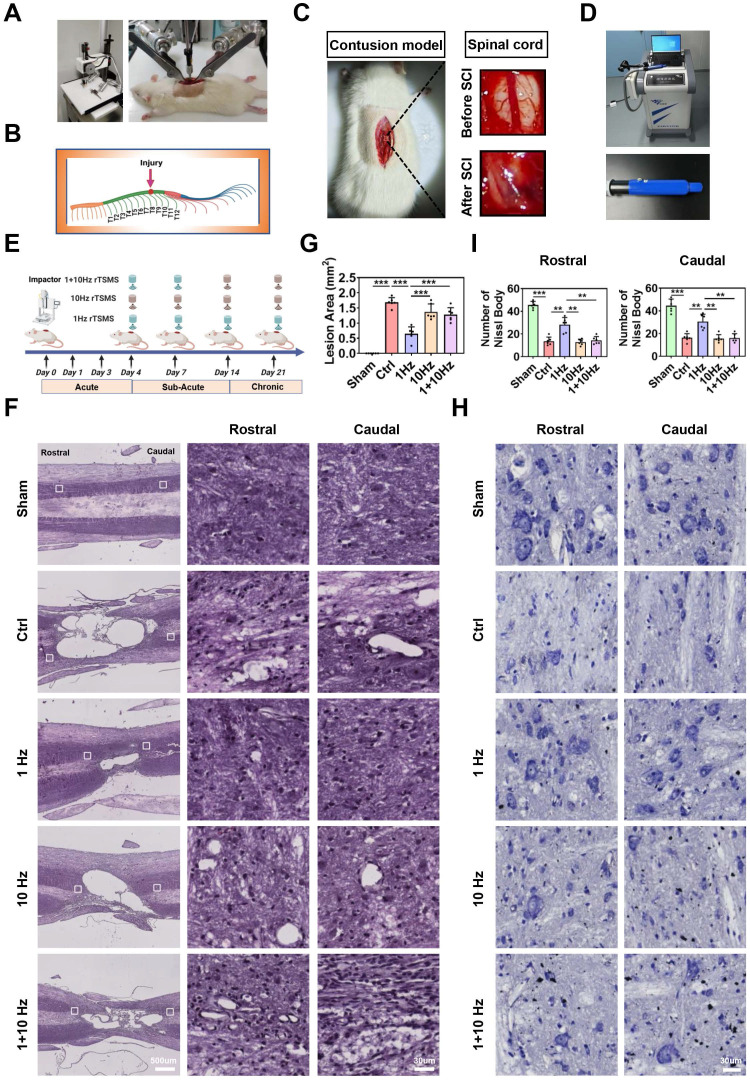 Figure 1
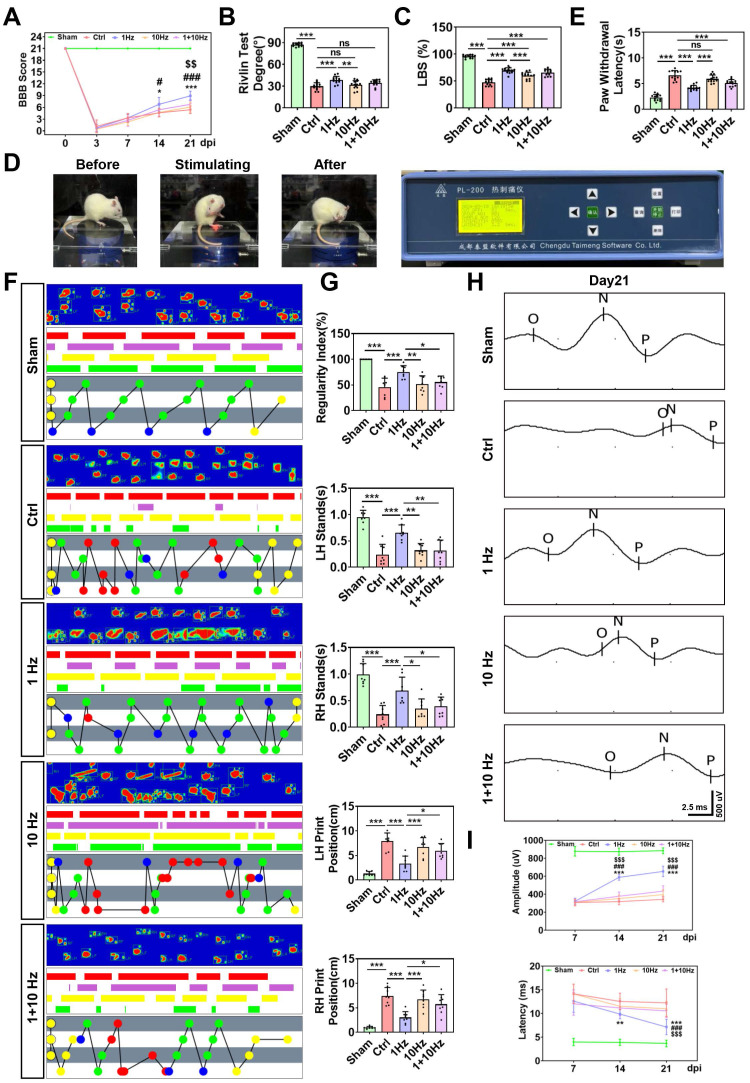 Figure 2
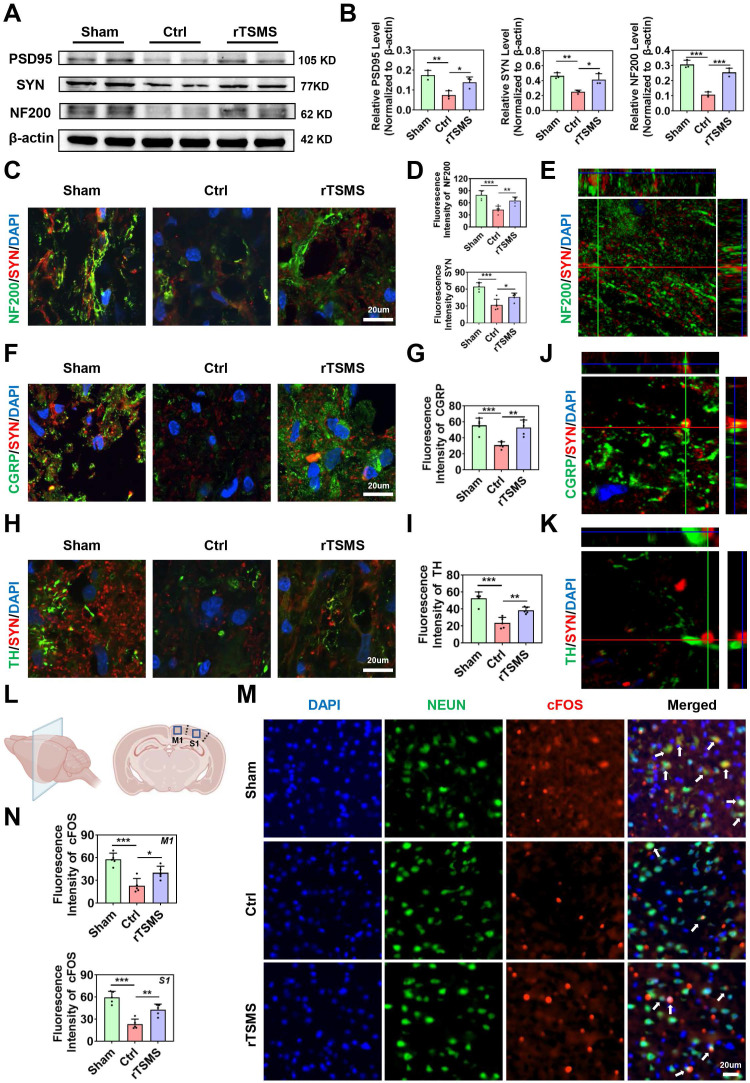 Figure 3
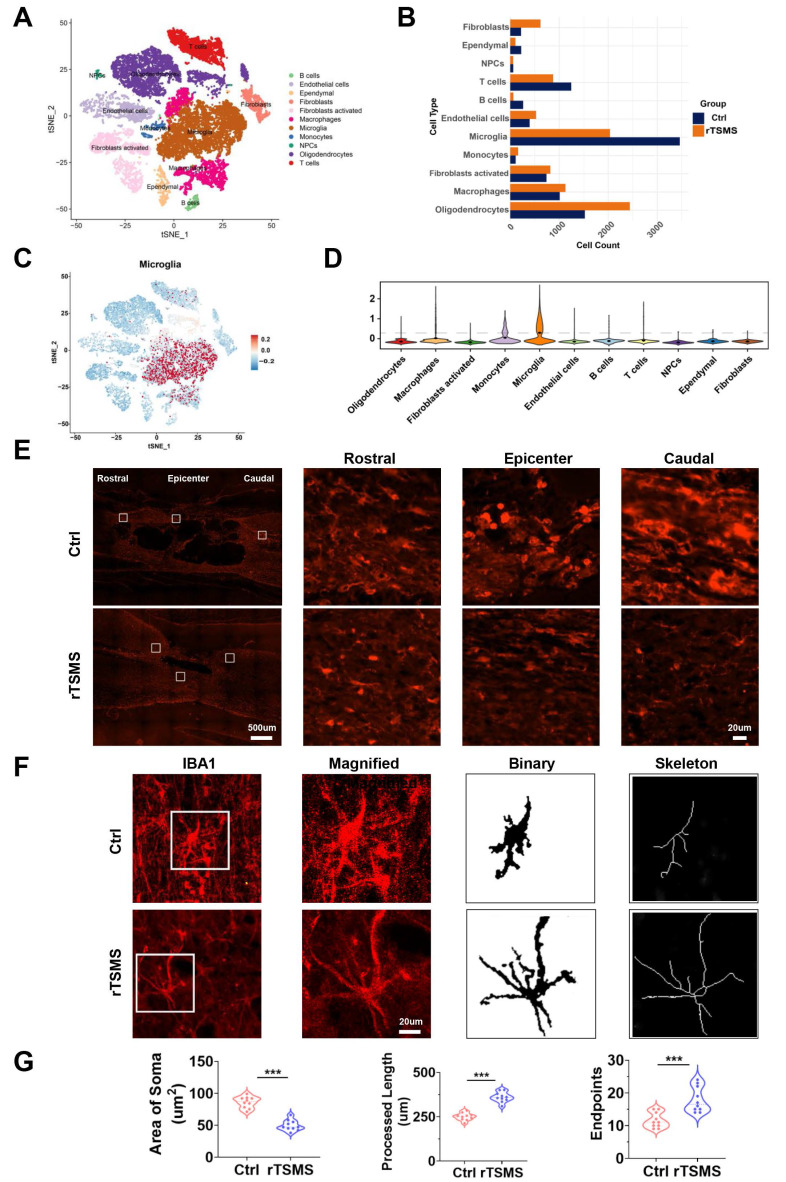 Figure 4
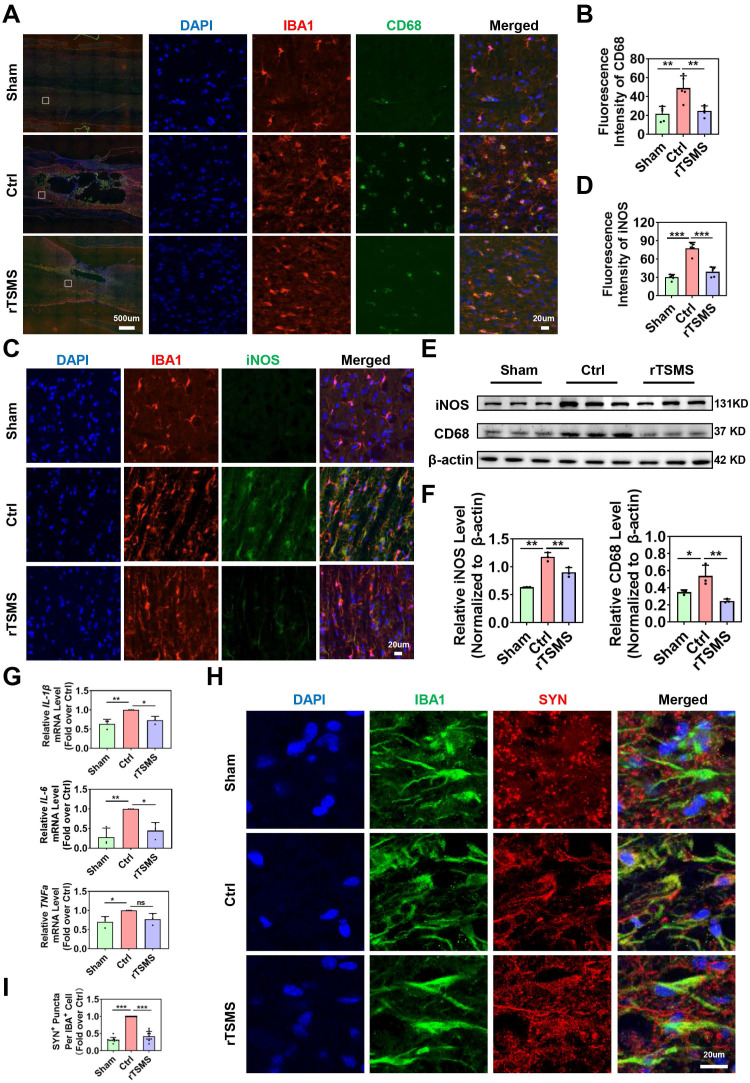 Figure 5
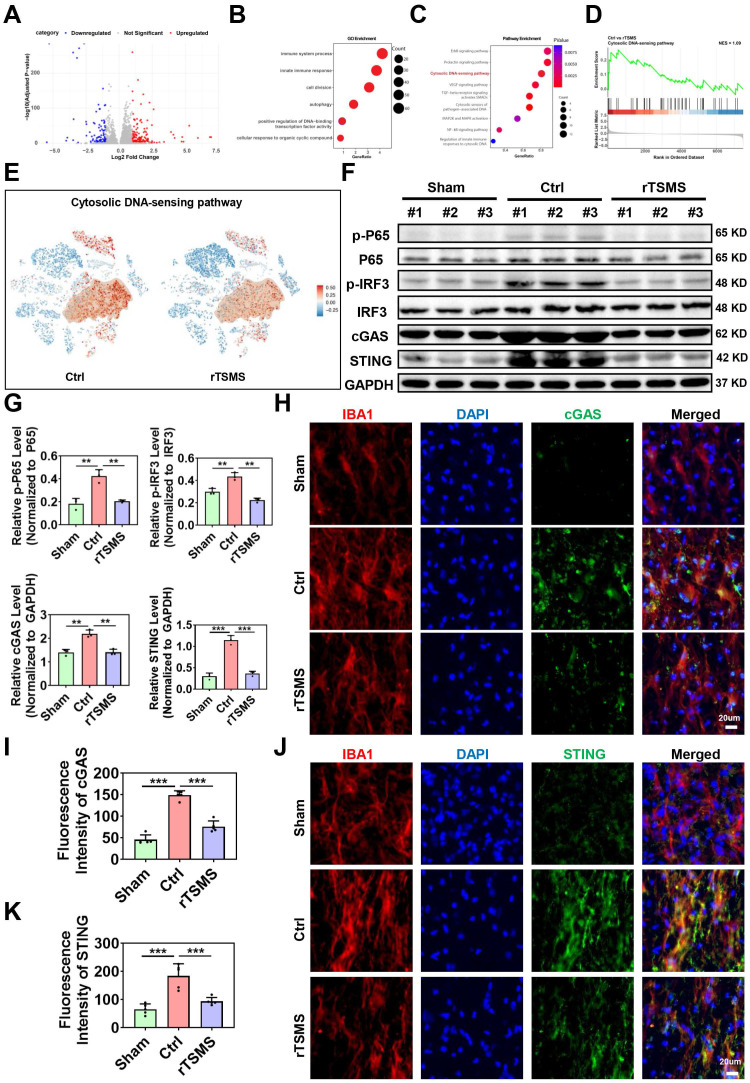 Figure 6
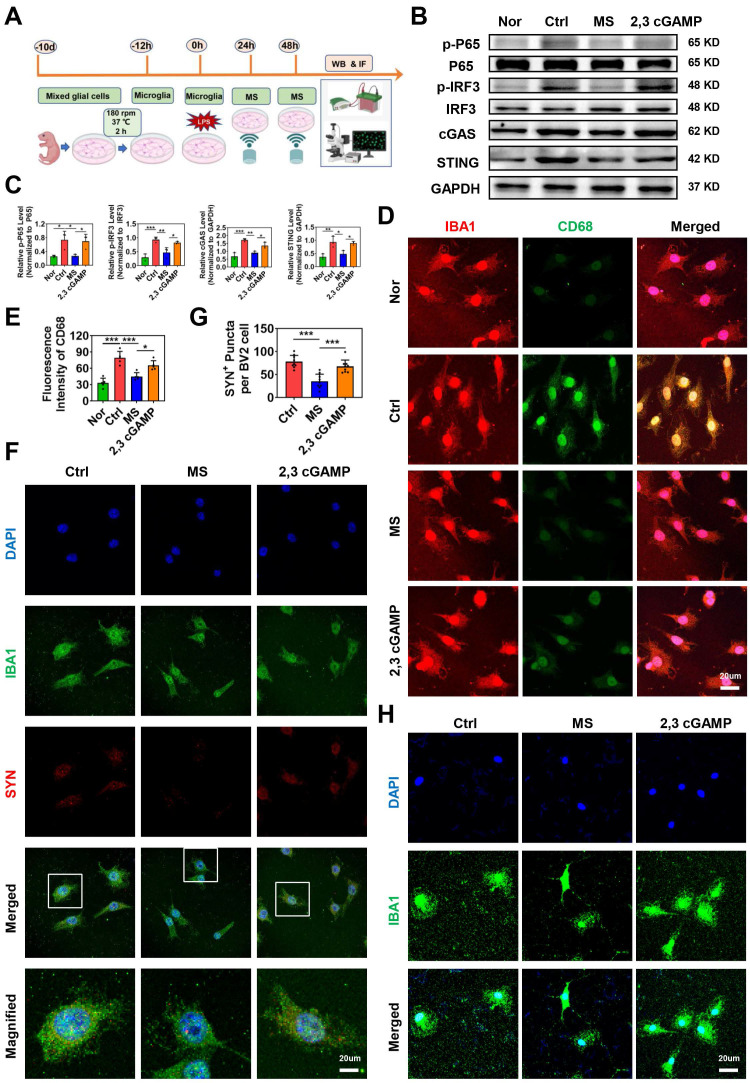 Figure 7
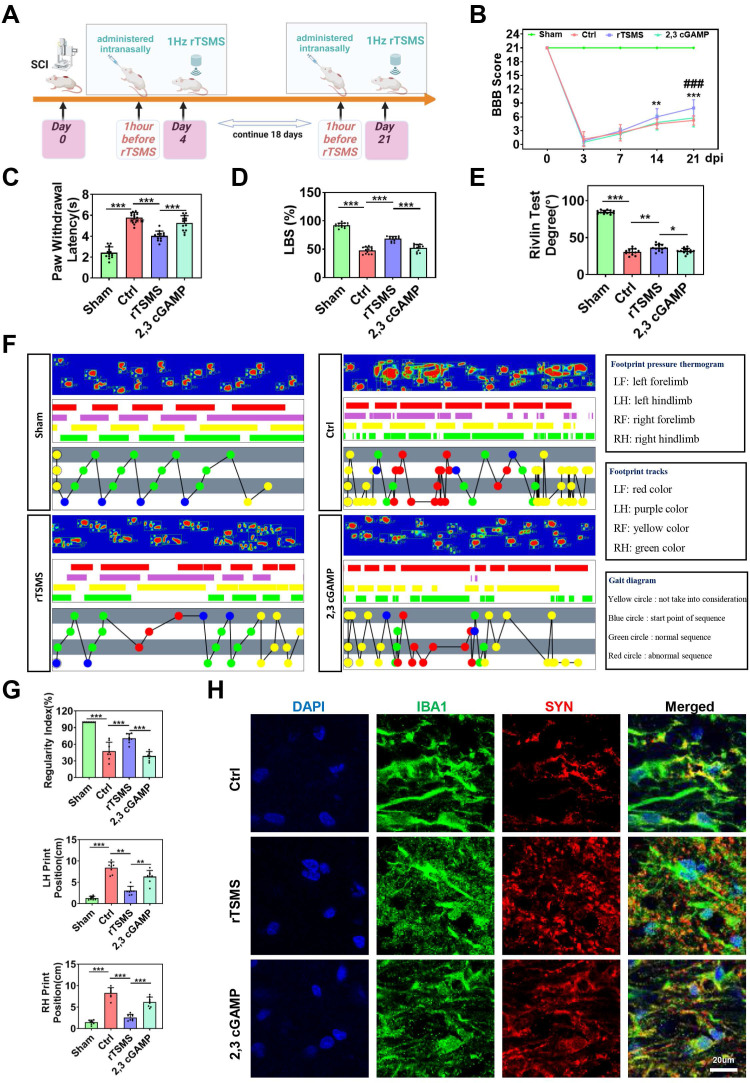 Figure 8
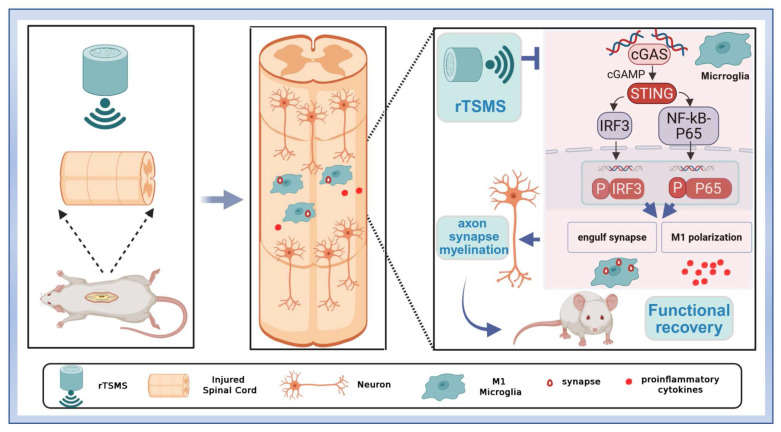 Figure 9
Peer Reviews
No public reviews on file for this paper yet. If you reviewed it on a platform where reviews are public (OpenReview, ICLR, NeurIPS, ICML), you can paste yours below so the community can read it here.
Videos
No videos yet. Explain this paper in a talk, walkthrough, or lecture? Add one.
Taxonomy
TopicsSpinal Cord Injury Research · interferon and immune responses