STK32C as a Therapeutic Target in Colorectal Cancer via HSP90-PI3K/AKT/mTOR Signaling
Chi-Hoon Ahn, Ji Eon Park, Deok Yong Sim, Su-Yeon Park, Hyun Ju Cha, Bum-Sang Shim, Bonglee Kim, Sung-Hoon Kim

TL;DR
This study identifies STK32C as a new target in colorectal cancer, showing it promotes cancer growth through HSP90 and PI3K/AKT/mTOR pathways and may improve treatment with 5-FU.
Contribution
The study reveals STK32C as a novel oncogenic driver in CRC and demonstrates its role in HSP90-PI3K/AKT/mTOR signaling.
Findings
STK32C depletion suppresses CRC cell proliferation, migration, and invasion while promoting apoptosis.
STK32C directly binds to HSP90's N-terminal domain and regulates AKT signaling upstream.
STK32C depletion enhances 5-FU efficacy in CRC both in vitro and in vivo.
Abstract
Emerging evidence implicates serine/threonine kinase 32C (STK32C) overexpressed in bladder cancer and brain tissues acts as a molecular target for doxorubicin resistance, yet its role in colorectal cancer (CRC) remains unclear. Thus. this study investigates the oncogenic mechanism of STK32C in CRC and its interplay with HSP90 and the PI3K/AKT/mTOR signaling axis. STK32C was markedly upregulated in CRC cell lines (HCT116, HT29, SW480, SW620) compared to normal fibroblasts (CCD-18Co) with poor prognosis. STK32C depletion suppressed proliferation, migration, and invasion, while promoting apoptosis—as evidenced by increased Bax, Annexin V, TUNEL-positive, and sub-G1 populations, alongside reduced Bcl-2, pro-Caspase-3, and pro-PARP. Mechanistically, STK32C directly bound the N-terminal domain of HSP90, as shown by immunoprecipitation, immunofluorescence, and GST pulldown assays.…
Genes, proteins, chemicals, diseases, species, mutations and cell lines named across the full text — each resolved to its canonical identifier and authoritative record.
Click any figure to enlarge with its caption.
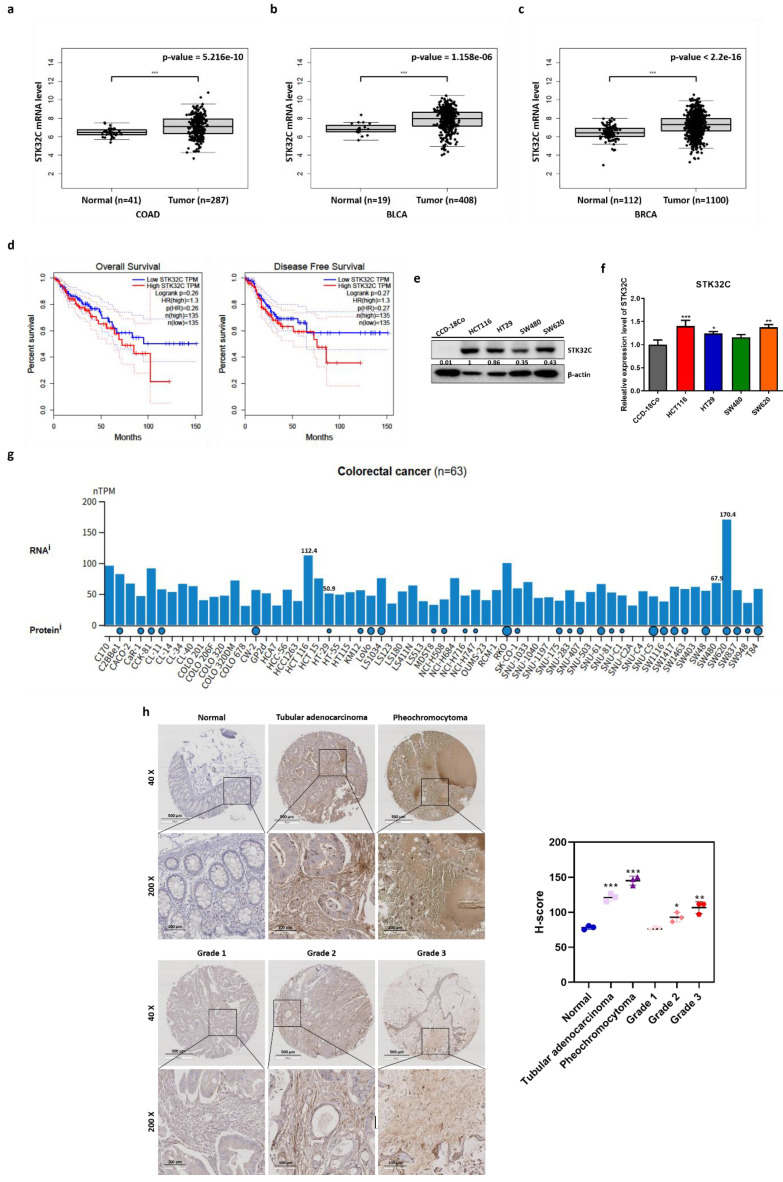 Figure 1
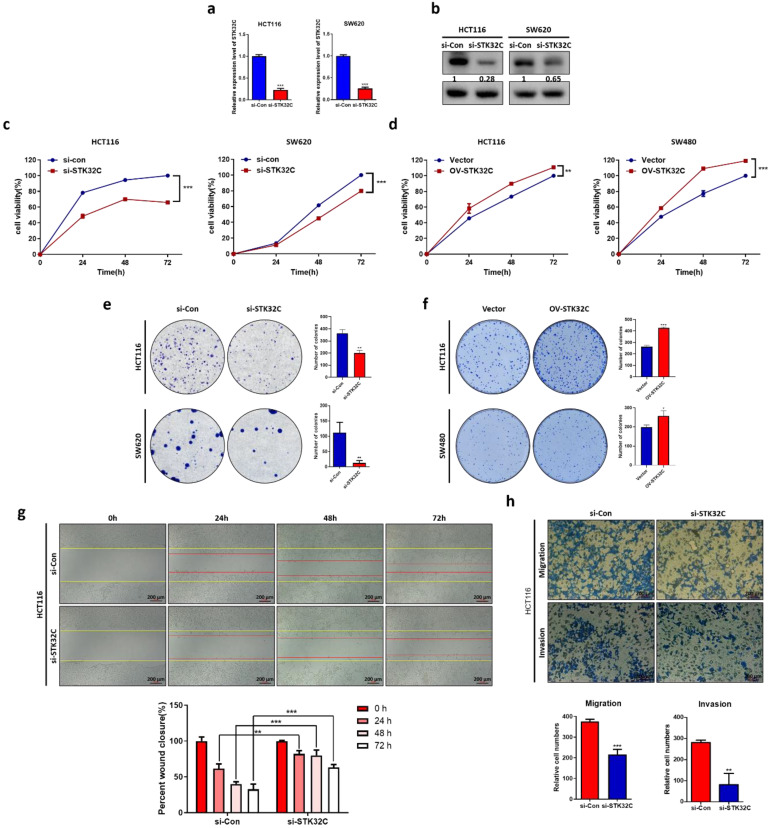 Figure 2
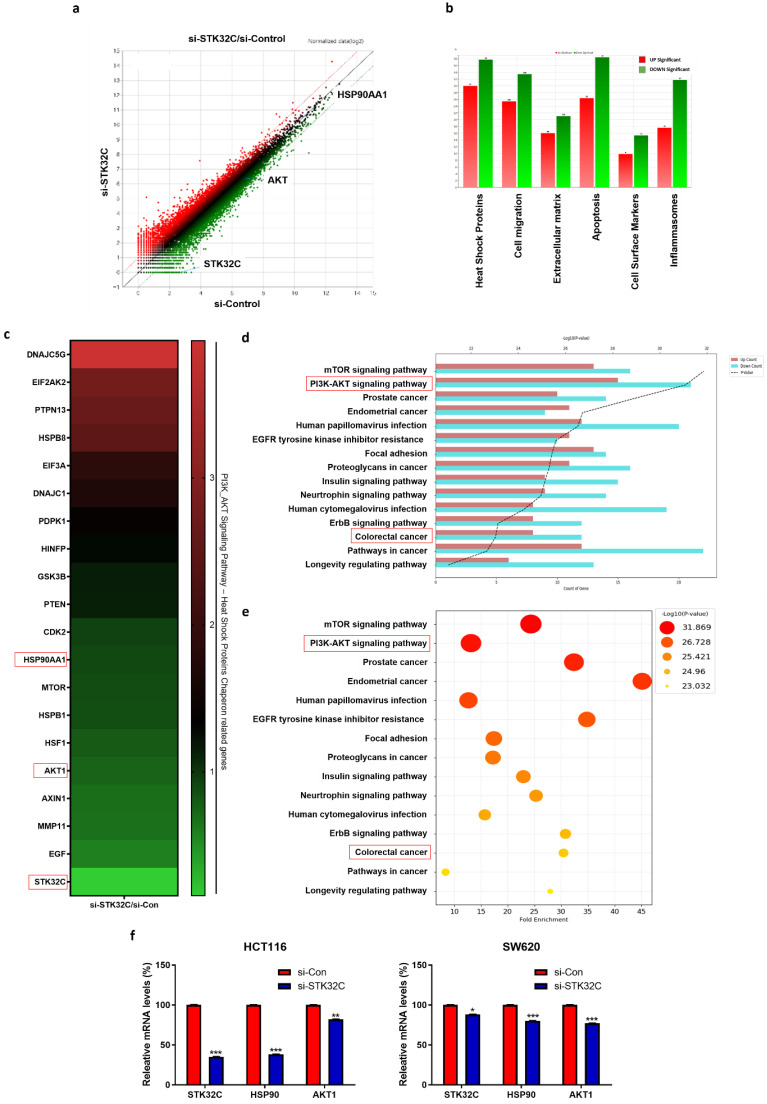 Figure 3
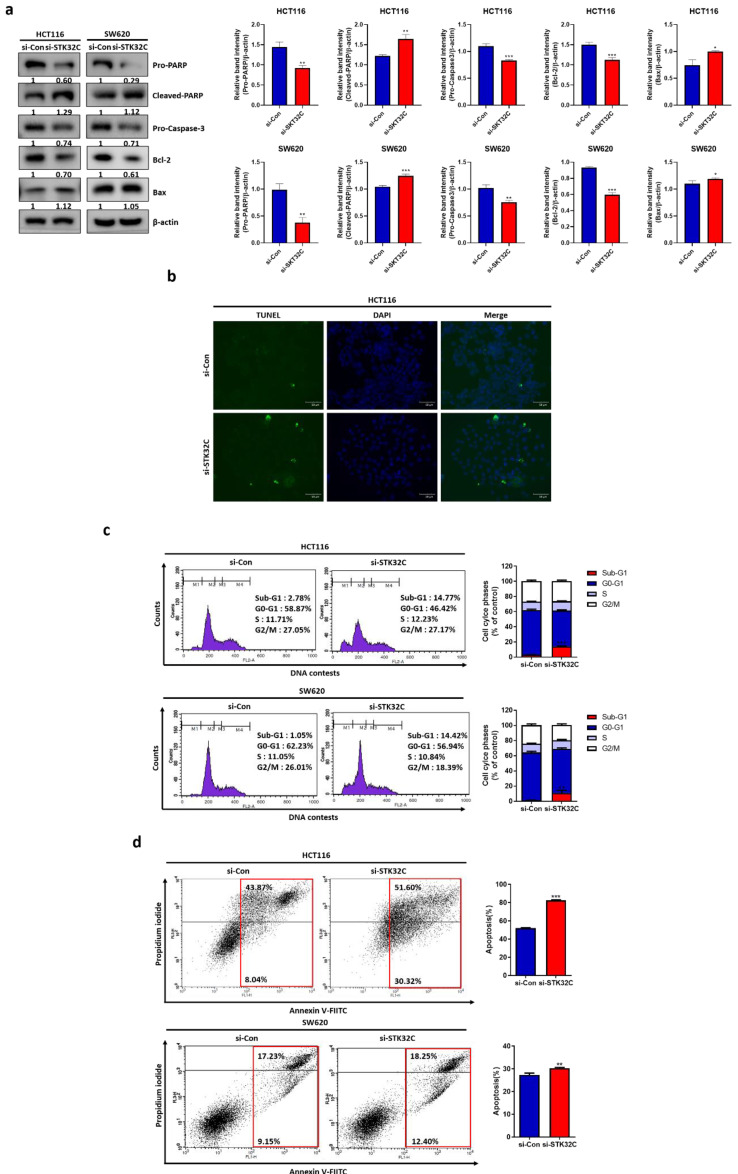 Figure 4
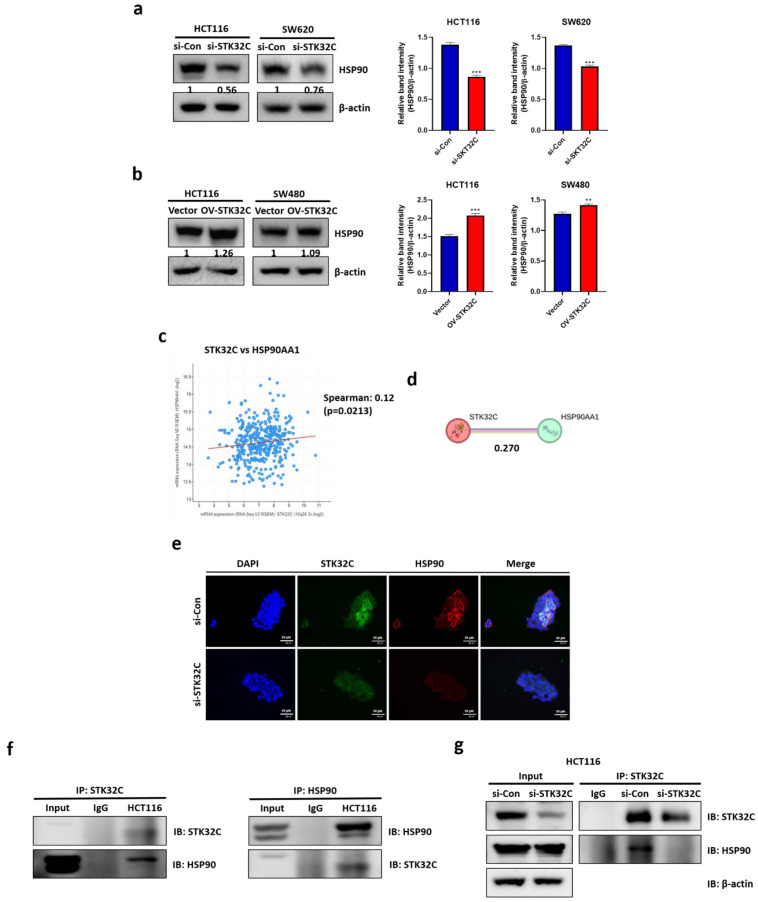 Figure 5
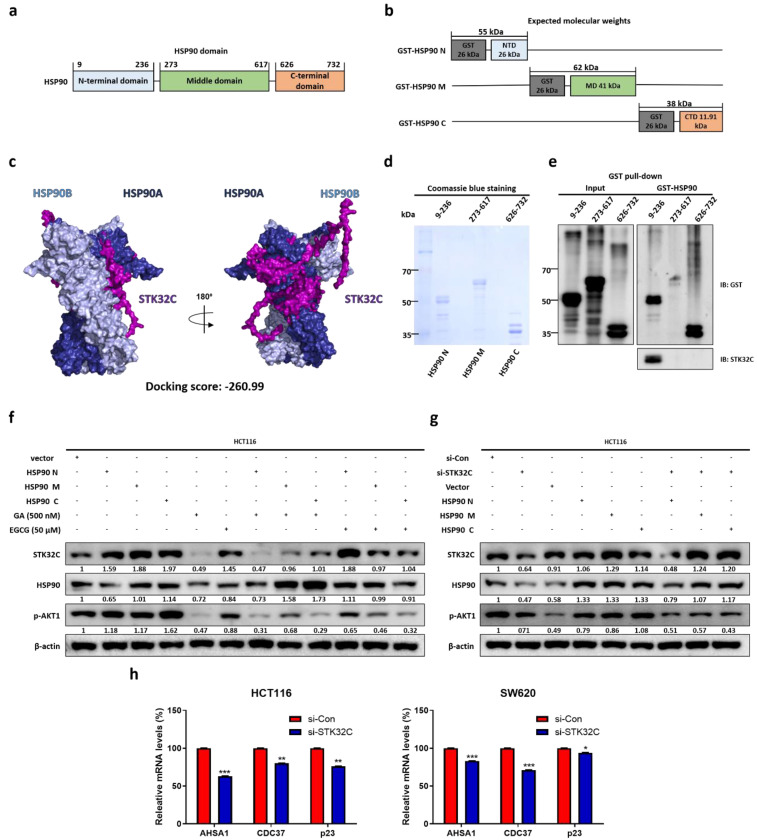 Figure 6
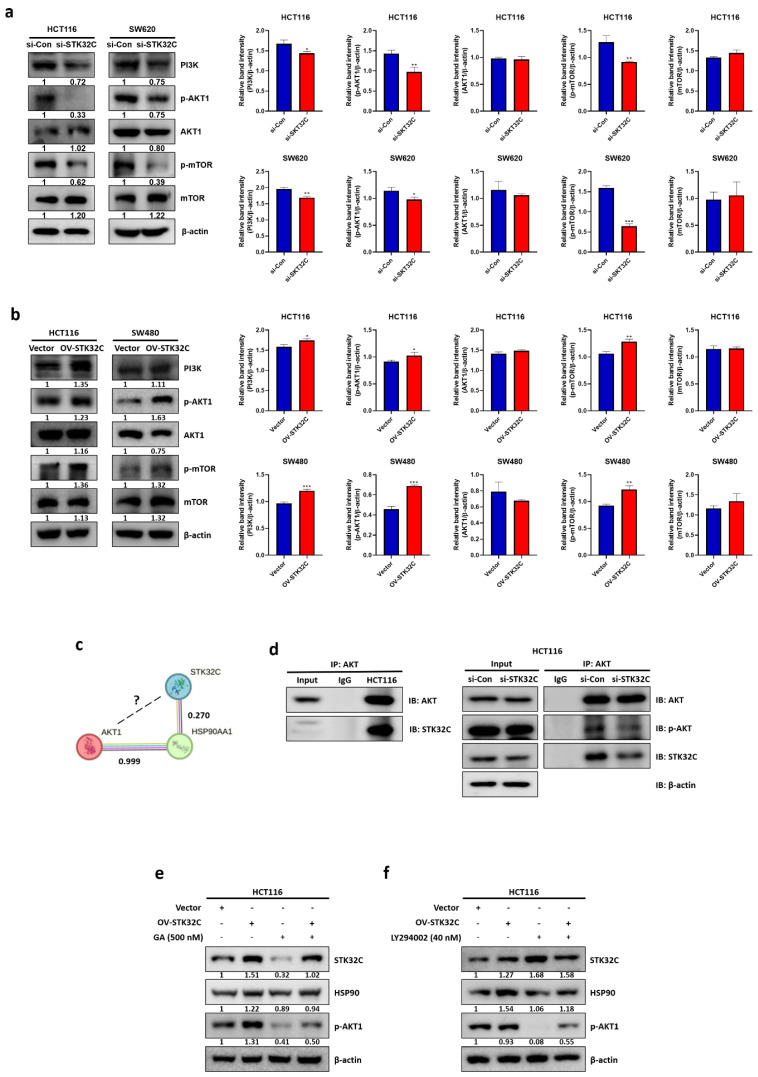 Figure 7
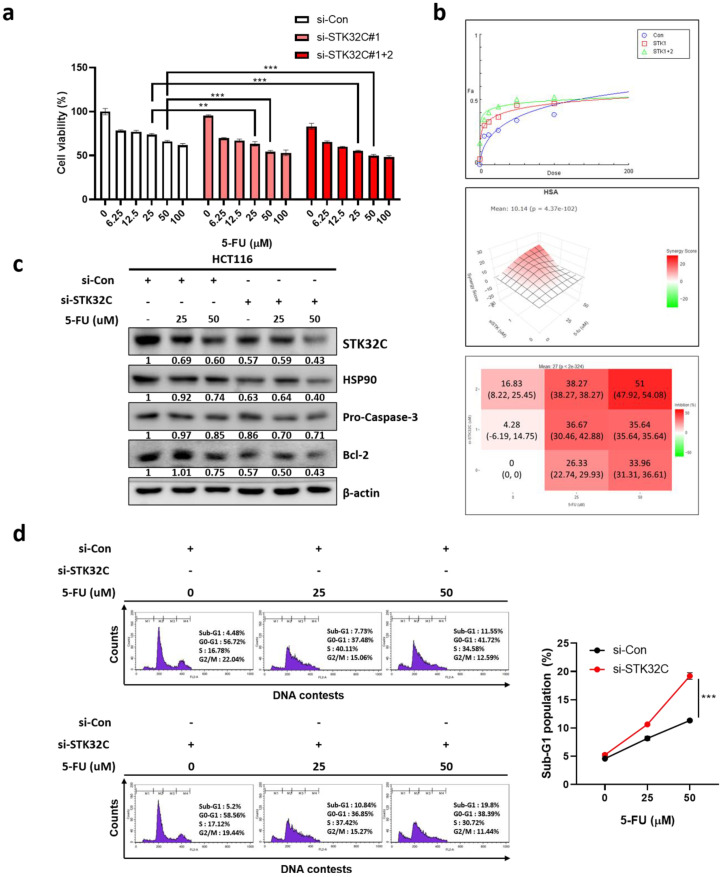 Figure 8
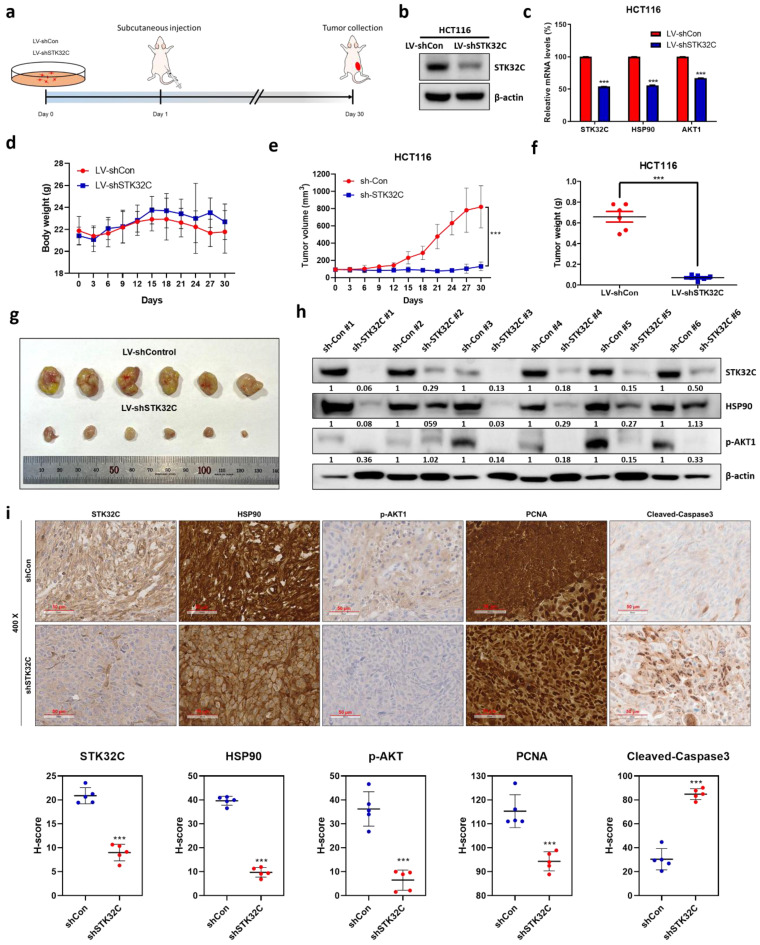 Figure 9
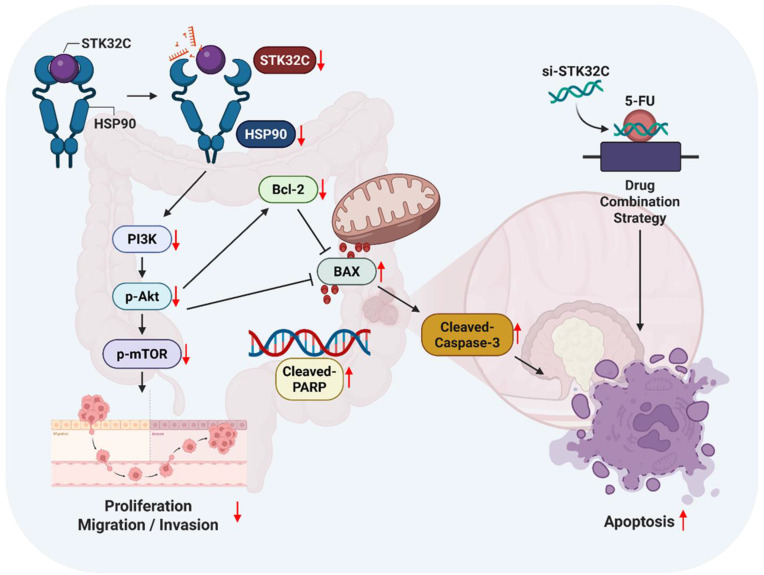 Figure 10
Peer Reviews
No public reviews on file for this paper yet. If you reviewed it on a platform where reviews are public (OpenReview, ICLR, NeurIPS, ICML), you can paste yours below so the community can read it here.
Videos
No videos yet. Explain this paper in a talk, walkthrough, or lecture? Add one.
Taxonomy
TopicsHeat shock proteins research