Disrupting DDB2-DNA Interaction by Lapatinib Enhances Chemotherapy Sensitivity
Shih-Chao Hsu, Yu-Hao He, Yun-Ju Chen, Uyen Nguyen Phuong Le, Pei-Tong Liu, Thanh Kieu Huynh, Yi-Ling Chen, Ya-Ling Wei, Hsin-Chiao Chou, Wei-Chien Huang, Long-Bin Jeng

TL;DR
Lapatinib disrupts DDB2-DNA interactions, enhancing chemotherapy effectiveness in various cancers.
Contribution
Lapatinib is shown to target DDB2, a DNA repair protein, to sensitize cancer cells to chemotherapy.
Findings
Lapatinib disrupts DDB2/DNA complex formation, confirmed by cellular thermal shift assay and chromatin fractionation.
Co-treatment with lapatinib and doxorubicin shows synergistic cytotoxicity in cancer cells and organoids.
DDB2 upregulation correlates with poor survival in breast, liver, cholangiocarcinoma, and lung cancers.
Abstract
Chemoresistance remains an obstacle to effective cancer therapy across multiple tumor types. Damaged DNA-binding protein 2 (DDB2), a key component of the nucleotide excision repair (NER) pathway, contributes to chemoresistance by enhancing DNA repair and inhibiting apoptosis. Although the role of DDB2 in tumor progression is context-dependent, its upregulation has been associated with poor prognosis in various malignancies. In this study, elevated DDB2 levels found in breast, liver, cholangiocarcinoma, and lung cancers correlated with reduced patient survival. DDB2 confers resistance to chemotherapeutic agents. Through structure-based virtual screening and molecular dynamics simulations, lapatinib, an FDA-approved EGFR/HER2 inhibitor, was identified as a compound capable of disrupting the DDB2/DNA complex, which was confirmed by the cellular thermal shift assay and chromatin…
Genes, proteins, chemicals, diseases, species, mutations and cell lines named across the full text — each resolved to its canonical identifier and authoritative record.
Click any figure to enlarge with its caption.
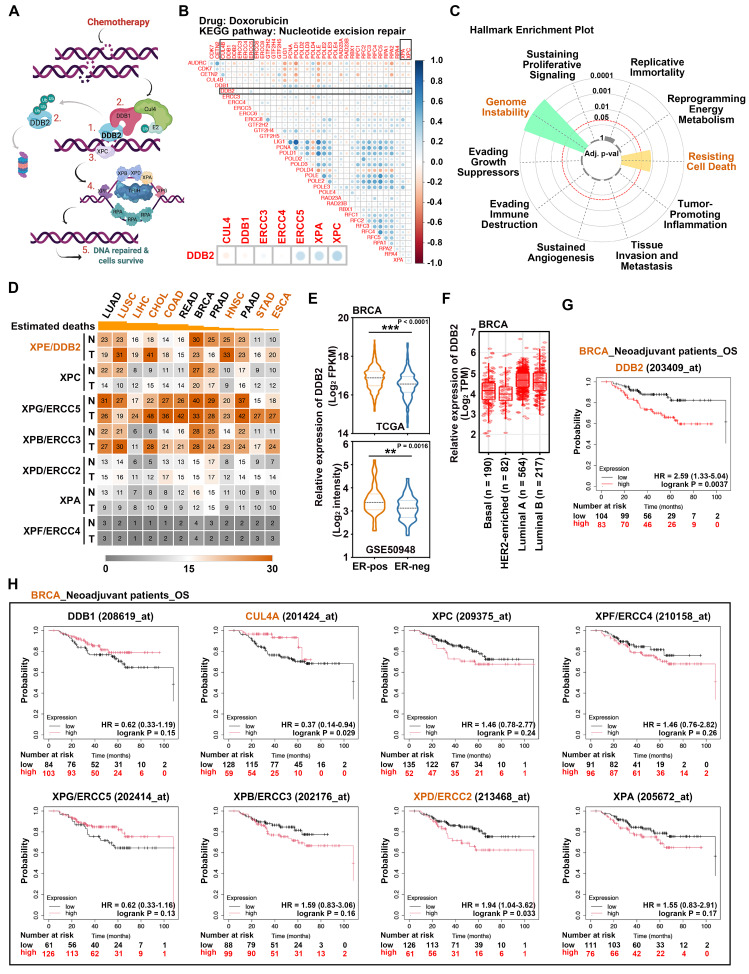 Figure 1
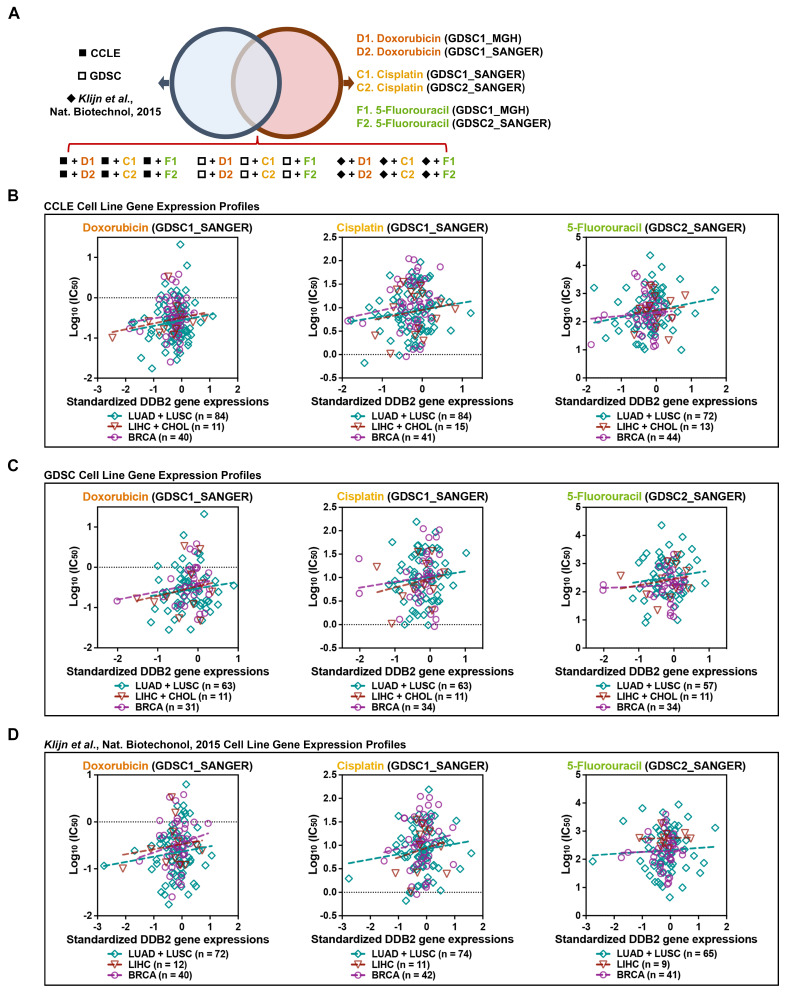 Figure 2
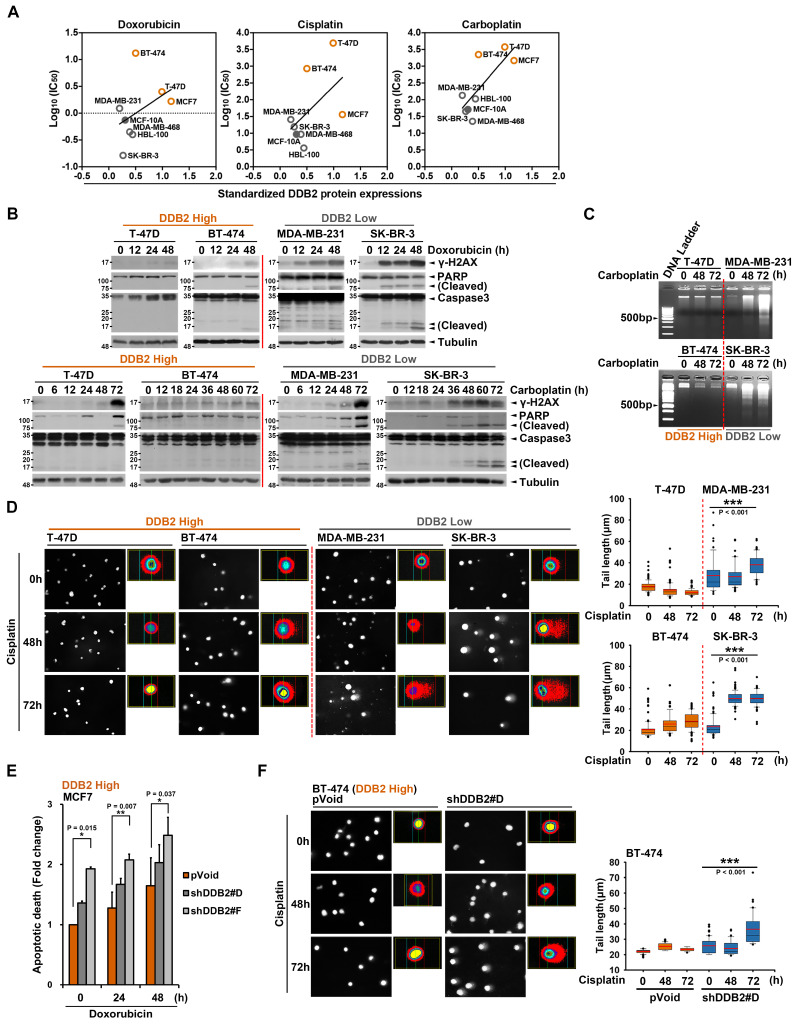 Figure 3
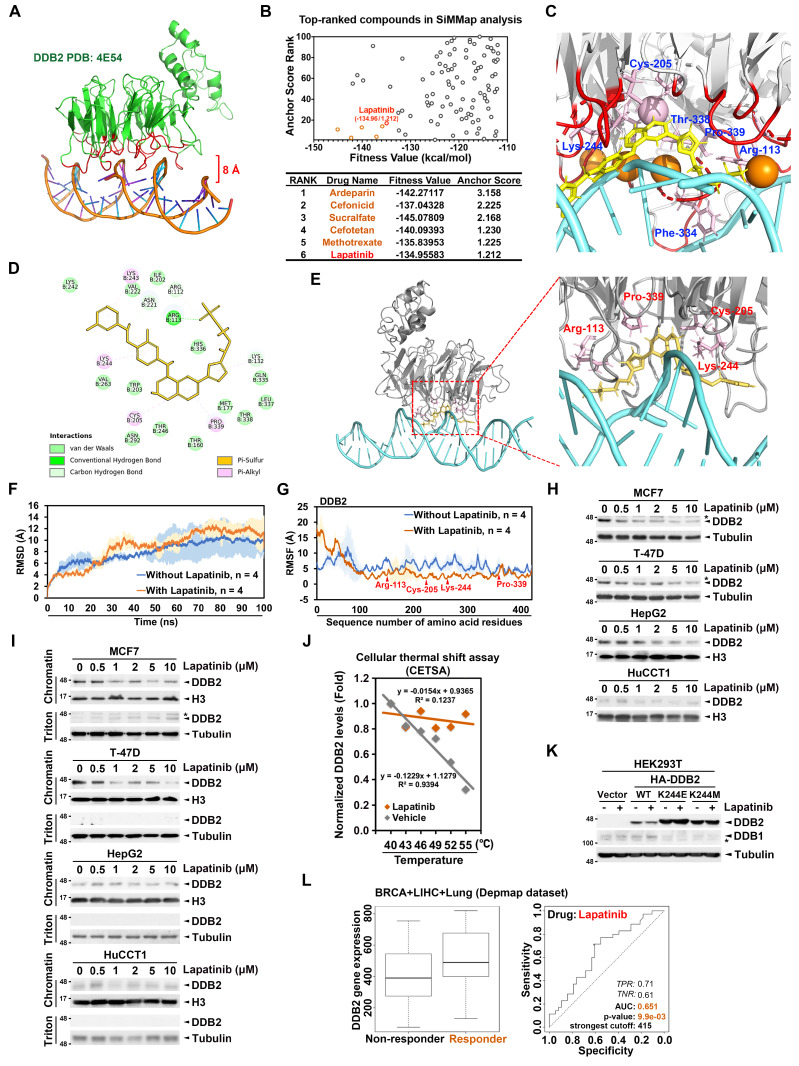 Figure 4
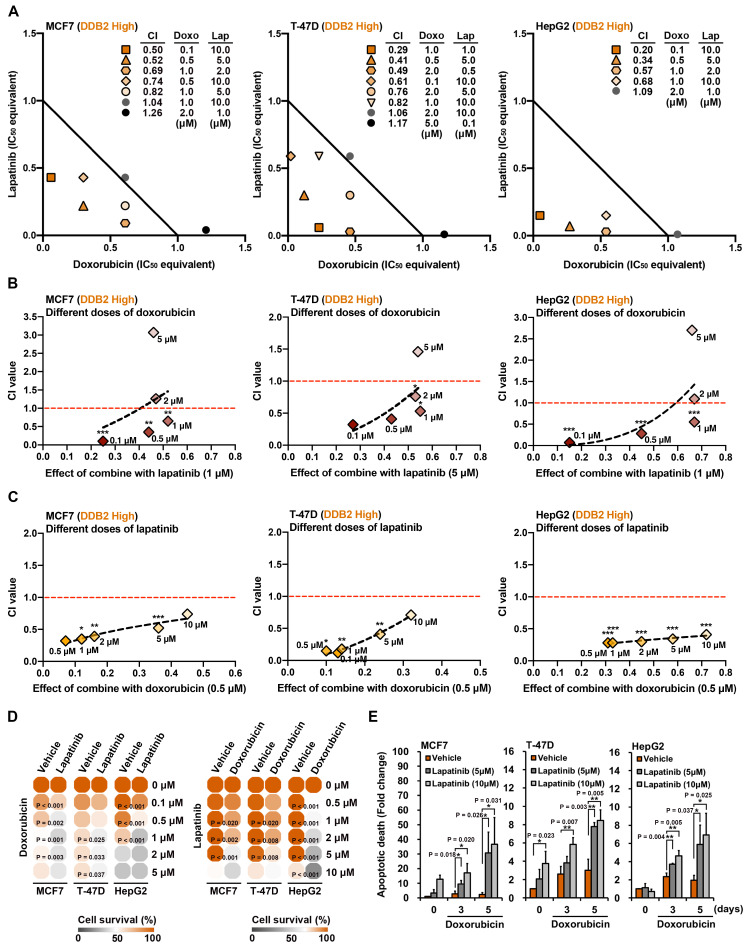 Figure 5
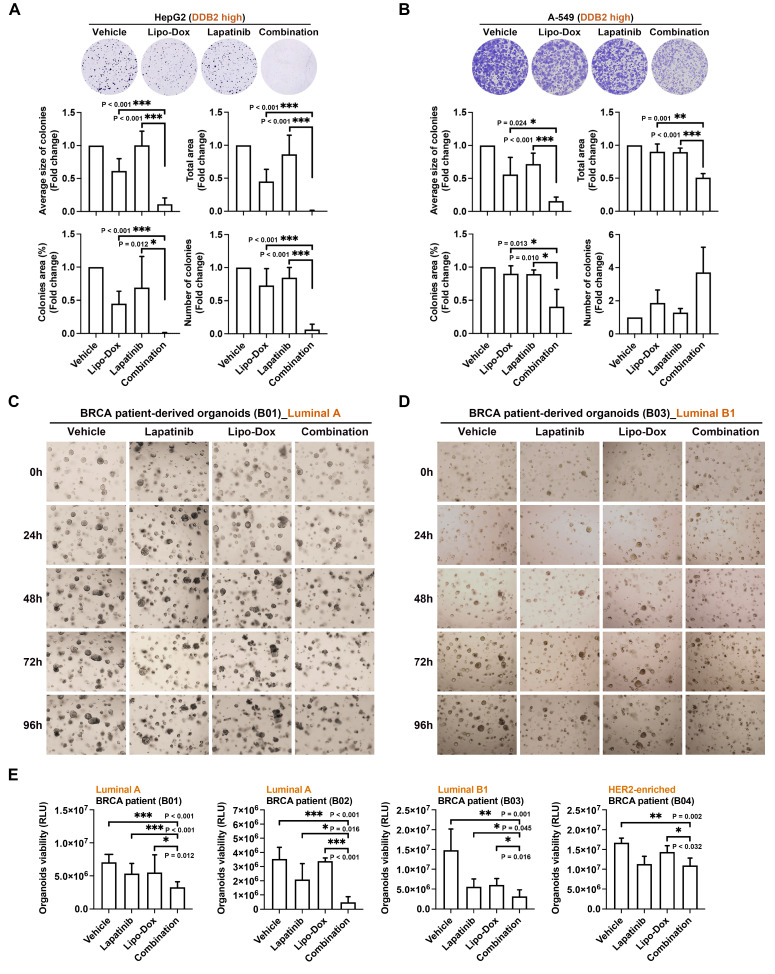 Figure 6
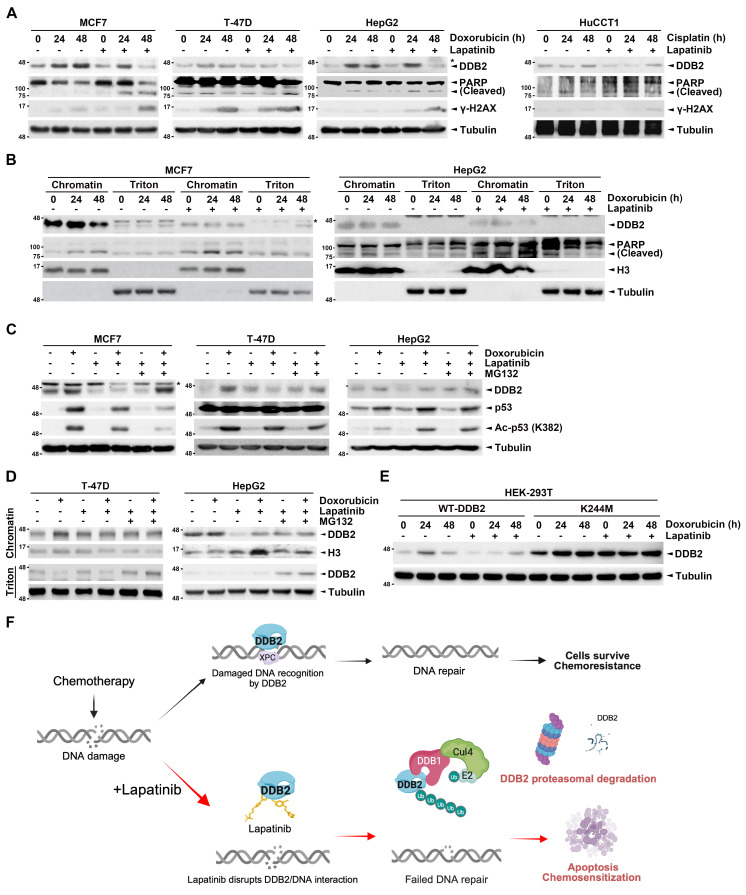 Figure 7
Peer Reviews
No public reviews on file for this paper yet. If you reviewed it on a platform where reviews are public (OpenReview, ICLR, NeurIPS, ICML), you can paste yours below so the community can read it here.
Videos
No videos yet. Explain this paper in a talk, walkthrough, or lecture? Add one.
Taxonomy
TopicsHIV/AIDS drug development and treatment · Cancer therapeutics and mechanisms · Cancer Genomics and Diagnostics